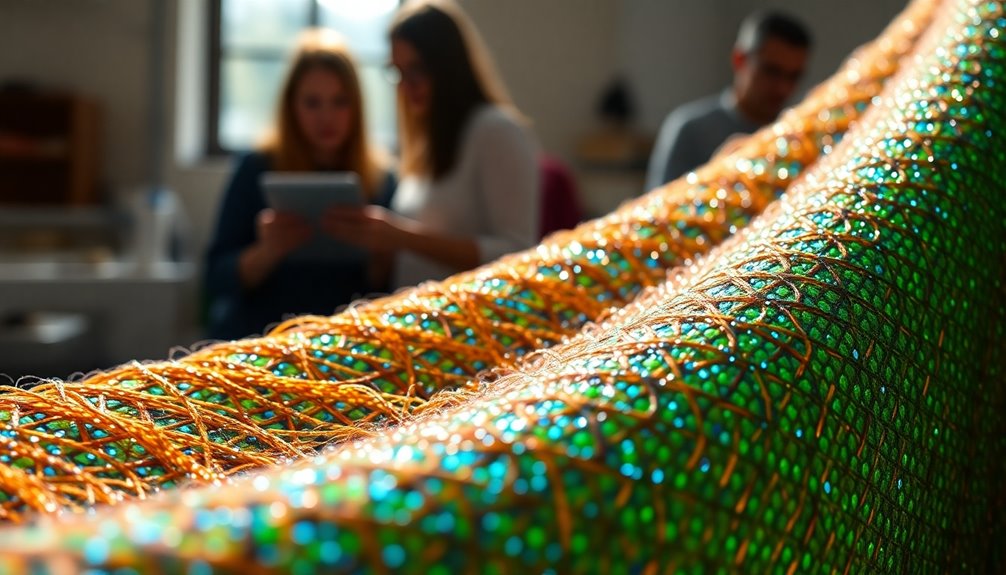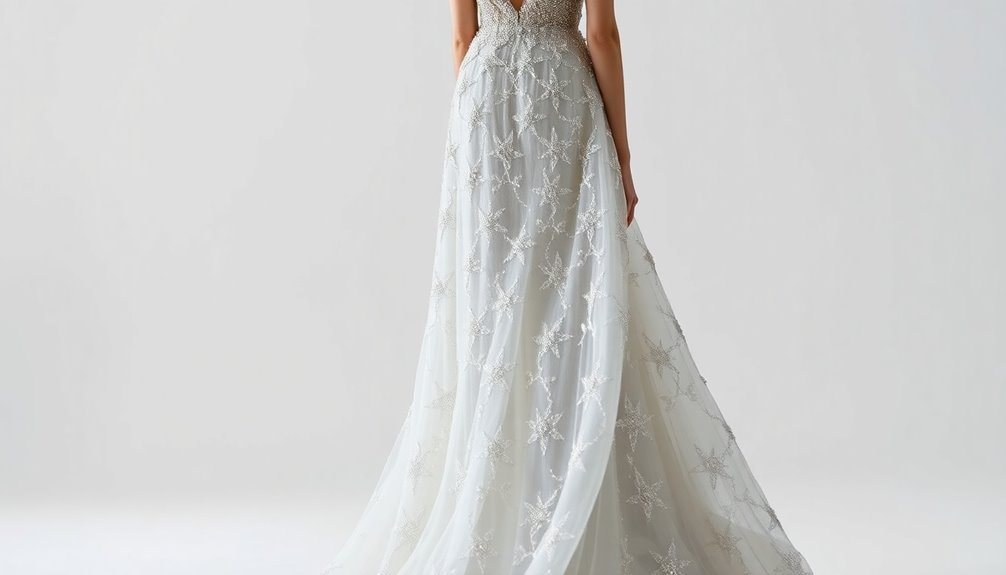
Haute couture pricing reaches six figures because of the exceptional craftsmanship, rare materials, and personalized process involved. You’re paying for fabrics like silk or brocade, often imported and limited in supply. Skilled artisans spend hours hand-embellishing, sewing, and fitting each piece to perfection. The exclusivity and artistry behind these garments add to their high value. To discover all the details behind these luxury prices, continue exploring what makes couture truly unique.
Key Takeaways
- Premium fabrics like silk, brocade, and rare textiles significantly increase material costs.
- Handcrafted craftsmanship techniques, such as embroidery and beadwork, require extensive labor and skill.
- The bespoke process involves multiple fittings and personalized adjustments, adding to labor hours.
- Sourcing rare, exclusive materials and limited quantities elevates the garment’s rarity and price.
- The artistry, meticulous detail, and exclusivity of handmade couture justify its six-figure valuation.
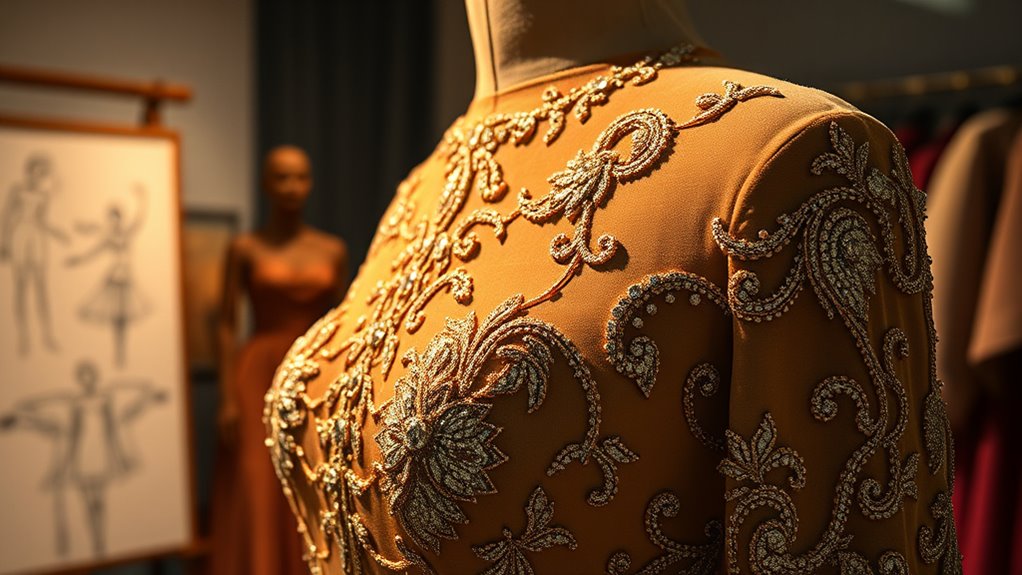
Have you ever wondered why haute couture pieces command such staggering prices? It’s tempting to think it’s just about the brand name or exclusivity, but the real story lies in the meticulous details that go into each garment. When you look at a haute couture piece, remember that every element, from fabric selection to craftsmanship techniques, plays a vital role in its price. These garments aren’t mass-produced; they’re the result of an intensive, handcrafted process that demands time, skill, and precision. The fabric selection alone can elevate the cost considerably. Haute couture designers choose only the finest fabrics—silk, taffeta, brocade, or rare textiles—often imported from specific regions known for their quality. These materials are carefully selected to guarantee the garment’s look, feel, and durability, adding a layer of exclusivity and luxury that can’t be replicated with cheaper alternatives. The cost of premium fabrics, combined with the limited quantities used, boosts the overall price tag. But it’s not just about the materials. The craftsmanship techniques employed are equally essential. Every stitch, sequin, and embellishment is done by hand, often by artisans with years of experience. These techniques require patience and precision, with many steps done entirely manually—whether it’s intricate embroidery, hand-pleating, or beadwork. This level of craftsmanship ensures the garment isn’t just a piece of clothing but a work of art. It’s common for a single haute couture dress to involve dozens of hours of detailed labor, which naturally adds to the cost. Furthermore, the process of creating a couture piece involves multiple fittings, adjustments, and personalized touches that make each garment unique to its wearer. This bespoke process further drives up the price, as it demands a higher level of skill and time investment from the designer and their team. Additionally, the use of natural materials enhances the garment’s authenticity and appeal, often increasing production costs. Understanding the artistry and skill involved in couture design emphasizes why these garments carry such high price tags. The exclusive craftsmanship techniques used are often proprietary or require specialized training, further elevating the value and exclusivity of each piece. When you understand the importance of fabric selection and craftsmanship techniques, it becomes clear why these garments carry six-figure price tags. They’re not just clothes; they’re handcrafted masterpieces, crafted with the utmost attention to detail and quality. This dedication to excellence, combined with the exclusivity of materials and labor-intensive techniques, creates a product that’s as much an investment as it is a symbol of style. In addition, the rarity of materials used in haute couture can significantly drive up costs, as some fabrics or embellishments are difficult to source or produce. So, next time you see a haute couture piece, remember that its price reflects the artistry, material quality, and painstaking craftsmanship behind it—elements that turn fabric into an extraordinary work of art.
Frequently Asked Questions
How Do Couture Houses Set Their Initial Price Points?
You might wonder how couture houses set their initial price points. They consider fashion history and craftsmanship techniques, valuing the legacy behind each design. Skilled artisans use intricate craftsmanship techniques, making each piece unique and labor-intensive. These factors, combined with fabric quality, exclusivity, and brand prestige, influence pricing. You’re paying not just for a luxurious garment but for a piece rooted in history and expert craftsmanship, driving up the price considerably.
What Role Do Celebrity Endorsements Play in Pricing?
Celebrity endorsements may seem like mere glitz, but they markedly influence pricing strategies. When a celebrity endorses a couture piece, their influence elevates the garment’s prestige, boosting its perceived value. This endorsement value adds a layer of exclusivity and desirability, allowing designers to command higher prices. Your awareness of celebrity influence helps you understand that such endorsements aren’t just marketing; they’re integral to maintaining the premium status and six-figure tags.
How Much Does Exclusivity Influence the Final Price?
Exclusivity profoundly influences the final price because it emphasizes the brand’s heritage and craftsmanship techniques. When you buy a couture piece, you’re paying for rare materials, meticulous handwork, and limited availability, which elevate its status. This rarity and prestige make the item more desirable, allowing designers to set higher prices. Your perception of exclusivity adds value, making each piece feel unique and worth the investment.
Are There Regional Differences in Haute Couture Pricing?
Regional rates reveal remarkable differences, driven by diverse cultural influences and market demands. You’ll find that prices peak in regions with robust luxury markets, like Paris and Milan, where exclusivity elevates costs. Conversely, emerging markets may offer more accessible prices, yet still reflect local tastes and trends. Recognizing these regional realities helps you understand how cultural influences and local markets shape the staggering, soaring prices of haute couture globally.
How Do Customizations Impact Overall Cost?
When you customize haute couture, your choices markedly impact the overall cost. Opting for luxurious fabric selection adds to the expense, and intricate craftsmanship detail requires more time and skill, boosting the price. Every personalized element, from embroidery to tailoring, increases the value. So, the more unique and elaborate your customizations, the higher the price tag, reflecting the craftsmanship and premium materials involved.
Conclusion
So, next time you spot a six-figure haute couture piece, remember it’s not just fabric and stitches—it’s the artistry, exclusivity, and history woven into every detail. Sometimes, it’s almost like the universe conspired to create something so rare that only a select few can own it. That coincidence of craftsmanship and luxury makes each piece a masterpiece, a story you almost feel privileged to witness—and perhaps, even own.