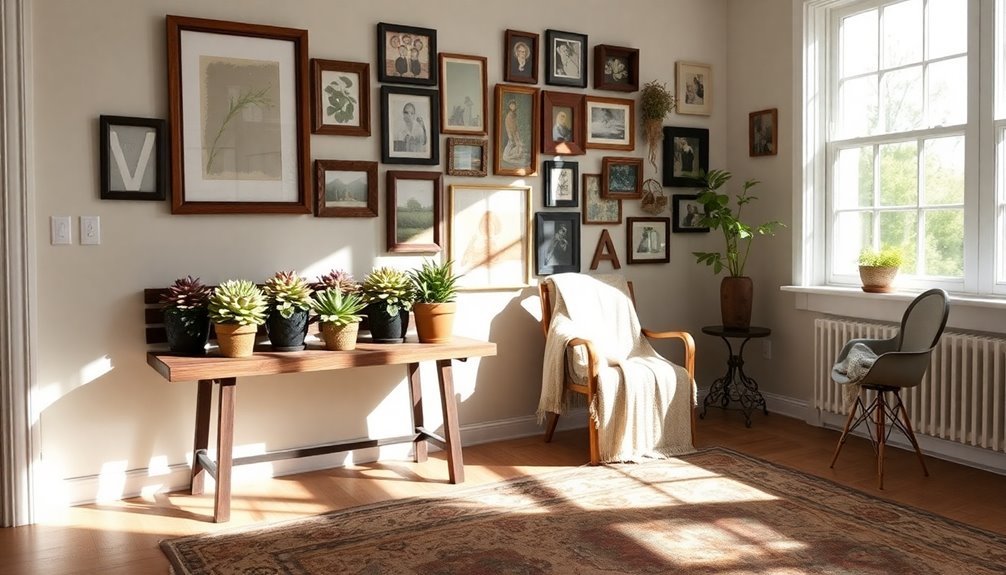
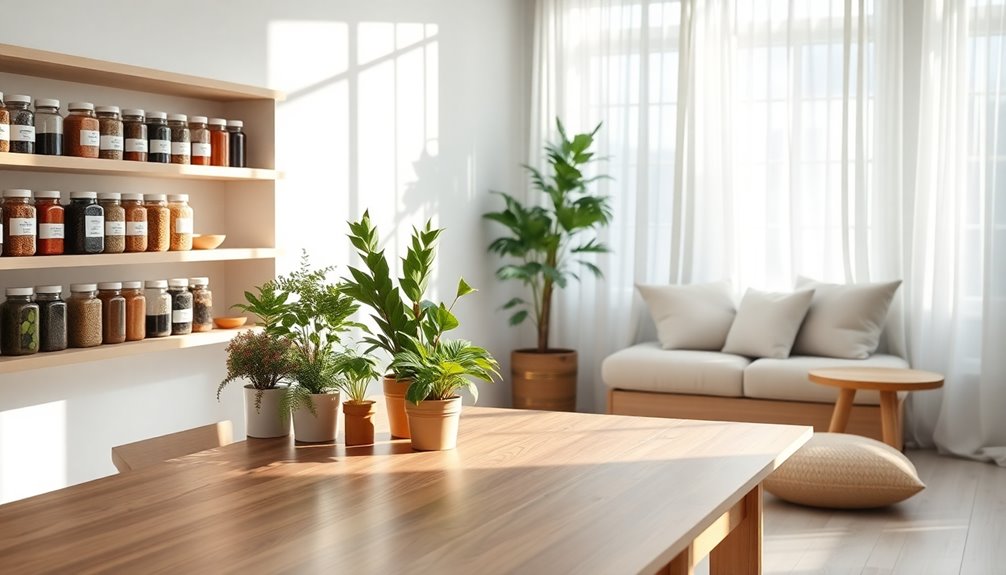
Layered lighting combines task, ambient, and accent layers to make your space both functional and inviting. Task lighting brightens areas where you perform activities, like cooking or reading. Ambient lighting provides a soft, overall glow that sets the mood and enhances comfort. Accent lighting highlights artwork or architectural features, adding depth and visual interest. Mastering how these layers work together can transform your room, and exploring further will reveal even more ways to enhance your space.
Key Takeaways
- Layered lighting combines task, ambient, and accent lighting to create a functional and aesthetically pleasing environment.
- Task lighting provides focused illumination for specific activities, like reading or cooking.
- Ambient lighting offers soft, general illumination that fills the entire space evenly.
- Accent lighting highlights artwork or architectural features, adding depth and visual interest.
- Proper layering involves balancing all types to enhance mood, decor, and usability of a room.

Have you ever wondered how to create a space that feels both functional and inviting? The secret lies in layered lighting. By combining different types of lighting—task, ambient, and accent—you can shape a room’s atmosphere and guarantee it’s practical for daily use. Starting with the basics, the right lighting enhances the room’s mood and highlights its best features. To do this effectively, you should consider elements like color temperature and fixture styles, which play a pivotal role in setting the tone and style of your space. Incorporating natural materials and textures can further enhance the layered effect, especially in a farmhouse bedroom setting. Color temperature influences how warm or cool your lighting appears, directly affecting the atmosphere. For example, warm tones (around 2700K-3000K) create cozy, inviting environments perfect for living rooms or bedrooms. Cooler tones (4000K-5000K) lend a crisp, energizing feel suited for workspaces or kitchens. When selecting fixture styles, think about the overall design aesthetic—whether you prefer sleek modern shapes, vintage-inspired fixtures, or rustic charm. The style of your fixtures not only complements your decor but also impacts how the light disperses throughout the room. Task lighting is essential for activities that require focus, like reading, cooking, or working at a desk. It should be bright enough to eliminate shadows and reduce eye strain. Adjustable fixtures, such as swing-arm lamps or under-cabinet lighting, are practical choices because they let you direct light exactly where you need it. Ambient lighting, on the other hand, provides a soft, general glow that fills the room evenly, making the space feel warm and welcoming. Ceiling-mounted fixtures, recessed lights, or even wall sconces can serve as ambient sources, with dimmers allowing you to adjust the intensity based on the time of day or mood you want to create. Accent lighting adds depth and visual interest by highlighting artwork, architectural features, or decorative objects. This type of lighting often uses smaller fixtures like track lights or picture lights, which can be strategically placed to draw attention. The key is to balance all these layers so they complement each other without overpowering the space. When choosing fixture styles, consider how they work together to maintain harmony while also serving their specific purpose. The right combination of color temperature and fixture styles can turn a plain room into a beautifully layered, functional haven that adapts seamlessly to your needs and style. Additionally, understanding lighting design principles can help you achieve a cohesive and inviting environment that enhances your overall interior aesthetic. Paying attention to layering techniques ensures that each lighting element contributes to the overall atmosphere without clutter or confusion. Also, studying ice cream flavors and their variations can inspire creative choices in decorative accents or color schemes for your interior design.
Frequently Asked Questions
How Do I Choose the Right Lighting for Small Spaces?
When choosing lighting for small spaces, you should consider color temperature and fixture styles. Opt for warm light with a lower Kelvin (around 2700K-3000K) to make the space feel cozy. Select sleek, space-saving fixtures that blend seamlessly into your decor. Use brighter task lighting where needed, but keep overall lighting soft and layered to avoid clutter and create a sense of openness.
What Are the Energy-Efficient Options for Layered Lighting?
For energy-efficient layered lighting, you should opt for LED bulbs, which use less energy and last longer than traditional bulbs. Incorporate solar lighting for outdoor spaces to reduce electricity use further. Use dimmers and timers to control your lighting, ensuring you only use what you need. These options help you save energy while maintaining effective lighting in your small space, making it both functional and eco-friendly.
How Can I Incorporate Smart Lighting Into Layered Designs?
Oh, so you want to turn your home into a sci-fi movie? Just add smart controls and automation integration to your layered lighting! You’ll effortlessly adjust task, ambient, and accent lights with a voice command or app. It’s like having a personal lighting butler. By blending technology with design, you create a seamless, energy-efficient environment that’s as smart as it is stylish. The future’s bright—literally.
What Are Common Mistakes to Avoid in Layered Lighting?
When planning your lighting, avoid disrupting the lighting hierarchy by placing fixtures improperly; this can cause uneven illumination. Don’t overlook fixture placement, which can create glare or shadows, diminishing the effect of layered lighting. Also, skip mixing too many styles or brightness levels, as it confuses the space. Focus on balanced fixture placement and maintaining a clear hierarchy to make sure your layered lighting enhances your room effectively.
How Does Layered Lighting Impact Mood and Productivity?
When you get the lighting just right, it’s like hitting two birds with one stone—boosting both mood and productivity. Layered lighting, with thoughtful fixture placement and appropriate color temperature, creates a balanced environment. Cooler tones energize you, while warmer shades foster relaxation. Properly layered light reduces eye strain and keeps you focused, making your space more inviting and functional, ultimately helping you perform at your best.
Conclusion
By now, you see how layered lighting transforms a space—combining task, ambient, and accent lights for perfect balance. Think of it as your own modern-day magic wand, turning any room from dull to dazzling with just the right glow. Don’t forget, even in a world full of smartphones and smart homes, a well-lit room still has the power to make you feel cozy and inspired—like stepping into a chic, vintage speakeasy.