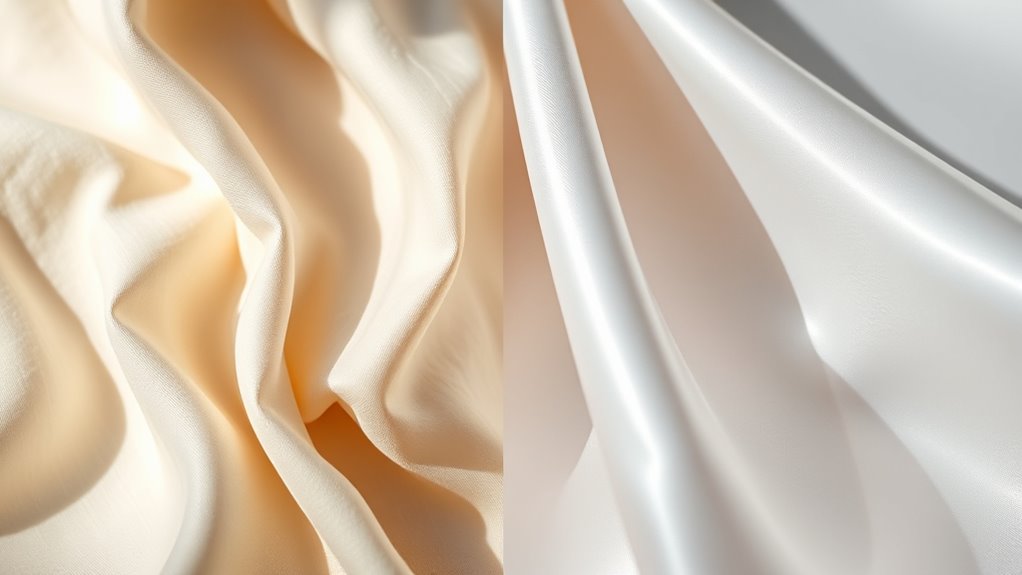

Natural fabrics like cotton and linen breathe better, helping you stay cool and reducing sweat and discomfort. They also trap fewer airborne irritants, lowering allergy risks and protecting sensitive skin from harsh chemicals often found in synthetics. This means fewer skin irritations and healthier contact with your clothes. Plus, natural fibers are generally safer and more eco-friendly. Continue exploring to discover how choosing natural fabrics can improve your comfort and well-being daily.
Key Takeaways
- Natural fabrics promote better breathability and temperature regulation, reducing overheating and sweat buildup for increased comfort.
- They trap fewer airborne particles, lowering allergen exposure and benefiting individuals with respiratory sensitivities.
- Natural fibers contain fewer chemical residues, minimizing skin irritation and making them suitable for sensitive skin or eczema.
- They typically involve less chemical processing, reducing potential health risks associated with chemical treatments in synthetic textiles.
- Natural fabrics are moisture-wicking, helping keep skin dry and preventing fungal or bacterial skin issues.
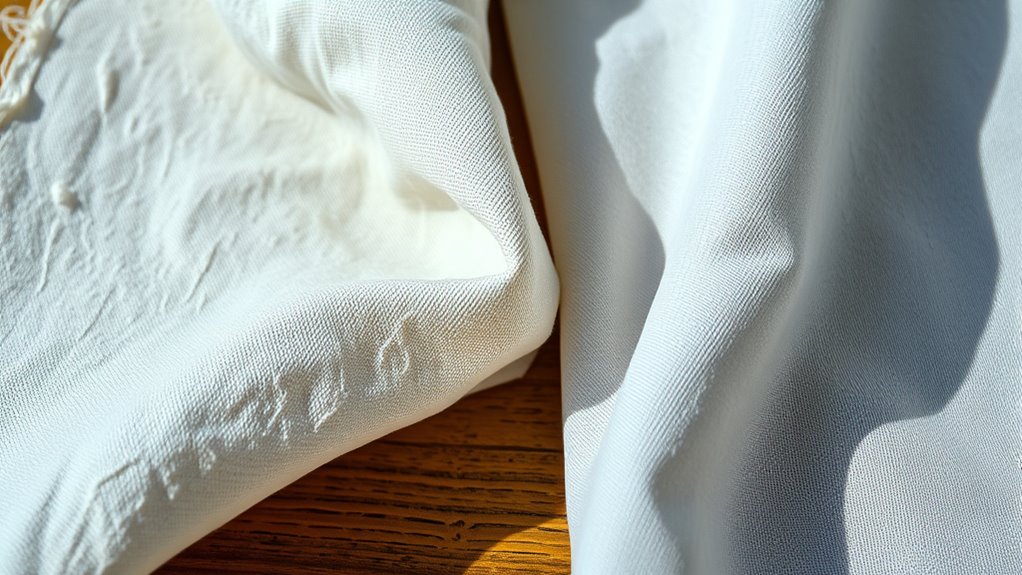
When choosing fabrics for your clothing and bedding, natural materials like cotton, linen, and hemp often provide health advantages over synthetic options. These fabrics are known for their superior breathability, which allows air to circulate freely around your skin. This helps regulate body temperature and reduces sweat buildup, making them especially comfortable during hot weather. Breathability also plays a *crucial* role in allergy prevention. Natural fabrics tend to trap less dust, pollen, and other airborne particles, minimizing your exposure and lowering the risk of allergic reactions. If you’re prone to hay fever or respiratory sensitivities, opting for natural textiles can *significantly* improve your comfort and health.
Choosing natural fabrics like cotton and linen enhances breathability, reduces allergies, and boosts comfort.
In addition to breathability, natural fabrics are generally better at preventing skin irritation. Synthetic materials often contain chemicals used during manufacturing, such as dyes and finishing agents, which can irritate sensitive skin or trigger allergic responses. Natural fibers, on the other hand, are typically less processed and contain fewer chemical residues, reducing the likelihood of skin irritation. This makes them ideal for people with sensitive skin or conditions like eczema. You’ll notice that clothing and bedding made from natural fabrics feel softer and more gentle against your skin, providing a soothing experience that synthetic options sometimes fail to deliver.
Chemical exposure is another *vital* concern when choosing fabrics. Many synthetic textiles are manufactured with chemical treatments to enhance durability, wrinkle resistance, or colorfastness. While these treatments may improve the fabric’s appearance or longevity, they can also pose health risks. Prolonged contact with chemicals embedded in synthetic fabrics might cause skin irritation or, in some cases, more serious health issues. Conversely, natural fabrics are often grown and processed with fewer chemicals, or with safer, biodegradable options. This reduces your overall chemical exposure, especially important if you wear clothing or sleep on bedding for extended periods.
Furthermore, natural fabrics tend to be more breathable and moisture-wicking, which helps keep your skin dry and reduces the chances of fungal or bacterial growth. These properties are beneficial in preventing conditions like rashes, chafing, and infections. Since natural fibers allow your skin to breathe more effectively, they help maintain healthier skin and reduce discomfort caused by trapped moisture or heat. Additionally, the use of high-quality natural fibers can further enhance these benefits by improving durability and maintaining softness over time.
Frequently Asked Questions
Are Natural Fabrics More Eco-Friendly Than Synthetics?
You might wonder if natural fabrics are more eco-friendly than synthetics. Generally, eco-conscious materials like organic cotton or hemp are more sustainable because they come from renewable resources and require less energy to produce. By choosing fabrics with sustainable sourcing, you reduce environmental impact. Natural fabrics often biodegrade faster and involve fewer chemicals, making them a better choice for the planet. Your choices can support a more eco-friendly fashion industry.
How Do Natural Fabrics Affect Skin Allergies?
Thinking about skin allergies is like trying to find a gentle hug; natural fabrics often provide that comfort. They have hypoallergenic properties, meaning they’re less likely to trigger skin sensitivity or irritation. If you have sensitive skin, choosing natural fibers like cotton or silk can reduce allergic reactions and keep your skin happy. Unlike synthetics, natural fabrics breathe better, making them a smart choice for allergy-prone skin.
Do Synthetic Fabrics Release Harmful Chemicals?
You might wonder if synthetic fabrics release harmful chemicals. They can, through chemical leaching, especially when washed or exposed to heat. This process can affect your indoor air quality, releasing volatile organic compounds (VOCs) into your home environment. Choosing natural fabrics reduces this risk, as they typically don’t contain or emit these chemicals, helping you breathe easier and maintain a healthier living space.
Can Natural Fabrics Regulate Temperature Better?
Many believe natural fabrics regulate temperature better, and studies support this. Natural fibers like cotton and wool offer superior breathability comparison, allowing air to circulate more freely. They also excel in moisture wicking efficiency, pulling sweat away from your skin and helping you stay comfortable. Unlike synthetics, natural fabrics adapt to temperature changes, keeping you cooler in heat and warmer in cold weather. So, yes, natural fabrics truly help regulate your body temperature more effectively.
Are Natural Fabrics More Durable Than Synthetic Ones?
You might find that natural fabrics generally offer less fabric longevity and tear resistance compared to synthetics. Synthetics, like nylon and polyester, tend to be more durable, resisting wear and tear over time. Natural fabrics such as cotton and wool can weaken faster and are more prone to tearing, especially with frequent use or washing. So, if durability is your priority, synthetics often outperform natural fabrics in longevity and tear resistance.
Conclusion
Choosing natural fabrics over synthetics is like planting seeds in fertile soil—your body and skin thrive when you make healthier choices. Natural fibers breathe better, reduce irritation, and keep toxins at bay, creating a safer environment for you. By opting for natural fabrics, you’re nurturing your well-being and letting your health grow stronger, just like a flourishing garden. So, pick fabrics that nourish you from the inside out—your body will thank you for it.