

Becoming a holistic health practitioner can take anywhere from a few months to over four years, depending on your chosen educational path. Certification programs usually last less than a year, while a bachelor's degree in holistic health takes about four years. Advanced degrees, like a master's or doctoral program, require additional years of study. Gaining practical experience through internships is essential too. There's a lot more you can discover about your journey in holistic health.

Get your wardrobe favorites delivered free — and shop member deals
- Fast, free delivery on millions of items
- Access to Prime Big Deal Days deals on October 6–7
- Prime Video, Amazon Music and more included
Key Takeaways
- Certification programs can be completed in under a year, focusing on specific holistic health areas.
- A bachelor's degree in holistic health typically requires about four years of study.
- A master's degree may add an additional one to two years to the educational timeline.
- Some specialized certifications, like massage therapy, can be achieved in less than a year.
- Practical experience through internships is essential and may extend the overall time to certification.
Overview of Holistic Health Practitioner Training
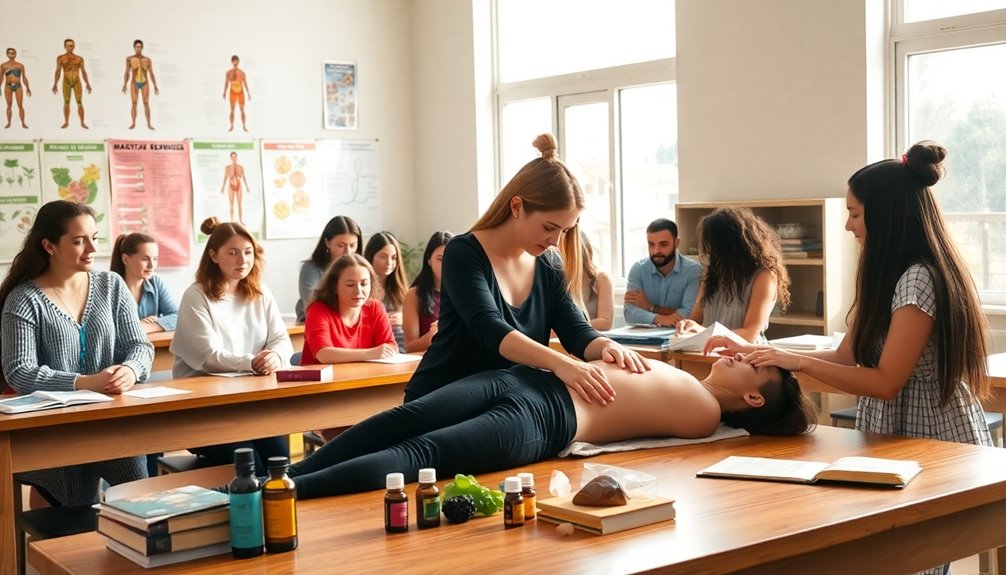
Becoming a holistic health practitioner involves a structured yet flexible training journey tailored to your interests. Your training program can range from one to over four years, depending on your focus.
Most programs offer certification or diplomas, while advanced degrees like a Master's or Doctorate are available for specialized fields like holistic medicine. You'll gain education in various disciplines, including nutrition, acupuncture, and naturopathy, with requirements varying based on your chosen area.
Practical experience is vital, often obtained through internships or volunteer roles in holistic health settings. To maintain your edge, continuing education is essential for holistic health practitioners, ensuring you stay updated on alternative medicine practices and enhance your skills as a healthcare professional.
Educational Pathways and Degree Requirements
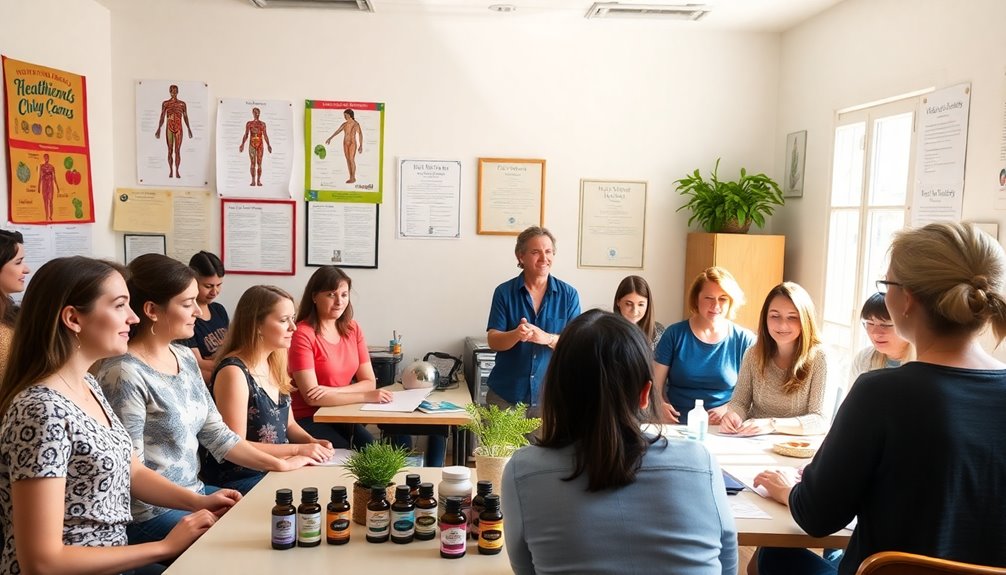
While there are various educational pathways to becoming a holistic health practitioner, each route offers unique opportunities and challenges.
Here are three common pathways you might consider:
- Certification programs: These often last under a year and focus on specific areas like massage therapy or acupuncture.
- Holistic health programs: These typically require 1-4 years of study, leading to diplomas or certificates in fields such as nutrition.
- Advanced degrees: Pursuing a four-year doctoral program in naturopathic medicine will provide extensive training and knowledge.
Regardless of your chosen path, expect to gain practical experience through internships and commit to continuous education to maintain your skills as a holistic practitioner.
Understanding these degree requirements is essential for your success in this rewarding field.
Specialized Training and Certifications

Specialized training and certifications play an essential role in your journey as a holistic health practitioner. These programs can take less than a year for certifications in fields like massage therapy, or several years for degrees in naturopathic medicine.
Certification programs often require coursework and passing exams to guarantee your competency. By pursuing additional certifications from organizations like the National Certification Commission, you can enhance your credentials and improve job prospects.
Many training programs blend theoretical coursework with practical experience, necessitating a set number of clinical hours. Continuing education is vital, as engaging in advanced courses, workshops, and conferences keeps you updated on the latest practices, ultimately benefiting your career as a holistic health practitioner. Prioritizing balanced nutrition is also crucial for your overall wellness as you embark on this journey.
Practical Experience and Internships

Gaining practical experience is essential for your development as a holistic health practitioner, as it allows you to apply theoretical knowledge in real-world settings.
Engaging in internships and clinical hours under supervision helps you build crucial skills. Here are three effective ways to gain practical experience:
- Internships: Work alongside experienced holistic health practitioners to learn about patient care and holistic practices.
- Workshops: Participate in workshops to enhance your knowledge and network with professionals in the field.
- Shadowing: Observe seasoned practitioners to gain insight into treatment methodologies and approaches.
These experiences won't only refine your skills but also expand your professional network, setting a solid foundation for your career in holistic health.
Timeline Summary for Becoming a Holistic Health Practitioner

After you've built practical experience through internships and workshops, you'll want to focus on the timeline for becoming a holistic health practitioner.
Generally, certification programs can take a few months to a year, while a bachelor's degree in holistic health requires about four years. If you pursue a master's degree, expect an additional one to two years of study.
Some programs, like massage therapy, might only take less than a year. As you navigate these timelines, remember that gaining practical experience is essential and may extend your journey.
Your career paths could include working in healthcare settings, utilizing stress management techniques, and applying alternative therapies, all of which enhance your certification in holistic health practices.
Frequently Asked Questions
How Do I Start a Career in Holistic Health?
To start a career in holistic health, first research the specific area that fascinates you, like acupuncture or nutrition.
Then, enroll in a relevant program or degree that suits your goals.
Consider obtaining certifications from reputable organizations to boost your credentials.
Gaining practical experience through internships or volunteering is essential for building your skills and network.
Finally, decide where you want to work, whether in private practice, holistic centers, or self-employment.
What Holistic Job Makes the Most Money?
If you're looking for a high-paying holistic job, consider becoming a naturopathic doctor or acupuncturist.
Both can earn a median salary of around $82,420, depending on your experience and location.
While massage therapists offer essential services, their median salary is lower at $43,620.
Specialized roles like Ayurvedic practitioners and herbalists can yield varied incomes, so your potential earnings often depend on your clientele and business model.
How Long Does It Take to Get a Certificate in Holistic Health?
Did you know some holistic health certificate programs can be completed in just six months?
If you're considering getting certified, the duration typically ranges from a few months to a year, depending on the program.
You'll usually need around 300-600 hours of training, combining classroom instruction and hands-on experience.
If you choose an online program, you might enjoy more flexibility, allowing you to set your own pace within a designated timeframe.
Is It Hard to Become a Holistic Health Practitioner?
Becoming a holistic health practitioner can be challenging, but it's also incredibly rewarding.
You'll navigate a diverse range of modalities, which requires dedication and a willingness to learn. While the coursework and practical experience may seem intimidating, your passion for helping others can drive you forward.
Engaging in internships or volunteer work enhances your skills, making the journey worthwhile.
With persistence and determination, you'll find the path fulfilling and enriching.
Conclusion
In your journey to become a holistic health practitioner, you'll discover that commitment, education, and experience are key. You'll embrace learning, you'll pursue certifications, and you'll gain hands-on experience. Each step you take brings you closer to a fulfilling career, where you'll empower others, promote wellness, and transform lives. So, whether it's through formal education or personal growth, remember that your path is uniquely yours, and every moment spent is a step toward your calling.
Fall Picks
fall essentials
As an affiliate, we earn on qualifying purchases.