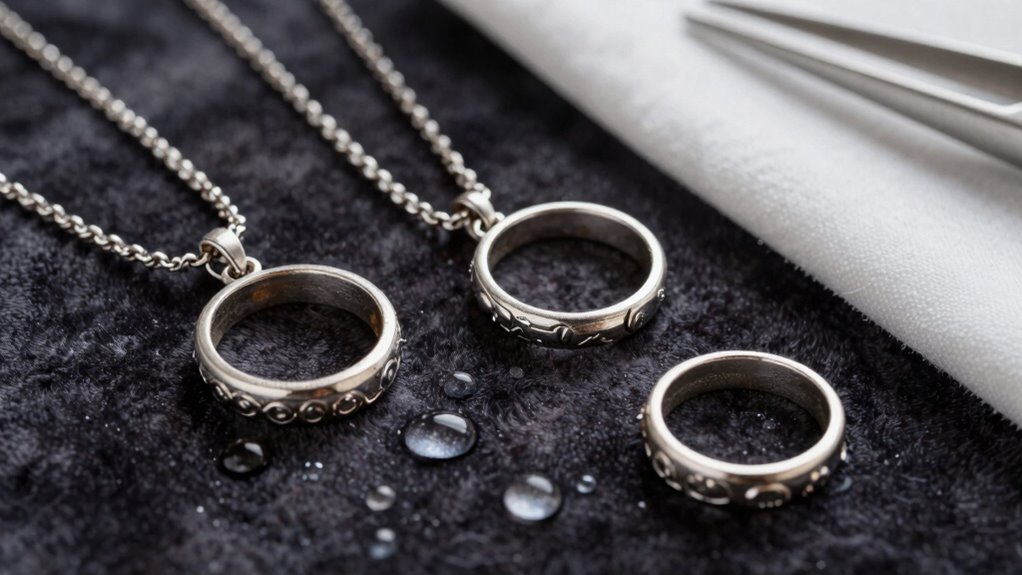

To prevent tarnish, store your jewelry in anti-tarnish pouches or compartments, avoiding humidity and sunlight. Regular wear helps maintain shine through natural oils, but you should also clean jewelry gently with mild soap and warm water, avoiding harsh chemicals like bleach or ammonia. Proper handling and storage are key to keeping your pieces looking their best for years. Keep going to discover more tips for safe cleaning and long-lasting jewelry care.

Get your wardrobe favorites delivered free with Prime
- Fast, free delivery on millions of items
- Prime Video, Amazon Music and more included
- Member-only deals all year
Key Takeaways
- Store jewelry in anti-tarnish pouches or compartments away from humidity and sunlight.
- Wear jewelry regularly to help maintain shine through natural skin oils.
- Avoid harsh chemicals, abrasives, bleach, ammonia, and baking soda during cleaning.
- Use gentle cleaning methods like mild soap and warm water or specialized jewelry cleaners.
- Keep jewelry dry and handle with care to prevent tarnish buildup and preserve its integrity.
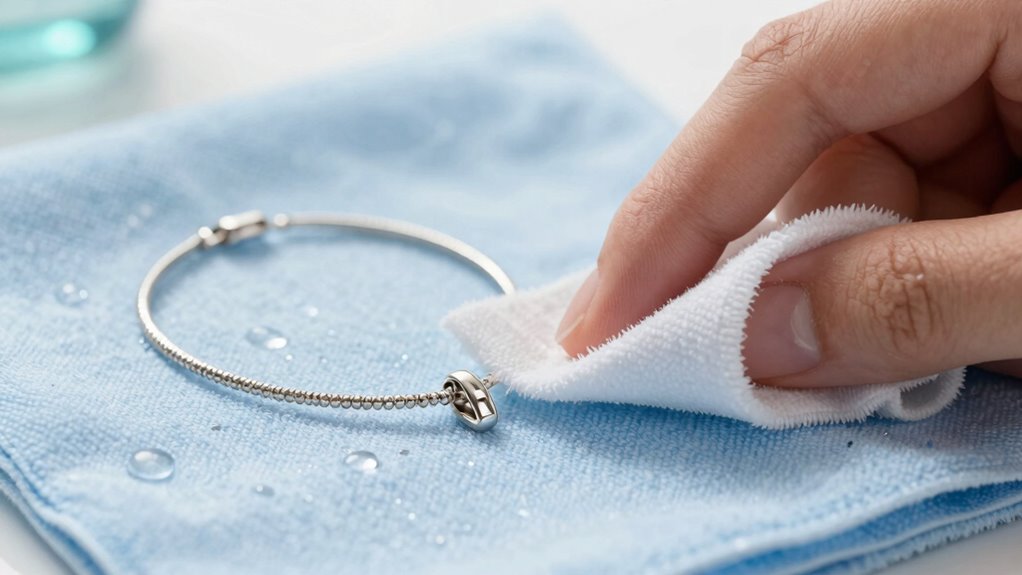
Have you ever wondered how to keep your jewelry looking stunning for years to come? Proper care is essential, especially when it comes to preventing tarnish and knowing how to clean your pieces safely. If you own vintage jewelry, you know that many of these pieces hold historical value and unique craftsmanship. Restoring vintage jewelry requires a careful approach to maintain its charm, making vintage restoration an important part of caring for older pieces. Before cleaning, you should focus on material identification—knowing what your jewelry is made of helps you choose the right cleaning method. Different materials, such as gold, silver, platinum, or costume jewelry, each have specific needs. For example, delicate gemstones or porous materials like coral and turquoise require gentle handling, while metal-based pieces can withstand more robust cleaning.
Tarnish is one of the biggest enemies of jewelry, especially for silver and certain alloys. It forms over time when the metal reacts with sulfur compounds in the air, dulling the shine and sometimes creating unsightly spots. To prevent tarnish, you can store your jewelry in anti-tarnish pouches or compartments, away from humidity and direct sunlight. Regularly wearing your jewelry can also help, as the natural oils from your skin can slow down tarnishing. When cleaning, avoid harsh chemicals or abrasive materials that could scratch or damage your pieces. Instead, opt for gentle cleaning solutions, such as a mixture of mild soap and warm water, or use specially formulated jewelry cleaners designed for specific materials.
For vintage restoration, sometimes you need to go beyond simple cleaning. If your older jewelry has accumulated significant tarnish or damage, consider consulting a professional. They can carefully restore the piece without compromising its integrity or historical value. Proper material identification is crucial because different jewelry materials require tailored cleaning methods to avoid damage. When cleaning at home, use soft cloths or brushes to gently remove dirt and tarnish, and always dry your jewelry thoroughly afterward. Never use bleach, ammonia, or baking soda on delicate jewelry, as these can cause irreversible damage. If you’re unsure about the material identification of a piece, test a small, inconspicuous area first or seek expert advice. Proper care, gentle cleaning, and storage are key to preserving your jewelry’s beauty and ensuring it remains a treasured part of your collection for years to come. Additionally, understanding biodiversity and sustainable practices can help you choose environmentally friendly cleaning methods and storage solutions that support conservation efforts. Incorporating eco-friendly materials into your jewelry care routine can also reduce your environmental impact. Taking an environmentally conscious approach to jewelry maintenance not only benefits your collection but also contributes to environmental preservation efforts. Being mindful of the environmental impact of your cleaning products and storage choices can help promote a healthier planet while maintaining your jewelry.
As an affiliate, we earn on qualifying purchases.
Frequently Asked Questions
Can Certain Foods Damage Jewelry or Cause Tarnishing?
Certain foods can damage jewelry or cause tarnishing because food acids trigger chemical reactions on metal surfaces. Citrus fruits, vinegar, and tomatoes contain acids that can corrode or discolor jewelry over time. When you handle or eat these foods, acids may come into contact with your jewelry, leading to tarnish or damage. To keep your jewelry in good condition, avoid exposing it to food acids and clean it regularly.
How Often Should I Have My Jewelry Professionally Cleaned?
You should have your jewelry professionally cleaned every 6 to 12 months, depending on how often you wear it. Regular cleanings help maintain its shine and remove dirt that home cleaning techniques might miss. Proper jewelry storage, like keeping pieces in soft pouches or jewelry boxes, prevents tarnishing. Professional cleaning techniques use gentle yet effective methods, ensuring your jewelry stays beautiful without damage, prolonging its lifespan.
Are There Eco-Friendly Cleaning Options for Jewelry?
Think of eco-friendly cleaning options as nature’s gentle touch for your jewelry. You can use natural tarnish removal methods like baking soda paste or vinegar soak, which are effective and safe for the environment. Many brands now offer eco-friendly cleaning solutions made from biodegradable ingredients. Switching to these options not only preserves your jewelry but also reduces harmful chemicals, making your cleaning routine kinder to the planet.
What Signs Indicate My Jewelry Needs Repair or Special Care?
If your jewelry shows signs like loose stones, bent prongs, or clasps that don’t lock properly, it’s time for repair. Pay attention to jewelry durability—if pieces feel weak or start to crack, they need professional help. Repair indicators also include scratches, discoloration, or missing parts. Addressing these issues promptly keeps your jewelry in good shape and prevents further damage, ensuring your pieces stay beautiful and functional.
How Does Humidity Affect Jewelry Tarnish Prevention?
Humidity levels considerably impact tarnish prevention because high humidity promotes oxidation, leading to tarnish on your jewelry. To keep your pieces looking their best, store them in a dry environment with low humidity. Using anti-tarnish strips or silica gel packs helps maintain tarnish resistance. Regular cleaning and proper storage can also minimize the effects of humidity, ensuring your jewelry stays shiny and beautiful longer.
Conclusion
Taking care of your jewelry isn’t just about maintaining its shine—it’s about protecting a treasure that’s as precious as the crown jewels. By preventing tarnish and cleaning safely, you keep your pieces looking dazzling for generations. Think of your jewelry as a shining beacon of your unique style, capable of turning heads like a supernova in a midnight sky. Treat it with love, and it’ll reward you with brilliance that’s truly out of this world.
Columbus Day / Indigenous Peoples' Day Picks
long weekend sales
As an affiliate, we earn on qualifying purchases.