
When ordering cross-border, you’ll face customs duties based on your items’ value, type, and local regulations. These taxes can vary and may include tariffs, VAT, or processing fees, with some countries offering duty-free thresholds. Proper documentation, like invoices and permits, helps avoid delays or confiscation. Customs authorities enforce rules to protect health and safety, so understanding these procedures is key. Keep exploring to learn how to simplify your import process and manage costs effectively.
Key Takeaways
- Import duties vary based on item type, value, and country-specific regulations; thresholds may allow duty-free limits.
- Accurate customs documentation and declarations ensure smooth processing and help avoid delays or fines.
- Trade agreements can reduce or eliminate import taxes for cross-border orders.
- Customs authorities enforce regulations, requiring permits for restricted items and safeguarding health and safety.
- Knowing applicable import thresholds and taxes aids in cost management and budget planning.

When ordering products from abroad, understanding duty and customs processes is vital to guarantee your package arrives smoothly. One of the key aspects to be aware of is import taxes, which are fees imposed by your country’s customs authority on goods brought in from other nations. These taxes vary depending on the item’s value, type, and the specific import regulations in place. Knowing how these taxes are calculated and applied can help you budget accordingly and avoid surprises at delivery. Many countries assign a threshold value under which goods can be imported duty-free, so familiarizing yourself with these limits saves you from unnecessary costs. Additionally, import taxes can sometimes be mitigated through specific trade agreements, but it’s essential to verify if your purchase qualifies under such arrangements. Understanding the role of import duties in the overall customs process can help prevent unexpected expenses and delays.
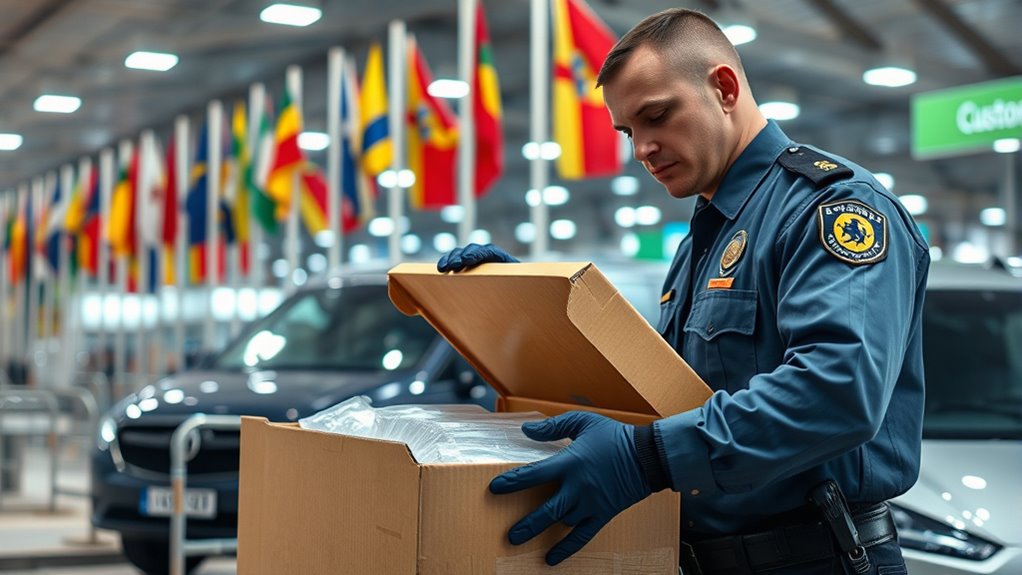
Equally important are the import regulations that govern what can and cannot be shipped into your country. These rules are designed to protect local industries, public health, and safety, but they can also be complex and vary widely between nations. When ordering, you should check if the product you’re importing complies with local standards and restrictions. For example, certain electronics, food items, or pharmaceuticals may require special permits or certifications. Failing to adhere to these regulations can result in your package being held at customs, returned to the sender, or even confiscated. Customs authorities also require accurate documentation, such as invoices and shipping labels, to process your order efficiently. Misdeclaring the value or contents of a package can lead to fines or delays, so transparency is always the best approach.
Understanding import regulations also involves knowing what documentation you need to provide when your package arrives. Customs declarations must be truthful and detailed, listing every item and its value. This paperwork helps customs determine the applicable import taxes and whether your shipment complies with local laws. In some cases, you might need additional permits or licenses for specific products, especially if they’re restricted or controlled substances. Staying informed helps prevent holdups and ensures your shipment clears customs without issues.
Frequently Asked Questions
How Do I Estimate Customs Duties Before Ordering?
To estimate customs duties before ordering, you should check your country’s importing restrictions and use duty calculation methods like ad valorem or specific duties. Research online tools or contact customs authorities for accurate info. Consider product classification, value, and origin to get a precise estimate. This helps you avoid surprises and ensure your order complies with regulations, making the process smoother and more predictable.
Are There Items Prohibited From Cross-Border Shipping?
You should check for prohibited items before shipping cross-border, as Customs restrictions vary by country. Items like firearms, drugs, and certain electronics are often banned or limited. Always review your destination’s customs regulations to avoid delays or confiscation. If you’re unsure, consult the customs authority or shipping service for a list of prohibited items. Staying informed guarantees smooth delivery and compliance with all customs requirements.
What Documentation Is Required for Customs Clearance?
Imagine your package is like a passport; it needs the right stamps to cross borders smoothly. You’ll need shipping documentation, including a detailed customs declaration that describes the contents and their value. Make certain all forms are accurate and complete to avoid delays. Proper customs paperwork acts as your package’s passport, helping it clear customs quickly and reach its destination without issues.
How Long Does Customs Processing Typically Take?
Customs processing usually takes between 24 to 72 hours, but it can vary based on factors like tariff classifications and import restrictions. You might experience delays if your shipment requires detailed inspection or if there are issues with documentation. To speed things up, verify all paperwork is accurate and complete, and be aware of any specific import restrictions for your country. Staying proactive helps your order clear customs more quickly.
Can I Avoid Customs Fees With Certain Shipments?
You might avoid customs fees if your shipment qualifies for a duty exemption, but this depends on your country’s shipping restrictions and the value of your package. To increase your chances, check if your items are eligible for duty-free status and make certain they meet specific criteria. Keep in mind that some shipments may still incur fees despite these exemptions, so always verify with customs regulations before sending.
Conclusion
Managing duty and customs for cross-border orders might seem complex, but understanding the basics can make it straightforward. By staying informed and prepared, you can avoid surprises and ensure smooth deliveries. Isn’t it worth taking a few extra steps to save time and money? Remember, knowing the rules empowers you to handle international orders confidently. So, next time you shop across borders, are you ready to manage customs like a pro?