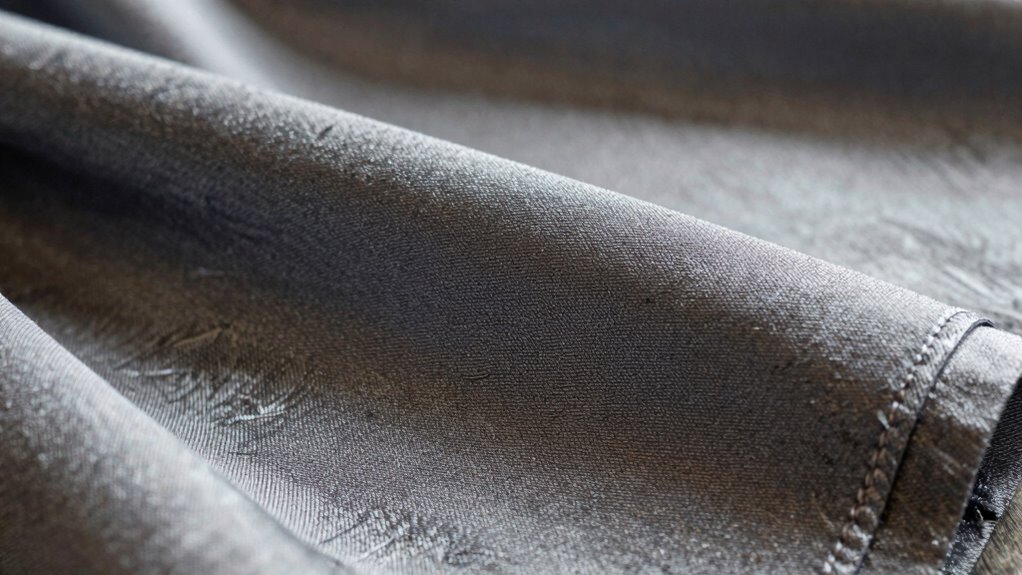

To judge “premium” materials in listings without touching, focus on detailed descriptions that mention durability, wear-resistance, or high-quality finishes. Examine high-resolution photos for fine details, uniformity, and craftsmanship, as flaws can reveal lower quality. Check reviews for consistency in claims about longevity and premium feel. Recognize reputable brands and sourcing info, as they often adhere to strict standards. Keep exploring to uncover tips that help you spot genuine high-end materials with confidence.

Get your wardrobe favorites delivered free — and shop member deals
- Fast, free delivery on millions of items
- Access to Prime Big Deal Days deals on October 6–7
- Prime Video, Amazon Music and more included
Key Takeaways
- Look for descriptive keywords like “long-lasting,” “wear-resistant,” or “luxury-grade” in the listing.
- Examine high-resolution photos for uniformity, fine details, and absence of flaws indicating quality.
- Check for detailed material origin or sourcing information to verify authenticity.
- Consider the reputation of the brand and positive reviews emphasizing durability and premium quality.
- Cross-reference the product description and feedback for consistent claims of high-end material standards.
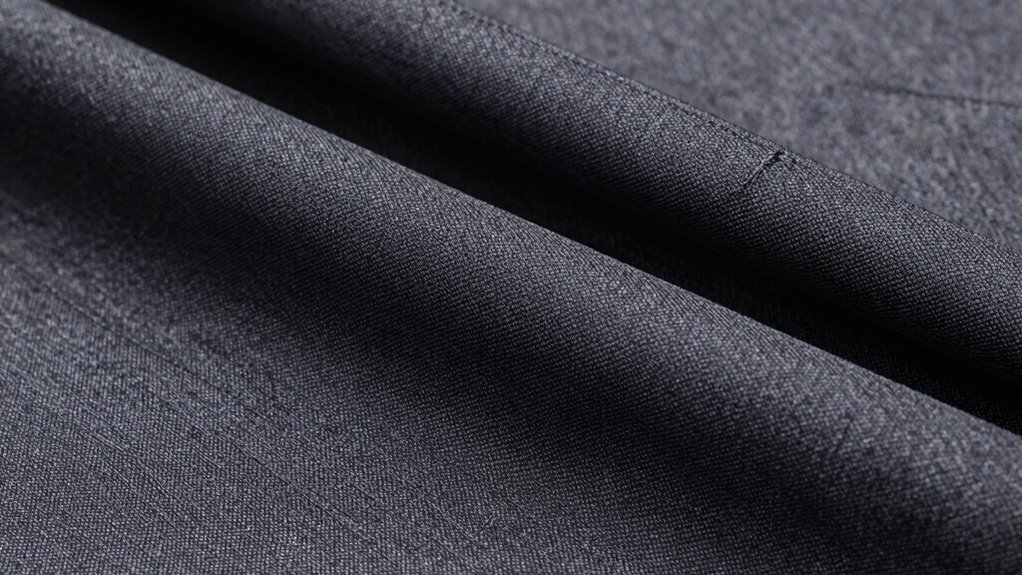
Have you ever wondered how to tell if a listing truly features premium materials? Even without touching the item, you can gain valuable insights by paying close attention to details in the description and the seller’s reputation. First, consider the material durability. High-quality materials tend to be more resilient over time, resisting wear, fading, or damage. Look for specific mentions of durability in the listing—words like “long-lasting,” “wear-resistant,” or “premium-grade” can be telltale signs. If the description emphasizes that the material holds up well under regular use, it’s a good indicator that the seller is confident in its quality. Keep in mind, though, that some listings might use vague language, so it’s wise to cross-reference these claims with other clues, like brand reputation.
Another useful tip is to examine the material specifications, as detailed descriptions often provide insights into the quality and origin of the materials used. Paying attention to material origins can also help in assessing whether the materials are genuinely premium, since reputable sources often adhere to higher standards. Recognizing the importance of material sourcing can further assist in evaluating authenticity and quality. Additionally, understanding the standards and certifications associated with certain materials can verify their premium status and compliance with industry benchmarks. To deepen your understanding, researching the certifications and standards associated with certain materials can offer additional assurance of their premium status. Speaking of brand reputation, it plays an essential role in evaluating whether the materials are genuinely premium. Well-known brands often have established standards for the quality of their materials, and their products typically undergo rigorous testing. If you see a brand name attached to the listing, do a quick search to see what others say about their materials. Reputable brands usually have reviews or testimonials that confirm the longevity and authenticity of their premium materials. If the seller mentions the brand explicitly, and that brand is recognized for its high standards, you can feel more confident that the listing features genuine premium materials.
Another way to judge quality without touching the item is to analyze the photos carefully. High-resolution images can reveal fine details—such as the weave of fabric, the grain of wood, or the finish of metal—that hint at material quality. Look for uniformity, smoothness, and absence of flaws or irregularities. A well-crafted image often signifies that the seller takes pride in their product, which correlates with the use of high-quality materials.
Additionally, read through the product description and reviews if available. Sellers who confidently state that their product uses “top-tier materials” or “luxury-grade” components are more likely to be truthful, especially if backed by positive feedback. Cross-check any claims about material quality with other listings from the same seller or brand. Consistent descriptions and reviews that praise durability and premium quality reinforce the impression that the listing genuinely features high-end materials.
luxury-grade furniture materials
As an affiliate, we earn on qualifying purchases.
As an affiliate, we earn on qualifying purchases.
Frequently Asked Questions
Can Online Photos Reliably Show Material Quality?
Online photos can give you a decent idea of material authenticity, but they aren’t foolproof for judging quality. You rely on clear, detailed images for visual inspection, which helps spot obvious flaws or fake-looking textures. However, photos can be misleading due to lighting or editing. Always ask for additional images or information, and consider reviews or seller reputation to better assess the true material quality before making a decision.
What Are Common Signs of False Premium Labeling?
You can spot false premium labeling by examining luxury branding details that seem exaggerated or inconsistent. Look for vague descriptions instead of specific material names, and check if the seller provides material certification or authenticity documents. Fake premium items often lack genuine branding cues or have poor-quality images. Relying on these signs helps you avoid deceptive listings, ensuring you purchase authentic, high-quality products.
How Do Brand Reputation Influence Material Perception?
A good reputation often speaks louder than words; it influences how you perceive the materials used. When evaluating listings, trust brands known for authenticity and transparent material sourcing. If a brand has a solid reputation, you’re more likely to believe their claims of premium quality. Their history assures you that the materials are genuine, making it easier to distinguish true premium items from fakes or lesser quality products.
Are There Specific Keywords Indicating High-Quality Materials?
Yes, certain keywords indicate high-quality materials. Look for material terminology like “sustainable,” “natural,” or “handcrafted,” which suggest premium quality. Descriptive adjectives such as “luxurious,” “premium,” “artisan,” or “exquisite” also signal superior materials. When listings highlight these keywords, it’s a good sign that the item is made from high-quality, durable materials. Pay attention to these cues to make an informed judgment without touching the product.
How Can I Verify Material Claims From Seller Reviews?
Like a modern-day Sherlock, you can verify material claims from seller reviews by focusing on mentions of material authenticity and seller transparency. Look for reviews where buyers describe their experiences, noting any inconsistencies or confirmations about the quality. Trust reviews that detail the feel, look, or durability, and beware of vague praise. This approach helps you gauge if the seller genuinely offers premium materials without physically touching the item.
Conclusion
So, when you’re browsing listings, think of yourself as a detective searching for clues—scrutinize the details, ask questions, and trust your instincts. Just like tasting a fine wine reveals its quality, examining the nuances in descriptions and images can help you spot “premium” materials without touching. Remember, your confidence grows with practice—soon, you’ll effortlessly distinguish genuine luxury from mere pretenders, turning every purchase into a satisfying win.
Fall Picks
fall essentials
As an affiliate, we earn on qualifying purchases.