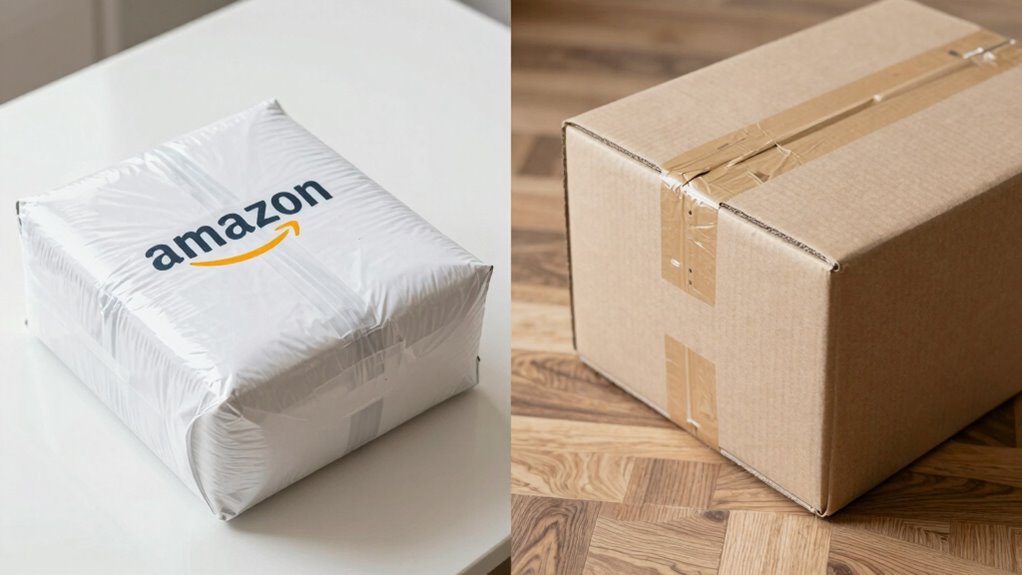

When shopping on Amazon, choosing products sold directly by Amazon means you’re more likely to get authentic items with better quality controls and secure purchase protections. Buying from third-party sellers can introduce risks like counterfeit products or inconsistent quality, but you can reduce these risks by checking seller ratings, reviews, and verifying Amazon’s purchase guarantees. Stick with high-rated sellers, and you’ll find safer options; explore more to learn how Amazon keeps you protected.
Key Takeaways
- “Sold by Amazon” indicates direct sales with official packaging and stricter quality controls.
- Third-party sellers may have variable product quality and packaging, increasing counterfeit risks.
- Amazon verifies and monitors seller credentials to ensure safety, suspending non-compliant sellers.
- Check seller ratings, reviews, and feedback to assess trustworthiness and authenticity.
- Use secure payment methods, review return policies, and prioritize high-rated sellers for safer purchases.
How Amazon Differentiates Between Sold by Amazon and Third-Party Sellers
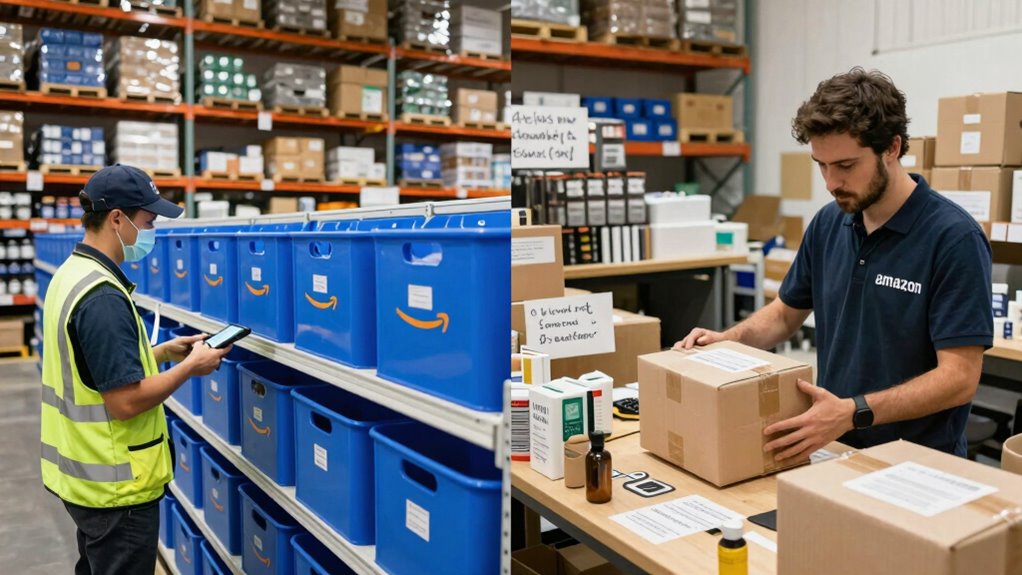
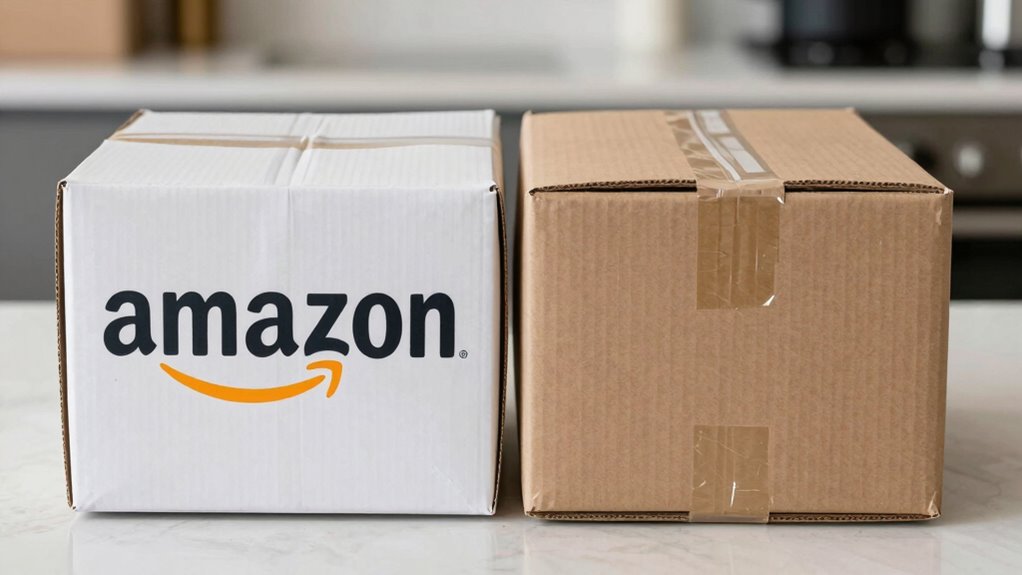
Amazon clearly distinguishes between products sold directly by its own warehouses and those offered by third-party sellers. You’ll notice this difference on product listings, where “Sold by Amazon” indicates direct sales, and “Sold by [Seller Name]” shows third-party involvement. Amazon uses various methods to help you identify these sources, including labels and seller ratings. Seller ratings and reviews provide additional insights into the reliability of third-party sellers. A variety of pricing strategies are employed, with Amazon often offering competitive prices for its own inventory, while third-party sellers set their own prices, which can fluctuate. Product packaging can differ too; Amazon-controlled items typically feature official packaging, while third-party sellers might use their own or generic packaging. Recognizing these differences helps you make informed decisions and understand the origins of the products you buy. Additionally, the quality control standards for products sold by Amazon tend to be more consistent, offering an extra layer of assurance. Monitoring website performance metrics, such as seller ratings and customer feedback, can further assist in assessing sellers’ trustworthiness. Furthermore, supply chain transparency plays a key role in ensuring product authenticity and quality assurance, helping to prevent counterfeit or substandard items from reaching consumers.
What Safety Measures Amazon Has in Place for Listings
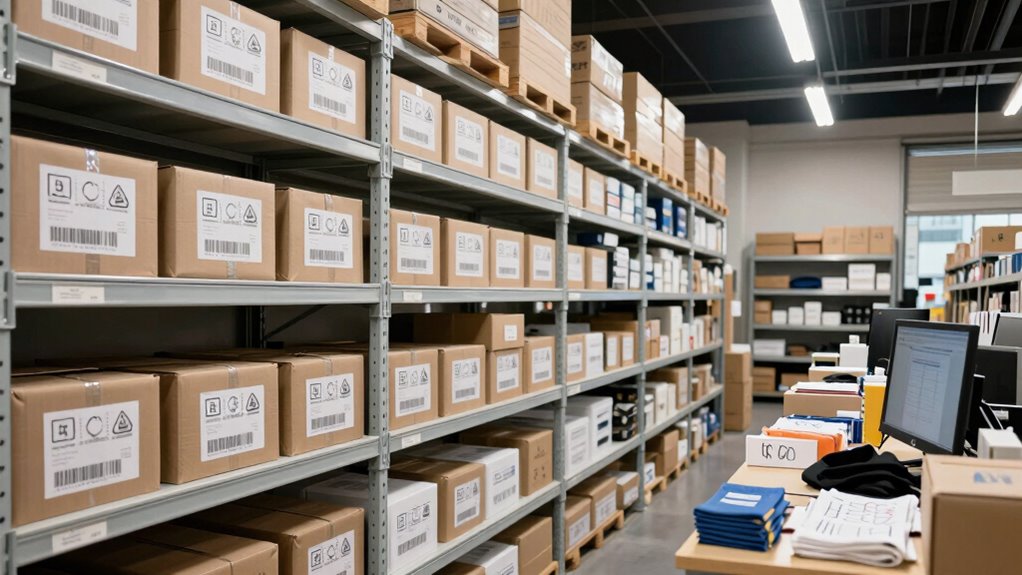
Amazon has strict safety measures to guarantee product authenticity and protect buyers. They regularly verify listings and conduct background checks on sellers to maintain quality. These steps help you shop confidently, knowing Amazon is working to prevent counterfeit products. Additionally, Amazon offers a variety of energy-efficient options for certain products, ensuring safer and more sustainable choices for consumers. Implementing robust seller verification processes further enhances trust and safety across their marketplace. Incorporating product safety standards into their policies demonstrates Amazon’s commitment to a secure shopping environment. Understanding bank SWIFT/BIC codes can also be crucial when making international transactions to ensure secure and accurate payment processing. Staying informed about marketplace safety regulations allows consumers to recognize trustworthy listings and avoid potential fraud.
Product Authenticity Verification
To guarantee that products listed on its platform are genuine, Amazon employs a range of verification measures designed to prevent counterfeit items from reaching customers. These include advanced counterfeit detection systems that analyze listings for suspicious patterns, and strict supply chain transparency requirements to ensure authentic sourcing. Amazon also monitors seller behaviors and product reviews to identify potential fakes early. Additionally, they use specialized algorithms to flag counterfeit signs and enforce policies that remove counterfeit listings swiftly. Amazon’s proactive approach helps protect you from fake products and maintains trust in the marketplace. Vetting processes and compliance protocols further ensure product authenticity and safety. Moreover, Amazon collaborates with brands and rights holders through brand registry programs, which provide additional layers of verification and control over product listings. These efforts are complemented by ongoing advancements in product authentication technology, which further enhance the accuracy of authenticity checks. The platform’s use of verification systems ensures continuous monitoring and prompt action against counterfeit listings, reinforcing buyer confidence. Enhanced monitoring tools also enable quick detection of suspicious listings, helping to uphold marketplace integrity.
Seller Background Checks
Because ensuring the credibility of sellers is essential for a safe shopping experience, Amazon conducts thorough background checks before approving new sellers. This seller screening process verifies their identity, business credentials, and past conduct to prevent fraud and counterfeit listings. Amazon reviews seller background information, including legal and financial histories, to assess trustworthiness. They also monitor ongoing seller performance, ensuring adherence to safety standards and policies. If a seller fails to meet Amazon’s criteria or engages in suspicious activity, their account can be suspended or removed. This diligent seller screening process helps keep unsafe or untrustworthy sellers off the platform, giving you confidence that products sold by Amazon meet strict safety and authenticity standards. Additionally, seller background checks include ongoing monitoring to maintain a safe marketplace environment, with continuous assessments aimed at upholding trustworthy seller standards. Regular verification procedures further ensure that only compliant and reputable sellers remain active on the platform.
What Are the Risks of Buying From Third-Party Sellers?

Buying from third-party sellers can be risky because their products and practices vary widely. You might encounter fraudulent listings or counterfeit products that look legitimate but are substandard or unsafe. These sellers may also delay shipping or provide poor customer service, making it hard to resolve issues. Additionally, with the rapid evolution of digital platforms and content creation trends, the authenticity and quality of products from third-party sellers can become even more uncertain. Risks include: – Receiving damaged or expired items – Falling for fake or counterfeit products – Paying higher prices for inferior goods – Difficulty verifying seller credibility – Lack of reliable return or refund options Because of these risks, it’s essential to scrutinize seller ratings and reviews carefully. Always be cautious of deals that seem too good to be true, and consider sticking to trusted sellers to avoid potential scams or unsafe products. Seller reputation plays a crucial role in ensuring a safe purchase experience, especially since trustworthiness and transparency are key factors in evaluating third-party sellers. Moreover, understanding how product authenticity impacts safety can help you make more informed decisions. Additionally, researching smart home device certifications can provide reassurance about product safety standards and compatibility.
How to Recognize Trustworthy Third-Party Sellers on Amazon

To spot trustworthy third-party sellers, start by checking their ratings and reviews to see how previous customers feel about their experiences. Look for sellers with high ratings and lots of positive feedback, which indicates reliability. Also, confirm that the products are authentic to avoid counterfeit items and ensure you’re getting what you pay for. Additionally, paying attention to the seller’s experience and training can help you gauge their professionalism and commitment to quality. Recognizing support options like responsive customer service and clear return policies can further assure you of their credibility.
Verify Seller Ratings
Checking seller ratings on Amazon is a quick and effective way to identify trustworthy third-party sellers. A high seller rating indicates positive customer experiences and reliable service, boosting your confidence in the purchase. Look for sellers with a rating of 95% or higher to guarantee quality and product authenticity. Also, review the number of ratings—more reviews mean more reliable feedback. Pay attention to recent reviews for current performance. Consider sellers with consistent positive feedback over time, not just a high rating from a handful of buyers.
- Check the seller’s overall rating percentage
- Read recent customer reviews for insights
- Look for detailed feedback on product authenticity
- Notice how quickly the seller responds to issues
- Verify the seller’s history of completed transactions
Check for Authenticity
Verifying the authenticity of products is key to guaranteeing you’re dealing with a trustworthy third-party seller on Amazon. To avoid counterfeit scams, look for detailed product descriptions, clear images, and consistent branding. Check seller reviews and feedback for reports of fake items or issues with warranty claims. Trustworthy sellers often provide genuine products backed by valid warranties. Be cautious of listings with suspiciously low prices or vague seller information. Use the seller’s storefront to validate their reputation. Here’s a quick guide:
| Indicator | What to Look For | Why It Matters |
|---|---|---|
| Verified Seller Badge | Seller has Amazon’s badge | Indicates trusted seller |
| Authentic Branding | Clear, professional images | Ensures genuine products |
| Customer Feedback | Positive reviews | Reflects product authenticity |
| Return & Warranty Policies | Clear policies listed | Protects against counterfeit scams |
| Detailed Product Info | Accurate descriptions | Reduces fake product risk |
How Seller Ratings and Feedback Help You Shop Safely
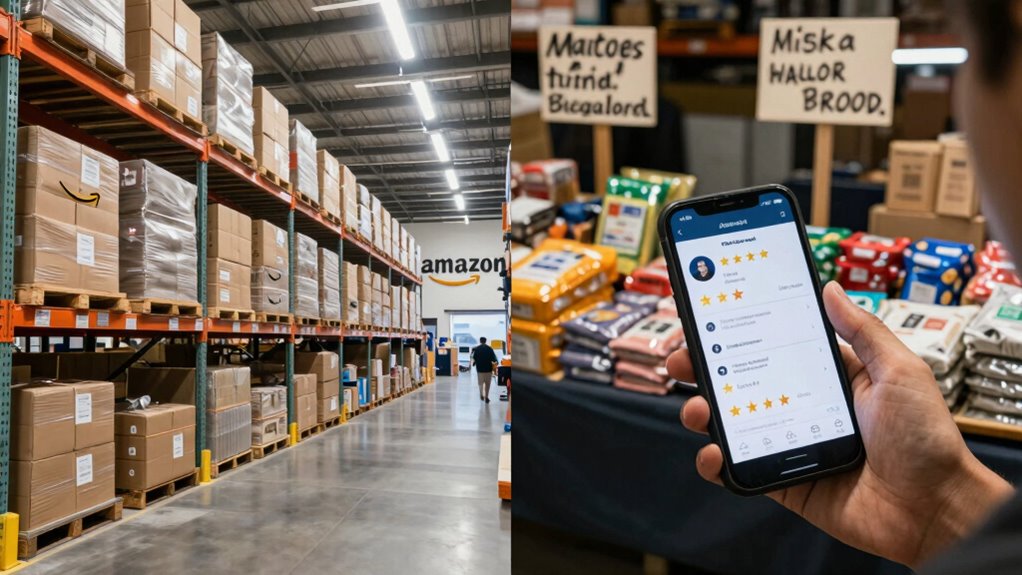
Seller ratings and feedback are essential tools that help you make safer purchasing decisions online. They give you insight into the seller’s reputation and the experiences of previous buyers, highlighting their reliability and trustworthiness. By paying attention to feedback importance, you can spot patterns of satisfied or dissatisfied customers, reducing the risk of scams or poor-quality products.
Consider these tips:
- Check the seller’s overall rating before buying.
- Read recent feedback for real-time insights.
- Look for detailed reviews about product quality and shipping.
- Avoid sellers with frequent negative comments.
- Trust sellers with high ratings and positive feedback over time.
Using seller ratings and feedback allows you to shop confidently, knowing you’re making informed choices based on others’ experiences.
How Amazon Protects Buyers With Its Purchase Guarantees
Amazon offers robust purchase guarantees that protect you from scams, defective products, and shipments that never arrive. If you’re unsatisfied, their return policies make it easy to send items back within the specified window. Plus, Amazon’s customer support is available to resolve issues quickly, whether you need a refund or replacement. This safety net guarantees you’re not left stranded with a faulty purchase. To help you understand the process, here’s a quick overview:
| Guarantee Aspect | How It Works |
|---|---|
| Return Policies | Free returns within the return window |
| Refunds | Instant refunds for eligible items |
| Customer Support | 24/7 assistance via chat or phone |
| Shipping Issues | Replacements for lost or damaged items |
| Seller Accountability | Amazon intervenes if seller fails to comply |
Tips for Shopping Safely on Amazon: Whether Sold by Amazon or a Third Party
While Amazon’s purchase guarantees provide a safety net, staying vigilant during your shopping process helps guarantee a smooth experience. Always check the seller’s ratings and reviews, whether it’s Amazon or a third-party. Use secure payment methods like credit cards that offer fraud protection. Familiarize yourself with return policies before buying—know how long you have to return an item and any fees involved. Verify the product details carefully to avoid misunderstandings. Keep records of your transactions and communication with sellers. Watch out for deals that seem too good to be true. Confirm shipping times and tracking options. By staying alert and informed about these safety tips, you can shop confidently on Amazon.
Frequently Asked Questions
How Does Amazon Verify the Authenticity of Third-Party Products?
Amazon verifies the authenticity of third-party products through a strict process involving product authentication and seller verification. They review seller credentials, monitor customer feedback, and conduct periodic audits to guarantee compliance with safety standards. Amazon also uses advanced algorithms to detect counterfeit listings and may require sellers to provide proof of authenticity. This thorough approach helps protect you from fake products and ensures you’re buying genuine items.
Can I Return Items Purchased From Third-Party Sellers Easily?
Yes, you can typically return items purchased from third-party sellers easily through Amazon’s return process. Your best bet is to check the seller’s reputation and return policy first. If issues arise, Amazon’s customer service usually steps in to help resolve the problem. Keep track of your return window and follow the instructions carefully to guarantee a smooth experience, especially with sellers who have good reputations.
What Should I Do if I Receive a Damaged Item?
If you receive a damaged item, don’t worry. Start the return process by documenting the damage with photos for evidence. Then, contact the seller or Amazon’s customer service promptly, providing your damage documentation. They’ll guide you through the return process, which often includes a replacement or refund. Acting quickly helps guarantee you’re covered under return policies and makes it easier to resolve the issue smoothly.
Are There Any Hidden Fees When Buying From Third-Party Sellers?
When buying from third-party sellers, there might be hidden fees like shipping or handling costs. To avoid surprises, check for pricing transparency and review the seller’s reputation. Reputable sellers clearly list all fees upfront and have positive feedback. Always read the product description carefully, and if anything’s unclear, ask questions before completing your purchase. This way, you guarantee a smooth transaction without unexpected charges.
How Do Amazon’s Safety Policies Differ Internationally?
Ever wonder how Amazon’s safety policies differ internationally? You’ll find that Amazon adapts its safety policies based on regional regulations and international compliance standards, ensuring products meet local safety laws. They enforce strict guidelines for sellers worldwide, but compliance requirements can vary. This means you get consistent safety oversight, although the specific rules may differ depending on where you’re shopping. Staying informed helps you make safer purchasing choices globally.
Conclusion
By staying vigilant and paying attention to seller ratings, you can turn Amazon into your safest shopping haven—more secure than a vault in Fort Knox. Remember, whether it’s Amazon or a third-party seller, following safety rules transforms your shopping experience from a gamble to a guaranteed win. Trust your instincts, use Amazon’s protections, and shop smart—because nothing should be more important than keeping your hard-earned money and home safe from harm.