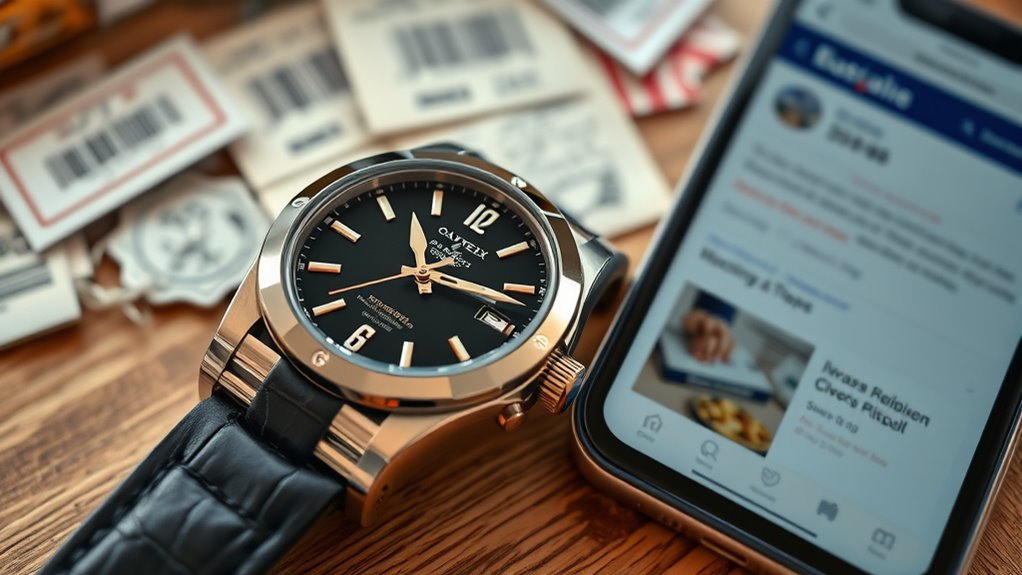

To spot counterfeits on resale platforms, look closely at product images and descriptions for blurriness or inconsistencies. Compare details with official brand websites and watch for logo or packaging discrepancies. Check the seller’s reputation by reviewing feedback and ratings, and ask for extra photos or proof of authenticity. Beware of prices that seem too good to be true. If you want to become better at recognizing fakes, discover more tips and tricks below.
Key Takeaways
- Examine product images and descriptions for blurriness, inconsistencies, or vague details that may indicate fakes.
- Review seller ratings, feedback, and verification badges to assess reliability and trustworthiness.
- Ask sellers for additional photos or proof of authenticity, such as certificates or receipts.
- Compare product features, logos, and packaging details with official brand information to spot discrepancies.
- Watch out for unusually low prices, unresponsive sellers, or listings lacking proof of purchase, which may signal counterfeits.
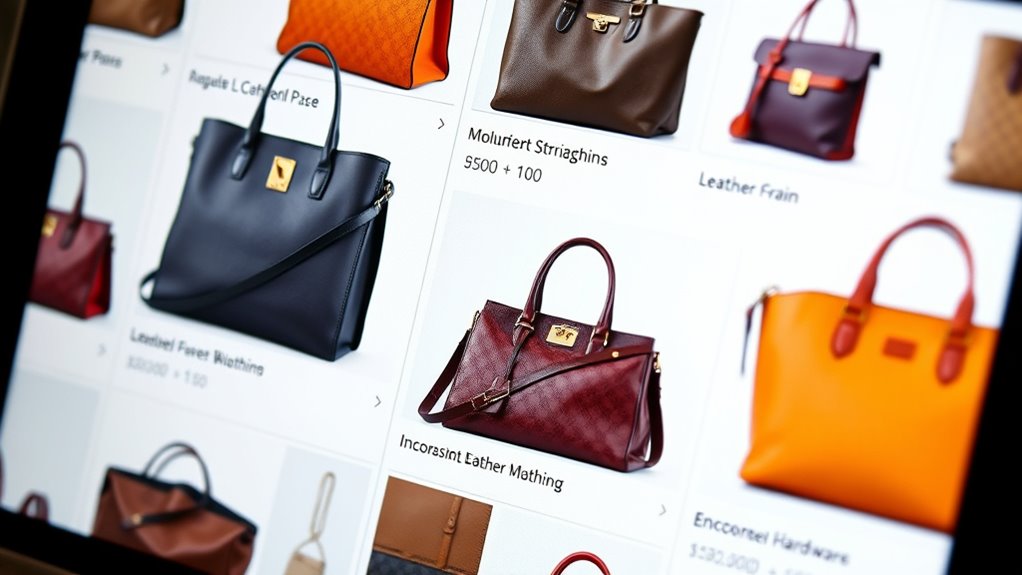
Counterfeit products pose a significant challenge on resale platforms, undermining trust and harming genuine sellers. When you’re browsing listings, it’s essential to be vigilant about authenticity verification. Counterfeit items often look convincing at first glance but can be identified through subtle details. Pay close attention to product images, descriptions, and seller information. Authentic sellers typically provide clear, high-quality photos and detailed descriptions, including specific features or serial numbers. If something feels off—such as blurry images, vague descriptions, or inconsistent branding—it’s a red flag. Remember, a reputable seller’s reputation is built on trust, so check their ratings and reviews thoroughly. High-rated sellers with consistent positive feedback are generally more reliable and more likely to sell authentic items. Conversely, new or low-rated sellers may pose a higher risk of offering counterfeit products, so exercise extra caution with their listings.
Authenticity verification isn’t just about inspecting images; it also involves asking questions. Don’t hesitate to reach out to the seller for more information or additional photos, especially of unique identifiers like tags, serial numbers, or authenticity cards. Genuine sellers will typically be transparent and willing to provide proof of authenticity. Be wary of sellers who avoid answering questions or provide vague responses. Additionally, compare the product details with official brand websites or authorized retailer listings. Look for discrepancies in logos, stitching, materials, or packaging, as these are common signs of counterfeits. When possible, request proof of purchase or certificates of authenticity to further verify the item’s legitimacy. It’s also helpful to familiarize yourself with common counterfeit detection techniques used by experts to spot fakes more effectively. Utilizing technology-based tools can further enhance your ability to identify authentic products with greater confidence. Staying informed about brand-specific features can help you recognize subtle differences that distinguish genuine items from fakes. Your focus on the seller’s reputation also plays an indispensable role in spotting counterfeits. Platforms that prioritize seller accountability often have measures like verified badges or seller history scores, which can help you gauge reliability. Trustworthy sellers tend to have a consistent record of positive feedback and transparent transaction histories. If a seller’s reputation is questionable or if there are multiple complaints about counterfeit items, steer clear. Remember that protecting yourself from counterfeit products isn’t just about spotting fakes—it’s about supporting genuine sellers who uphold quality and authenticity. By actively verifying authenticity and scrutinizing seller reputation, you safeguard your purchases and contribute to a safer resale environment for everyone involved. Additionally, being aware of product specifications and how they compare to official product details can further help in identifying fakes.
Frequently Asked Questions
How Can I Verify a Seller’S Credibility Quickly?
To verify a seller’s credibility quickly, start by checking their seller reviews for feedback from previous buyers. Look for consistent positive comments and high ratings. Also, guarantee the platform offers payment security options, like secure payment gateways or escrow services, to protect your transaction. If reviews are mixed or payment security seems weak, consider exploring other sellers. Trust your instincts and prioritize safety to avoid scams.
Are Counterfeit Items More Common in Certain Product Categories?
Counterfeit items are more common in luxury brands and electronic gadgets. You should be especially cautious when buying high-end designer products or the latest tech, as these categories attract counterfeiters. Fake luxury items often look authentic but lack quality, while counterfeit gadgets may have poor functionality. Always check seller reviews, ask for proof of authenticity, and compare prices to protect yourself from buying fake products in these categories.
What Are the Legal Risks of Buying Counterfeits?
You might think buying counterfeits is harmless, but the legal consequences can be severe. When you purchase fake items, you risk infringing on someone’s intellectual property rights, which could lead to fines or even criminal charges. These legal risks aren’t just minor—they can jeopardize your reputation and finances. Always consider the potential fallout before clicking “buy,” because the law takes intellectual property violations very seriously.
How Do Counterfeiters Adapt to Detection Methods?
Counterfeiters constantly adapt their strategies to evade detection, making detection evasion a constant challenge. They refine counterfeit adaptations by mimicking genuine features more closely, altering packaging, and using new materials to deceive scanners and inspectors. You should stay vigilant, as these tactics evolve rapidly. Recognizing subtle differences and staying informed about common counterfeit indicators can help you spot fake products before falling victim to their detection evasion tricks.
Can Authenticity Guarantees Be Trusted on Resale Platforms?
While authenticity guarantees sound reassuring, you shouldn’t rely on them blindly. Resale platforms aim to protect their brand reputation, but counterfeiters often mimic genuine claims. Instead, check buyer reviews and seller ratings—they reveal real experiences and trustworthiness. Trust is built through consistent positive feedback, not just promises. So, stay vigilant, do your homework, and don’t let false guarantees cloud your judgment when purchasing.
Conclusion
So, stay vigilant and trust your instincts—because every counterfeit is a shadow trying to hide in plain sight. By knowing what to look for, you become the detective in your own story, uncovering truth from deception. Remember, your careful eye can turn the tide, transforming doubt into certainty. Don’t let fakes slip past you; instead, be the gatekeeper of authenticity, ensuring every purchase is real, every time.