TL;DR

Get your wardrobe favorites delivered free — and shop member deals
- Fast, free delivery on millions of items
- Access to Prime Big Deal Days deals on October 6–7
- Prime Video, Amazon Music and more included
Women’s fall fashion accessories work best when they balance changing weather with the way you actually dress and move through the day. Start with comfortable boots, a useful scarf, and a practical bag, then add color or texture with belts, jewelry, hats, gloves, and visible socks. Choose materials and proportions that suit your climate, routine, and care habits.
A scarf can make the same jeans-and-sweater outfit feel ready for a crisp morning, a windy walk, and a warm afternoon indoors. That’s the quiet magic of women’s fall fashion accessories: they help you style with changing weather, add personality, and give familiar clothes a new feel.
You don’t need a whole new wardrobe when the leaves turn. A few useful pieces—a comfortable pair of boots, a bag that fits your day, or a soft scarf in a color you love—can refresh what you already own. Fall accessories balance warmth, comfort, and expression; the best choice depends on your climate and routine, not a trend list.
Below, you’ll find ways to choose and combine scarves, shoes, bags, jewelry, and more, plus practical buying and care tips. Think of accessories as the seasoning in a familiar meal: a little texture or color can change the whole impression without replacing the main ingredients.
Start with comfortable, weather-appropriate shoes, then add a scarf and bag that suit your daily routine.
Choose scarf thickness and knot style based on both warmth and how much room your coat leaves.
Repeat one color or material in two places to coordinate accessories without buying a matching set.
Check boot fit with the socks you plan to wear; sizing and fit vary by brand.
Choose suede, leather, wool, and other materials with your local weather and care habits in mind.
Start with three accessories that earn their closet space
The most useful fall accessories are the ones you reach for repeatedly: weather-ready shoes, a comfortable scarf, and a bag suited to your daily plans. These pieces handle the season’s practical shifts while giving even a familiar outfit some texture and color. Start with your real routine, not an imaginary version of your week.
If you walk several blocks to work, boots with a comfortable fit and grippy soles will matter more than a delicate pair that looks good only indoors. Grip and fit affect whether you can move confidently over wet leaves or uneven sidewalks; a shoe that looks right but distracts you with discomfort can limit how you spend the day. If you commute by car and spend most of the day at a desk, a lightweight scarf and a structured shoulder bag may serve you better. Fall fashion accessories balance style with changing weather, but the right mix varies by person and climate.
Use this simple order when you’re deciding what to buy or pull from your closet:
- Choose shoes based on walking, rain, and the outfits you wear most.
- Add a scarf or gloves if cool mornings catch you unprepared.
- Pick a bag that carries your everyday essentials without feeling awkward.
This order prioritizes items that affect comfort and daily function before details that mainly change an outfit’s appearance. For example, a teacher who walks between buildings might start with weather-resistant ankle boots, a roomy tote, and touchscreen-friendly gloves. Someone in a milder climate might get more use from a cotton scarf, sunglasses, and a crossbody bag. A larger bag or warmer shoe may solve one problem but feel cumbersome on days when you don’t need it, so versatility means matching your actual schedule—not buying the most feature-packed option. There’s no universal fall uniform. The point is to buy for the days you actually live.
women's fall ankle boots with grippy soles
As an affiliate, we earn on qualifying purchases.
As an affiliate, we earn on qualifying purchases.
Choose a scarf that adds warmth without swallowing your outfit
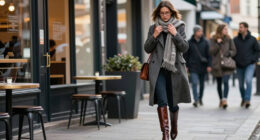
A fall scarf gives you adjustable warmth and an easy way to bring color or texture near your face. Wool and cashmere feel cozy on cold days, while cotton or silk adds a lighter accent when you don’t need insulation. The tradeoff is weight: thicker fabrics can provide more warmth but may crowd a coat collar or feel too hot indoors. A scarf should feel comfortable against your skin and work with the coats you already wear.
For a simple weekday look, try a thin rust-colored scarf tucked into a charcoal coat. It adds color without creating a bulky knot. On a colder afternoon, an oversized wool scarf can work as a wrap over a sweater; wear it open across your shoulders indoors, then loop it around your neck when the wind picks up. This adjustability is useful when the temperature changes throughout the day, but a generous scarf can take up space under fitted outerwear.
Proportion makes a difference, but there’s no rule that says you must avoid a large scarf because of your height or build. If a long, thick wrap feels cumbersome under your coat, choose a lighter fabric or wear it loose. If you love the drama of a generous scarf, let it be the outfit’s main statement and keep the bag and jewelry simpler. Comfort comes first; personal style should make getting dressed feel more like you, not like following a formula. Testing a scarf with the coat you plan to wear helps reveal whether the collar closes comfortably and whether the fabric stays put as you move.
One small styling trick: repeat the scarf’s color in a second place. A burgundy scarf with burgundy socks, or a camel wrap beside a tan leather bag, creates a pleasing connection without looking like a matching set. Repetition gives the eye a path across the outfit, so accessories in different textures can still feel deliberate. This is an easy way to make individual pieces feel intentional.
Find boots and socks that feel good through a full day
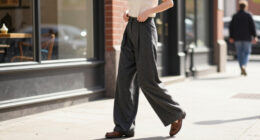
Fall boots should suit your walking needs, local weather, and preferred outfits—not just a display window. Ankle boots pair easily with trousers, jeans, and many skirts, while knee-high styles add coverage with dresses or slim pants. The choice also affects how much of your leg is covered and how easily the boot works with layers. Fit, sole grip, and comfort matter as much as the silhouette, because uncomfortable or slippery footwear can turn a practical outfit into something you avoid wearing.
Try boots with the socks you expect to wear. A pair that feels fine with thin socks in a shop may pinch when you add a thicker knit on a chilly day. Tightness can become more noticeable after hours of walking, so check for comfortable toe room and pressure around the heel and shaft. If possible, walk around for several minutes and check how the shaft sits with your usual trousers or tights. Sizes and fits vary by brand, so use the fit of the individual pair—not your usual number—as your guide.
Socks can join the outfit instead of hiding. Ribbed cream socks peeking over dark ankle boots soften a denim-and-sweater look; a narrow stripe can add a small flash of color under cropped trousers. Visible socks can also bridge the color between shoes and clothes, making a contrast feel intentional. On a rainy commute, though, warmth and dry feet deserve priority over a visible sock detail. Weather changes the job your footwear needs to do: a decorative sock matters less than a comfortable, dry foot when you’re walking through wet conditions.
Imagine a Saturday that starts at a farmers’ market and ends at dinner with friends. Comfortable ankle boots with a reliable sole can handle the walk, while a clean shape still feels polished at the table. If your fall includes wet sidewalks, consider a more weather-resistant material than suede; the extra practicality may mean giving up some of suede’s soft texture for a shoe you can wear without worrying about every splash. Style should support the day, not leave you watching every puddle.
Pick a fall bag that fits both your plans and the forecast
The right fall bag carries what you need and fits the conditions you’ll meet outside. A roomy tote works for a laptop, lunch, and an extra layer; a crossbody keeps your hands free on busy sidewalks; a structured shoulder bag brings a neat finish to a dinner outfit. Each shape solves a different problem: capacity, freedom of movement, or a more polished look. Pick the format that matches your day before you decide on its color or finish.
Texture helps a simple outfit feel seasonal. A suede bag beside a smooth wool coat creates a soft, rich contrast, while leather gives a clean edge to chunky knits. But suede can be vulnerable to rain and stains. That creates a practical tradeoff: a textured bag may add character, but if you’re anxious about weather or maintenance, it may spend more time stored away than in use. If you live somewhere with frequent showers, a weather-resistant bag may be more practical for daily use; save the suede piece for dry days or shorter trips.
Think about what your bag needs to carry. If you often bring a water bottle and umbrella, a tiny shoulder bag may look lovely but leave you juggling everything else. If your usual essentials are keys, phone, wallet, and lip balm, a compact crossbody could be a welcome break from hauling a large tote. An oversized bag can accommodate unexpected needs, but extra capacity can also tempt you to carry unnecessary weight. Useful capacity beats unused space.
For example, a commuter might choose a dark, structured tote for weekdays and keep a small crossbody for weekend errands. The same person can add a rust scarf or gold-tone earrings to make each outfit feel fresh. Having a second bag is worthwhile when the use case is genuinely different; otherwise, choosing one adaptable style may be a better use of the budget. A bag’s versatility comes from how well it supports your routine, not from how many pockets it advertises.
Use color, belts, and jewelry to refresh clothes you own
Fall colors and small styling details can make familiar clothes feel new without requiring a closet overhaul. Burgundy, chocolate brown, olive, camel, and rust are easy seasonal starting points, while a bright accent such as cobalt, red, or metallic brings contrast. A deeper or earthier color can blend quietly with a neutral wardrobe; a bright accent draws more attention and may become the outfit’s focal point. You can wear a trend as one small detail rather than rebuilding your whole outfit around it.
A belt can define the shape of a dress, cardigan, or coat, especially when several layers blur the outline. Try a medium-width belt over a loose knit dress, then move it slightly until you can sit and breathe comfortably. A belt can bring visual structure, but tightening it too much can make an outfit uncomfortable and restrict movement. The point is not to create one “right” silhouette; it’s to make the outfit feel settled and comfortable to you.
Jewelry works especially well against fall fabrics. Sculptural earrings stand out beside a plain sweater, while a brooch can add a bright point to a coat lapel. The contrast between smooth metal and textured knits helps a small accessory remain visible without adding another layer of clothing. You can mix gold- and silver-tone pieces if you like the effect; personal combinations often feel more individual than a perfectly coordinated set. If metal jewelry irritates your skin, choose pieces made from materials you already know you can wear comfortably.
Here’s a concrete outfit refresh: wear your existing black sweater and jeans, add a rust belt, a small gold-tone brooch, and a cobalt bag. Each piece adds something different—color, detail, and contrast—without competing for attention. Accessories add color most effectively when one item leads and the others support it; when every piece is equally bright or detailed, the outfit can feel busy rather than expressive.
Match hats and gloves to the weather, not just the trend
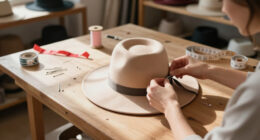
Hats and gloves work best when their comfort and warmth match the weather you face. Beanies, berets, and felt hats each offer a different look, but fit and compatibility with your coat matter more than a trend label. A hat you can wear securely and comfortably is more useful than one that needs constant adjustment. Gloves should let you use your hands comfortably, whether you’re holding a coffee or tapping a phone.
On a brisk walk, a soft beanie and knit gloves may feel right; for a dressier coat, leather gloves can make a polished pairing. Knit gloves are often comfortable for casual wear, while leather offers a smoother finish but may feel less suited to wet weather or frequent handwashing. Touchscreen-compatible fingertips help if you often check directions outside, though glove performance varies by design. If you rarely need hand warmth in your region, you may get more use from a hat or scarf than from a full set of cold-weather accessories.
Imagine leaving home on a mild morning and returning after sunset. A thin pair of gloves fits in a coat pocket and gives you an easy layer when the air cools. A hat that feels comfortable under your coat’s hood can be more useful than one that looks striking but slips around whenever you move. Try the combination together before you commit: a hat that fits indoors may feel awkward beneath a hood, and gloves that seem warm may make it hard to handle keys or a phone.
Sunglasses still have a place in fall, too. Lower temperatures don’t remove bright glare, especially on clear afternoons. Keep a pair in your bag or car if you drive or spend time outdoors. Practical accessories are not less stylish; they simply earn their place by doing a job as well as looking good.
Shop smarter with a quick climate, comfort, and care check
A smart fall accessory purchase fits your climate, routine, comfort, and care habits. Before buying, ask where you’ll wear it, what it needs to carry or protect you from, and how much maintenance you’re willing to do. These questions matter because a piece’s real value depends on how often it serves you, not simply on its price or appearance. That short pause can save you from owning a beautiful item that stays at home.
For example, suede shoes may work well if you mostly travel by car in a dry region, but they can be frustrating through weeks of rain and muddy sidewalks. Wool keeps you warm, but follow its care instructions and let damp items dry fully before storing them. Leather also benefits from material-specific care. Some materials offer a distinctive texture or feel but ask for more upkeep; simpler-care alternatives may be a better fit for a busy routine. When you shop, check the label and consider whether the care routine fits your real schedule.
Budget-friendly style often starts with your own closet. Pull out last year’s scarf, a belt you rarely wear, and the bag you use most. Try them with a coat or sweater before shopping; you may discover a combination that feels new. This also helps identify a genuine gap—perhaps your everyday bag is too small—rather than buying a duplicate because a trend caught your eye. Secondhand stores can be a useful source for distinctive brooches, belts, and bags, though you should check closures, seams, and condition before buying.
Keep these checks in mind:
- Weather: Will the material handle rain, wind, or cold where you live?
- Comfort: Can you walk, carry, fasten, or wear it easily?
- Versatility: Does it work with at least two or three outfits you already own?
- Care: Can you follow the cleaning and storage instructions?
These checks help you weigh tradeoffs rather than treating any one feature as decisive: a stylish item that is difficult to care for may still be worthwhile for occasional wear, while an everyday purchase should usually be comfortable and easy to maintain. Sizes and fits vary by brand, especially for boots and hats, so check measurements and return terms rather than relying only on a familiar label. A versatile piece that feels right on your body will usually get more use than a trendy purchase that asks you to adapt around it.
Frequently Asked Questions
What accessories are useful for fall?
A warm scarf, comfortable weather-appropriate shoes, and a practical bag are useful starting points. Add gloves if your local temperatures call for them, and choose a hat if you spend time outdoors. Your climate and routine determine what you’ll use most.
Which colors work well for fall accessories?
Burgundy, chocolate brown, olive, camel, and rust are versatile seasonal colors. A brighter accent such as cobalt, red, or metallic can bring energy to a neutral outfit. Try repeating one color in two places, like a rust scarf and rust socks.
How can I wear a scarf without adding too much bulk?
Choose a thinner fabric, use a simple knot, or wear an oversized scarf open as a wrap. If you plan to wear it under a coat, test the scarf and coat together so the collar still feels comfortable. A lighter cotton or silk scarf can add color without much warmth.
Are suede bags and boots practical in fall?
They can be practical in dry conditions, but suede is vulnerable to rain and stains. Follow the care instructions and consider protective treatment suited to the item. If you face frequent wet weather, a weather-resistant bag or shoe may work better for everyday use.
How can I update fall outfits without buying a new wardrobe?
Try a scarf, belt, bag, jewelry, or visible socks in a new color or texture with clothes you already own. For instance, a rust scarf and gold-tone brooch can refresh a familiar dark sweater. Shopping your closet or checking secondhand options can stretch your budget.
Conclusion
Build your fall accessory wardrobe around what makes a real day easier: comfortable shoes, useful layers, and pieces you enjoy wearing. Then add color or texture where it feels natural, whether that’s a rust scarf, visible ribbed socks, or a brooch on your favorite coat.
You don’t need to match everything or buy every trend. Choose one accessory that makes an outfit feel more like yours, and let it brighten the walk into the cool autumn air.
Halloween Picks
halloween
As an affiliate, we earn on qualifying purchases.