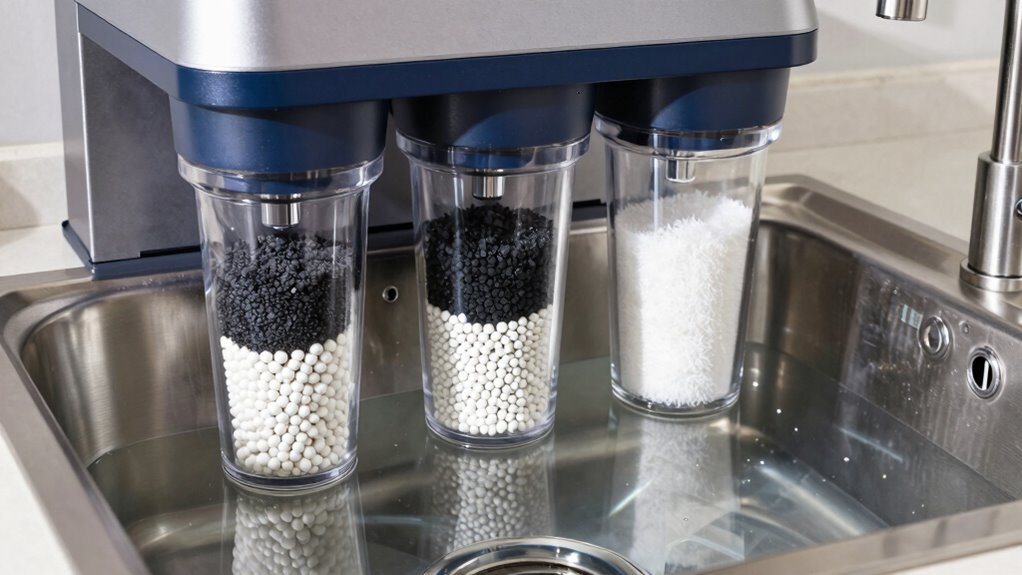

A whole-home water filtration system uses multiple stages to remove common contaminants. Sediment filters trap dirt, rust, and silt, while activated carbon filters improve taste by removing chlorine, VOCs, and heavy metals. UV sterilizers deactivate bacteria and viruses, and specialized filters target pesticides, herbicides, and organic pollutants. Final post-filters catch residual particles and chemicals. Understanding each stage helps you see how your water gets cleaner—continue exploring to discover how these filters work together effectively.
Key Takeaways
- Sediment filters remove dirt, rust, sand, and silt, preventing pipe clogging and appliance damage.
- Activated carbon filters eliminate chlorine, chloramine, VOCs, pesticides, herbicides, and improve taste and odor.
- UV sterilization deactivates bacteria, viruses, and protozoa by damaging their DNA or RNA without chemicals.
- Specialty filters target specific contaminants like heavy metals (lead, mercury) and organic compounds (pesticides, VOCs).
- Post-filters capture residual particles and chemicals missed earlier stages, ensuring cleaner, safer water throughout the home.
How Does a Whole-Home Water Filtration System Work?
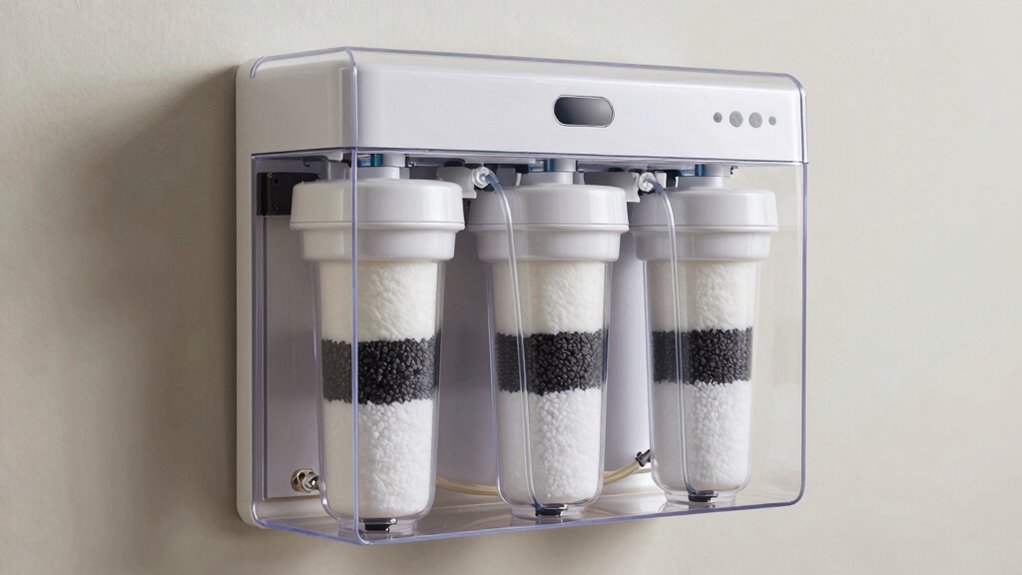
A whole-home water filtration system works by continuously treating all the water that enters your house, guaranteeing clean and safe water from every tap. When installed correctly, it maintains steady water pressure, so your daily routines aren’t disrupted. During system installation, a professional carefully connects the unit to your main water line, often near the point where water enters your home. This setup allows the filtration process to occur seamlessly, filtering out contaminants before water reaches your fixtures. Most systems are designed to handle varying water pressure levels without reducing flow, guaranteeing you get consistent water pressure throughout your home. Proper installation is vital for peak performance, so it’s best to rely on experienced technicians who can set up the system correctly and ensure it functions effectively. Understanding water pressure is essential to optimize your filtration system’s performance and longevity. Additionally, knowing how different filtration stages work can help you better understand what contaminants are removed at each step. Incorporating certified filtration systems can further ensure that your water treatment meets safety standards and provides reliable performance. To maximize the effectiveness and longevity of your system, regular maintenance and filter replacements are crucial, especially as different filtration media may require different care. Regularly monitoring your system’s performance levels can help identify when maintenance is needed before issues arise.
What Does the Sediment Filter Remove From My Water?
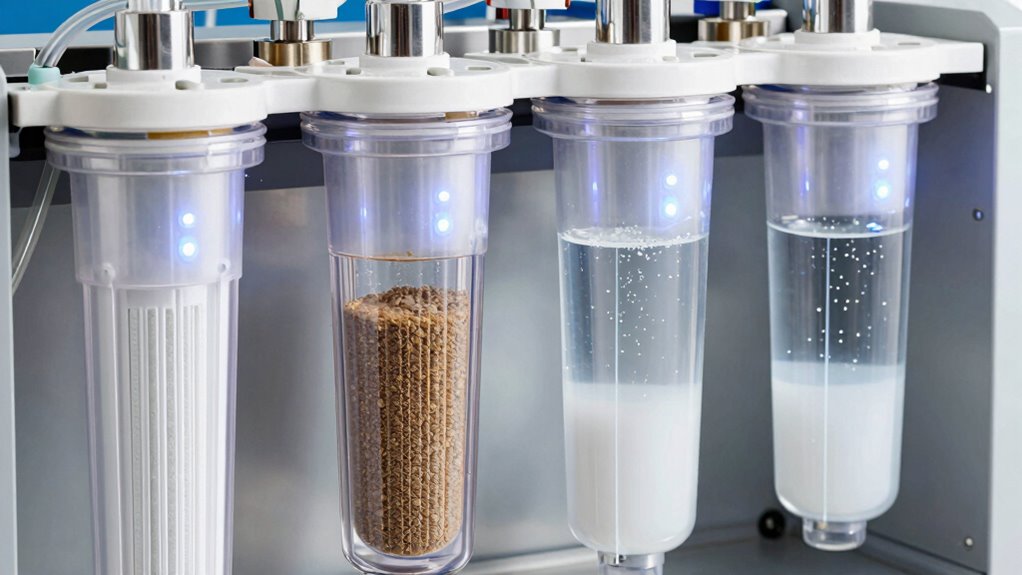
Sediment filters play a crucial role in removing particles and debris from your water, ensuring it’s cleaner and safer for everyday use. They target sediment buildup, which can clog pipes and damage appliances. The filter effectively captures particulate matter like dirt, rust, sand, and silt, preventing these contaminants from passing through your system. This improves water clarity and protects your plumbing. The filter’s pore size determines what it removes; smaller pores catch finer particles, while larger pores handle bigger debris. Here’s a quick overview:
| Particle Size | What Gets Removed? |
|---|---|
| Larger particles | Rust, sand, silt |
| Medium particles | Dirt, scale buildup |
| Fine particles | Sediment buildup, debris |
Additionally, using appropriate piercing care and hygiene practices can help prevent the introduction of bacteria and other contaminants into your water system, maintaining water quality. Regularly replacing or cleaning your sediment filter ensures optimal water filtration efficiency and continued protection against contaminants. Proper maintenance of your sediment filter is essential for maintaining overall water quality and avoiding costly repairs. Incorporating filter replacement schedules into your routine can further optimize your water system’s performance.
How Do Activated Carbon Filters Improve Water Quality?
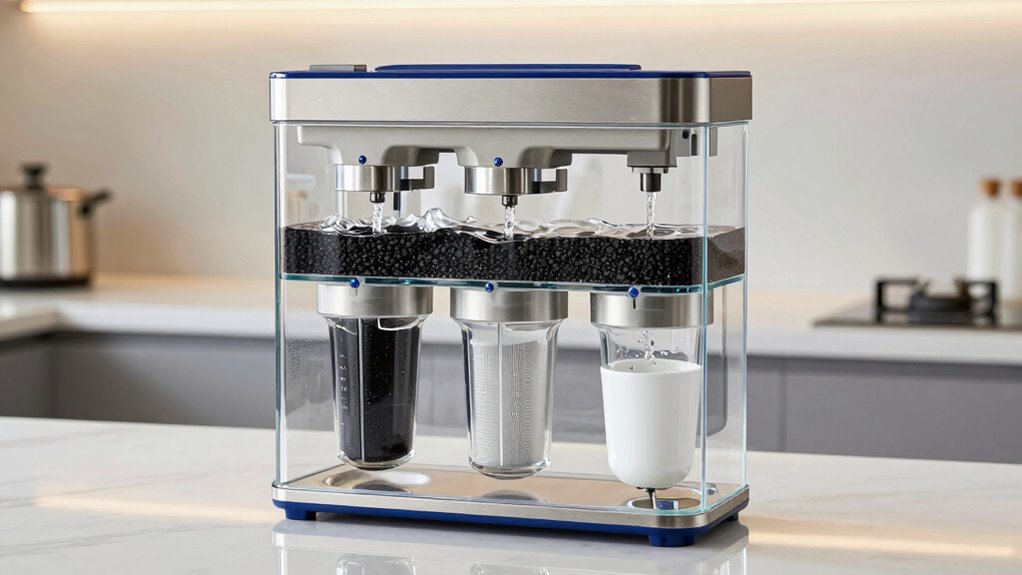
Activated carbon filters considerably enhance water quality by removing a wide range of contaminants that sediment filters alone can’t catch. This is thanks to their high adsorption efficiency, which allows them to attract and trap impurities. Here’s what they do:
- Absorb chlorine and chloramine, improving taste and odor.
- Reduce volatile organic compounds (VOCs) that can affect health.
- Capture pesticides and herbicides, preventing chemical ingestion.
- Lower certain heavy metals, like mercury and lead, for safer drinking water.
Which Contaminants Do Specialty Water Filters Target?
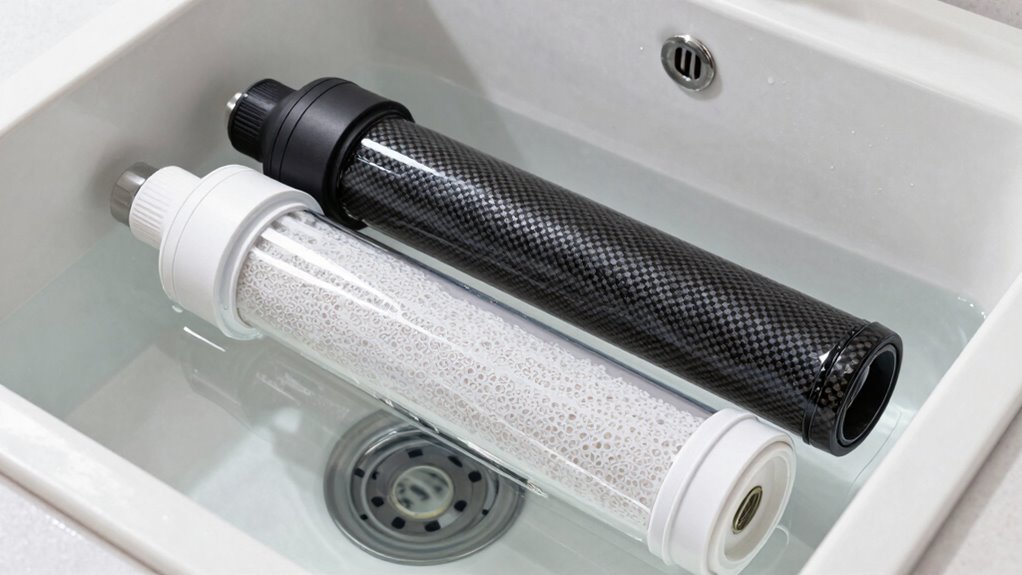
Specialty water filters are designed to target specific contaminants that can affect your health and water quality. They effectively remove heavy metals, organic compounds, and microorganisms from your water supply. Understanding these filters helps you choose the right solution for clean, safe water throughout your home. For instance, some filters are Vetted – 1st Home Theatre Projector specifically to eliminate certain toxins or pollutants, ensuring comprehensive protection.
Heavy Metal Removal
Heavy metals like lead, mercury, arsenic, and cadmium are among the most concerning contaminants that specialty water filters target. These filters are designed to reduce or eliminate harmful metals, protecting your health. When choosing a filter, consider these key functions: 1. Lead mitigation: Specialty filters target lead to prevent neurological damage and developmental issues. 2. Mercury removal: They effectively reduce mercury levels, which can cause kidney and neurological problems. 3. Arsenic filtration: These filters remove arsenic, a carcinogen linked to various cancers. 4. Pesticide removal: Some filters also target pesticides, preventing chemical contamination from agricultural runoff. Additionally, water quality standards play a crucial role in determining the effectiveness of these filters in eliminating specific contaminants. Understanding contaminant removal capabilities helps ensure your water treatment meets safety requirements and provides peace of mind. Proper maintenance and regular testing are also essential to ensure ongoing filter performance and safety.
Organic Compound Filtration
Organic compound filtration focuses on removing harmful chemicals like pesticides, herbicides, volatile organic compounds (VOCs), and industrial solvents from your water. These organic compounds and chemical residues can cause health issues over time, so specialty filters target them effectively. They often use activated carbon or advanced media to adsorb and break down these contaminants. Additionally, Free Floating technologies can enhance the efficiency of organic compound removal. Understanding chemical residues and how they persist in water can help you choose the right filtration system. Being aware of filter media options enables you to select the most effective solution for specific contaminants. It’s also important to consider the lifecycle and performance metrics of filtration units to ensure ongoing effectiveness. Regular monitoring of contaminant levels can help maintain water quality over time. Here’s a quick look:
| Contaminant Type | Common Sources | Filtration Method |
|---|---|---|
| Pesticides | Agricultural runoff | Activated carbon filtration |
| Herbicides | Crop treatment chemicals | Granular activated carbon |
| VOCs | Industrial emissions, solvents | Carbon block filters |
| Industrial solvents | Manufacturing waste | Specialty resin filters |
| Organic compounds | Naturally occurring organics | Catalytic carbon filters |
Microorganism Reduction
Because microorganisms like bacteria, viruses, and protozoa can contaminate your water, specialty filters are designed to target and reduce these harmful pathogens effectively. These filters play a crucial role in microbial control and pathogen elimination, ensuring water safety. They achieve this by: 1. Using advanced filtration media, like activated carbon or ceramic filters, to trap bacteria and protozoa. 2. Incorporating UV sterilization to deactivate viruses and other microorganisms. 3. Employing reverse osmosis membranes to remove a wide range of microbial contaminants. 4. Maintaining proper filter maintenance to prevent microbial growth within the system. Additionally, understanding the filtration process can help you choose the most effective system for microbial reduction. Proper system maintenance is essential to prevent microbial buildup and ensure ongoing water safety, and selecting the right filter type can further enhance microbial removal efficiency.
How Do UV Filters Kill Bacteria and Viruses?
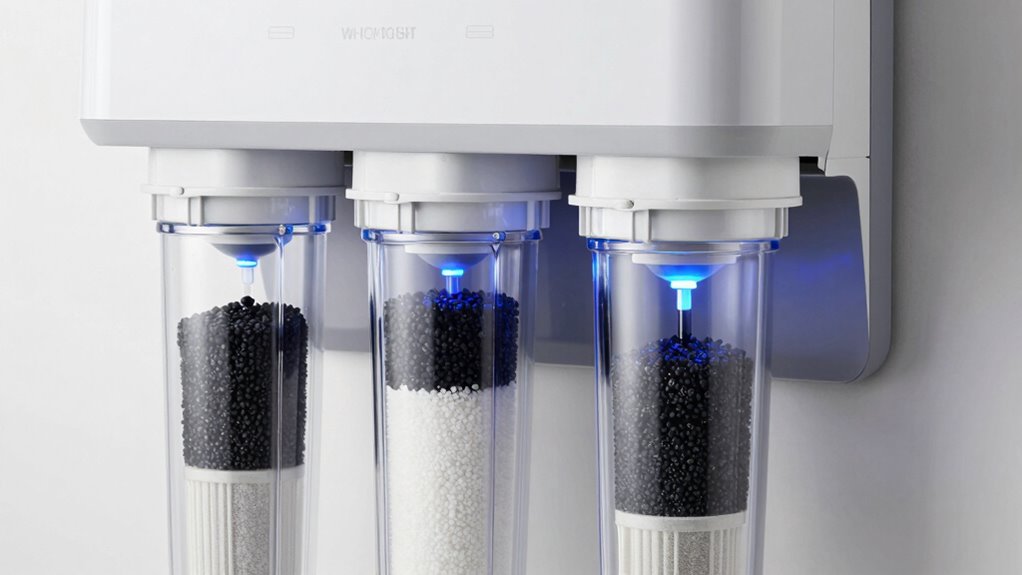
UV filters kill bacteria and viruses by exposing them to ultraviolet light, which damages their DNA or RNA. This process, known as UV sterilization, prevents microorganisms from reproducing and rendering them harmless. When water passes through a UV filter, the ultraviolet rays penetrate the cell walls of pathogens, disrupting their genetic material. This effectively inactivates bacteria and viruses, achieving pathogen inactivation without adding chemicals or altering water taste. UV sterilization is a quick, chemical-free method that targets microorganisms directly, making it a reliable stage in whole-home water filtration systems. By using UV filters, you ensure that harmful bacteria and viruses are neutralized, providing safer, cleaner water for your household. Additionally, UV sterilization is a chemical-free method, making it an environmentally friendly option for maintaining water safety. Since it targets microorganisms directly, UV sterilization is also known for its rapid and effective pathogen inactivation. Moreover, the energy-efficient operation of UV systems helps reduce overall power consumption while ensuring water safety.
How Do Final Post-Filters Keep My Water Pure?

After bacteria and viruses are inactivated by UV sterilization, the water still passes through final post-filters that catch any remaining contaminants. These filters guarantee the purification effectiveness by targeting particles, chemicals, and sediments that might bypass earlier stages. To maximize their performance, you should:
- Replace filters regularly as recommended to maintain purification effectiveness.
- Choose high-quality filters suited for removing specific contaminants.
- Avoid overloading the system to prevent premature filter degradation.
- Monitor water flow and quality to identify when filter lifespan is nearing its end.
- Regular maintenance and understanding the total cost of ownership can help ensure optimal system performance. Maintaining filter performance is essential for lasting water purity and safety, especially since some filters are designed to target particular substances identified in contaminant removal processes.
What Are the Limitations of Whole-Home Water Filtration?

While whole-home water filtration systems can improve your water quality, they do have limitations. Different filter types may not remove all contaminants, and ongoing maintenance can be costly. It’s important to take into account these factors to ensure your system meets your needs effectively.
Limitations of Filter Types
Although whole-home water filters can effectively remove many contaminants, they do have limitations you should keep in mind. First, pore size limitations mean some viruses or chemicals may pass through certain filters. Second, different filter types target specific contaminants, so you might need multiple stages. Third, the filter lifespan varies; once it’s exhausted, its effectiveness drops, and contaminants may bypass it. Fourth, some filters are less effective against dissolved substances or chemicals like pesticides. Knowing these limitations helps you choose the right system and avoid false confidence in its capabilities. Ultimately, understanding these constraints ensures you maintain water quality without relying solely on filtration.
Maintenance and Cost Factors
Maintenance and ongoing costs are important considerations when evaluating whole-home water filtration systems. Regular filter replacement is essential to keep the system functioning properly, but it can add up over time. You’ll need to follow maintenance scheduling guidelines to guarantee maximum performance and avoid system failures. Some filters require more frequent replacements, increasing costs and effort. Additionally, initial installation expenses, such as labor and equipment, can be significant. Keep in mind that neglected maintenance can lead to decreased water quality and potential damage to plumbing. While these systems offer convenience, they do have limitations related to ongoing upkeep and expenses. Planning ahead for filter replacements and adhering to maintenance schedules will help you manage costs and keep your whole-home filtration system running smoothly.
Frequently Asked Questions
How Often Should I Replace Each Filter Stage?
You should replace each filter stage according to the manufacturer’s recommended maintenance schedule, usually every 6 to 12 months. Regular filter replacement guarantees peak performance and water quality. Keep an eye on your system’s performance and check filters more frequently if you notice reduced flow or odors. Following a consistent maintenance schedule helps prevent buildup and maintains the longevity of your whole-home water filtration system.
Can Whole-Home Filters Improve Water Taste and Smell?
Absolutely, whole-home filters can transform your water taste and smell from terrible to fantastic! They do this by removing impurities that cause odors and bad flavors, while also enhancing water mineralization for better health. Plus, some systems even balance pH levels, making your water not just delicious but also more alkaline. Imagine drinking water so pure and fresh, it feels like a spa experience every time you turn on the tap.
Are There Specific Contaminants My System Cannot Remove?
Your whole-home filtration system has contaminant limitations and system restrictions that mean it can’t remove every pollutant. For example, it may not eliminate certain viruses, dissolved minerals, or chemical contaminants like pesticides and volatile organic compounds (VOCs). To address these gaps, consider adding specialized filters or treatment systems. Always check your system’s specifications and perform regular testing to verify your water quality meets your needs.
What Maintenance Is Required for UV Sterilizers?
For UV sterilizer maintenance, you need to regularly replace the UV light bulb to guarantee effective sterilization. Check the UV light lifespan, which is typically around 12 months, and replace the bulb before it dims. Keep the sterilizer clean and free of mineral buildup. Regular maintenance guarantees peak performance, so set reminders to change the bulb as recommended and inspect the unit periodically for any issues.
How Do I Know if My System Is Working Effectively?
Think of your system as a trusted guardian, keeping your water safe. You know it’s working effectively if the indicator lights are steady and bright, not flashing or off. Regularly check the system’s lifespan and schedule maintenance as recommended. If you notice reduced water flow or strange tastes, it’s time for a professional check-up. Trust your system’s signals—they’re your best clues to its health.
Conclusion
A whole-home water filtration system can considerably improve your water quality by removing contaminants at each stage. Did you know that over 85% of waterborne illnesses are caused by bacteria and viruses? By understanding how each filter works, you can better protect your household. Investing in an all-inclusive system guarantees cleaner, safer water, giving you peace of mind every time you turn on the tap. Remember, no filter is perfect—regular maintenance is key to keeping your water pure.