
The best Black culture fashion trends roundup is also a guide to the books and publications that explain how Black style takes shape across generations, communities, and creative fields. I name The Black Book: Fashion, Styles & Stories best overall for its broad cultural scope, while Black Ivy stands out for a focused look at Black style and Fashion Killa for hip-hop’s influence on high fashion. The main tradeoff is breadth versus depth: a wide-ranging history offers context, while a focused title can better serve a particular interest. Format and emphasis matter too, since these choices range from historical studies to visual and magazine-style publications. Read on for my full breakdown and a guide to choosing the right perspective for your interests.

Get your wardrobe favorites delivered free with Prime
- Fast, free delivery on millions of items
- Prime Video, Amazon Music and more included
- Member-only deals all year
Key Takeaways
- The Black Book earns the best-overall position because its fashion, style, and story framing offers a broad entry point rather than a single-era or single-topic lens.
- Black Ivy and Fashion Killa show how distinct the field is: one centers a particular style tradition, while the other focuses on hip-hop’s relationship with high fashion.
- Several titles examine fashion through specific creative roles, including Black Designers in American Fashion and The Art of Ruth E. Carter; choose these when you want authorship or costume design at the center.
- Africa’s Fashion Diaspora and Liberated Threads point toward different ways to explore global connections, so readers should match the book’s geographic or political lens to their interests.
- The list spans books and a periodical: Afro Fashion Magazine: Issue 1 offers a publication format, while the history-focused titles are better suited to readers seeking sustained context.
| Stepping Out: The Unapologetic Style of African Americans Over Fifty |  | Best for Intergenerational Style | Title: Stepping Out: The Unapologetic Style of African Americans Over Fifty | Subject: Style of African Americans over fifty | Format: Not specified in supplied product data | VIEW LATEST PRICE | See Our Full Breakdown |
| The Black Book: Fashion, Styles & Stories | 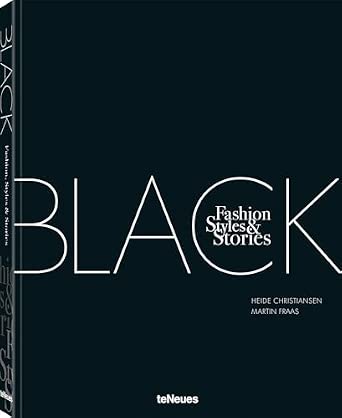 | Best for Broad Style Inspiration | Title: The Black Book: Fashion, Styles & Stories | Subject: Fashion, styles, and stories | Format: Not specified in supplied product data | VIEW LATEST PRICE | See Our Full Breakdown |
| Superfine: Tailoring Black Style |  | Best for Tailoring and Dress History | Title: Superfine: Tailoring Black Style | Subject: Tailoring and Black style | Format: Not specified in supplied product data | VIEW LATEST PRICE | See Our Full Breakdown |
| Africa’s Fashion Diaspora | 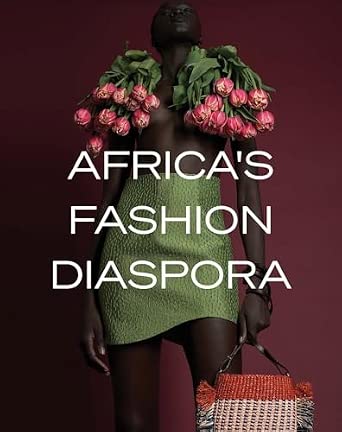 | Best for Diaspora Connections | Title: Africa’s Fashion Diaspora | Subject: African fashion and diaspora | Format: Not specified in supplied product data | VIEW LATEST PRICE | See Our Full Breakdown |
| Black Ivy: A Revolt in Style |  | Best for a Defined Style Movement | Title: Black Ivy: A Revolt in Style | Subject: Black Ivy style and cultural expression | Format: Not specified in supplied product data | VIEW LATEST PRICE | See Our Full Breakdown |
| AfroCentric Style: A Celebration of Blackness and Identity in Pop Culture |  | Best for Pop-Culture Context | Format: Illustrated anthology | Subject: Blackness and identity in pop culture | Cultural focus: African American heritage | VIEW LATEST PRICE | See Our Full Breakdown |
| Liberated Threads: Black Women, Style, and the Global Politics of Soul |  | Best for Black Women’s Style History | Subject: Black women and style | Focus: Global politics of soul | Series: Gender and American Culture | VIEW LATEST PRICE | See Our Full Breakdown |
| The Art of Ruth E. Carter: Costuming Black History and the Afrofuture, from Do the Right Thing to Black Panther |  | Best for Film Costume Inspiration | Format: Book | Featured designer: Ruth E. Carter | Subject: Costume design | VIEW LATEST PRICE | See Our Full Breakdown |
| Fashion Killa: How Hip-Hop Revolutionized High Fashion |  | Best for Hip-Hop and Runway Connections | Format: Book | Subject: Hip-hop and high fashion | Focus: Hip-hop’s influence on fashion | VIEW LATEST PRICE | See Our Full Breakdown |
| Black Designers in American Fashion |  | Best for Designer Representation | Title-stated subject: Black designers | Title-stated scope: American fashion | Product type: Not provided | VIEW LATEST PRICE | See Our Full Breakdown |
| Supreme Models: Iconic Black Women Who Revolutionized Fashion |  | Best for Black Women’s Fashion Representation | Title: Supreme Models: Iconic Black Women Who Revolutionized Fashion | ASIN: 1419736140 | Subject: Influential Black women in fashion | VIEW LATEST PRICE | See Our Full Breakdown |
| Afro Fashion Magazine: Issue 1, Summer 2026 |  | Best for Contemporary African Fashion | Title: Afro Fashion Magazine: Issue 1, Summer 2026 | ASIN: 9786248406 | Issue: 1 | VIEW LATEST PRICE | See Our Full Breakdown |
| Dressed in Power: A Complete History and Cultural Guide to Black Fashion, from African Roots to Global Runways |  | Best for a Broad Black Fashion History | Title: Dressed in Power: A Complete History and Cultural Guide to Black Fashion, from African Roots to Global Runways | ASIN: B0H3JQ34L8 | Product type: Book | VIEW LATEST PRICE | See Our Full Breakdown |
| Black culture fashion trend | ASIN | Subject | Format | Title |
|---|---|---|---|---|
| Stepping Out: The Unapologetic | 0593236114 | Style of African Americans over fifty | Not specified in supplied product data | Stepping Out: The Unapologetic Style of African Americans Over Fifty |
| The Black Book: Fashion | 3961715610 | Fashion, styles, and stories | Not specified in supplied product data | The Black Book: Fashion, Styles & Stories |
| Superfine: Tailoring Black Sty | 1588397998 | Tailoring and Black style | Not specified in supplied product data | Superfine: Tailoring Black Style |
| Africa’s Fashion Diaspora | 0300270739 | African fashion and diaspora | Not specified in supplied product data | Africa’s Fashion Diaspora |
| Black Ivy: A Revolt in Style | 1909526827 | Black Ivy style and cultural expression | Not specified in supplied product data | Black Ivy: A Revolt in Style |
| AfroCentric Style: A Celebrati | 0063080834 | Blackness and identity in pop culture | Illustrated anthology | — |
| Liberated Threads: Black Women | 1469636131 | Black women and style | — | — |
| The Art of Ruth E. Carter: Cos | 1797203061 | Costume design | Book | — |
| Fashion Killa: How Hip-Hop Rev | 1982176326 | Hip-hop and high fashion | Book | — |
| Black Designers in American Fa | 1350138479 | — | Not provided | — |
| Supreme Models: Iconic Black W | 1419736140 | Influential Black women in fashion | Not specified | Supreme Models: Iconic Black Women Who Revolutionized Fashion |
| Afro Fashion Magazine: Issue 1 | 9786248406 | African fashion, culture, style, and luxury | Magazine | Afro Fashion Magazine: Issue 1, Summer 2026 |
| Dressed in Power: A Complete H | B0H3JQ34L8 | Black fashion history and culture | — | Dressed in Power: A Complete History and Cultural Guide to Black Fashion, from African Roots to Global Runways |
More Details on Our Top Picks
Stepping Out: The Unapologetic Style of African Americans Over Fifty
Stepping Out brings a specific perspective to Black fashion by centering African Americans over fifty rather than treating style as a story only about youth trends. That focus makes it a useful choice for readers interested in how personal expression and age shape Black style. Compared with Black Ivy: A Revolt in Style, whose title points toward a defined look and movement, this book’s stated subject is a generation and its varied approaches to dressing. The limitation is the lack of supplied details about its format, images, or coverage, so I can’t recommend it as a visual reference or a practical styling manual. Choose it for its age-centered lens; skip it if you want a documented guide to a specific fashion era or garment tradition.
Pros:- Centers a generation often left out of youth-focused fashion narratives.
- Offers a distinct perspective alongside the movement-focused Black Ivy.
- Its stated subject connects clothing with age and personal expression.
Cons:- The supplied information does not establish its format, image content, or depth of coverage.
- The title does not indicate a practical styling or trend-prediction approach.
Best for: Readers seeking Black fashion perspectives that center African Americans over fifty, including families exploring style across generations.
Not ideal for: Shoppers looking for a how-to styling guide, a clearly documented fashion history, or confirmed details about illustrations and format.
- Title:Stepping Out: The Unapologetic Style of African Americans Over Fifty
- Subject:Style of African Americans over fifty
- Format:Not specified in supplied product data
- Author:Not specified in supplied product data
- Publisher:Not specified in supplied product data
- Publication date:Not specified in supplied product data
- ASIN:0593236114
Our verdict“Choose this for a generation-centered view of African American style, but pick a more clearly specified fashion history if you need visual or practical guidance.”
The Black Book: Fashion, Styles & Stories
The Black Book: Fashion, Styles & Stories has the broadest-sounding remit in this group: fashion, style, and stories rather than one era, age group, or design tradition. That makes it a plausible starting point for readers who want a varied introduction to Black fashion culture. Its title also leaves the scope open, though, and the supplied information doesn’t confirm which communities, periods, or types of clothing it covers. Compared with Superfine: Tailoring Black Style, it signals wider subject matter but less focus on tailoring. That breadth may suit browsing better than close study; readers seeking a documented account of a particular movement should choose a more clearly defined title. I’d treat it as a general-interest pick, not a guaranteed visual encyclopedia.
Pros:- Its title encompasses fashion, styles, and stories rather than a single garment category.
- Potentially complements focused titles such as Superfine: Tailoring Black Style.
- Works as a broad-interest choice for readers exploring Black fashion topics.
Cons:- Supplied details do not identify its periods, contributors, or cultural scope.
- The broad title gives little basis for judging depth or image content.
Best for: Readers starting a Black fashion bookshelf who want a broad mix of style themes and cultural stories.
Not ideal for: Researchers seeking a specific historical period, a focused account of tailoring, or confirmed information about the book’s contents and visuals.
- Title:The Black Book: Fashion, Styles & Stories
- Subject:Fashion, styles, and stories
- Format:Not specified in supplied product data
- Author:Not specified in supplied product data
- Publisher:Not specified in supplied product data
- Publication date:Not specified in supplied product data
- ASIN:3961715610
Our verdict“Choose this as a broad thematic starting point, but select a focused title if you already know which period or style you want to study.”
Superfine: Tailoring Black Style
Superfine: Tailoring Black Style is the most clearly focused choice here: its title puts tailoring at the center of Black style. That specificity gives readers a stronger reason to choose it over the broader The Black Book: Fashion, Styles & Stories when they want to explore how cut, fit, and formal dress relate to cultural expression. It may also pair well with Black Ivy: A Revolt in Style, which signals a distinct style movement rather than a tailoring-centered subject. The tradeoff is that a narrow focus may leave other parts of Black fashion—such as streetwear, accessories, or everyday dress—outside its main scope. The supplied data offers no confirmation of its image selection, historical range, or format, so buyers should not assume those details.
Pros:- Clearly identifies tailoring as its central subject.
- Offers a more focused angle than The Black Book: Fashion, Styles & Stories.
- Its topic connects garment construction with Black style and cultural expression.
Cons:- The narrow subject may not cover the full range of Black fashion trends.
- Supplied product data does not confirm historical scope, format, or visual content.
Best for: Readers interested in tailoring, formal dress, and the relationship between clothing construction and Black style.
Not ideal for: Readers seeking a wide survey of Black fashion trends across streetwear, accessories, and multiple style movements.
- Title:Superfine: Tailoring Black Style
- Subject:Tailoring and Black style
- Format:Not specified in supplied product data
- Author:Not specified in supplied product data
- Publisher:Not specified in supplied product data
- Publication date:Not specified in supplied product data
- ASIN:1588397998
Our verdict“Choose this for a focused look at tailoring in Black style; choose a broader title if you want a wider survey of fashion trends.”
Africa’s Fashion Diaspora
Africa’s Fashion Diaspora stands apart by naming the relationship between Africa and diaspora fashion as its subject. That makes it a strong thematic fit for readers who want to think beyond a single national scene and explore how Black style can connect across geographies. Compared with Superfine: Tailoring Black Style, it suggests a broader cultural frame rather than a focus on one clothing practice; compared with Black Ivy: A Revolt in Style, it signals connections across communities rather than one named movement. The scope may be its strength and its limitation: the supplied description does not say which regions, designers, or periods appear, so readers seeking a tightly bounded history may find the premise too broad. Details about format and imagery are also unavailable.
Pros:- Puts African and diasporic fashion connections at the center.
- Provides a different cultural frame from the tailoring focus of Superfine.
- Its subject suits readers interested in fashion across geographic boundaries.
Cons:- The supplied information does not identify the regions or periods covered.
- No details are provided about format, imagery, or featured designers.
Best for: Readers interested in links between African fashion and style across Black diasporic communities.
Not ideal for: Readers seeking a specific country’s fashion history, a single movement, or confirmed details about the book’s regional coverage.
- Title:Africa’s Fashion Diaspora
- Subject:African fashion and diaspora
- Format:Not specified in supplied product data
- Author:Not specified in supplied product data
- Publisher:Not specified in supplied product data
- Publication date:Not specified in supplied product data
- ASIN:0300270739
Our verdict“Choose this for a diaspora-centered perspective on fashion, but look for a more specifically scoped title if you need regional detail.”
Black Ivy: A Revolt in Style
Black Ivy: A Revolt in Style is the most movement-specific pick in this set. Its title links a recognizable style tradition with a cultural stance, making it a better fit for readers drawn to how dress can signal identity and resistance than for anyone seeking a general guide to current trends. Compared with Stepping Out, which centers African Americans over fifty, Black Ivy points toward a style concept rather than a generation; compared with The Black Book, it offers a more defined subject. That focus helps readers choose it with a clearer expectation, but it may leave many other Black fashion expressions beyond its frame. The supplied data does not confirm the period covered, image content, or format, so its title alone cannot answer how extensively the movement is documented.
Pros:- Names a specific style movement rather than promising an undefined overview.
- Connects fashion with cultural expression through its stated focus on revolt.
- Provides a sharper subject than The Black Book: Fashion, Styles & Stories.
Cons:- Its movement-focused scope may omit other Black fashion trends and traditions.
- Supplied information does not specify its historical period, format, or image selection.
Best for: Readers drawn to a focused exploration of Black style as a cultural statement and a distinct fashion movement.
Not ideal for: Readers wanting an all-eras survey of Black fashion or detailed information about the book’s format and visual content before buying.
- Title:Black Ivy: A Revolt in Style
- Subject:Black Ivy style and cultural expression
- Format:Not specified in supplied product data
- Author:Not specified in supplied product data
- Publisher:Not specified in supplied product data
- Publication date:Not specified in supplied product data
- ASIN:1909526827
Our verdict“Choose this for a defined, culturally framed style movement; choose a broader title if you want Black fashion across generations and genres.”
AfroCentric Style: A Celebration of Blackness and Identity in Pop Culture
AfroCentric Style suits readers who want to connect Black fashion to the wider cultural currents that shape it. Its illustrated anthology format and focus on identity in pop culture make it a broad entry point rather than a close study of one designer or movement. Compared with The Art of Ruth E. Carter, which centers on costume design and film, this book takes a wider view of Blackness and its influence on mainstream culture. That breadth can help readers place style within a bigger cultural picture, but the available description gives little detail about its specific topics or visual coverage. I’d choose it for cultural framing, not as a practical styling guide or a detailed fashion-history reference.
Pros:- Connects Black identity with mainstream pop culture
- Illustrated anthology format offers a visual approach
- Celebrates African American heritage and cultural influence
Cons:- The supplied description does not identify specific contributors or topics
- Broad pop-culture scope may offer less fashion detail than designer-focused books
Best for: Readers who want an illustrated introduction to Black identity and its influence on mainstream pop culture, including fashion.
Not ideal for: Buyers seeking detailed garment analysis, designer profiles, or specific styling advice; the available description does not establish that level of coverage.
- Format:Illustrated anthology
- Subject:Blackness and identity in pop culture
- Cultural focus:African American heritage
- Scope:Influence on mainstream culture
- Product type:Book
- ASIN:0063080834
Our verdict“Choose this anthology for a visual, broad-ranging view of Black identity in pop culture rather than a focused study of fashion design.”
Liberated Threads: Black Women, Style, and the Global Politics of Soul
Liberated Threads is the most focused choice here for readers interested in how Black women’s style connects to culture and politics. Its attention to the global politics of soul offers a different lens from Fashion Killa, which centers on hip-hop’s relationship with high fashion. The book’s place in the Gender and American Culture series signals a scholarly framing, a plus for readers who want more than trend inspiration. That focus may feel less immediately visual or outfit-oriented than an illustrated fashion book, and the supplied description does not specify its historical periods or range of examples. I’d put it ahead of broader titles for a targeted cultural study, but not for readers after a quick, image-led survey.
Pros:- Centers Black women’s style
- Connects style to global cultural politics
- Series placement signals a gender-and-culture-focused approach
Cons:- The scholarly framing may not suit casual browsing
- The supplied description gives no detail on illustrations or specific eras covered
Best for: Readers, students, and style researchers seeking a focused cultural and political study of Black women’s style.
Not ideal for: Shoppers looking for a visual trendbook, practical outfit ideas, or a quick overview of fashion imagery.
- Subject:Black women and style
- Focus:Global politics of soul
- Series:Gender and American Culture
- Product type:Book
- ASIN:1469636131
- Perspective:Cultural and political
Our verdict“Pick this for a focused, culture-centered examination of Black women’s style, not for a visual guide to current looks.”
The Art of Ruth E. Carter: Costuming Black History and the Afrofuture, from Do the Right Thing to Black Panther
The Art of Ruth E. Carter offers the clearest route into Black fashion through film costume, linking Black history and the Afrofuture in work spanning Do the Right Thing to Black Panther. That defined creative focus distinguishes it from AfroCentric Style, whose stated scope is broader pop culture and identity. This is the stronger pick for readers curious about how clothing helps shape character, era, and imagined worlds on screen. The tradeoff is its narrow subject: it is about one costume designer and film work, not a survey of everyday fashion or multiple designers. The supplied product details also give little information about its contents beyond the subject and title, so buyers wanting specific image or chapter details may need more information before choosing.
Pros:- Centers the work of costume designer Ruth E. Carter
- Connects Black history with Afrofuturist design
- Names films spanning Do the Right Thing to Black Panther
Cons:- Coverage is centered on one designer and film costuming
- The supplied product data does not specify the book’s visual or chapter contents
Best for: Film and fashion readers interested in costume design, Black history, and Afrofuturist visual worlds.
Not ideal for: Readers seeking a broad survey of Black designers, streetwear, or everyday style trends across multiple fields.
- Format:Book
- Featured designer:Ruth E. Carter
- Subject:Costume design
- Themes:Black history and the Afrofuture
- Film examples:Do the Right Thing and Black Panther
- ASIN:1797203061
Our verdict“Choose this for a film-costume perspective on Black history and Afrofuturism rather than a wide-ranging fashion survey.”
Fashion Killa: How Hip-Hop Revolutionized High Fashion
Fashion Killa is the most direct pick for readers tracing the relationship between hip-hop and high fashion. Its stated subject gives the roundup a distinct angle: rather than focusing on one costume designer like The Art of Ruth E. Carter, it examines hip-hop’s broader impact on fashion. That makes it a natural choice for readers interested in how music culture and runway style intersect. The limitation is that the supplied description offers no further detail about designers, eras, or examples, so I can’t gauge how wide or specific its account is from the available data. It is a strong subject match for this trend-focused list, but less clearly suited to readers seeking a general history of Black fashion across many communities and periods.
Pros:- Directly addresses hip-hop’s influence on high fashion
- Offers a music-culture angle distinct from costume-design titles
- Has a clear fit for readers exploring fashion trends and cultural influence
Cons:- The supplied description does not identify its featured designers or time periods
- Its hip-hop focus may leave other Black fashion traditions outside its scope
Best for: Readers interested in hip-hop’s influence on designer fashion and the cultural links between music and runway style.
Not ideal for: Readers seeking a broad account of Black fashion beyond hip-hop or detailed contents information before buying.
- Format:Book
- Subject:Hip-hop and high fashion
- Focus:Hip-hop’s influence on fashion
- Product type:Book
- ASIN:1982176326
- Scope:Music and fashion culture
Our verdict“Pick this when hip-hop’s impact on high fashion is your main interest, and choose a broader survey for wider cultural coverage.”
Black Designers in American Fashion
Black Designers in American Fashion has the most direct title-level focus on Black designers working within American fashion, making it a useful counterpoint to Fashion Killa, which is specifically about hip-hop’s influence on high fashion. I’d select this when the priority is designer representation rather than a single cultural movement or film practice. The title suggests a field-wide subject, but the supplied product data includes no description, so its range, format, and treatment of individual designers are not confirmed. That uncertainty matters: it may suit readers looking for a designer-centered resource, but it is harder to recommend for anyone who needs a defined period, visual approach, or particular fashion category. Its broad subject is promising, though buyers should verify the contents if specificity is a priority.
Pros:- Its stated subject centers Black designers
- American fashion scope distinguishes it from hip-hop-specific coverage
- Can complement cultural or costume-focused books in a fashion reading list
Cons:- No product description is provided to confirm its coverage or approach
- The available data does not specify format, featured designers, or time periods
Best for: Readers and fashion students looking for a designer-centered resource on Black contributors to American fashion.
Not ideal for: Buyers who need confirmed coverage of specific designers, eras, images, or fashion categories before choosing.
- Title-stated subject:Black designers
- Title-stated scope:American fashion
- Product type:Not provided
- Format:Not provided
- Description:Not provided
- ASIN:1350138479
Our verdict“Consider this for a designer-focused view of Black contributions to American fashion, but verify its contents if you need a specific scope.”
Supreme Models: Iconic Black Women Who Revolutionized Fashion
Supreme Models is the most focused pick here for readers who want to recognize Black women’s influence on fashion. Its stated subject gives it a clear lane: celebrating women who helped shape and revolutionize the industry, rather than surveying Black fashion across every era and community. Compared with Dressed in Power, which promises a broader historical path from African roots to global runways, this book’s appeal is its specific focus on women’s contributions. That focus makes it a strong companion to a trend roundup for readers seeking context behind representation in fashion. The tradeoff is the limited product information: the available details don’t describe its format, scope, or individual subjects, so readers who want a particular kind of reading experience or a detailed account of specific designers may prefer a title with clearer contents.
Pros:- Centers influential Black women in fashion
- Connects fashion history with representation
- Offers a more focused subject than broad guides such as Dressed in Power
Cons:- Available information does not specify the book’s format
- No contents or featured individuals are identified
- The provided details do not establish how much historical coverage it offers
Best for: Readers seeking a focused celebration of influential Black women in fashion and the history of representation
Not ideal for: Buyers who need a confirmed format, detailed contents, or a broad survey spanning all aspects of Black fashion
- Title:Supreme Models: Iconic Black Women Who Revolutionized Fashion
- ASIN:1419736140
- Subject:Influential Black women in fashion
- Focus:Fashion history and representation
- Format:Not specified
- Contents:Not specified
Our verdict“Choose Supreme Models if your priority is Black women’s influence and representation, rather than a broad history of Black fashion.”
Afro Fashion Magazine: Issue 1, Summer 2026
Afro Fashion Magazine: Issue 1 is the clearest choice for readers interested in African fashion as a living style and culture conversation, with the issue also covering luxury. Unlike Supreme Models, which centers the historical influence of Black women, this magazine offers a broader African fashion lens and is explicitly tied to a particular season. That makes it a distinctive pick for readers who want fashion coverage framed around African culture rather than a general history of Black style. The main limitation is that the supplied details don’t name contributors, designers, features, or specific stories. I’d choose it for its stated subject and magazine format, but readers who want a documented historical account or a preview of the issue’s contents may find Dressed in Power easier to evaluate from its description.
Pros:- Dedicated to African fashion and culture
- Includes style and luxury as stated editorial subjects
- Magazine format offers a different reading experience from the history books in this roundup
- Identified as the first issue, making its place in the publication clear
Cons:- No article list or contributor information is provided
- The description does not specify the issue’s depth or range of coverage
- Its Summer 2026 season focus may be less suited to readers seeking an evergreen reference
Best for: Readers looking for magazine-format coverage of African fashion, culture, style, and luxury
Not ideal for: Readers who want a clearly described historical guide or need to know the issue’s specific articles and contributors before choosing
- Title:Afro Fashion Magazine: Issue 1, Summer 2026
- ASIN:9786248406
- Issue:1
- Season:Summer 2026
- Format:Magazine
- Subject:African fashion, culture, style, and luxury
Our verdict“Pick this issue if you want magazine-format coverage centered on African fashion and culture, and can choose without a detailed contents list.”
Dressed in Power: A Complete History and Cultural Guide to Black Fashion, from African Roots to Global Runways
Dressed in Power has the broadest stated scope of these three picks: it connects African roots with Black fashion’s presence on global runways. That framing makes it the strongest match for readers who want cultural and historical context behind contemporary Black fashion trends, rather than a single-issue magazine or a book centered on one group’s contributions. Compared with Supreme Models, its promise reaches across more of Black fashion history; compared with Afro Fashion Magazine, it is presented as a guide rather than seasonal coverage. Its breadth is also the tradeoff: the description doesn’t identify chapters, examples, format beyond “book,” or how the history is handled. I’d favor it for an expansive overview, but readers seeking a narrowly defined subject or specific known contents should look for more detail before choosing.
Pros:- Covers Black fashion history and culture
- Connects African roots with global runway influences
- Has a wider stated scope than Supreme Models
- Positioned as a guide rather than seasonal magazine coverage
Cons:- No chapter list or specific examples are provided
- The available details do not describe its format beyond identifying it as a book
- Its broad scope may offer less focus on individual communities or topics
Best for: Readers seeking a broad cultural history that links African fashion roots with Black style on global runways
Not ideal for: Readers who want a focused account of Black women in fashion or a magazine issue with a stated season and format
- Title:Dressed in Power: A Complete History and Cultural Guide to Black Fashion, from African Roots to Global Runways
- ASIN:B0H3JQ34L8
- Product type:Book
- Subject:Black fashion history and culture
- Historical scope:African roots to global runways
- Format details:Not specified
Our verdict“Choose Dressed in Power for the broadest stated historical overview, rather than a focused profile of Black women or a seasonal magazine.”
How We Picked
I ranked these 13 titles by how clearly their stated subject helps a reader understand Black fashion as culture, history, identity, and creative work. I compared each title’s scope and focus, distinguishing broad surveys from books centered on a particular community, era, discipline, or influence. I also considered how approachable each subject is for a newcomer and how useful a focused perspective may be for readers who already know what they want to explore.
The ranking favors a strong starting point first, followed by titles with especially clear subject-specific value. A book on hip-hop and high fashion serves a different need from one on Black women’s style or costume design, so placement reflects breadth and intended use rather than claiming every reader should prefer the same lens. The list includes one magazine issue alongside books; its periodical format is a meaningful difference, not a reason to judge it by the same expectations as a historical study.
| Black culture fashion trend | Format |
|---|---|
| Stepping Out: The Unapologetic | Not specified in supplied product data |
| The Black Book: Fashion | Not specified in supplied product data |
| Superfine: Tailoring Black Sty | Not specified in supplied product data |
| Africa’s Fashion Diaspora | Not specified in supplied product data |
| Black Ivy: A Revolt in Style | Not specified in supplied product data |
| AfroCentric Style: A Celebrati | Illustrated anthology |
| Liberated Threads: Black Women | — |
| The Art of Ruth E. Carter: Cos | Book |
| Fashion Killa: How Hip-Hop Rev | Book |
| Black Designers in American Fa | Not provided |
| Supreme Models: Iconic Black W | Not specified |
| Afro Fashion Magazine: Issue 1 | Magazine |
| Dressed in Power: A Complete H | — |
Factors to Consider When Choosing Best Black Culture Fashion Trends
Before choosing, decide what you want the publication to do: introduce a wide subject, explain a particular style tradition, or offer a lens on identity and creative practice. I would start with the perspective that feels most relevant, then check whether the format and level of focus match how you plan to read.
Choose Breadth or a Focused Lens
A broad title can connect subjects that are often treated separately, which makes it a useful starting point when you are still defining your interests. A focused book may offer a more direct route into a particular topic, such as hip-hop, Black Ivy, or costume design. A common mistake is choosing the broadest book simply because it sounds authoritative, then finding that it does not spend enough time on the subject you care about most. I would use a broad overview to build context and a specialized title to answer a narrower question. If you already know your area of interest, specificity may serve you better than range.
Look at Whose Style and Work Are Centered
Black fashion is not a single story, and a title’s central subjects shape what you will learn from it. Some books foreground Black women, older generations, designers, or costume work; others explore style through music, identity, or diaspora. Check the framing before choosing rather than assuming that a general title gives equal space to every community or discipline. A book centered on designers may be the better fit for learning about creative authorship, while a book on cultural identity may speak more directly to questions of representation and meaning. Matching the book’s point of view to your purpose helps prevent a mismatch.
Decide Which Geographic Frame You Want
Some titles focus on American fashion history, while others signal African roots, diaspora, or global connections. Those frames can overlap, but they are not interchangeable: a book grounded in one setting may not give the same attention to another. Avoid treating “global” or “African” in a title as a guarantee that every region and community receives equal coverage. Think about whether you want a focused national history, a diasporic connection, or a wider account of cultural exchange. That choice can matter more than selecting a book with the broadest-sounding title.
Match the Format to How You Read
A book and a magazine issue offer different kinds of reading experiences and may suit different purposes. A magazine can make sense if you prefer a periodical format or want to explore a specific issue, while a book is usually the more natural choice for sustained engagement with a subject. Do not assume that an illustrated or editorial publication will provide the same historical depth as a long-form study. Likewise, a text-led history may not be your first choice if visual presentation is a major part of what you want. Check the publication type and stated scope before treating two formats as direct substitutes.
Choose Between History, Identity, and Creative Practice
Fashion books can approach the subject as historical record, personal and cultural identity, or the work of designers and costume creators. These approaches answer different questions, even when their subjects overlap. If you want to understand how style connects to social life, prioritize a title framed around culture or politics; if you want to focus on the people who make fashion, look for a designer-centered lens. One common mistake is expecting a single book to cover all three angles in equal depth. Choose the main question you want answered, then use a second title later to fill a different gap.
Treat the List as a Starting Point, Not a Complete Canon
A 13-title selection can show the range of Black fashion publishing, but no short list can represent every era, region, community, or form of style. Use titles that name a particular group or tradition as a guide to that subject, not as proof that it speaks for everyone. The range here—from older generations and Black designers to hip-hop, diaspora, and Afrofuturist costume—shows why comparing perspectives matters. If a book’s scope feels narrow, that may be a strength for focused reading and a limitation for broad coverage at the same time. Readers building a small collection may want contrasting lenses rather than several books that revisit the same topic.
Frequently Asked Questions
Which book should I choose if I am new to Black fashion history?
I would start with The Black Book: Fashion, Styles & Stories because its broad framing makes it a practical first choice among these titles. If you already have a particular interest, a focused book may be more engaging: Black Ivy for a specific style tradition or Fashion Killa for hip-hop and high fashion. A broad introduction cannot be expected to give every topic equal depth. Use it to identify the subjects you want to explore next, then add a specialist title.
Which title is the better fit for someone interested in hip-hop and luxury fashion?
Fashion Killa: How Hip-Hop Revolutionized High Fashion is the clearest match because its stated focus directly connects hip-hop with high fashion. It is a more targeted choice than The Black Book, whose broader scope may be preferable if you also want perspectives beyond music and fashion’s luxury connections. Pick the focused title when that relationship is your main question. If you want a wider cultural starting point, choose the broader book and treat the hip-hop title as a companion.
Should I choose a broad history or a book about a specific community or creative field?
Choose a broad history if you want an entry point across several themes and have not settled on one subject. A specific title is the stronger choice when you want to focus on a group, practice, or profession, such as Black women’s style, designers, or costume design. These formats answer different questions, so one is not automatically a substitute for the other. A useful approach is to begin with the topic you care about most, then add a broader title if you want more context around it.
Is Afro Fashion Magazine: Issue 1 a substitute for one of the books?
Not necessarily: it is a magazine issue, while the other selections are books, so their formats and intended reading experiences differ. Choose the magazine if you specifically want to explore a periodical publication and its issue-based approach. Choose a book if your priority is a sustained treatment of a named history, style tradition, or cultural subject. I would compare the stated scope of the issue with your reading goal rather than expecting it to cover the same ground as a full-length book.
How can I pick a title if I care about both African roots and global Black style?
Start by deciding whether you want the emphasis on African fashion and diaspora connections or on a broader account of Black style across settings. Africa’s Fashion Diaspora signals a specific global and diasporic lens, while Dressed in Power presents itself as a wide-ranging history from African roots to global runways. Those descriptions suggest different scopes, so neither should be assumed to cover every region in equal depth. If both angles matter to you, compare their stated framing and consider reading them as complementary rather than interchangeable.
Conclusion
For a single starting point, I recommend The Black Book: Fashion, Styles & Stories as the best overall pick for its broad framing. Black Ivy is my best value in editorial terms for readers who want a clearly defined style subject without beginning with a wide survey. For a best-premium pick based on specialization and creative focus, I would choose The Art of Ruth E. Carter; readers drawn to costume design and Afrofuturism may find that focused lens more rewarding than a general history. Beginners should start with The Black Book, while hip-hop readers should turn to Fashion Killa, those focused on designers to Black Designers in American Fashion, and readers seeking a magazine format to Afro Fashion Magazine: Issue 1. Choose by the perspective you want to carry forward, not by expecting one title to represent every strand of Black fashion.