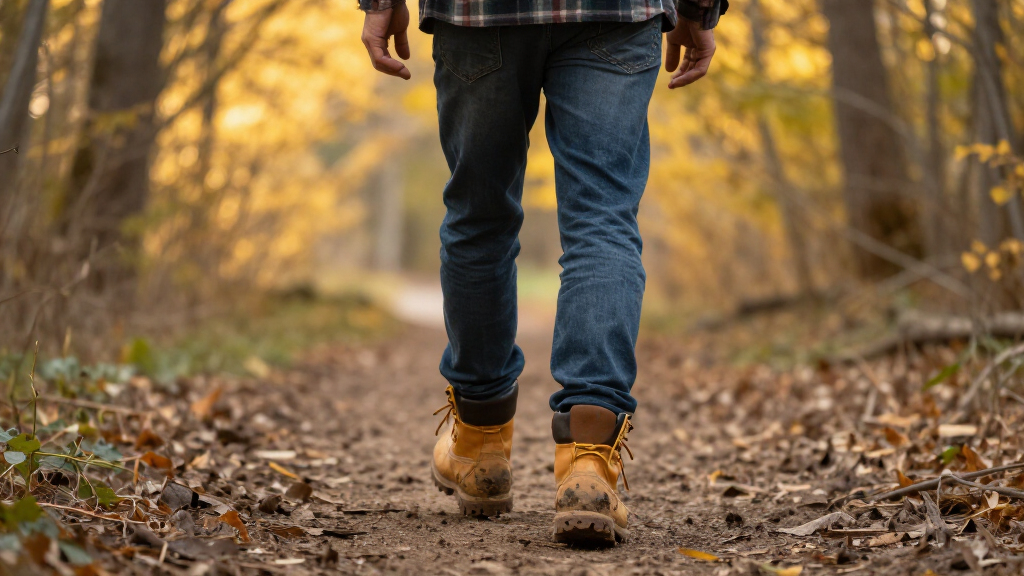
The best Timberland boots depend on where you plan to wear them: the White Ledge Mid Waterproof is my best overall pick for versatile hiking and wet-weather use, while the PRO Pit Boss is better suited to job sites that require a steel toe. For everyday style, the Premium 6-Inch Waterproof Boot offers a more iconic look, though it is less specialized than either work or hiking options. The main tradeoffs are protection versus lighter wear, waterproofing versus breathability, and rugged function versus casual styling. Read on for a comparison of all 13 boots, including where similar models differ and who should skip each type.

Get your wardrobe favorites delivered free with Prime
- Fast, free delivery on millions of items
- Prime Video, Amazon Music and more included
- Member-only deals all year
Key Takeaways
- The White Ledge Mid Waterproof takes the overall lead because it balances hiking-ready support and weather protection without being a dedicated work boot; one listing appears twice, so check the exact product details before comparing.
- Timberland PRO models serve different job needs: the Pit Boss and Keele Ridge add steel-toe protection, while the MaxTRAX Soft Toe avoids a safety toe for work settings where one is not required.
- Waterproofing is not the same as all-day comfort. Choose a waterproof build for wet conditions, but weigh heat and ventilation if you mostly work or walk in warm, dry weather.
- The Premium 6-Inch Waterproof Boot and Earthkeeper 6-Inch Lace-Up lean more toward everyday wear than technical hiking or safety-rated work, making style and intended use key deciding factors.
- Flume Mid and White Ledge are not interchangeable hiking picks: compare fit, support, and intended terrain rather than assuming similar mid-height waterproof designs will feel the same.
| Timberland Men’s White Ledge Mid Waterproof Hiking Boots |  | Best Value Hiking Pick | Sole material: Rubber | Shaft height: Mid | Shaft circumference: 9.75 inches | VIEW LATEST PRICE | See Our Full Breakdown |
| Timberland PRO Men’s MaxTRAX Soft Toe SRO Waterproof Work Boot |  | Best for Slip-Prone Workplaces | Outer material: Leather | Sole material: Thermoplastic polyurethane | Shaft circumference: 24 centimeters | VIEW LATEST PRICE | See Our Full Breakdown |
| Timberland PRO Men’s Pit Boss 6 Inch Steel Safety Toe Industrial Work Boot |  | Best Steel-Toe Work Boot | Sole material: Rubber | Shaft height: Ankle | Shaft circumference: 9.75 inches | VIEW LATEST PRICE | See Our Full Breakdown |
| Timberland Men’s Flume Mid Waterproof Hiking Boot |  | Best for Lighter-Fitting Day Hikes | Sole material: Rubber | Shaft height: Mid | Shaft circumference: 9.25 inches | VIEW LATEST PRICE | See Our Full Breakdown |
| Timberland Men’s White Ledge Mid Waterproof Hiking Boots | 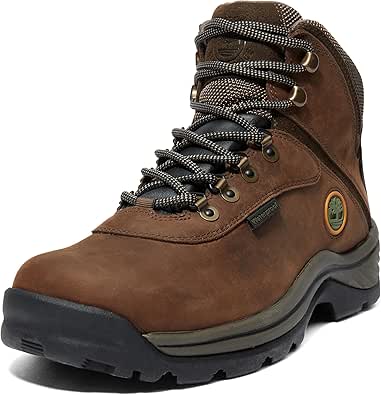 | Best for Wet, Rugged Trails | Origin: Imported | Sole material: Rubber | Shaft height: Ankle | VIEW LATEST PRICE | See Our Full Breakdown |
| Timberland PRO Men’s Keele Ridge Steel Safety Toe Waterproof Industrial Hiking Boots |  | Best for Rugged Outdoor Work | Safety toe: Steel; meets ASTM F2412-18a and ASTM F2413-18 standards | Waterproofing: Yes; listed as meeting ASTM F1671-07 | Electrical hazard protection: Yes; meets ASTM F2412-18a, F2413-18, and F2892-18 standards | VIEW LATEST PRICE | See Our Full Breakdown |
| Timberland PRO Men’s Direct Attach MaxTRAX Waterproof Steel Toe Work Boot |  | Best for Cold, Demanding Work Shifts | Upper material: Waterproof leather | Lining: Breathable synthetic | Insulation: 200 grams Thermolite | VIEW LATEST PRICE | See Our Full Breakdown |
| Timberland Men’s Earthkeeper 6-Inch Lace-Up Boot |  | Best for Everyday Leather Wear | Upper: 100% full-grain leather | Lining: 50% recycled PET | Laces: 100% recycled PET | VIEW LATEST PRICE | See Our Full Breakdown |
| Timberland Britton Road Mid Chelsea Boot |  | Best Waterproof Pull-On | Upper material: Premium Timberland leather | Lining: ReBOTL fabric made from 50% recycled PET | Midsole: EVA | VIEW LATEST PRICE | See Our Full Breakdown |
| Timberland Redwood Falls Waterproof |  | Best for Wet-Weather Comfort | Sole material: Rubber | Shaft height: Ankle | Shaft circumference: 9.75 inches | VIEW LATEST PRICE | See Our Full Breakdown |
| Timberland Men’s 6 Inch Premium Boots |  | Best Classic Waterproof Pick | Material: Premium leather | Waterproofing: Seam-sealed construction | Sole material: Rubber | VIEW LATEST PRICE | See Our Full Breakdown |
| Timberland Men’s Premium 6-Inch Waterproof Boot |  | Best for Cold, Wet Days | Upper material: Nubuck leather | Waterproofing: Seam-sealed | Insulation: 400 g PrimaLoft | VIEW LATEST PRICE | See Our Full Breakdown |
| Timberland Men’s Britton Road Waterproof Boot |  | Best Supportive Everyday Alternative | Waterproof: Yes | Sole material: Rubber | Shaft height: Ankle | VIEW LATEST PRICE | See Our Full Breakdown |
| Timberland boot | Sole material | Shaft height | Shaft circumference | Lining |
|---|---|---|---|---|
| Timberland Men’s White Ledge M | Rubber | Mid | 9.75 inches | ReBOTL fabric |
| Timberland PRO Men’s MaxTRAX S | Thermoplastic polyurethane | — | 24 centimeters | ReBOTL fabric containing at least 50% recycled plastic |
| Timberland PRO Men’s Pit Boss | Rubber | Ankle | 9.75 inches | — |
| Timberland Men’s Flume Mid Wat | Rubber | Mid | 9.25 inches | Mesh |
| Timberland Men’s White Ledge M | Rubber | Ankle | 9.75 inches | ReBOTL fabric |
| Timberland PRO Men’s Keele Rid | — | — | — | — |
| Timberland PRO Men’s Direct At | — | — | — | Breathable synthetic |
| Timberland Men’s Earthkeeper 6 | — | — | — | 50% recycled PET |
| Timberland Britton Road Mid Ch | — | Ankle | 9.75 inches | ReBOTL fabric made from 50% recycled PET |
| Timberland Redwood Falls Water | Rubber | Ankle | 9.75 inches | Leather |
| Timberland Men’s 6 Inch Premiu | Rubber | 6 inches | 9.5 inches | — |
| Timberland Men’s Premium 6-Inc | Rubber with 10% plant-based material | Ankle | — | — |
| Timberland Men’s Britton Road | Rubber | Ankle | 9.75 inches | Leather |
More Details on Our Top Picks
Timberland Men’s White Ledge Mid Waterproof Hiking Boots
The White Ledge Mid is my practical pick for hikers who want waterproof Timberland leather and cushioning without moving to a specialized work boot. Its gusseted tongue helps keep trail debris and water from slipping in, while the EVA footbed and midsole soften each step on day hikes. Compared with the Flume Mid, this version has a slightly roomier listed shaft circumference and ReBOTL fabric lining rather than mesh, giving it a more trail-oriented feel. The tradeoff is weight: it may feel cumbersome beside lighter everyday footwear, and its styling is less versatile for casual outfits. I’d choose it over the steel-toe Pit Boss for outdoor walking, but skip it if low weight or a dressier look matters most.
Pros:- Waterproof Timberland leather upper and gusseted tongue help block wet conditions and trail debris.
- EVA footbed and midsole add cushioning for day hikes.
- Rustproof hardware is suited to repeated outdoor exposure.
- ReBOTL fabric lining provides a recycled-material component.
Cons:- May feel heavy compared with lighter hiking footwear.
- Limited color options reduce style flexibility.
- Less suited to worksite protection than the steel-toe Pit Boss.
Best for: Day hikers who want waterproof leather, cushioned support, and a mid-height boot for mixed outdoor use.
Not ideal for: Buyers prioritizing lightweight footwear or a boot that pairs easily with smart-casual clothing.
- Sole material:Rubber
- Shaft height:Mid
- Shaft circumference:9.75 inches
- Upper:Waterproof Timberland leather
- Lining:ReBOTL fabric
- Footbed:EVA
- Midsole:EVA
Our verdict“Choose this White Ledge for cushioned, waterproof day hikes; skip it if you want a lightweight or work-rated boot.”
Timberland PRO Men’s MaxTRAX Soft Toe SRO Waterproof Work Boot
The MaxTRAX Soft Toe SRO earns its place for jobs where wet, oily, or slick floors make grip a priority. Its MaxTRAX slip-resistant TPU outsole is also nonmarking, oil-resistant, and abrasion-resistant, making this a more workplace-focused choice than the White Ledge hiking boot. Waterproof leather and 200-gram Thermolite insulation add protection for damp, cooler conditions, while the soft toe avoids the weight and fit constraints of a safety toe. That also means it is not a substitute for the Pit Boss when a steel toe is required. This boot is built around work function, not casual versatility, and its substantial construction may feel heavy for all-day wear away from the job.
Pros:- MaxTRAX outsole is slip-resistant and resists oil, abrasion, and marking.
- Waterproof leather upper helps protect feet in wet work conditions.
- 200-gram Thermolite insulation adds warmth in cooler environments.
- ASTM EH compliance suits jobs requiring electrical-hazard-rated footwear.
Cons:- Soft toe does not provide the impact protection of the Pit Boss steel toe.
- Work-focused build may feel heavy compared with casual footwear.
- Limited casual styling makes it less versatile off the job.
Best for: Workers who spend long shifts on wet or oily floors and need waterproof protection with a soft-toe design.
Not ideal for: Workers whose site requires a protective safety toe, or buyers seeking a light, casual everyday boot.
- Outer material:Leather
- Sole material:Thermoplastic polyurethane
- Shaft circumference:24 centimeters
- Lining:ReBOTL fabric containing at least 50% recycled plastic
- Waterproof:Yes
- Insulation:200-gram Thermolite
- Outsole:Nonmarking, oil- and abrasion-resistant TPU with MaxTRAX slip-resistant tread
- Toe type:Soft toe
- Compliance:ASTM F2892-24 EH
Our verdict“Pick the MaxTRAX for wet, slick work floors when a soft toe is acceptable, but choose the Pit Boss if your job calls for steel-toe protection.”
Timberland PRO Men’s Pit Boss 6 Inch Steel Safety Toe Industrial Work Boot
For industrial work that calls for toe protection, the Pit Boss is the clear safety-first choice in this group. Its steel toe meets the listed ASTM impact and compression standards, while the roomy toe box and 24/7 Comfort Suspension aim to make long shifts more manageable. Compared with the soft-toe MaxTRAX, it brings impact protection but gives up that model’s waterproof construction, insulation, and specialized slip-resistant tread. The Pit Boss instead uses a rugged rubber sole for traction on wet or slippery surfaces. That protective build can feel heavy, and the leather may need a break-in period before it feels comfortable. I’d favor it for industrial sites with safety-toe rules, not for hikers seeking a lighter waterproof trail boot.
Pros:- Steel safety toe meets the listed ASTM impact and compression standards.
- Roomy toe box gives feet more space than a narrow protective fit.
- 24/7 Comfort Suspension and removable sock liner support long-shift comfort.
- Rubber sole offers traction on wet or slippery surfaces.
Cons:- Steel-toe construction may feel heavy during extended wear.
- May require a break-in period before reaching full comfort.
- Waterproofing is not listed, unlike the MaxTRAX work boot.
Best for: Industrial workers who need an ASTM-compliant steel toe and cushioning for extended shifts.
Not ideal for: Hikers or workers who require waterproofing, insulation, or the MaxTRAX model’s specified slip-resistant outsole.
- Sole material:Rubber
- Shaft height:Ankle
- Shaft circumference:9.75 inches
- Safety toe standard:ASTM F2412-18a and ASTM F2413-18 I & C impact
- Comfort system:Timberland PRO 24/7 Comfort Suspension
- Toe type:Steel safety toe
- Sock liner:Removable
Our verdict“Choose the Pit Boss when your job requires a steel toe and shift-long cushioning, but look elsewhere for listed waterproof protection.”
Timberland Men’s Flume Mid Waterproof Hiking Boot
The Flume Mid keeps the core hiking essentials straightforward: waterproof Timberland leather, a gusseted tongue, rubber traction, and an EVA footbed. Its 9.25-inch shaft circumference is narrower than the White Ledge models’ listed 9.75 inches, which may suit buyers who prefer a closer-feeling mid-height profile. The mesh lining also sets it apart from the ReBOTL-lined White Ledge options, while the provided specs do not list a separate EVA midsole. This makes the Flume a simpler hiking choice rather than a feature-heavy alternative. It still may feel heavy, and the leather-and-rubber construction is less appealing if you want a casual shoe for daily city wear. Compared with the White Ledge, it gives up some listed cushioning detail for a narrower shaft and mesh lining.
Pros:- Waterproof Timberland leather upper helps shield feet from wet conditions.
- Fully gusseted tongue helps keep debris and water from entering.
- Mesh lining and EVA footbed provide comfort-focused interior details.
- Rubber sole is suited to outdoor traction.
Cons:- May feel heavy for buyers used to lightweight hiking footwear.
- Limited color options restrict choice.
- Less cushioning detail is specified than on the White Ledge models.
Best for: Day hikers who prefer a narrower mid-height fit and want waterproof leather with a mesh lining.
Not ideal for: Buyers who want the White Ledge’s specified EVA midsole and ReBOTL lining, or who prioritize lightweight casual footwear.
- Sole material:Rubber
- Shaft height:Mid
- Shaft circumference:9.25 inches
- Upper:Waterproof Timberland leather
- Lining:Mesh
- Insole:EVA footbed
- Tongue:Fully gusseted
- Hardware:Rustproof speed-lace hardware
Our verdict“Pick the Flume if you want a waterproof hiking boot with a narrower listed shaft and mesh lining; choose the White Ledge for specified EVA midsole cushioning.”
Timberland Men’s White Ledge Mid Waterproof Hiking Boots
This White Ledge version is the strongest match here for hikers who put water protection and outsole grip ahead of a short break-in. Its seam-sealed construction pairs with premium waterproof Timberland leather, while multi-directional lugs are designed to find purchase as trail surfaces change. The EVA footbed and midsole add cushioning, and ReBOTL lining brings recycled material into the boot. Compared with the Flume, it has more explicit construction details for wet-weather protection and lugged traction; compared with the other White Ledge listing, its description calls out an LWG Silver-rated tannery and premium leather. The cost of that trail-ready build is a possible break-in period, and its ankle-height shaft may offer less coverage than buyers expecting a taller boot.
Pros:- Seam-sealed construction and waterproof premium leather are suited to wet conditions.
- Multi-directional rubber lugs support traction across changing trail surfaces.
- EVA footbed and midsole provide cushioning for walking.
- ReBOTL lining includes recycled material.
Cons:- May need a break-in period before it feels comfortable.
- Ankle-height shaft may provide less coverage than some hikers want.
- More trail-focused construction is less suited to buyers seeking a lightweight casual boot.
Best for: Hikers who regularly encounter wet trails and want waterproof construction, lugged traction, and EVA cushioning.
Not ideal for: Buyers who need a boot that feels broken-in immediately or want a taller shaft for added coverage.
- Origin:Imported
- Sole material:Rubber
- Shaft height:Ankle
- Shaft circumference:9.75 inches
- Upper:Waterproof premium Timberland leather
- Lining:ReBOTL fabric
- Construction:Seam-sealed
- Midsole:EVA
Our verdict“Choose this White Ledge for wet trails and lugged traction, but allow for break-in and check that its ankle-height shaft suits your coverage needs.”
Timberland PRO Men’s Keele Ridge Steel Safety Toe Waterproof Industrial Hiking Boots
The Keele Ridge is the strongest fit here for jobs that combine uneven outdoor ground with workplace safety requirements. Its steel toe, electrical hazard protection, and waterproof membrane address risks that the Earthkeeper 6-Inch Lace-Up Boot is not designed to handle, while the rubber outsole resists slip, oil, abrasion, and heat. That makes it more work-focused than a casual leather boot, though its safety build is likely to feel heavier and less flexible than the Earthkeeper. I’d choose it for industrial sites where wet conditions and underfoot hazards are part of the day, not simply for everyday wear. The tradeoff is a potentially longer break-in and a utilitarian style with fewer styling options.
Pros:- Steel safety toe meets the listed ASTM F2412-18a and F2413-18 standards.
- Waterproof membrane is listed as meeting ASTM F1671-07.
- Electrical hazard protection is specified for worksite use.
- Rubber outsole resists heat, slipping, oil, and abrasion.
Cons:- Steel-toe construction can feel heavy compared with non-safety boots such as the Earthkeeper.
- May require a break-in period before it feels comfortable for long shifts.
- Its industrial design offers less styling versatility for casual wear.
Best for: Outdoor and industrial workers who need waterproof coverage, a steel safety toe, and electrical hazard protection in one boot.
Not ideal for: Buyers seeking a light, flexible everyday boot or a polished casual style; its safety construction adds weight and may need break-in time.
- Safety toe:Steel; meets ASTM F2412-18a and ASTM F2413-18 standards
- Waterproofing:Yes; listed as meeting ASTM F1671-07
- Electrical hazard protection:Yes; meets ASTM F2412-18a, F2413-18, and F2892-18 standards
- Outsole material:Rubber
- Outsole resistance:Heat-, slip-, oil-, and abrasion-resistant
- ReBOTL material:Contains at least 50% recycled PET
Our verdict“Choose the Keele Ridge when jobsite protection and wet-weather durability matter more than a lightweight feel or casual styling.”
Timberland PRO Men’s Direct Attach MaxTRAX Waterproof Steel Toe Work Boot
Compared with the Keele Ridge, the Direct Attach MaxTRAX puts more emphasis on insulated work comfort than on an industrial-hiking profile. It pairs a steel toe and electrical hazard protection with 200 grams of Thermolite insulation, a breathable lining, and a seam-sealed waterproof build. That mix is a useful match for cold, wet shifts, while the MaxTRAX outsole targets oil- and slip-prone floors. Its PU midsole and fatigue-reducing comfort system also make it more shift-oriented than the Earthkeeper, which lacks the listed safety features. The compromise is warmth: insulation can become uncomfortable in hot weather, and steel-toe construction is less flexible and heavier than non-safety footwear.
Pros:- Seam-sealed waterproof construction helps keep water out.
- 200 grams of Thermolite insulation adds warmth for cold shifts.
- Steel toe and electrical hazard protection suit demanding work environments.
- MaxTRAX TPU outsole is oil- and slip-resistant.
Cons:- Insulation may feel too warm during hot-weather work.
- Steel-toe construction can feel heavier and less flexible than non-safety boots.
- Work-focused construction is less suited to casual wear than the Earthkeeper.
Best for: Workers on cold or wet job sites who need a steel toe, electrical hazard protection, and traction on oily or slippery surfaces.
Not ideal for: People working mainly in warm conditions or seeking a flexible, lightweight boot for everyday wear; the insulation and steel toe add bulk and warmth.
- Upper material:Waterproof leather
- Lining:Breathable synthetic
- Insulation:200 grams Thermolite
- Toe protection:Steel toe
- Outsole:Oil- and slip-resistant TPU with MaxTRAX tread
- Midsole:PU
- Closure:Lace-up
- Construction:Direct attached; seam-sealed waterproof
- Electrical hazard protection:EH
Our verdict“Pick the Direct Attach MaxTRAX for cold, wet work shifts where insulation and safety features matter more than low weight.”
Timberland Men’s Earthkeeper 6-Inch Lace-Up Boot
The Earthkeeper 6-Inch is the casual leather choice in this group: it skips the industrial safety package found on the Keele Ridge and Direct Attach MaxTRAX in favor of full-grain leather and a removable anti-fatigue footbed. Recycled PET in the lining and laces, plus recycled rubber in the outsole, adds material-conscious details without making the boot a work-safety substitute. Its listed weight is 1 lb 3 oz per boot in size 9, giving buyers a concrete reference point, though it is still a substantial leather boot rather than a lightweight sneaker alternative. Fit needs extra attention: Timberland recommends ordering one size down from a usual sneaker size, a more specific sizing caveat than the other boots here.
Pros:- Full-grain leather upper offers a classic, durable boot construction.
- Removable anti-fatigue footbed allows for footbed replacement or adjustment.
- Lining and laces are made with recycled PET.
- Outsole includes 15% recycled rubber.
Cons:- Sizing guidance calls for one size down from usual sneaker size, which may complicate ordering.
- Waterproofing and jobsite safety features are not listed, unlike the Keele Ridge.
- At 1 lb 3 oz per boot in size 9, it is not a lightweight option.
Best for: Buyers who want a traditional six-inch full-grain leather boot for everyday wear and value a removable comfort footbed and recycled materials.
Not ideal for: Workers who need a safety toe, electrical hazard protection, or listed waterproof construction; those features are not specified for this model.
- Upper:100% full-grain leather
- Lining:50% recycled PET
- Laces:100% recycled PET
- Footbed:Removable anti-fatigue
- Outsole:Synthetic; made with 15% recycled rubber
- Weight:1 lb 3 oz per boot in size 9
- Sizing guidance:Recommended to order one size down from usual sneaker size
- Origin:Imported
Our verdict“Choose the Earthkeeper for everyday full-grain leather wear and a removable comfort footbed, not for wet-site protection or safety-rated work.”
Timberland Britton Road Mid Chelsea Boot
The Britton Road Mid Chelsea is the pull-on option for buyers who want waterproof coverage without lacing up. Its seam-sealed construction, PrimaLoft insulation, and rubber lug outsole make it better suited to cold, wet daily conditions than the Earthkeeper, whose listed details focus on leather and a removable footbed. The EVA midsole is intended to cushion and reduce fatigue, while the ReBOTL lining includes 50% recycled PET. Compared with the Redwood Falls Waterproof, the Britton Road’s defining advantage is its Chelsea-style entry; the shared waterproof, insulated direction means the choice is more about closure and styling than a different category of protection. It may feel heavier than synthetic alternatives, and the ankle-height pull-on design is less adjustable than a lace-up boot.
Pros:- Pull-on Chelsea design makes it simpler to put on and remove than lace-up models such as the Earthkeeper.
- Seam-sealed construction is listed as waterproof.
- PrimaLoft insulation adds warmth for cold conditions.
- EVA midsole and rubber lug outsole support cushioning and traction.
Cons:- May feel heavier than synthetic alternatives.
- Pull-on closure offers less fit adjustment than a lace-up boot.
- No safety toe or electrical hazard protection is listed.
Best for: Buyers who want an easy-on, ankle-height leather boot for wet or cold commutes and everyday wear.
Not ideal for: People who need a safety toe, a highly adjustable lace-up fit, or the lightest possible boot; those features are not provided here.
- Upper material:Premium Timberland leather
- Lining:ReBOTL fabric made from 50% recycled PET
- Midsole:EVA
- Outsole:Rubber lug
- Waterproofing:Seam-sealed waterproof construction
- Insulation:PrimaLoft
- Shaft height:Ankle
- Shaft circumference:9.75 inches
Our verdict“Choose the Britton Road if you want an insulated, waterproof leather boot with quick pull-on convenience rather than a work-rated or lace-up design.”
Timberland Redwood Falls Waterproof
The Redwood Falls Waterproof is a comfort-focused ankle boot for buyers who put wet-weather wear ahead of worksite protection. Its seam-sealed waterproof construction, PrimaLoft insulation, anti-fatigue technology, and rubber lug outsole cover the main needs for damp, cool days and extended time on foot. Like the Britton Road Mid Chelsea, it combines waterproofing and insulation, but the Britton Road is the clearer choice for shoppers who specifically want a pull-on Chelsea design. Redwood Falls makes more sense when the priority is a straightforward ankle boot with comfort features; the supplied details do not specify its closure, so I would not choose it for convenience at the entry. It may feel heavier than non-waterproof boots, and no safety toe or electrical hazard protection is listed.
Pros:- Seam-sealed waterproof construction is suited to wet conditions.
- PrimaLoft insulation is specified for warmth, including when wet.
- Anti-fatigue technology targets comfort during extended wear.
- Rubber lug outsole provides traction-oriented tread.
Cons:- May feel heavier than non-waterproof boots.
- No safety toe or electrical hazard protection is listed.
- Closure details are not provided, making it harder to judge fit adjustment and ease of entry.
Best for: Buyers who spend long periods walking in wet, cool conditions and want an insulated ankle boot with cushioning-focused comfort.
Not ideal for: Workers who need a rated safety toe or electrical hazard protection, or shoppers who want the quick pull-on design specified for the Britton Road Chelsea.
- Sole material:Rubber
- Shaft height:Ankle
- Shaft circumference:9.75 inches
- Insulation:PrimaLoft
- Lining:Leather
- Waterproofing:Waterproof, seam-sealed construction
- Comfort feature:Anti-fatigue technology
- Outsole:Durable rubber lug outsole
Our verdict“Pick the Redwood Falls for insulated, waterproof comfort on long days outdoors, but choose the Britton Road if a pull-on Chelsea closure is your priority.”
The 6-inch Premium Boots suit buyers who want Timberland’s familiar ankle-boot format with weather protection, without the added insulation and comfort systems of the Premium 6-Inch Waterproof Boot. Their seam-sealed waterproof leather upper helps keep rain and surface moisture out, while the six-inch shaft offers more ankle coverage than a low boot. The simpler feature set makes this a straightforward choice for everyday wet-weather wear, but it gives up the insulated warmth and anti-fatigue support found on Product 12. Compared with the Britton Road Waterproof Boot, this pair has a more explicitly defined six-inch shaft, while the Britton Road lists PrimaLoft insulation and a slightly wider shaft circumference. The tradeoff is weight: leather and a protective build may feel cumbersome for buyers used to lighter shoes.
Pros:- Premium leather uppers are suited to regular wear
- Seam-sealed waterproof construction helps block moisture
- Six-inch shaft provides ankle coverage
- Rubber sole offers a durable base
Cons:- May feel heavy compared with lighter everyday shoes
- No insulation or anti-fatigue feature is listed
- Color availability is not specified in the provided details
Best for: Timberland fans seeking a classic six-inch waterproof leather boot for everyday use in wet weather, without needing built-in insulation.
Not ideal for: Buyers who prioritize lightweight footwear, added cold-weather warmth, or all-day energy-return support; the insulated Premium 6-Inch Waterproof Boot is better equipped for those needs.
- Material:Premium leather
- Waterproofing:Seam-sealed construction
- Sole material:Rubber
- Shaft height:6 inches
- Shaft circumference:9.5 inches
- Waterproof:Yes
Our verdict“Choose this for a straightforward, classic six-inch waterproof Timberland boot, but pick Product 12 if you need insulation and added underfoot support.”
Among these three, the Premium 6-Inch Waterproof Boot is the most feature-rich choice for buyers facing chilly, damp days. Its 400 g PrimaLoft insulation adds warmth without relying on a heavy traditional lining, while seam-sealed construction addresses rain and slush. The anti-fatigue sole is another practical distinction: it is designed to return energy underfoot, making this more suited to long days on your feet than the simpler 6 Inch Premium Boots, which list no insulation or similar support system. Goodyear welt construction also signals a build focused on durability, though the complete package has a cost in heft. Compared with the Britton Road Waterproof Boot, this model specifies its insulation weight and welt construction, but those robust components may feel excessive for mild weather or short, casual outings.
Pros:- Seam-sealed construction helps keep water out
- 400 g PrimaLoft insulation provides warmth
- Anti-fatigue technology is designed for extended wear
- Goodyear welt construction supports a durable build
Cons:- Robust construction and insulation can make the boot feel heavy
- May be warmer than needed for mild conditions
- More built-up than a basic everyday waterproof boot
Best for: People who spend extended time outdoors or on their feet in cold, wet weather and want insulation alongside waterproofing.
Not ideal for: Warm-weather wearers or shoppers seeking a light, simple boot; its insulation and durable construction add weight compared with the uninsulated 6 Inch Premium Boots.
- Upper material:Nubuck leather
- Waterproofing:Seam-sealed
- Insulation:400 g PrimaLoft
- Construction:Goodyear welt
- Sole material:Rubber with 10% plant-based material
- Shaft height:Ankle
- Anti-fatigue technology:Yes
- Origin:Imported
Our verdict“Pick this model for cold, wet days and long hours on your feet; for a less insulated option, choose the 6 Inch Premium Boots.”
Timberland Men’s Britton Road Waterproof Boot
The Britton Road Waterproof Boot takes a comfort-and-weather approach without specifying the insulation weight or welt construction listed for the Premium 6-Inch Waterproof Boot. Its PrimaLoft insulation is intended to retain warmth even when damp, and anti-fatigue technology makes it a sensible option for extended wear. The 9.75-inch shaft circumference is slightly roomier on paper than the 9.5 inches listed for the 6 Inch Premium Boots, which may appeal to buyers who prefer more space around the shaft. This model still has a tradeoff: its waterproof, insulated build may feel heavier than a non-waterproof boot, and the provided details do not specify how much insulation it uses. Choose it for everyday wet-weather support, but favor Product 12 if a stated insulation weight and Goodyear welt construction matter more to you.
Pros:- Waterproof construction is suited to wet conditions
- PrimaLoft insulation is designed to retain warmth when wet
- Anti-fatigue technology supports extended wear
- 9.75-inch shaft circumference is wider than the 6 Inch Premium Boots’ listed 9.5 inches
Cons:- May feel heavier than non-waterproof footwear
- Insulation weight is not specified
- Color availability is not specified in the provided details
Best for: Buyers wanting an insulated, waterproof ankle boot with anti-fatigue support for regular wear in damp or cool conditions.
Not ideal for: Shoppers who need a precise insulation weight or prefer a lighter boot for mild weather; the Premium 6-Inch Waterproof Boot provides a specified 400 g insulation rating, though it is also robust.
- Waterproof:Yes
- Sole material:Rubber
- Shaft height:Ankle
- Shaft circumference:9.75 inches
- Insulation:PrimaLoft
- Lining:Leather
- Origin:Imported
Our verdict“Choose the Britton Road for waterproof warmth and supportive everyday wear, but select Product 12 if you want a stated insulation weight and Goodyear welt construction.”

How We Picked
I ranked these boots around the jobs buyers actually ask them to do: handle wet trails, protect feet at work, or serve as dependable everyday footwear. I weighed the stated construction and purpose of each model, including waterproofing, toe protection, boot height, sole design, and whether the design is aimed at industrial use, hiking, or casual wear. I also considered how much versatility a boot offers outside its primary role and the compromises a buyer accepts in weight, warmth, or specialization.
The ranking favors models with a clear use case and a useful balance of protection and day-to-day practicality. The White Ledge leads as a broadly useful hiking option; work boots rank according to the safety needs they address, not as substitutes for casual footwear. Style-focused boots sit lower for demanding trail or job-site use because they are less specialized. The White Ledge appears twice in the supplied lineup, so I treat the duplicate as one distinct model rather than inventing a difference between listings.
| Timberland boot | Sole material |
|---|---|
| Timberland Men’s White Ledge M | Rubber |
| Timberland PRO Men’s MaxTRAX S | Thermoplastic polyurethane |
| Timberland PRO Men’s Pit Boss | Rubber |
| Timberland Men’s Flume Mid Wat | Rubber |
| Timberland Men’s White Ledge M | Rubber |
| Timberland PRO Men’s Keele Rid | — |
| Timberland PRO Men’s Direct At | — |
| Timberland Men’s Earthkeeper 6 | — |
| Timberland Britton Road Mid Ch | — |
| Timberland Redwood Falls Water | Rubber |
| Timberland Men’s 6 Inch Premiu | Rubber |
| Timberland Men’s Premium 6-Inc | Rubber with 10% plant-based material |
| Timberland Men’s Britton Road | Rubber |
Factors to Consider When Choosing Best Timberland Boots
Before choosing among Timberland boots, start with the conditions and rules the boot must meet, then narrow the options by fit and intended wear. A familiar silhouette or a waterproof label alone does not tell you whether a boot suits your job, trail, or daily routine.
Match Toe Protection to Your Workplace
Start with your employer’s footwear requirements, not with the boot that looks most rugged. A steel toe can be the right choice where impact protection is required, but it adds structure and may feel less flexible than a soft-toe design. Soft-toe work boots can make more sense when safety rules allow them and you value easier movement. Also check whether your workplace requires a particular safety certification or feature; a product name alone does not confirm compliance with every site’s rules. Avoid treating hiking boots as job-site safety footwear unless their stated protections meet your workplace requirements. Paying for protection you do not need can add weight without helping your daily use.
Choose Waterproofing for Your Conditions
Waterproof boots help when you regularly face rain, puddles, or damp ground, but they are not automatically the best choice for every climate. A more sealed build can feel warmer, and that may be a drawback during hot shifts or long walks in dry conditions. Think about how often water reaches your footwear and whether you need protection for the whole day or only occasional showers. A waterproof hiking boot is useful for wet trails, while a work boot’s waterproof build may matter more around wet floors or outdoor tasks. Do not assume waterproof means maintenance-free: clean off dirt and follow the maker’s care guidance to preserve the materials. If breathability matters more than wet-weather protection, compare non-waterproof options before settling on a sealed boot.
Fit Boots for the Socks and Schedule You’ll Wear
Boot fit can change with thick work socks, winter layers, or swelling after a long day, so try footwear with the socks you expect to wear. Leave enough room for toes to move, but avoid a loose heel that rubs on descents or during repeated steps. A boot that feels firm in the shop may need a break-in period, yet sharp pressure or numbness is a sign to reassess the fit rather than wait it out. Compare the fit across intended uses: a supportive hiking boot and a structured safety boot may feel different even in the same size. Check the seller’s sizing guidance and return terms before ordering online. Choosing by your usual sneaker size alone can lead to an uncomfortable match.
Weigh Weight Against Support and Protection
Extra structure can help on uneven trails or demanding workdays, but heavier footwear takes more effort over hours of walking. A mid-height hiking boot may provide a more secure feel than a casual lace-up, while a safety toe brings protection with additional bulk. Consider how much time you spend on your feet and how often the terrain or hazards justify that weight. Buyers who walk mostly on flat streets may prefer a less specialized boot, even if it offers fewer trail or job-site features. On the other hand, choosing the lightest option for rough ground can leave you wanting more support. Match the build to your actual routine rather than choosing the most rugged-looking pair.
Separate Style Boots from Technical Boots
Timberland’s familiar six-inch and Chelsea-inspired styles can work well for everyday outfits, but appearance does not establish suitability for hiking or industrial work. Decide whether you need a boot primarily for looks, weather coverage, or performance, then rank those needs honestly. A casual boot can be a versatile wardrobe choice, though its design may not offer the same work protections or trail-focused support as purpose-built models. Likewise, a safety boot can be practical on the job but may feel out of place or unnecessarily heavy for everyday wear. If you want one pair for several settings, check that each use is supported by the boot’s stated features. Buyers often overestimate how well one specialized pair can cover every situation.
Plan for Care and Long-Term Wear
Boot care depends on the materials and the conditions they face, so check the manufacturer’s instructions before applying cleaners or conditioners. Mud and salt can shorten the life of footwear when left on the surface, while drying boots beside direct heat can damage materials. If you wear boots daily, allow them time to dry between uses when possible, especially after wet work or hikes. Think about the cost of upkeep in time as well as products: a pair worn in harsh conditions will need more attention than one reserved for casual use. Inspect soles, seams, and uppers regularly so wear does not surprise you mid-season. Choosing a boot you are willing to maintain can matter as much as choosing its initial features.
Frequently Asked Questions
Which Timberland boot should I choose if I need one pair for both hiking and everyday wear?
Start with the White Ledge Mid Waterproof if hiking is a real part of your routine and you also want a boot for wet-weather errands. Its hiking purpose makes it a more sensible crossover than a style-first six-inch boot, though it may look more outdoors-oriented with casual clothes. If everyday appearance matters more and your walks are mostly on pavement, compare the Premium 6-Inch or Britton Road options instead. No single pair is ideal for serious trails, formal work requirements, and casual outfits at once. Pick the use you cannot compromise on, then treat the other settings as secondary.
Do I need a steel-toe Timberland PRO boot, or is a soft-toe work boot enough?
Let your job’s safety rules decide this, since a soft toe is not a substitute for required impact protection. The Pit Boss, Keele Ridge, and Direct Attach MaxTRAX Steel Toe are the steel-toe options in this lineup, while the MaxTRAX Soft Toe is intended for settings where a safety toe is not needed. Ask your supervisor which protection standards apply before ordering. A steel toe may bring extra structure and weight, so there is little reason to accept that tradeoff if your work does not call for it. Confirm the exact product’s stated safety specifications rather than relying on the model name.
Are waterproof Timberland boots a good choice for hot-weather work?
They can be useful if your work regularly involves wet ground, rain, or splashes, but waterproofing may feel warmer during hot shifts. Consider how much water exposure you actually face and whether your job permits a less sealed boot. A waterproof model is not automatically more comfortable for all-day wear, especially if ventilation is a higher priority than keeping water out. If you need waterproof protection, choose appropriate socks and allow the boots to dry between shifts when possible. For mostly dry, warm conditions, compare the available non-waterproof options before committing.
Is the White Ledge Mid different from the White Ledge listing that appears twice?
The supplied roundup includes the Timberland Men’s White Ledge Mid Waterproof Hiking Boots twice under the same name. That duplicate listing does not establish a separate model or a meaningful performance difference. Check the product page for the exact size, color, and specifications before purchasing, since listing details can vary. In this guide, I treat the two entries as one distinct boot rather than assigning separate strengths to identical product names. If the listings show different construction details, compare those details directly before choosing.
Should I buy a Timberland style boot or a purpose-built hiking or work boot?
Choose a style-led boot such as the Premium 6-Inch or Britton Road when everyday appearance is your main priority and your use is mostly casual. For trails, a hiking-focused model offers a clearer match to uneven ground and outdoor conditions. For work, use a PRO boot that meets your employer’s safety requirements rather than assuming a casual boot will protect you adequately. A crossover pair can be convenient, but it usually asks you to accept a compromise in at least one setting. Write down your most frequent use and any mandatory safety needs before choosing.
Conclusion
For the broadest mix of wet-weather walking and hiking, my best overall pick is the White Ledge Mid Waterproof. Buyers comparing hiking options can also look at the Flume Mid, while the best value choice is the model that meets their needs without paying for unused safety features or style details; among these picks, the Flume Mid is the straightforward option for buyers seeking a simpler waterproof hiking boot. My best premium-style pick is the Premium 6-Inch Waterproof Boot for its recognizable everyday look, and the White Ledge is the best choice for beginners who want one clear entry point into Timberland’s hiking-focused options. For specific needs, choose the Pit Boss or Keele Ridge when your workplace calls for steel-toe protection, and the MaxTRAX Soft Toe when your work allows a softer toe. If you want a boot mainly for casual wear, compare the Earthkeeper, Redwood Falls, and Britton Road styles by fit and appearance rather than expecting them to replace dedicated trail or safety footwear.