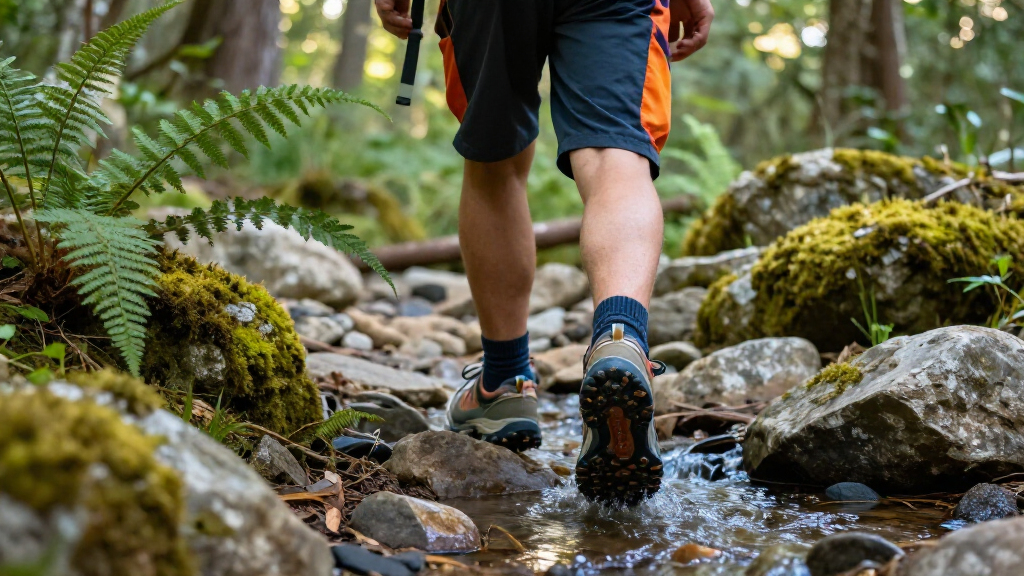

The best hiking sneakers balance trail grip, comfort, and support without the bulk of a traditional boot. My best overall pick is the Merrell Men’s Moab 3 Hiking Shoe for its versatile hiking-focused design, while the adidas Terrex Eastrail 3 stands out for hikers who want a more sneaker-like feel, and the Saucony Excursion TR16 GTX suits buyers who prioritize a waterproof trail-running style. The main tradeoffs are waterproof protection versus breathability, lighter weight versus underfoot support, and trail versatility versus casual comfort. A shoe that works on dry park paths may not feel secure on wet, rocky ground. Read on for how the full lineup compares and which option fits your hikes.

Get your wardrobe favorites delivered free with Prime
- Fast, free delivery on millions of items
- Prime Video, Amazon Music and more included
- Member-only deals all year
Key Takeaways
- The Merrell Moab 3 is the most balanced hiking-focused choice in this lineup; it makes more sense for varied trail use than the retro-styled KEEN KS86.
- The adidas Terrex Eastrail 3 comes in both women’s and men’s versions, giving shoppers a consistent option when they want a trail-ready sneaker feel across different fits.
- Waterproofing is a recurring feature, not a universal advantage: GTX and waterproof models suit damp conditions, while less weather-focused shoes can be preferable on warm, dry hikes.
- The lineup spans distinct uses, not just price tiers: the Saucony Excursion TR16 GTX leans toward trail-running comfort, while the Oboz Bozeman II and Columbia hiking shoes favor hiking-oriented construction.
- Several budget-oriented and lesser-known options emphasize lightweight waterproof protection, but buyers should weigh that appeal against the established hiking-shoe focus of picks such as Merrell, Oboz, and Columbia.
| Merrell Women’s Siren Edge 3 Shoes |  | Best for Long-Distance Support | Upper material: Mesh and TPU | Lining: Mesh | Closure: Traditional lace | VIEW LATEST PRICE | See Our Full Breakdown |
| adidas Women’s Terrex Eastrail 3 Hiking Shoes |  | Best for a Straightforward Lace-Up Build | Outer material: Rubber | Sole material: Rubber | Closure: Lace-up | VIEW LATEST PRICE | See Our Full Breakdown |
| adidas Men’s Terrex Eastrail 3 Hiking Shoes |  | Best for Minimalist Trail-Shoe Details | Outer material: Rubber | Sole material: Rubber | Closure: Lace-up | VIEW LATEST PRICE | See Our Full Breakdown |
| Oboz Men’s Bozeman II Hiking Shoe |  | Best for Cushioned Everyday Versatility | Upper material: Suede leather | Fabric: 100% polyester | Midsole: Compression-molded EVA with KINERTIA cushioning | VIEW LATEST PRICE | See Our Full Breakdown |
| Merrell Women’s Speed Strike 2 Hiking Shoe |  | Best Lightweight Athletic Pick | Upper: Synthetic and mesh | Inner material: Mesh | Midsole: Lightweight EVA foam | VIEW LATEST PRICE | See Our Full Breakdown |
| OUTJET Women’s Waterproof Lightweight Hiking Shoes |  | Best Lightweight Waterproof Pick | Brand: OUTJET | Weight: 10.7 oz per shoe | Outer material: Nylon | VIEW LATEST PRICE | See Our Full Breakdown |
| adidas Men’s Terrex Anylander Hiking Shoes |  | Best for Rugged-Day Versatility | Weight: 390 g (US size 9) | Upper: Stretchy soft textile with reinforced toe cap | Midsole: EVA | VIEW LATEST PRICE | See Our Full Breakdown |
| OL OUTJET LEGEND Men’s Waterproof Leather Hiking Shoes |  | Best Leather Waterproof Option | Style: Low-top | Outer material: Leather | Inner material: Leather | VIEW LATEST PRICE | See Our Full Breakdown |
| KEEN Women’s KS86 Retro Sneakers |  | Best for Everyday Wear and Easy Trails | Outer material: Suede | Sole material: Rubber | Footbed: Removable Luftcell | VIEW LATEST PRICE | See Our Full Breakdown |
| Saucony Women’s Excursion TR16 GTX Trail Running Shoes |  | Best for Wet-Weather Trail Miles | Waterproof protection: GORE-TEX | Cushioning: VERSARUN | Outsole: Carbon-rubber lugs | VIEW LATEST PRICE | See Our Full Breakdown |
| Columbia Men’s Crestwood Waterproof Hiking Shoes |  | Best for Wet-Weather Day Hikes | Upper: Leather, mesh, and webbing | Waterproofing: Omni-Tech waterproof, seam-sealed construction | Cushioning: Techlite lightweight impact absorption | VIEW LATEST PRICE | See Our Full Breakdown |
| Columbia Men’s Transverse Low Hiking Shoe |  | Best for Supportive Mixed-Terrain Walking | Upper: Leather and mesh; canvas also listed as outer material | Cushioning: TECHLITE lightweight impact absorption with high energy return | Traction: OMNI-GRIP multi-terrain outsole | VIEW LATEST PRICE | See Our Full Breakdown |
| Columbia Men’s Crestwood Hiking Shoes |  | Best for Dry-Trail Beginners | Upper: Leather and textile, including breathable suede mesh | Shaft height: Low-top | Sole material: Rubber | VIEW LATEST PRICE | See Our Full Breakdown |
| CC-Los Women’s Waterproof Lightweight Hiking Shoes |  | Best for Cushioned Women’s Wet-Weather Walks | Upper: Eco-friendly suede leather and polyester warp-knitted mesh | Inner material: Memory foam | Waterproofing: Waterproof design; technology not specified | VIEW LATEST PRICE | See Our Full Breakdown |
| Merrell Men’s Moab 3 Hiking Shoe |  | Best for Protective, Supportive Day Hikes | Upper: Pigskin leather and mesh | Support: Medium | Insole: Removable Kinetic Fit ADVANCED contoured insole with reinforced heel cushioning | VIEW LATEST PRICE | See Our Full Breakdown |
| hiking sneaker | Sole material | Origin |
|---|---|---|
| Merrell Women’s Siren Edge 3 S | Rubber | Imported |
| adidas Women’s Terrex Eastrail | Rubber | Made in USA and imported |
| adidas Men’s Terrex Eastrail 3 | Rubber | Made in USA and imported |
| Oboz Men’s Bozeman II Hiking S | Rubber | Imported |
| Merrell Women’s Speed Strike 2 | — | Imported |
| OUTJET Women’s Waterproof Ligh | EVA and rubber | — |
| adidas Men’s Terrex Anylander | Rubber | — |
| OL OUTJET LEGEND Men’s Waterpr | EVA and rubber | Imported |
| KEEN Women’s KS86 Retro Sneake | Rubber | Imported |
| Saucony Women’s Excursion TR16 | Rubber | Imported |
| Columbia Men’s Crestwood Water | Rubber | Imported |
| Columbia Men’s Transverse Low | Rubber | Imported |
| Columbia Men’s Crestwood Hikin | Rubber | Imported |
| CC-Los Women’s Waterproof Ligh | Rubber | Imported |
| Merrell Men’s Moab 3 Hiking Sh | — | Made in the USA or imported |
More Details on Our Top Picks
Merrell Women’s Siren Edge 3 Shoes
The Kinetic Fit BASE removable insole gives the Siren Edge 3 a clear advantage for hikers who want contoured support on longer walks. Its breathable mesh lining and bellows tongue also serve practical purposes: ventilation helps on warm outings, while the tongue helps keep trail debris out. Compared with the Merrell Women’s Speed Strike 2, this model emphasizes flexible, contoured insole support rather than a lightweight build and protective toe and heel caps. That makes the Siren Edge 3 a better fit for comfort-focused day hikes, though neither shoe is described as waterproof. The mesh upper can be less protective in wet conditions, and the available details do not specify the outsole pattern or cushioning beyond the insole. I’d choose it for supportive, dry-weather trails, not persistent rain or muddy routes.
Pros:- Removable Kinetic Fit BASE insole provides flexible, contoured support
- Breathable mesh lining helps keep feet cooler
- Bellows tongue helps block trail debris
- Traditional laces allow adjustment for a secure fit
Cons:- Mesh construction may offer limited protection in wet conditions
- No specific outsole tread or traction details are provided
- Less emphasis on protective toe and heel caps than the Merrell Women’s Speed Strike 2
Best for: Women seeking contoured, removable insole support for long day hikes on mostly dry trails
Not ideal for: Hikers who regularly cross wet terrain or want stated waterproofing, since the mesh construction offers less water resistance than leather alternatives
- Upper material:Mesh and TPU
- Lining:Mesh
- Closure:Traditional lace
- Sole material:Rubber
- Insole:Removable Kinetic Fit BASE contoured insole
- Tongue:Bellows construction
- Origin:Imported
Our verdict“Choose the Siren Edge 3 for breathable trail comfort and contoured insole support, but look elsewhere for wet-weather protection.”
adidas Women’s Terrex Eastrail 3 Hiking Shoes
The women’s Terrex Eastrail 3 is a simple, lace-up hiking option with a rubber outer material and rubber sole. Those materials give buyers a clearly stated construction, but the product details provide little about cushioning, tread design, fit, or weather protection. That makes it harder to recommend for demanding routes than the Oboz Men’s Bozeman II, which specifies its cushioning and multidirectional lugs, or the Merrell Women’s Siren Edge 3, which names its supportive removable insole. The Eastrail 3 may suit shoppers who want a basic trail shoe without relying on a list of specialized features; the tradeoff is less information for judging comfort and grip before buying. I would not treat the rubber exterior as proof of waterproofing, since no waterproof membrane or claim is listed.
Pros:- Rubber sole is specified for the shoe
- Rubber outer material is listed
- Lace-up closure allows fit adjustment
Cons:- No cushioning or insole details are provided
- Outsole tread and traction characteristics are unspecified
- No waterproofing claim is listed
Best for: Women who want a basic lace-up hiking shoe with rubber construction for casual walks and uncomplicated trails
Not ideal for: Hikers who need specified cushioning, detailed tread information, or confirmed waterproof protection before choosing a shoe
- Outer material:Rubber
- Sole material:Rubber
- Closure:Lace-up
- Origin:Made in USA and imported
- Product type:Women’s hiking shoes
- Insole:Not specified
Our verdict“Pick the women’s Terrex Eastrail 3 for a simple rubber, lace-up design, but choose a more fully specified shoe if support or traction details matter to you.”
adidas Men’s Terrex Eastrail 3 Hiking Shoes
The men’s Terrex Eastrail 3 keeps its listed construction spare: rubber outer material, a rubber sole, and a lace-up closure. That may appeal to hikers who prefer a basic shoe rather than a feature-heavy design, but it leaves important buying questions unanswered. Unlike the Oboz Men’s Bozeman II, it has no stated midsole cushioning, supportive insole, or multidirectional lug details; compared with the Merrell Women’s Speed Strike 2, it also lacks listed toe and heel protection. The rubber components alone do not establish how well it grips loose ground or handles rain. I’d place it among the simpler choices for casual, straightforward outings, not as a feature-led pick for rough trails. Buyers who need known support or weather protection should favor a model with those details spelled out.
Pros:- Rubber outer material is specified
- Rubber sole is listed
- Lace-up closure permits fit adjustment
Cons:- No insole or midsole cushioning details are provided
- Tread pattern and traction performance are not described
- No waterproofing or protective toe-cap details are listed
Best for: Men looking for a basic lace-up shoe for casual hikes and everyday paths where specialized support details are not a priority
Not ideal for: Men planning rough or wet hikes who want documented cushioning, lug design, protective caps, or waterproofing
- Outer material:Rubber
- Sole material:Rubber
- Closure:Lace-up
- Origin:Made in USA and imported
- Product type:Men’s hiking shoes
- Insole:Not specified
Our verdict“Choose this Terrex Eastrail 3 for a straightforward lace-up design, but pick the Bozeman II or another more fully specified shoe for demanding terrain.”
Oboz Men’s Bozeman II Hiking Shoe
The Bozeman II is the most fully specified comfort-and-grip option in this group. Its compression-molded EVA midsole with KINERTIA cushioning is aimed at softening long days on varied surfaces, while the O FIT Insole adds a deep heel cup and firm molded shell for a more structured feel. Multidirectional Trail Tread lugs give it a clearer trail-purpose case than either adidas Terrex Eastrail 3, whose tread details are not provided. Its suede leather upper also sets it apart from the mesh Merrell Women’s Siren Edge 3, though the available information does not establish that the Bozeman II is waterproof. The likely tradeoff is a more substantial, less airy feel than a mesh hiking sneaker. I’d favor it for hikers who want one shoe for trails, travel, and daily wear, rather than a particularly lightweight or highly ventilated option.
Pros:- KINERTIA-cushioned EVA midsole is designed for all-day comfort
- O FIT Insole combines triple-density EVA foam with a deep heel cup and firm shell
- Multidirectional Trail Tread lugs suit varied surfaces
- Suede leather upper supports use beyond the trail
Cons:- Suede leather may feel less airy than the mesh uppers on the Merrell Siren Edge 3 and Speed Strike 2
- No waterproofing claim is provided
- More structured cushioning may not suit hikers who prefer a lighter, less substantial feel
Best for: Men who want cushioned support and versatile grip for day hikes, travel, commuting, and casual wear
Not ideal for: Hikers prioritizing a lightweight, highly breathable mesh shoe or needing confirmed waterproofing
- Upper material:Suede leather
- Fabric:100% polyester
- Midsole:Compression-molded EVA with KINERTIA cushioning
- Insole:O FIT Insole with triple-density EVA foam, deep heel cup, and firm molded shell
- Outsole:Trail Tread with multidirectional lugs
- Sole material:Rubber
- Origin:Imported
Our verdict“Choose the Bozeman II if you want cushioned support and a versatile shoe for trails and daily wear, but not if low weight or confirmed waterproofing leads your priorities.”
Merrell Women’s Speed Strike 2 Hiking Shoe
The Speed Strike 2 is the most explicitly lightweight, athletic-style choice here, pairing a lightweight EVA foam midsole with Merrell sticky rubber underfoot. Protective, abrasion-resistant synthetic caps at the heel and toe add a useful layer for scuff-prone trails, unlike the Siren Edge 3, whose stated strengths center on breathable lining and a supportive removable insole. The Speed Strike 2 also uses recycled materials in its laces, webbing, mesh lining, and footbed cover. That combination makes it a strong fit for brisk day hikes where nimble feel matters, though its mesh upper is not presented as waterproof. The removable EVA footbed offers cushioning, but the product details do not describe the more contoured support found in the Siren Edge 3. Choose this for an active, lighter feel rather than a support-first fit or wet-weather use.
Pros:- Lightweight EVA foam midsole supports a more athletic feel
- Sticky rubber outsole is designed for durable traction
- Abrasion-resistant synthetic heel and toe caps add protection
- Recycled materials are used in the laces, webbing, mesh lining, and footbed cover
Cons:- Mesh construction is not described as waterproof
- Removable EVA footbed has no stated contoured-support design
- Fit information is not provided
Best for: Women who want a lightweight, athletic hiking shoe for brisk day hikes on dry trails, with toe and heel abrasion protection
Not ideal for: Hikers seeking confirmed waterproofing or a specifically contoured support insole like the Merrell Women’s Siren Edge 3
- Upper:Synthetic and mesh
- Inner material:Mesh
- Midsole:Lightweight EVA foam
- Footbed:Removable EVA foam; 50% recycled
- Outsole:Merrell sticky rubber
- Heel and toe cap:Protective, abrasion-resistant synthetic
- Recycled components:100% recycled laces, webbing, mesh lining, and footbed cover
- Origin:Imported
Our verdict“Choose the Speed Strike 2 for a lighter athletic feel and protective caps on dry hikes, but favor the Siren Edge 3 if contoured insole support matters more.”
OUTJET Women’s Waterproof Lightweight Hiking Shoes
At 10.7 ounces per shoe, this OUTJET is a sensible choice for hikers who want waterproof coverage without the weight of a more substantial hiking shoe. Its waterproof sock lining and mesh interior suit damp walks and casual trail outings, while the EVA midsole adds cushioning underfoot. Compared with the OL OUTJET LEGEND, it trades a leather upper for a lighter nylon-and-mesh construction, which may feel less substantial but better suits buyers prioritizing low weight. The rubber sole is designed for grip, though the available details do not specify lug depth or performance on technical terrain. I’d choose it for everyday walks, camping, and moderate trails rather than demanding hikes. Fit information is not provided, so buyers who need a known width or sizing profile may prefer a better-documented option.
Pros:- Lightweight at 10.7 ounces per shoe
- Waterproof sock lining adds coverage for wet conditions
- EVA midsole cushions everyday walking and trail use
- Rubber sole is designed to provide grip
Cons:- No sizing or fit details are provided
- Outsole lug design and technical-trail performance are unspecified
- Nylon-and-mesh upper may feel less substantial than the OL OUTJET LEGEND’s leather build
Best for: Hikers seeking a lightweight women’s shoe for damp-weather walks, camping, and moderate trails.
Not ideal for: Hikers tackling steep, technical routes or buyers who need documented fit and outsole details before choosing.
- Brand:OUTJET
- Weight:10.7 oz per shoe
- Outer material:Nylon
- Inner material:Mesh
- Waterproofing:Waterproof sock lining
- Midsole:EVA
- Sole material:EVA and rubber
Our verdict“Choose this OUTJET for a lightweight, waterproof shoe for moderate outings, not for technical terrain or shoppers who need clear fit guidance.”
adidas Men’s Terrex Anylander Hiking Shoes
The Terrex Anylander pairs a reinforced toe cap with a stretchy textile upper, giving it a useful balance of comfort and protection for everyday hikes. Its Traxion rubber outsole has multidirectional lugs, a more clearly specified traction setup than the OUTJET Women’s Waterproof Lightweight Hiking Shoes, whose lug design is not detailed. The 390-gram weight is listed for a US size 9, and the EVA midsole adds cushioning for walks that last beyond a quick trail loop. A 10 mm drop creates a raised heel-to-forefoot profile, which may suit hikers who prefer that feel but not those seeking a low-drop shoe. Unlike waterproof picks such as the Saucony Excursion TR16 GTX, the Anylander has no stated waterproof protection. I’d favor it for dry, varied trails where toe protection and grip take precedence over wet-weather coverage.
Pros:- Reinforced toe cap adds protection on rugged trails
- Traxion outsole has multidirectional lugs for varied footing
- EVA midsole provides lightweight cushioning
- Made in part with recycled and renewable materials
Cons:- No waterproof protection is specified
- The 10 mm drop may not suit hikers who prefer a low-drop feel
- Weight is provided only for US men’s size 9
Best for: Men who hike on dry, varied trails and want a reinforced toe, cushioned ride, and specified multidirectional outsole lugs.
Not ideal for: Hikers who regularly cross wet ground or prefer a low-drop shoe, since waterproofing is not listed and the drop is 10 mm.
- Weight:390 g (US size 9)
- Upper:Stretchy soft textile with reinforced toe cap
- Midsole:EVA
- Midsole drop:10 mm (heel: 27 mm; forefoot: 17 mm)
- Outsole:Traxion rubber with multidirectional lugs
- Sole material:Rubber
- Materials:Made in part with recycled and renewable materials
Our verdict“Pick the Anylander for dry hikes where toe protection and defined trail grip matter more than waterproofing.”
OL OUTJET LEGEND Men’s Waterproof Leather Hiking Shoes
The OL OUTJET LEGEND is the more substantial-feeling choice for buyers who prefer leather over the lighter nylon-and-mesh build of the OUTJET Women’s Waterproof Lightweight Hiking Shoes. Its leather upper and interior pair with OL-TEX waterproofing, while the EVA midsole and rubber outsole cover the basic cushioning and grip needs of walking, camping, and casual hikes. The low-top shape keeps it closer to a sneaker than a high-cut boot, but the product details do not identify outsole lug depth or a specific level of weather testing. That makes it a less clearly documented wet-trail choice than the Saucony Excursion TR16 GTX, which specifies GORE-TEX protection and carbon-rubber lugs. I’d shortlist this model for everyday outdoor use if a leather upper is the priority; the lack of fit details and independently verified waterproof performance calls for caution on demanding hikes.
Pros:- Leather upper and interior offer a distinct alternative to mesh models
- OL-TEX waterproof design is specified
- EVA midsole provides cushioning
- Low-top build suits daily wear as well as outdoor activities
Cons:- Waterproof performance is not independently verified
- No sizing or fit details are provided
- Outsole lug design is not specified for judging technical-trail grip
Best for: Men who want a low-top leather shoe for everyday outdoor work, camping, and casual hikes.
Not ideal for: Hikers needing independently verified waterproof performance, defined technical-trail traction, or detailed fit guidance.
- Style:Low-top
- Outer material:Leather
- Inner material:Leather
- Waterproofing:OL-TEX waterproof design
- Midsole:EVA
- Sole material:EVA and rubber
- Origin:Imported
Our verdict“Choose the OL OUTJET LEGEND if you want a low-top leather shoe for casual outdoor use and accept limited waterproof and fit information.”
KEEN Women’s KS86 Retro Sneakers
The KS86 leans more toward an everyday sneaker than a dedicated hiking shoe, making it a distinctive pick for buyers who split time between town and easy trails. Its suede upper and retro styling look less trail-focused than the OUTJET Women’s Waterproof Lightweight Hiking Shoes, while the high-traction rubber outsole is intended to handle varied terrain. A removable Luftcell footbed gives owners the option to adjust the insole, and the padded tongue and collar add comfort around the ankle. KEEN’s Contoured Fit is designed to leave room for toes, a useful contrast with models in this lineup that provide no fit information. However, the details do not list waterproofing, a weight, or a protective toe cap, so I wouldn’t choose it for wet or rocky routes where those qualities matter. Its strongest case is casual wear with occasional, less demanding hiking.
Pros:- KEEN Contoured Fit is designed to allow room for toes
- Removable Luftcell footbed lets wearers adjust the insole
- High-traction rubber outsole is suited to varied terrain
- Padded tongue and collar add comfort
Cons:- Waterproofing is not specified
- No weight or detailed technical-trail performance information is provided
- Suede upper and retro design are less trail-specific than purpose-built hiking shoes
Best for: Women who want one retro-style sneaker for daily wear and occasional easy hikes, especially if they value toe room and a removable footbed.
Not ideal for: Hikers who need waterproof protection, a specified weight, or a rugged protective build for rocky trails.
- Outer material:Suede
- Sole material:Rubber
- Footbed:Removable Luftcell
- Fit:KEEN Contoured Fit
- Protection:Bruise plate
- Padding:Padded tongue and collar
- Origin:Imported
Our verdict“Pick the KS86 for everyday style and easy hikes with roomier fit features, but choose a waterproof trail shoe for wet or demanding routes.”
Saucony Women’s Excursion TR16 GTX Trail Running Shoes
For hikers who expect rain or damp trails, the Excursion TR16 GTX offers the clearest waterproof specification in this group: GORE-TEX protection. Its VERSARUN cushioning is intended to keep long walks comfortable, while carbon-rubber lugs provide a more explicitly trail-oriented outsole than the KEEN KS86’s general high-traction rubber description. That makes the Saucony the stronger fit for wet, varied routes, though it is a trail-running shoe rather than a traditional hiking sneaker. The mesh upper supports its running-oriented design, but the supplied details do not include a fit profile or weight, so buyers cannot judge those aspects from the listed specs. Compared with the adidas Terrex Anylander, it trades the specified reinforced toe cap for waterproof protection. I’d choose it when wet-weather coverage comes first, and skip it if a protective toe or known fit is a priority.
Pros:- GORE-TEX protection is specified for wet conditions
- VERSARUN cushioning supports comfort on longer outings
- Carbon-rubber lugs are designed for traction across varied terrain
- Mesh upper suits a trail-running shoe design
Cons:- No sizing or fit details are provided
- No weight is listed
- No reinforced toe protection is specified, unlike the adidas Terrex Anylander
Best for: Women who want a cushioned trail-running shoe for wet-weather hiking and varied outdoor routes.
Not ideal for: Hikers who prioritize a reinforced toe cap, known sizing guidance, or a shoe specifically described as a hiking model.
- Waterproof protection:GORE-TEX
- Cushioning:VERSARUN
- Outsole:Carbon-rubber lugs
- Sole material:Rubber
- Outer material:Mesh
- Inner material:Ethylene Vinyl Acetate
- Origin:Imported
Our verdict“Choose the Excursion TR16 GTX for cushioned wet-weather trail miles, but look elsewhere if you need a reinforced toe or clear fit details.”
Columbia Men’s Crestwood Waterproof Hiking Shoes
The seam-sealed Omni-Tech construction gives this Crestwood a clear role: it is the pick for hikers who want a low-cut shoe with waterproof protection for damp trails. Its leather, mesh, and webbing upper balances coverage with breathability, while Techlite cushioning helps soften repeated impacts. The Omni-Grip outsole is designed for mixed terrain, so this shoe is more versatile across wet and dry paths than the non-waterproof Columbia Men’s Crestwood Hiking Shoes, which are described for dry environments.
That protection comes with a tradeoff: waterproofing can feel less airy than a fully open, non-waterproof upper, and the product details do not specify fit or weight. Compared with the more supportive Merrell Men’s Moab 3, this Columbia is the simpler choice for wet-weather coverage rather than a shoe with listed insole support and a protective toe cap.
Pros:- Seam-sealed Omni-Tech waterproof construction helps keep water out
- Leather, mesh, and webbing upper combines coverage with breathability
- Techlite cushioning is designed to absorb impact without a heavy feel
- Omni-Grip outsole is intended for varied wet and dry terrain
Cons:- Waterproof construction may feel less airy than the non-waterproof Crestwood
- Product details do not specify fit, weight, or additional support features
Best for: Hikers who want a low-cut men’s shoe for rainy day walks, damp trails, and mixed wet or dry conditions.
Not ideal for: Hikers who prioritize maximum airflow for hot, dry routes or want explicitly listed insole support and toe protection.
- Upper:Leather, mesh, and webbing
- Waterproofing:Omni-Tech waterproof, seam-sealed construction
- Cushioning:Techlite lightweight impact absorption
- Outsole:Omni-Grip multi-terrain rubber
- Sole material:Rubber
- Inner material:Cotton
- Origin:Imported
Our verdict“Choose this Crestwood if waterproof coverage matters more than the extra support details offered by the Merrell Men’s Moab 3.”
Columbia Men’s Transverse Low Hiking Shoe
The Columbia Men’s Transverse Low is aimed at hikers who want lightweight impact absorption alongside stability on changing surfaces. Its TECHLITE cushioning is described as offering energy return, while the OMNI-GRIP outsole is designed for grip on rock, dirt, and gravel in wet or dry conditions. That makes it a more stability-focused alternative to the lightweight, breathable Columbia Men’s Crestwood Hiking Shoes, whose product details emphasize dry-weather trail use rather than supportive stability.
The Transverse is not the strongest pick for buyers who need waterproofing: none is specified here, unlike the Columbia Men’s Crestwood Waterproof Hiking Shoes. The supplied details also list both a leather-and-mesh upper and a canvas outer material, so the exact outer construction is not fully clear. With no listed toe protection or insole details, I would favor the Merrell Men’s Moab 3 for hikers wanting those features spelled out.
Pros:- TECHLITE cushioning is designed for impact absorption and energy return
- OMNI-GRIP outsole is intended for wet and dry surfaces
- Supportive stability is specified for varied terrain
- Durable construction is suited to regular trail use
Cons:- Waterproofing is not specified
- Upper details are inconsistent, listing leather and mesh as well as canvas
- Toe protection and insole construction are not described
Best for: Day hikers who want a low hiking shoe with cushioning and stated stability for rock, dirt, and gravel.
Not ideal for: Hikers who need confirmed waterproofing, specified protective features, or a clearly detailed upper construction.
- Upper:Leather and mesh; canvas also listed as outer material
- Cushioning:TECHLITE lightweight impact absorption with high energy return
- Traction:OMNI-GRIP multi-terrain outsole
- Sole material:Rubber
- Closure type:Pull-on
- Origin:Imported
Our verdict“Pick the Transverse Low for stated cushioning and stability on mixed terrain, but choose the waterproof Crestwood if wet-weather protection is a priority.”
Columbia Men’s Crestwood Hiking Shoes
This non-waterproof Crestwood is the straightforward choice for hikers starting with dry trails and everyday wear. The low-top design and breathable suede mesh, leather, and textile construction suit buyers who want a lighter-feeling hiking sneaker rather than the coverage of a waterproof shoe. Its high-traction rubber tread is intended for dirt, rocks, and varied terrain, and the product description says it is ready to wear without a break-in period.
Compared with the Columbia Men’s Crestwood Waterproof Hiking Shoes, this model gives up stated waterproofing in favor of a more breathable setup, making it a less suitable choice for persistent rain or soggy paths. It also has fewer specified support details than the Merrell Men’s Moab 3, which lists a contoured insole and protective toe cap. For a basic dry-weather starter shoe, those omissions may be acceptable; for wet routes or more protective features, I would look elsewhere.
Pros:- Breathable suede mesh, leather, and textile upper
- Low-top design works for trails and everyday wear
- High-traction rubber tread is intended for dirt and rocks
- Described as ready to wear without a break-in period
Cons:- Product details describe it as suited to dry environments
- No specific cushioning or insole support system is listed
- Lacks the stated waterproofing of the waterproof Crestwood
Best for: New hikers seeking a low-top men’s shoe for dry day hikes, casual trail use, and everyday wear.
Not ideal for: Hikers who regularly walk in rain, cross wet ground, or want specified cushioning and protective features.
- Upper:Leather and textile, including breathable suede mesh
- Shaft height:Low-top
- Sole material:Rubber
- Traction:High-traction tread for dirt, rocks, and varied terrain
- Origin:Imported
- Break-in:Described as ready to wear without a break-in period
Our verdict“Choose this Crestwood for uncomplicated dry-weather hiking; pick its waterproof counterpart for rainy or persistently damp trails.”
CC-Los Women’s Waterproof Lightweight Hiking Shoes
The CC-Los Women’s Waterproof Lightweight Hiking Shoes combine waterproof construction with a memory foam sockliner, making them a comfort-led option for women who want protection on outdoor walks. A mesh-and-suede upper is intended to let the shoe breathe, while the rubber outsole and reinforced toe add grip and front-foot protection. Compared with the Columbia Men’s Crestwood Waterproof Hiking Shoes, this pair specifically lists memory foam and a reinforced toe, though the Columbia provides named Omni-Tech waterproofing and Omni-Grip traction.
The tradeoff is limited detail: the product information gives no fit guidance, sizing notes, or specific waterproofing technology, so buyers have less to judge before choosing. Its construction also is not described with the same trail-specific outsole detail as the Merrell Men’s Moab 3’s Vibram sole. I would treat this as a comfort-oriented waterproof option for lighter hikes, not the best-documented choice for demanding terrain.
Pros:- Waterproof design is intended to keep feet dry
- Memory foam sockliner adds cushioned comfort
- Non-slip rubber outsole is designed to provide traction
- Reinforced toe adds protection at the front of the shoe
Cons:- No specific fit or sizing details are provided
- Waterproofing technology and performance details are not specified
- Trail traction is less precisely described than on shoes with named outsole systems
Best for: Women seeking a cushioned waterproof shoe for outdoor walks and lighter day hikes, with a reinforced toe.
Not ideal for: Hikers who need detailed sizing guidance, named waterproof technology, or clearly specified traction for demanding trails.
- Upper:Eco-friendly suede leather and polyester warp-knitted mesh
- Inner material:Memory foam
- Waterproofing:Waterproof design; technology not specified
- Sole material:Rubber
- Toe:Reinforced
- Origin:Imported
Our verdict“Choose the CC-Los for memory-foam comfort and basic waterproof protection, but favor a more fully specified trail shoe for demanding routes.”
Merrell Men’s Moab 3 Hiking Shoe
The Merrell Men’s Moab 3 is the most feature-detailed choice in this group for hikers who want support and protection alongside trail traction. Its removable contoured insole has reinforced heel cushioning, and the shoe adds a Vibram rubber outsole, protective toe cap, and debris-blocking tongue. Those details make it a more protective option than the Columbia Men’s Crestwood Hiking Shoes, which focus on a lightweight, breathable build but do not specify an insole system or toe cap.
The Moab 3’s listed medium support and cushioned construction suit a range of outdoor hikes, while recycled laces, webbing, and mesh lining add recycled materials to the build. The tradeoff is a more built-up feature set than a simple low-cut dry-trail shoe, and waterproofing is not listed. Hikers needing confirmed wet-weather coverage should compare it with the Columbia Men’s Crestwood Waterproof Hiking Shoes instead.
Pros:- Removable contoured insole includes reinforced heel cushioning
- Vibram rubber outsole provides a named traction system
- Protective toe cap and debris-blocking tongue add trail coverage
- Laces, webbing, and mesh lining use recycled materials
Cons:- Waterproofing is not specified
- More support and protective features may be unnecessary for casual dry-path walking
- The listed calf-high shaft height may not suit buyers seeking a minimal low-profile sneaker
Best for: Hikers seeking a supportive men’s shoe with a removable contoured insole, toe protection, and grippy outsole for varied day hikes.
Not ideal for: Hikers who need specified waterproof protection or want the simplest, most breathable option for dry casual trails.
- Upper:Pigskin leather and mesh
- Support:Medium
- Insole:Removable Kinetic Fit ADVANCED contoured insole with reinforced heel cushioning
- Outsole:Vibram rubber
- Shaft height:Calf high
- Shaft circumference:10.5
- Laces and webbing:100% recycled
- Lining:100% recycled mesh
- Origin:Made in the USA or imported
Our verdict“Choose the Moab 3 for a supportive, protective hiking shoe; choose the waterproof Crestwood when keeping rain out matters more.”
How We Picked
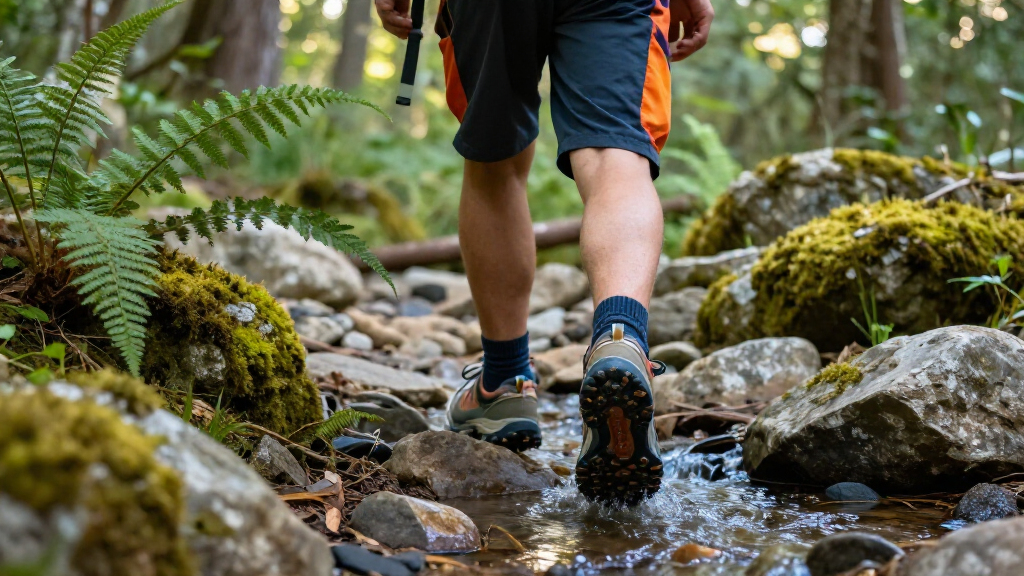
I compared these 15 shoes around the needs that matter most on footpaths and day hikes: traction, underfoot support, fit, weather protection, and comfort over distance. I also considered whether each design is better suited to a hiking pace, trail-running movement, or casual everyday wear. Waterproofing counted as an advantage for wet and cool conditions, but not as an automatic win; a sealed shoe can feel warmer and may dry more slowly after getting wet inside.
The ranking favors options with the clearest all-around hiking use and the strongest balance of trail function and day-to-day wearability. That puts the Merrell Moab 3 first as the most broadly useful hiking pick, with the Terrex Eastrail 3 and other established outdoor models offering distinct alternatives. Shoes with more specialized roles, such as the Saucony trail runner and KEEN retro sneaker, rank for their particular strengths rather than being treated as direct substitutes. Waterproof lightweight models remain useful for specific conditions, but their narrower fit with varied hiking needs keeps them from leading the roundup.
| hiking sneaker | Sole material | Origin |
|---|---|---|
| Merrell Women’s Siren Edge 3 S | Rubber | Imported |
| adidas Women’s Terrex Eastrail | Rubber | Made in USA and imported |
| adidas Men’s Terrex Eastrail 3 | Rubber | Made in USA and imported |
| Oboz Men’s Bozeman II Hiking S | Rubber | Imported |
| Merrell Women’s Speed Strike 2 | — | Imported |
| OUTJET Women’s Waterproof Ligh | EVA and rubber | — |
| adidas Men’s Terrex Anylander | Rubber | — |
| OL OUTJET LEGEND Men’s Waterpr | EVA and rubber | Imported |
| KEEN Women’s KS86 Retro Sneake | Rubber | Imported |
| Saucony Women’s Excursion TR16 | Rubber | Imported |
| Columbia Men’s Crestwood Water | Rubber | Imported |
| Columbia Men’s Transverse Low | Rubber | Imported |
| Columbia Men’s Crestwood Hikin | Rubber | Imported |
| CC-Los Women’s Waterproof Ligh | Rubber | Imported |
| Merrell Men’s Moab 3 Hiking Sh | — | Made in the USA or imported |
Factors to Consider When Choosing Best Hiking Sneakers
Choosing hiking sneakers is less about finding the shoe with the longest feature list and more about matching its design to your routes, weather, and pack weight. These broader factors can help you narrow the field before comparing individual models.
Match Support to Your Trail Length and Pack
A short walk on maintained paths puts less demand on a shoe than a long day over uneven ground. For longer hikes or a heavier pack, prioritize a stable platform and enough cushioning to keep your feet comfortable as fatigue builds. A very flexible sneaker may feel pleasant at first but can leave your feet working harder on rough terrain. At the same time, extra structure can feel stiff and unnecessary on easy routes. Think about the trails you hike most often, not the hardest outing you might take once a year. If you regularly carry substantial weight or travel over rocky, steep terrain, compare hiking shoes with sturdier construction rather than assuming a sneaker is always enough.
Choose Waterproofing for Your Weather, Not as a Default
Waterproof membranes can help during wet grass, light rain, and muddy stretches, but they also reduce airflow compared with more open uppers. That tradeoff matters most on warm days, when sweat and trapped heat can become uncomfortable. Waterproofing also cannot prevent water from entering over the collar during a deep puddle or stream crossing. For dry climates and hot-weather hikes, a breathable shoe may be easier to live with, even if it offers less protection from rain. If you hike year-round in changeable weather, consider whether you would rather keep one waterproof pair or use separate shoes for wet and warm conditions. Do not treat a waterproof label as a substitute for checking the shoe’s fit and drying needs.
Treat Fit as a Trail-Safety Feature
A good fit helps reduce rubbing and keeps your foot from sliding forward on descents. Leave enough room in front of your toes for downhill movement, but avoid so much extra space that your heel lifts with each step. Try shoes with the socks you expect to hike in, and check how the upper holds your foot when you walk on an incline. Width matters as much as length, especially if your feet swell during longer outings. A snug fit in the store can become uncomfortable after hours on the trail, while a loose fit can encourage blisters. When ordering online, review the return policy and compare sizing guidance across brands rather than assuming your usual size will fit every model.
Read the Outsole for Your Actual Terrain
Outsole patterns are designed for different surfaces, so a shoe that grips packed dirt may not feel as confident on slick rock or loose gravel. Deeper, more separated lugs can bite into soft ground, while a flatter pattern may suit pavement and firm trails but shed mud less effectively. Rubber compound and tread layout both affect grip; lug depth alone does not tell the whole story. If your routes include mixed surfaces, look for a middle ground instead of choosing a highly specialized tread. For frequent muddy or steep hikes, prioritize secure footing over a casual sneaker appearance. Also expect outsole wear to be faster if you regularly use hiking shoes on pavement.
Decide Whether One Pair Needs to Do Everything
Many hikers want a shoe that can handle trails, travel, and daily errands, but versatility usually involves compromise. A hiking-focused design may feel more substantial off trail, while a casual sneaker may provide less support when the ground turns rough. Trail-running shoes can feel nimble and comfortable at pace, but their softer, lighter construction may not suit slow hikes with a loaded pack. Before buying, list the activities you will use the shoe for most often and rank them. If your hikes are occasional and easy, everyday comfort may deserve more weight than rugged features. If hiking is a regular activity, give trail stability and reliable traction priority over a familiar sneaker silhouette.
Know When a More Specialized Shoe Is Worth It
Paying more for a technical feature makes sense only when it solves a recurring problem for you. Waterproof construction can be valuable for wet seasons, while added stability may matter on rocky routes or long days with a pack. On gentle, dry trails, those features may add warmth or stiffness without much benefit. Beginners often do better with a comfortable, versatile shoe than with an aggressively technical design they do not need. For demanding hikes, compare low hiking shoes with boots if you want more ankle coverage or a sturdier build. The right choice follows your terrain and hiking habits, not the assumption that more features always mean a better shoe.
Frequently Asked Questions
Are hiking sneakers suitable for rocky trails and long day hikes?
They can work well on moderate trails when the shoe has a stable feel, dependable traction, and enough cushioning for your distance. Rocky terrain and long days make fit and underfoot protection more important than a lightweight feel alone. A flexible, low-profile sneaker may leave your feet feeling tired sooner, especially if you carry a loaded pack. For very rough routes or frequent hiking with weight, compare sturdier hiking shoes or boots before deciding. The Merrell Moab 3 and Oboz Bozeman II are more hiking-oriented starting points in this lineup than the KEEN KS86 retro sneaker.
Should I choose a waterproof hiking sneaker if I hike in warm weather?
Not automatically. Waterproofing helps in rain, damp grass, and wet trail conditions, but it can trap more heat than a breathable upper. If your usual hikes are dry and hot, ventilation may improve comfort more than a waterproof membrane would. Consider how often you encounter wet conditions and whether you can use a second pair for another season. The Saucony Excursion TR16 GTX and waterproof OUTJET options suit buyers seeking weather protection, while a less weather-focused model may better match consistently warm, dry outings.
Can I use trail-running shoes instead of hiking sneakers?
Yes, if your routes are suitable and you prefer a lighter, more flexible feel. Trail-running shoes can be comfortable for brisk hikes and mixed outdoor use, but they may offer a different level of support and durability than hiking-oriented designs. The Saucony Excursion TR16 GTX is the lineup’s trail-running-style option, so it is a natural choice for hikers who value that feel. For slow, rocky hikes or heavier loads, a hiking shoe may provide a more reassuring platform. Let your terrain and pack weight guide the decision rather than the category name alone.
Do I need separate hiking sneakers for wet and dry trails?
That depends on how often your conditions change and how much you value breathability. A waterproof pair can cover damp days, but it may feel warmer and can take longer to dry if water gets inside. A breathable shoe can be more comfortable for dry summer trails, though it offers less protection from rain and wet vegetation. If you hike regularly in both conditions, two pairs may be more comfortable than asking one shoe to do everything. Occasional hikers can choose the condition they encounter most often and accept the tradeoff for less frequent outings.
How should a hiking sneaker fit differently from an everyday sneaker?
It should feel secure at the heel and midfoot while leaving room for your toes to spread and move on descents. Hiking often includes slopes and uneven footing, so excess space can let the foot slide, but a tight toe box can become painful as your feet swell. Try the shoe with hiking socks and walk on an incline if possible. Pay attention to pressure points around the toes and sides of the foot, not just whether the length seems right. Since sizing and width vary by model, check each brand’s fit guidance instead of relying only on your everyday sneaker size.
Conclusion
For the broadest mix of hiking use, I would start with the Merrell Men’s Moab 3; it is my best overall pick for buyers who want a hiking-focused shoe rather than a casual sneaker first. The adidas Terrex Eastrail 3 is a strong alternative for hikers after a more sneaker-like trail option, and its men’s and women’s versions make it one of the lineup’s clearest paired choices. For a premium-leaning, established outdoor design, compare the Oboz Men’s Bozeman II and Merrell Moab 3 by fit and preferred feel. Beginners should favor a comfortable, versatile model such as the Terrex Eastrail 3 or Columbia Crestwood rather than chasing specialist features. For wet-weather needs, look at the Saucony Excursion TR16 GTX or waterproof OUTJET and CC-Los models; for a casual retro look, the KEEN KS86 is the lineup’s more lifestyle-oriented pick. Choose by your typical terrain, climate, and fit, and skip any shoe that feels unstable or restrictive even if its feature list looks appealing.