If you are searching for the best Japanese fashion brands, these four books offer different ways to understand the designers, movements, and cultural exchanges behind the phrase. Future Beauty: 30 Years of Japanese Fashion is my strongest starting point for a broad view of designers and fashion history, while Ametora: How Japan Saved American Style is the more focused choice for readers interested in Japan’s reinterpretation of American clothing. For a close look at Issey Miyake, Yohji Yamamoto, and Rei Kawakubo, the designer-centered book has the clearest focus; the wider-ranging Japanese Fashion: A Journey from Tradition to Iconic Designers, Street Style to Global Influence promises a bridge from tradition to contemporary culture.

Get your wardrobe favorites delivered free with Prime
- Fast, free delivery on millions of items
- Prime Video, Amazon Music and more included
- Member-only deals all year
These are books about Japanese fashion, not clothing labels or garments to wear. That distinction matters: a reader who wants to learn how the scene developed may find more value here than someone looking for a list of brands to shop. I rank the titles by how directly their described subject helps readers compare Japanese fashion’s designers, history, and cultural influence. The tradeoff is scope: a broad survey can provide more context, while a narrow subject may explain one part of the story in greater depth.
Key Takeaways
- For a broad historical introduction, Future Beauty covers three decades of Japanese fashion, while the other titles focus on particular designers, cultural exchange, or a tradition-to-street-style overview.
- Ametora is the most specific pick for readers curious about how Japan preserved and reshaped American style; it is less suited to someone seeking a survey of Japanese designers as a whole.
- The designer-focused title centers on Issey Miyake, Yohji Yamamoto, and Rei Kawakubo, making it a more direct choice for readers interested in those three influential figures.
- Japanese Fashion: A Journey from Tradition to Iconic Designers, Street Style to Global Influence claims the widest thematic sweep, but the provided details do not confirm how deeply it treats each subject.
- None of these titles is itself a Japanese fashion brand or a shopping guide to current labels; choose them for learning and context rather than wardrobe recommendations.
| Future Beauty: 30 Years of Japanese Fashion |  | Best Overall for a Broad Introduction | ASIN: 1858945461 | Format: Book | Subject: Japanese fashion | VIEW LATEST PRICE | See Our Full Breakdown |
| Ametora: How Japan Saved American Style | 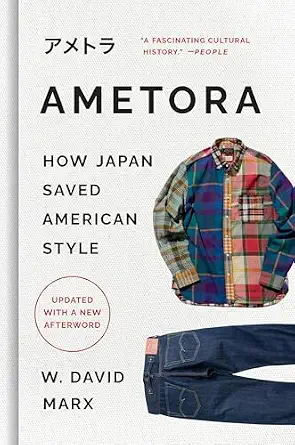 | Best for Japanese and American Style Connections | ASIN: 1541604334 | Product type: Book | Subject: Japan and American style | VIEW LATEST PRICE | See Our Full Breakdown |
| Japanese Fashion Designers: The Work and Influence of Issey Miyake, Yohji Yamamoto, and Rei Kawakubo |  | Best for Three Major Designers | ASIN: 1350088145 | Product type: Book | Subject: Japanese fashion designers | VIEW LATEST PRICE | See Our Full Breakdown |
| Japanese Fashion: A Journey from Tradition to Iconic Designers, Street Style to Global Influence |  | Best for a Broad Tradition-to-Street-Style Overview | ASIN: B0GHQLZJ4G | Product type: Book | Subject: Japanese fashion | VIEW LATEST PRICE | See Our Full Breakdown |
| Japanese fashion brand | ASIN | Subject | Product type | Brand directory |
|---|---|---|---|---|
| Future Beauty: 30 Years of Jap | 1858945461 | Japanese fashion | Fashion history book | Not specified in the provided details |
| Ametora: How Japan Saved Ameri | 1541604334 | Japan and American style | Book | Not specified in the provided details |
| Japanese Fashion Designers: Th | 1350088145 | Japanese fashion designers | Book | Not specified in the provided details |
| Japanese Fashion: A Journey fr | B0GHQLZJ4G | Japanese fashion | Book | Not specified in the provided details |
More Details on Our Top Picks
Future Beauty: 30 Years of Japanese Fashion
Future Beauty is my first pick for a reader who wants context before narrowing in on a designer or a particular strand of Japanese style. Its stated subject—three decades of Japanese fashion—gives it the broadest clearly defined historical frame in this lineup. That makes it a sensible starting point for building a mental map: rather than beginning with one designer or Japan’s relationship with American clothing, a reader can approach the topic as a wider movement over time.
That breadth sets it apart from Ametora, which is explicitly about Japan’s handling of American style, and from the book devoted to Miyake, Yamamoto, and Kawakubo. If your real aim is to understand the fashion landscape before choosing what to read next, this title looks like the safest fit based on the description. But the description does not specify its structure, designers covered, or how much attention it gives to street fashion. I would not assume it functions as a comprehensive reference or a current guide to labels. Its scope is an advantage for orientation and a drawback for anyone who wants a single topic treated in detail.
One more qualification matters for this search: this is a book about fashion, not a brand. It can help frame a search for Japanese labels by introducing a historical context, but the supplied details do not say it offers a list of brands to buy. I rank it first for the reader who wants breadth; a specialist on American influence should choose Ametora, and a reader specifically following the three named designers should pick the focused designer study.
Pros:- Covers three decades of Japanese fashion, according to its description.
- Offers a broader stated time frame than the titles focused on one cultural exchange or three designers.
- Can serve as an initial context-building read before a more specialized book.
- Its subject aligns closely with readers exploring Japanese fashion history.
Cons:- The supplied details do not identify which designers or fashion movements receive attention.
- No provided information confirms that it includes a brand directory, shopping advice, or current labels.
- A broad time span may provide less depth on a single designer than the dedicated study.
Best for: Readers who want a broad historical entry point into Japanese fashion before focusing on particular designers or movements.
Not ideal for: Shoppers looking for a current directory of Japanese labels, or readers who want a narrowly focused account of American style or three specific designers.
- ASIN:1858945461
- Format:Book
- Subject:Japanese fashion
- Stated scope:Three decades
- Product type:Fashion history book
- Named designers:Not specified in the provided details
- Brand directory:Not specified in the provided details
Our verdict“Choose Future Beauty when a broad historical frame matters more than a tightly focused account of one designer or cultural influence.”
Ametora: How Japan Saved American Style
Ametora takes a different route into Japanese fashion: its subject is not a general survey, but how Japan preserved and reshaped American style. That stated argument gives this title the sharpest cultural focus in the group. If your interest is why styles associated with the United States took on a distinct life in Japan, the description points directly to the subject you want to explore.
Its narrowness is useful for comparison. Future Beauty promises a wider three-decade view of Japanese fashion, and the designer-centered book concentrates on three named figures. Ametora instead offers a lens on cultural exchange and reinterpretation. I would place it ahead of those books for a reader whose curiosity starts with American clothing in Japan, but behind Future Beauty for someone wanting the broadest introduction to Japanese fashion overall. The title’s framing also means it should not be mistaken for a guide to Japanese designer brands as a whole.
The limitation follows from its focus: the supplied description does not tell me which styles, makers, periods, or designers it covers, or how its argument is organized. It may offer substantial context, but I cannot confirm that from the details here. Readers chiefly interested in street fashion, traditional influences, or an overview of Japanese designers may find the other descriptions closer to their goals. Choose Ametora for its specific account of style moving between cultures, not for a promised survey that the product information does not establish.
Pros:- Has a clear, distinctive subject: Japan’s preservation and reshaping of American style.
- Adds a cultural-exchange angle that the other three descriptions do not state as their central focus.
- Makes a more targeted choice than a broad Japanese fashion survey for readers with this specific interest.
- Its focus can complement a broader title such as Future Beauty.
Cons:- The supplied description does not specify its periods, examples, or chapter structure.
- Its American-style focus is narrower than a general introduction to Japanese fashion.
- No provided details establish that it covers contemporary Japanese brands or shopping.
Best for: Readers interested in how Japan preserved and reshaped American style and in the cultural exchange behind clothing.
Not ideal for: Readers seeking a broad history of Japanese fashion, a guide to current Japanese brands, or focused coverage of the named avant-garde designers.
- ASIN:1541604334
- Product type:Book
- Subject:Japan and American style
- Stated focus:How Japan preserved and reshaped American style
- Japanese designer coverage:Not specified in the provided details
- Street-style coverage:Not specified in the provided details
- Brand directory:Not specified in the provided details
Our verdict“Pick Ametora when the story of Japan’s relationship with American style is your main question, rather than broad designer coverage.”
Japanese Fashion Designers: The Work and Influence of Issey Miyake, Yohji Yamamoto, and Rei Kawakubo
For a reader who already has three names in mind, Japanese Fashion Designers is the most direct match. Its description explicitly examines the work and influence of Issey Miyake, Yohji Yamamoto, and Rei Kawakubo, creating a clear boundary around what the book is meant to discuss. That specificity makes it easier to choose than a general history when your interest is in those designers and their place in Japanese fashion.
Compared with Future Beauty, this title gives up the promise of a broad three-decade frame in favor of a defined trio. Compared with Ametora, it turns attention from cultural exchange to the work and influence of individual designers. I would rank it below the broader introduction for a reader starting from scratch, but move it to first place for someone researching Miyake, Yamamoto, or Kawakubo. The named focus is the practical advantage: it helps you decide whether this book matches your question before you buy.
Its tradeoff is equally plain. Readers looking for a panorama of Japanese fashion, a survey of street style, or a route to discovering lesser-known labels may find the subject too narrow. The description does not name other designers, explain whether the three receive equal treatment, or state how the book handles their influence. Those details should not be inferred from its title. As one entry in a comparison of books about Japanese fashion, it is strongest for depth around the named figures and less suitable as a stand-alone answer to “which Japanese brands should I shop?”
Pros:- Names three designers directly, making its subject easy to match to a reader’s interests.
- Focuses on both the work and influence of those designers, as described.
- Offers a more concentrated alternative to Future Beauty’s three-decade scope.
- Provides a clear follow-up choice for readers who want to go beyond a general introduction.
Cons:- Its stated scope centers on three designers rather than Japanese fashion as a whole.
- The supplied details do not indicate how the book divides attention among the designers.
- No provided information confirms coverage of street style, traditional fashion, or current labels.
Best for: Readers who want a book explicitly centered on Issey Miyake, Yohji Yamamoto, and Rei Kawakubo.
Not ideal for: Beginners who want a broad survey, readers focused on American-style influence, or shoppers seeking a list of Japanese fashion labels.
- ASIN:1350088145
- Product type:Book
- Subject:Japanese fashion designers
- Named designer:Issey Miyake
- Named designer:Yohji Yamamoto
- Named designer:Rei Kawakubo
- Stated themes:Designers’ work and influence
- Brand directory:Not specified in the provided details
Our verdict“Choose this title when Miyake, Yamamoto, and Kawakubo are the focus; choose Future Beauty when you need wider context first.”
Japanese Fashion: A Journey from Tradition to Iconic Designers, Street Style to Global Influence
Japanese Fashion: A Journey from Tradition to Iconic Designers, Street Style to Global Influence has the widest list of themes in its description. It connects traditional influences, iconic designers, street style, and global influence, giving a prospective reader several routes into the subject. That range may suit someone who wants a single overview that reaches beyond designer biographies and includes fashion on the street as well as its international impact.
In comparison, Future Beauty provides a clearer time frame—three decades—while this title signals breadth across topics. Ametora makes one cultural relationship its central subject, and the designer study names its central figures; this book instead promises a wide thematic journey. That could make it the best match for a reader who wants tradition and contemporary fashion in the same discussion. But the available description offers no details about how those subjects are balanced, so I rank it fourth: the scope sounds broad, but its depth and structure are harder to judge from the supplied information.
I would not treat the phrase “iconic designers” as evidence that the book covers the three figures named in the specialist title. Nor does “global influence” confirm a brand directory or a practical shopping guide. Those are meaningful gaps if your aim is to discover labels to wear. Its strongest use is as a theme-spanning introduction for readers who value the connection from heritage to street fashion; readers who want a defined historical period, cultural argument, or named trio have a more clearly specified choice elsewhere in this lineup.
Pros:- Its description spans both traditional influences and contemporary fashion.
- Includes iconic designers and street style among its stated subjects.
- Names Japanese fashion’s global influence as part of its scope.
- Offers a thematic range different from Ametora’s specific American-style focus.
Cons:- The provided details do not establish how deeply each theme is covered.
- No named designers, time period, or chapter structure are supplied.
- The description does not confirm that it recommends current brands or shopping options.
Best for: Readers who want a broad thematic overview that includes tradition, designers, street style, and Japanese fashion’s global influence.
Not ideal for: Readers who need a defined historical scope, detailed coverage of specific named designers, or verified recommendations for brands to buy.
- ASIN:B0GHQLZJ4G
- Product type:Book
- Subject:Japanese fashion
- Stated themes:Tradition, designers, street style, global influence
- Traditional influences:Included in the product description
- Named designers:Not specified in the provided details
- Street-style coverage:Included in the product description
- Brand directory:Not specified in the provided details
Our verdict“Choose this book for the stated tradition-to-street-style range, while favoring the other titles when you want a more clearly bounded subject.”

How We Picked
I compared these four titles against the search phrase best Japanese fashion brands by asking what a reader behind that search may need: an accessible route into Japanese fashion, useful context for distinguishing its major designers and movements, or a focused account of one strand of its influence. The available descriptions are brief, so I have kept claims tied to the information provided. I do not infer page counts, image content, editions, author credentials, or a level of detail that is not specified.
My ranking favors usefulness as an introduction first, then specificity and the clarity of each book’s stated subject. Future Beauty ranks first because its three-decade scope offers the clearest broad historical frame among the descriptions. Ametora ranks second for a distinct cultural argument about American style in Japan. The designer study follows for readers who want its named trio, and the broad tradition-to-global-influence title rounds out the selection because its description spans many subjects without establishing how they are developed. That order is about fit for a reader comparing Japanese fashion, not a claim that one book is better written or more authoritative; the source information does not support those judgments.
I also distinguish fashion history from brand discovery. These books may help readers understand the people and ideas associated with Japanese fashion, but their supplied descriptions do not promise current brand directories, shopping advice, garment reviews, or buying recommendations. I weigh that limitation directly so the roundup remains useful without pretending these titles answer a different question than the one their descriptions support.
| Japanese fashion brand | Subject | Product type | Street-style coverage | Named designer |
|---|---|---|---|---|
| Future Beauty: 30 Years of Jap | Japanese fashion | Fashion history book | — | — |
| Ametora: How Japan Saved Ameri | Japan and American style | Book | Not specified in the provided details | — |
| Japanese Fashion Designers: Th | Japanese fashion designers | Book | — | Issey Miyake |
| Japanese Fashion: A Journey fr | Japanese fashion | Book | Included in the product description | — |
Factors to Consider When Choosing Best Japanese Fashion Brands
These recommendations are books, so I would choose by the question you want answered rather than by the label you hope to wear. The phrase “best Japanese fashion brands” often points toward shopping, but the descriptions here support a reading list about fashion history and influence. My guide below separates those aims and shows which title fits each kind of curiosity.Decide whether you want a book or a brand
Start by checking your intent. If you want names of Japanese labels to shop, none of these supplied descriptions promises a directory, current brand recommendations, or reviews of clothes. They are books about fashion. They can give you cultural and historical background that informs later research, but that is different from comparing garments, sizing, materials, or shops. If learning is the goal, choose among them by subject; if buying clothing is the goal, you will need a guide that actually evaluates brands and products.
Choose breadth or a defined subject
Future Beauty is the clearest choice when you want a stated span of three decades. It can serve as a broad starting point, though the details provided do not show its chapter structure or full coverage. Ametora is a better fit when you have a particular question about American style in Japan. The designer study is narrower still, with three named figures. The fourth title covers several themes, but does not specify a time frame. Decide whether you want orientation or a focused account before treating one as the better pick.
Match the book to the designers you want to learn about
If you are reading for Issey Miyake, Yohji Yamamoto, or Rei Kawakubo, the specialist title makes that match explicit. The other descriptions do not identify those designers by name, so I would not assume their coverage. Future Beauty may give a wider context across Japanese fashion, while the broad tradition-to-global-influence book signals a range of themes. For a research assignment about the three named designers, the dedicated title is the safer fit; for a general introduction, the broad survey has a stronger stated scope.
Think about how cultural exchange fits your interest
Ametora is the only book here whose supplied description centers on Japan’s relationship with American style. That difference matters if you are curious about how clothing crosses borders and changes meaning in a new setting. Its angle is more specific than a broad fashion history, so it is not the natural first choice for someone who wants traditional influences or a wide look at street style. The fourth title explicitly mentions tradition and street fashion, while Future Beauty gives a three-decade historical frame.
Treat missing details as real limits
Several basic details are unavailable across these descriptions: chapter lists, named contributors, visual contents, exact periods beyond Future Beauty’s stated scope, and confirmation of brand recommendations. I would compare fuller publisher or retailer descriptions before choosing if any of those details matter to you. In this roundup, not specified means the supplied information does not establish a feature; it does not prove the book lacks it. That distinction keeps the recommendation grounded while giving you a practical next step.
Build a reading path instead of expecting one book to do everything
A reader new to the subject could begin with Future Beauty for its broad time span, then turn to the designer study for the named trio or Ametora for its account of American influence. The tradition-to-street-style title may work as an alternative overview if those themes are your priority. This sequence is a way to match topics, not a claim about prerequisite knowledge or verified overlap: the supplied descriptions do not show how extensively the books repeat one another.
Frequently Asked Questions
Are these Japanese fashion brands?
No. All four recommendations are books about Japanese fashion, rather than clothing brands or individual garments. Their described subjects include fashion history, Japan’s relationship with American style, three designers, and a broad range from tradition to street fashion. If you want labels to shop, these titles may offer context, but their supplied descriptions do not promise a current brand directory.
Which book is the best place to start?
Future Beauty: 30 Years of Japanese Fashion is my starting recommendation for readers who want a broad historical frame, because its description gives a clear three-decade scope. If you already know the question you want answered, another title may fit better: Ametora focuses on American style in Japan, and the designer study names Miyake, Yamamoto, and Kawakubo. The broad tradition-to-global-influence book is another option when those themes are your priority.
Which title focuses on Issey Miyake, Yohji Yamamoto, and Rei Kawakubo?
Japanese Fashion Designers: The Work and Influence of Issey Miyake, Yohji Yamamoto, and Rei Kawakubo explicitly names all three and describes its subject as their work and influence. That makes it the most direct choice for readers studying those figures. The other product descriptions do not name this trio, so I cannot confirm whether they include them.
Which book covers Japanese fashion’s connection to American style?
Ametora: How Japan Saved American Style is the clear match. Its description says it examines how Japan preserved and reshaped American style, giving it a cultural-exchange focus that distinguishes it from the wider history and designer-centered books. The available details do not list its specific periods, examples, or designers, so check a fuller description if you need that level of detail.
Can these books help me choose Japanese clothing brands to buy?
They may help you learn about the history and influence of Japanese fashion, but the supplied details do not say that any one of them compares current labels, garment quality, sizing, or shopping options. I would choose one for its stated reading subject, then consult a separate brand guide if your goal is to decide what to wear. For broad context, Future Beauty is the most clearly scoped; for a specific cultural or designer interest, choose Ametora or the named-designer study.
Conclusion
Choose Future Beauty if you are new to Japanese fashion and want a book with a stated three-decade scope. Choose Ametora if your main interest is how Japan reshaped American style, and the designer-focused title if Miyake, Yamamoto, and Kawakubo are the reason you are reading. Pick Japanese Fashion: A Journey from Tradition to Iconic Designers, Street Style to Global Influence if the stated mix of tradition, street style, and global influence appeals to you, while recognizing that its description does not establish the depth of each theme. These are useful choices for learning about Japanese fashion; none is confirmed as a guide to brands you can shop.
Evergreen bestsellers Picks
bestsellers
As an affiliate, we earn on qualifying purchases.