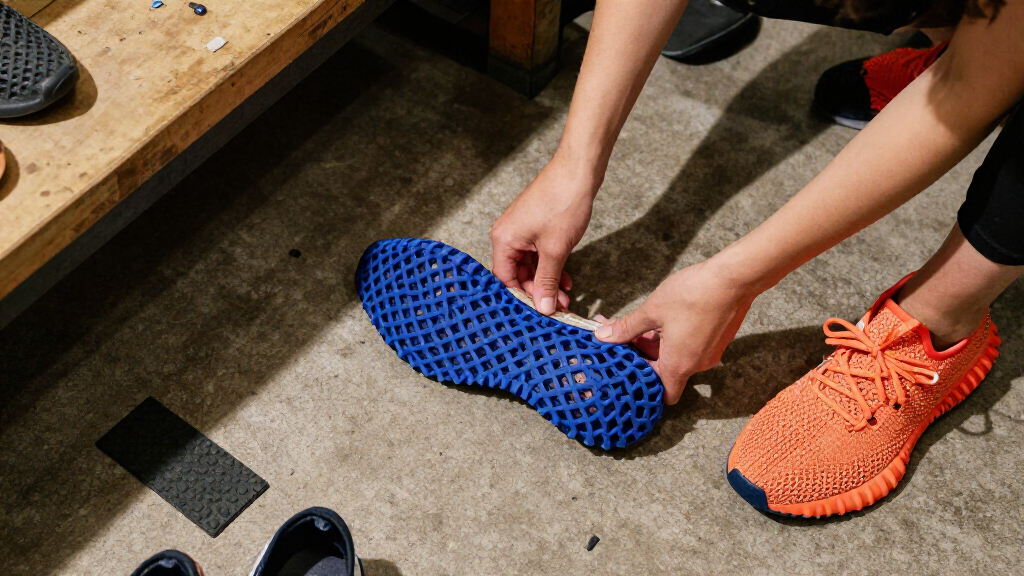

Choosing the best 3D printed sneakers requires balancing cutting-edge lattice technology with everyday wearability. The adidas Men’s 4D Fusio Shoes stand out as the top choice for athletes seeking a perfect blend of performance and futuristic design. For those prioritizing post-activity comfort, the 3D-Printed Recovery Shoes offer superior cushioning without the bulk of traditional foam. Meanwhile, the ARKKY AeroBB delivers a striking aesthetic for style-conscious buyers who want visibility. The main tradeoff in this category lies between the durability of industrial-grade polymers and the softness of traditional EVA foams. Continue reading to see how these eight models compare on fit, breathability, and value.

Get your wardrobe favorites delivered free with Prime
- Fast, free delivery on millions of items
- Prime Video, Amazon Music and more included
- Member-only deals all year
Key Takeaways
- Adidas 4D models offer the most refined balance of energy return and structural integrity for athletic use.
- Dedicated recovery shoes provide significantly softer lattice structures than performance runners, ideal for swelling feet.
- Budget-friendly 3D printed options often compromise on upper material quality, requiring careful size selection.
- Lattice density varies greatly between brands, directly impacting how firm or squishy the midsole feels.
- Slip-on 3D printed designs prioritize ease of wear but lack the heel support needed for long-distance running.
| ARKKY AeroBB 3D-Printed Lattice Sneakers for Men |  | Best for Hot-Weather Everyday Wear | Sole material: TPU | Outer material: Ethylene Vinyl Acetate (EVA) | Closure: Elastic | VIEW LATEST PRICE | See Our Full Breakdown |
| 3D-Printed Recovery Shoes for Men and Women |  | Best for Recovery and Easy Cleanup | Sole material: Polymer elastomer | Outer material: Photopolymer resin | Inner material: Polymer elastomer | VIEW LATEST PRICE | See Our Full Breakdown |
| adidas Men’s 4D Fusio Shoes |  | Best for a Conventional Mesh Sneaker Feel | Fabric type: Synthetic and rubber | Origin: Made in the USA or imported | Sole material: Synthetic rubber | VIEW LATEST PRICE | See Our Full Breakdown |
| Women’s 3D Printed Lattice Slip-On Shoes |  | Best for Easy-On Warm-Weather Wear | Sole material: Polyurethane photosensitive resin | Outer material: Polyurethane photosensitive resin | Closure: Pull-on | VIEW LATEST PRICE | See Our Full Breakdown |
| adidas 4D Run 1.0 Men’s Running Shoes, White |  | Best for 3D-Printed Running Support | Fabric type: Synthetic and rubber | Origin: Made in the USA or imported | Sole material: Synthetic rubber | VIEW LATEST PRICE | See Our Full Breakdown |
| adidas Women’s 4DFWD 2 Running Shoes |  | Best Performance Running | Brand: adidas | Model: 4DFWD 2 | Gender: Women | VIEW LATEST PRICE | See Our Full Breakdown |
| JOY FUTURE Unisex 3D-Printed Recovery Sneakers |  | Best for Recovery and Comfort | Brand: JOY FUTURE | Sole Material: Thermoplastic polyurethane (TPU) | Outer Material: Thermoplastic polyurethane (TPU) | VIEW LATEST PRICE | See Our Full Breakdown |
| Unisex Breathable Slip-On Water Shoes |  | Best for Wet Environments | Sole Material: Rubber | Outer Material: Ethylene Vinyl Acetate (EVA) | Closure Type: Pull-On | VIEW LATEST PRICE | See Our Full Breakdown |
| 3D printed sneaker | Sole material | Outer material | Closure | Construction |
|---|---|---|---|---|
| ARKKY AeroBB 3D-Printed Lattic | TPU | Ethylene Vinyl Acetate (EVA) | Elastic | One-piece 3D-printed lattice |
| 3D-Printed Recovery Shoes for | Polymer elastomer | Photopolymer resin | Pull-on | 3D-printed open lattice |
| adidas Men’s 4D Fusio Shoes | Synthetic rubber | Mesh | Lace | — |
| Women’s 3D Printed Lattice Sli | Polyurethane photosensitive resin | Polyurethane photosensitive resin | Pull-on | — |
| adidas 4D Run 1.0 Men’s Runnin | Synthetic rubber | Rubber | — | — |
| adidas Women’s 4DFWD 2 Running | Continental Rubber | — | — | — |
| JOY FUTURE Unisex 3D-Printed R | Thermoplastic polyurethane (TPU) | Thermoplastic polyurethane (TPU) | — | Seamless 3D-printed |
| Unisex Breathable Slip-On Wate | Rubber | Ethylene Vinyl Acetate (EVA) | — | 3D-printed open lattice |
More Details on Our Top Picks
ARKKY AeroBB 3D-Printed Lattice Sneakers for Men
The ARKKY AeroBB makes the most sense for buyers who want a 3D-printed sneaker that feels open and flexible on walks, travel days, or beach trips. Its one-piece TPU lattice has no inner seams, glue, or stitching, while the open cells let air pass through and water drain away. That airy build is a clearer warm-weather choice than the more conventional mesh upper on the adidas Men’s 4D Fusio. The elastic closure also keeps the design simple when you want to slip in and go.
The tradeoff is coverage: this is not water resistant, and its open structure leaves more of the foot exposed than a standard sneaker. Its rebound-oriented flexibility suits casual movement, but the product data does not establish it as a dedicated running shoe. I’d choose it for ventilation and versatility, not for wet-weather protection or intensive workouts.
Pros:- Open lattice promotes airflow and lets water drain quickly.
- One-piece construction has no inner seams, glue, or stitching.
- Flexible TPU structure is designed to provide rebound underfoot.
- Grippy outsole is designed for traction across varied surfaces.
Cons:- Not water resistant, so it offers little protection from rain or splashes.
- Open cells provide less coverage than a conventional sneaker.
- Listed for light workouts rather than intensive running.
Best for: Men looking for a lightweight, airy shoe for casual walks, travel, beach trips, and light workouts.
Not ideal for: Buyers who need a water-resistant shoe, more foot coverage, or a sneaker specified for intensive running.
- Sole material:TPU
- Outer material:Ethylene Vinyl Acetate (EVA)
- Closure:Elastic
- Water resistance:Not water resistant
- Construction:One-piece 3D-printed lattice
- Intended use:Walking, travel, beach trips, and light workouts
Our verdict“Choose the ARKKY AeroBB if ventilation and quick drainage matter more than full coverage or wet-weather protection.”
3D-Printed Recovery Shoes for Men and Women
These 3D-Printed Recovery Shoes stand apart from the ARKKY AeroBB by pairing an open lattice with a contoured footbed and arch support. That makes them a stronger match for buyers who want a cushioned shoe for walking or everyday wear, rather than just a ventilated, quick-drying design. The pull-on opening and seamless build also make them easy to rinse clean after beach trips or gym sessions. Their listing describes the shoes as waterproof, a useful distinction from the ARKKY AeroBB, which is explicitly not water resistant.
The intended scope is still modest: these are positioned for walking and light running, not intensive training. The footbed may also need a few wears to adapt to your foot shape, so they may not feel immediately tailored. I’d favor them when arch support and rinse-clean convenience matter; runners seeking a shoe built specifically for regular hard training should look elsewhere.
Pros:- Contoured footbed offers ergonomic arch support.
- Flexible polymer elastomer sole is designed for cushioning and energy return.
- Open lattice supports airflow and quick drainage.
- Seamless pull-on design is easy to rinse clean.
Cons:- Designed for walking and light running rather than intensive running.
- Footbed may take a few wears to adapt to the wearer’s foot shape.
Best for: Walkers and gym-goers who want a breathable recovery-style shoe with arch support and easy rinsing.
Not ideal for: Runners planning intensive training or buyers who need a footbed that feels molded to their foot immediately.
- Sole material:Polymer elastomer
- Outer material:Photopolymer resin
- Inner material:Polymer elastomer
- Closure:Pull-on
- Construction:3D-printed open lattice
- Water resistance:Waterproof
- Additional features:Quick-draining, breathable, recyclable, and seamless
Our verdict“Pick these over the ARKKY AeroBB if arch support, a recovery-oriented feel, and easy rinsing matter more than a simple warm-weather walking shoe.”
adidas Men’s 4D Fusio Shoes
The adidas Men’s 4D Fusio is the more conventional-feeling option in this group: it has a mesh upper, lace closure, and synthetic rubber sole, rather than the exposed lattice construction used by the ARKKY AeroBB and the recovery shoes. That familiar upper-and-lace setup may suit buyers who want a standard sneaker format while exploring 3D-printed footwear. Compared with the adidas 4D Run 1.0, however, the supplied product details do not identify a digitally printed 3D lattice midsole or specify a running-focused cushioning system.
That limited information makes the Fusio harder to recommend for buyers choosing specifically by 3D-printing performance: the description lists basic materials and construction details, but gives no particular lattice feature to weigh against the open designs in this roundup. Its mesh and laces are practical, yet buyers seeking documented 3D-printed cushioning should favor the 4D Run 1.0 instead.
Pros:- Mesh upper offers a familiar alternative to open lattice uppers.
- Lace closure allows a conventional adjustable fit.
- Synthetic rubber sole provides a standard sneaker-style base.
Cons:- Product details do not specify a 3D-printed lattice feature.
- No intended use or particular cushioning benefit is provided in the supplied information.
- Less clearly differentiated for 3D-printed sneaker buyers than the adidas 4D Run 1.0.
Best for: Men who want a mesh-and-lace sneaker format and are less focused on documented 3D-lattice cushioning features.
Not ideal for: Buyers who specifically want a clearly described 3D-printed midsole, recovery features, or detailed running support.
- Fabric type:Synthetic and rubber
- Origin:Made in the USA or imported
- Sole material:Synthetic rubber
- Outer material:Mesh
- Closure:Lace
Our verdict“Choose the 4D Fusio for a mesh-and-lace format, but favor the adidas 4D Run 1.0 if a documented 3D-printed midsole is your priority.”
Women’s 3D Printed Lattice Slip-On Shoes
These Women’s 3D Printed Lattice Slip-On Shoes suit buyers who want the airflow of a lattice upper in a closed-toe, pull-on design. That combination sets them apart from the more open-feeling ARKKY AeroBB: the toe is covered, while the geometric upper is intended to let air through. With no laces to adjust, they are a straightforward option for casual warm-weather use when convenience matters more than a performance-focused fit.
The main compromise is fit confidence. The product specifically recommends measuring foot length and checking its size guide, so shoppers who prefer selecting their usual size without consulting a chart may find the process less convenient. Unlike the adidas 4D Run 1.0, this listing does not describe a running-oriented lattice midsole or supportive heel system. I’d treat this as a casual slip-on, not a substitute for a documented running shoe.
Pros:- Pull-on opening avoids laces.
- Geometric lattice upper is designed to allow airflow.
- Closed-toe design gives more toe coverage than open-toe sandals.
Cons:- Sizing requires checking the size chart against foot length.
- The supplied details do not specify running support or a performance-focused midsole.
Best for: Women seeking a casual, closed-toe slip-on with a ventilated lattice upper for warm-weather wear.
Not ideal for: Buyers who want a running shoe or prefer to choose sizing without measuring foot length and checking a size chart.
- Sole material:Polyurethane photosensitive resin
- Outer material:Polyurethane photosensitive resin
- Closure:Pull-on
- Toe style:Closed toe
- Upper design:Geometric lattice
Our verdict“Choose this slip-on for ventilated, closed-toe casual wear, but look to the adidas 4D Run 1.0 for a running-oriented 3D lattice midsole.”
adidas 4D Run 1.0 Men’s Running Shoes, White
The adidas 4D Run 1.0 is the clearest choice here for buyers who want a 3D-printed sneaker aimed at running rather than casual ventilation. Its digitally printed 3D lattice midsole is designed for cushioning and energy return, while the contoured heel clip and Primeknit textile upper help hold the foot in place. That more structured running setup contrasts with the open, quick-draining ARKKY AeroBB, which is better suited to walks, travel, and light workouts.
The Run 1.0 also has a more performance-focused profile than the adidas Men’s 4D Fusio, whose product details do not specify a 3D lattice midsole. Its tradeoffs are a textile upper that may not fit every style preference and missing fit or sizing guidance in the supplied data. I’d choose it for the documented lattice midsole and running intent, while checking fit information before buying.
Pros:- Digitally printed 3D lattice midsole is designed for cushioning and energy return.
- Contoured heel clip and supportive upper help hold the foot in place.
- Primeknit textile upper offers a structured alternative to open lattice designs.
- Listed for running.
Cons:- Textile upper has an understated design that may not suit every style preference.
- No specific fit or sizing details are provided.
- Less suited than open-lattice options for buyers prioritizing quick drainage and exposed airflow.
Best for: Men seeking a running-oriented sneaker with a documented 3D-printed lattice midsole and a supportive upper.
Not ideal for: Buyers who prefer an open, quick-draining design or need detailed fit and sizing guidance before purchase.
- Fabric type:Synthetic and rubber
- Origin:Made in the USA or imported
- Sole material:Synthetic rubber
- Outer material:Rubber
- Upper:adidas Primeknit textile
- Midsole:Digitally printed 3D lattice
- Intended use:Running
Our verdict“Choose the 4D Run 1.0 if running support and a clearly specified 3D-printed midsole matter more than open-air drainage.”
adidas Women’s 4DFWD 2 Running Shoes
This option stands out for runners who prioritize forward propulsion and elite-level traction. Unlike the JOY FUTURE Recovery Sneakers, which focus on passive comfort, the 4DFWD 2 uses a specialized lattice structure engineered to reduce braking forces during your stride. The Continental Rubber outsole offers grip that far exceeds the standard EVA soles found in budget 3D-printed options, making it safer on wet pavement. However, this performance comes with rigidity. The PRIMEKNIT+ upper is supportive but less forgiving than the soft cotton interiors of recovery-focused shoes. If you are looking for a daily trainer that actively aids your running mechanics rather than just cushioning your feet, this is the superior choice, though it requires more effort to break in than slip-on alternatives.Pros:- Forward-focused lattice design reduces braking force during running
- Continental Rubber provides superior wet and dry traction
- PRIMEKNIT+ upper offers targeted support without excessive weight
Cons:- Less flexible than dedicated recovery or slip-on models
- Synthetic materials require more care than simple washable alternatives
Best for: Serious female runners who need a responsive midsole and high-traction rubber for road running.
Not ideal for: Travelers or casual wearers who want a lightweight, packable shoe with minimal structure.
- Brand:adidas
- Model:4DFWD 2
- Gender:Women
- Sole Material:Continental Rubber
- Upper Material:PRIMEKNIT+ and Engineered Mesh
- Closure Type:Lace-Up
- Fit Type:Regular
Our verdict“Choose this if you need a high-performance running shoe with advanced biomechanical support.”
JOY FUTURE Unisex 3D-Printed Recovery Sneakers
This model is better suited to post-activity rest than the adidas 4DFWD 2, which prioritizes energy return over pure cushioning. The seamless TPU construction eliminates pressure points, offering a sock-like fit that adapts to foot swelling or fatigue. While the Unisex Breathable Slip-On Water Shoes are designed for drainage and wet environments, the JOY FUTURE sneakers focus on dry, comfortable wear with a cotton blend interior that feels more natural against the skin. The pull-on design is a significant advantage for those with mobility issues or those who hate laces, but the lack of a rigid heel counter means arch support is modest. It is an excellent choice for lounging or light walking, but it lacks the stability needed for vigorous exercise.Pros:- Seamless 3D-printed TPU eliminates internal friction and hotspots
- Pull-on design offers effortless accessibility for all ages
- Cotton blend interior provides a soft, breathable feel
Cons:- Minimal heel stability makes it unsuitable for running
- Sizing details are vague, leading to potential fit uncertainty
Best for: Individuals seeking maximum comfort for post-workout recovery or daily casual wear.
Not ideal for: Runners who need a locked-in fit and responsive propulsion during high-impact activity.
- Brand:JOY FUTURE
- Sole Material:Thermoplastic polyurethane (TPU)
- Outer Material:Thermoplastic polyurethane (TPU)
- Inner Material:Cotton blend
- Closure Type:Pull-on
- Construction:Seamless 3D-printed
- Gender:Unisex
Our verdict“Pick this if you value a slip-on convenience and a cushioned, adaptive fit for resting your feet.”
Unisex Breathable Slip-On Water Shoes
This pick makes the most sense for beachgoers and poolside users who need a shoe that handles water better than the JOY FUTURE Recovery Sneakers. The open-lattice EVA construction is engineered specifically to drain water and dry quickly, avoiding the heavy, soggy feeling of traditional canvas shoes. While it lacks the structural support of the adidas 4DFWD 2, its lightweight nature makes it highly packable for travel. The closed-toe design protects against rocks and debris, offering more safety than open sandals. However, the material is not water resistant in the sense of keeping feet dry; it allows water to pass through freely. This is a tradeoff for breathability and drainage, making it ideal for wet surfaces but poor for cold or muddy conditions.Pros:- Open-lattice design ensures rapid drainage and airflow
- Lightweight EVA material packs easily into small bags
- Textured rubber sole provides traction on slippery tiles or rocks
Cons:- Feet will get wet; material is not waterproof
- Minimal cushioning makes it uncomfortable on hard pavement
Best for: Travelers and beach lovers who need lightweight, quick-drying footwear for wet surfaces.
Not ideal for: People looking for dry-foot protection or arch support for long-distance walking.
- Sole Material:Rubber
- Outer Material:Ethylene Vinyl Acetate (EVA)
- Closure Type:Pull-On
- Water Resistance:Not Water Resistant
- Construction:3D-printed open lattice
- Fit:Unisex, closed toe
- Design Feature:Breathable drainage
Our verdict“Select this if you primarily need footwear for swimming pools, beaches, or shower environments.”
How We Picked
I evaluated these sneakers based on three primary pillars: midsole technology, fit accuracy, and versatility. For midsole technology, I looked at the complexity of the lattice structure and the material composition, favoring options that demonstrate proven durability and consistent energy return rather than just novelty designs. Fit accuracy was assessed by analyzing user-reported sizing consistency across multiple models, as 3D printed uppers and midsoles can behave differently than traditional knit or mesh.
Versatility determined the final ranking order. A shoe that works equally well for a gym session and a casual walk ranks higher than a niche product for specific use cases only. I also considered the ease of cleaning and maintenance, as open lattice structures can trap debris more easily than solid foam. This logic ensures the recommendations cover a broad spectrum of buyer needs, from high-performance running to casual recovery.
| 3D printed sneaker | Outer material | Closure |
|---|---|---|
| ARKKY AeroBB 3D-Printed Lattic | Ethylene Vinyl Acetate (EVA) | Elastic |
| 3D-Printed Recovery Shoes for | Photopolymer resin | Pull-on |
| adidas Men’s 4D Fusio Shoes | Mesh | Lace |
| Women’s 3D Printed Lattice Sli | Polyurethane photosensitive resin | Pull-on |
| adidas 4D Run 1.0 Men’s Runnin | Rubber | — |
| adidas Women’s 4DFWD 2 Running | — | — |
| JOY FUTURE Unisex 3D-Printed R | Thermoplastic polyurethane (TPU) | — |
| Unisex Breathable Slip-On Wate | Ethylene Vinyl Acetate (EVA) | — |
Factors to Consider When Choosing Best 3D Printed Sneakers
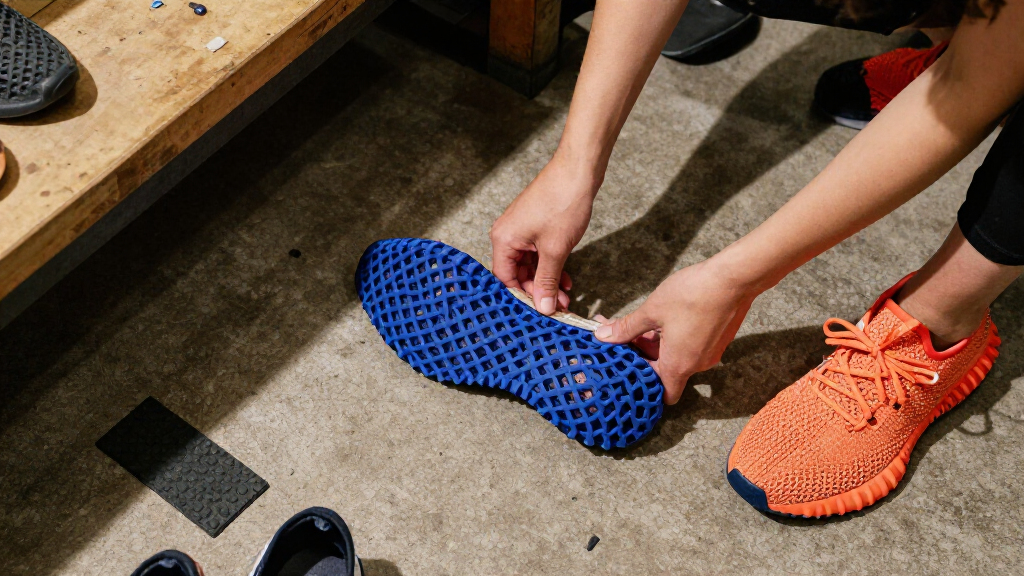
Understanding the technology behind these shoes is the first step to making a smart purchase. Unlike traditional molded foam, 3D printed midsoles are generated from digital designs, allowing for precise control over stiffness and flexibility zones.
Lattice Density and Structural Integrity
The density of the printed lattice dictates how the shoe responds to impact. Higher density grids offer more stability and energy return, making them suitable for running or high-impact sports. Lower density structures provide a softer, more compliant feel, which is better for recovery or casual walking. A common mistake is assuming all 3D printed shoes feel the same; in reality, the geometry of the cells changes the ride entirely. If you need stability for overpronation, look for models with reinforced lateral walls or denser perimeter cells. For pure comfort, an open-cell design allows for greater compression underfoot.
Upper Material Compatibility
While the midsole gets the spotlight, the upper material determines breathability and fit. Many 3D printed sneakers pair the printed sole with traditional knit or synthetic uppers. Some experimental models attempt to print the upper as well, which can result in a stiffer, less forgiving fit. I recommend prioritizing shoes with a flexible, breathable upper if you plan to wear them in warm weather. A rigid 3D printed upper may cause hot spots during longer walks. Check if the upper is seamlessly integrated or stitched to the midsole, as this affects durability and water resistance.
Sizing Nuances in Printed Footwear
Traditional sizing charts do not always translate perfectly to 3D printed footwear. Because the midsole is a single piece of polymer, it lacks the break-in period associated with foam or leather. This means the shoe should feel comfortable immediately upon unboxing. If a model runs narrow, there is little room for stretching. I advise checking specific user feedback regarding width, as many 3D printed models tend to run slightly narrow in the toe box. If you have wide feet, consider sizing up or looking for models specifically labeled as wide-fit compatible.
Durability and Debris Trapping
The open nature of lattice structures creates a unique challenge: debris accumulation. Small pebbles, twigs, or dirt can get lodged in the grid, causing discomfort during wear. Some models feature a protective skin or a denser outer layer to mitigate this issue. When comparing options, look for designs that balance openness for breathability with sufficient coverage to keep debris out. Regular cleaning with water and a soft brush is necessary to maintain performance. If you live in an area with rough terrain, a more enclosed lattice design will offer a better long-term experience.
Price-to-Performance Ratio
3D printed sneakers often carry a premium due to the manufacturing process. However, higher price does not always equate to better performance for every user. Entry-level models can provide adequate comfort for daily walking without the cost of high-end athletic tech. Conversely, paying for advanced energy return features is unnecessary if you only walk short distances. Evaluate your primary use case carefully. If you are running 5Ks regularly, the investment in a high-performance model like the adidas 4D series is justified by the reduced fatigue. For casual wear, a mid-range option often provides the best value.
Frequently Asked Questions
Are 3D printed sneakers durable enough for daily running?
Yes, provided they are designed for athletic use. High-performance models like the adidas 4D series use specialized elastomers that withstand repeated compression without breaking down. However, budget-friendly or fashion-focused 3D printed shoes may use softer, less durable materials that degrade faster under high impact. Always check the manufacturer’s intended use case. If the shoe is marketed for running, it has undergone testing for durability. For casual wear, even less durable models can last years, but they may not provide the same energy return over time.
How do I clean shoes with open lattice midsoles?
Cleaning requires more attention than solid foam soles. I recommend using a gentle stream of water and a soft-bristled brush to dislodge dirt trapped in the grid. Avoid high-pressure washers, as they can damage the delicate printed structures or delaminate the upper. For stubborn stains, a mild soap solution works best. Allow the shoes to air dry completely away from direct heat sources to prevent warping. Regular maintenance prevents debris buildup, which can alter the feel of the ride and cause uneven wear.
Do 3D printed recovery shoes help with plantar fasciitis?
Many users find relief due to the targeted cushioning provided by lattice structures. Unlike uniform foam, 3D printed midsoles can be designed with varying stiffness zones to support the arch while cushioning the heel. This customization can reduce strain on the plantar fascia. However, individual results vary based on the severity of the condition. Look for models with a firm heel cradle and a flexible forefoot. If symptoms persist, consult a podiatrist before switching footwear, as proper orthotics may still be necessary.
Why do some 3D printed sneakers feel harder than foam shoes?
Traditional EVA or PU foams compress uniformly, creating a sensation of softness that many people associate with comfort. Lattice structures, by contrast, rely on geometric deformation. They can feel firmer initially because the material itself is often a resilient elastomer rather than a soft foam. The ‘give’ comes from the structure collapsing and rebounding, not the material squishing. This provides better energy return but requires an adjustment period. If you prefer a plush feel, look for models with larger, more open cells or lower-density prints.
Can I use 3D printed sneakers in the rain?
Most 3D printed midsoles are water-resistant because they are made from non-porous polymers. However, the upper material is the weak point. If the upper is mesh or knit, it will absorb water, leading to wet socks and potential odor issues. Some models feature a protective coating or a synthetic upper that repels moisture better. For rainy conditions, choose a pair with a water-repellent upper or apply a waterproofing spray. Note that while the sole won’t degrade in water, prolonged soaking can affect adhesives if the shoe is constructed with glue.
Conclusion
Selecting the right 3D printed sneaker depends on your specific activity level and comfort preferences. For the best overall performance, the adidas Men’s 4D Fusio Shoes offer an unmatched combination of style and athletic capability. If you are looking for the best value for casual wear, the Women’s 3D Printed Lattice Slip-On Shoes provide a modern aesthetic without the high-end price tag. For those prioritizing post-workout recovery, the 3D-Printed Recovery Shoes deliver the softest, most accommodating fit for tired feet. Beginners interested in the technology should start with the adidas 4D Run 1.0, which offers a forgiving introduction to lattice cushioning. Each of these eight options serves a distinct purpose, so choose based on whether you need energy return, recovery, or everyday style.