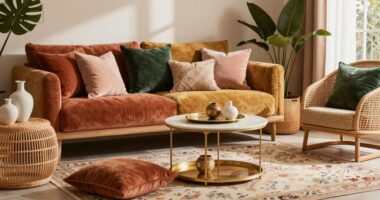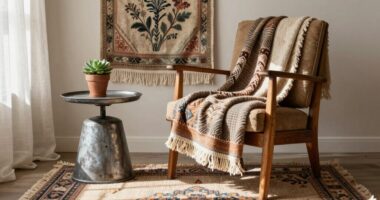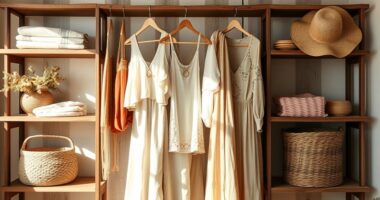
Boho style started in the 1960s as a rebellious, free-spirited look influenced by ethnic textiles, hippie culture, and a love for individuality. Over the decades, it evolved through bold prints, layered accessories, and festival-inspired pieces, gaining mainstream popularity in the 2000s thanks to celebrities and brands. Today, it includes various substyles like boho-chic and minimalist boho, blending tradition and modern sustainability. Discover how this timeless look continues to adapt and inspire new trends.
Key Takeaways
- Boho style originated in the 1960s as a rebellious, free-spirited fashion inspired by ethnic textiles and counterculture movements.
- The aesthetic evolved through the decades, reflecting changing cultural influences from the 1970s eclecticism to 1980s vibrant colors.
- Celebrities and festival culture in the 2000s revived and mainstreamed boho fashion with layered outfits, floral accessories, and ethnic patterns.
- Sustainable practices and ethical craftsmanship have become integral to modern boho trends, emphasizing eco-friendly fabrics and fair trade.
- Today’s boho style integrates vintage, global influences, and digital innovations, maintaining its core of individuality, comfort, and cultural appreciation.

Trendy Queen Womens Oversized Long Sleeve Shirts Fall Tops 2026 Basic Tees
- Fabric Material: Breathable, stretchy, soft, lightweight
- Styling Options: Pairs with leggings, shorts, jeans, cargo
- Suitable Occasions: Casual, streetwear, office, beach, parties
As an affiliate, we earn on qualifying purchases.
The Birth of the Boho Movement in the 1960s
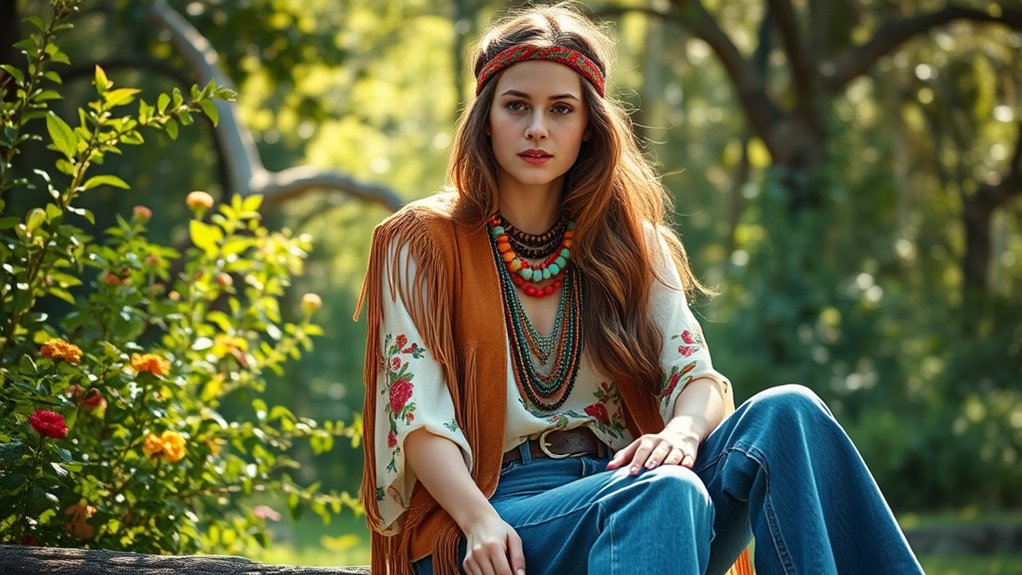
The boho movement first took shape in the 1960s as a bold response to mainstream fashion, emphasizing individuality and free expression. It grew out of the hippie movement, which championed peace, love, and rebellion against societal norms. You’ll notice the style’s roots in ethnic prints, embroidery, and flowing fabrics inspired by Indian, Middle Eastern, and North African textiles. This free-spirited aesthetic reflects a desire to break away from conventional styles, embracing a more organic, global-inspired look. Iconic figures like Janis Joplin and Stevie Nicks popularized these styles through their festival and stage outfits, featuring fringe shawls, chiffon skirts, and layered jewelry. The movement became synonymous with festival culture, particularly at Woodstock, embodying a sense of liberation and individuality that defined the era. Boho-inspired fashion often incorporated vintage and handmade elements, emphasizing sustainability and personal craftsmanship. Additionally, the style’s emphasis on natural materials and beach-inspired accessories helped shape its relaxed and earthy vibe. The use of textile patterns also contributed significantly to its distinctive aesthetic, blending various cultural motifs into a cohesive look. Moreover, the adoption of color palettes inspired by nature further enhanced its harmonious and laid-back appeal.
Key Influences From the Hippie Era
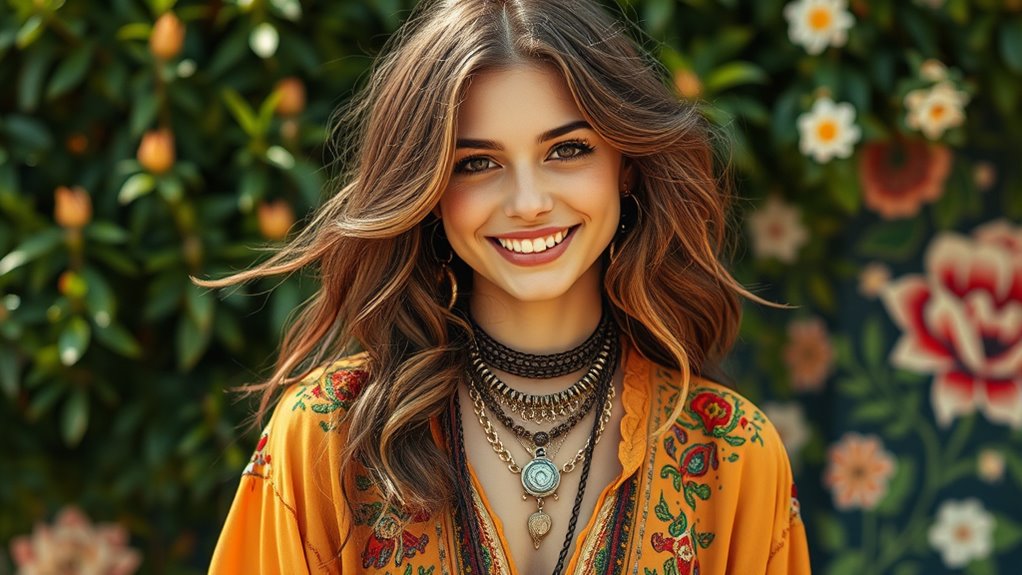
The hippie era introduced ethnic prints and patterns that remain central to boho fashion today, reflecting a desire for cultural connection. Layering free-spirited outfits with flowing fabrics and fringe became a statement of individuality and rebellion. Symbols of peace and love, often seen in accessories and clothing, continue to define the boho aesthetic’s message of harmony and freedom. Additionally, the influence of textile techniques from that era helped shape the diverse styles embraced by modern boho enthusiasts. The era also emphasized personal expression, which remains a core principle of boho style today, encouraging unique and eclectic combinations. Moreover, the incorporation of sound healing science concepts into boho-inspired wellness practices highlights the ongoing connection between spiritual well-being and style. Understanding the importance of space organization can also enhance the way boho interiors are styled, emphasizing clutter-free and serene environments that reflect the bohemian ethos.
Ethnic Prints and Patterns
Ever wonder how ethnic prints and patterns became a hallmark of boho style? During the 1960s, exposure to African, Indian, Middle Eastern, and Native American textiles inspired the fashion evolution of bohemian style. The hippie movement embraced intricate embroidery, bold geometric motifs, and vibrant colors, often seen in tie-dye shirts, patchwork skirts, and embroidered vests. These ethnic-inspired patterns promoted cultural appreciation and diversity, becoming symbols of global unity and spiritual connection. Festival fashion showcased flowing fabrics adorned with ethnic prints, cementing their place in boho aesthetics. Today, contemporary brands blend traditional motifs with eco-friendly textiles, keeping the influence alive. Ethnic prints continue to symbolize the free-spirited, multicultural essence of boho fashion.
| Ethnic Prints | Cultural Inspiration |
|---|---|
| Geometric motifs | Traditional textiles |
| Vibrant colors | Global influences |
| Embroidery | Artistic craftsmanship |
| Tie-dye | Textile diversity |
| Patchwork | Craftsmanship heritage |
Free-Spirited Layering Styles
Drawing inspiration from the hippie era, free-spirited layering styles emphasize comfort, individuality, and a relaxed vibe. You’ll notice how bohemian fashion incorporates eclectic layering, mixing flowing skirts, bell-bottoms, and loose blouses to create a laid-back, expressive look. Hippie influences often combine ethnic prints, crochet tops, and fringed vests, celebrating cultural diversity and creativity. Accessories like layered necklaces, stacked bangles, and wide-brimmed hats further enhance the layered outfit, adding personal flair. Texture plays a key role, with suede, linen, and lace layered to achieve a tactile, boho feel. This style embodies the rebellious, free-spirited ethos of the hippie movement, prioritizing comfort and individuality over structured perfection, making it a timeless staple in boho fashion. Additionally, layering techniques are essential in creating depth and personal expression within the boho aesthetic, and understanding exfoliation benefits can help maintain healthy skin that complements this relaxed style.
Symbolism of Peace & Love
During the hippie era, boho fashion became a powerful symbol of peace and love, expressing ideals of harmony and unity through its design elements. Peace symbols, such as the well-known peace sign, were often featured in jewelry and accessories, reinforcing messages of nonviolence. Clothing embraced earthy tones and natural motifs like floral patterns, doves, and hearts, reflecting a deep connection to nature and a desire for environmental harmony. Flowing fabrics and tie-dye designs symbolized freedom and a relaxed, peaceful lifestyle. Iconic figures like Janis Joplin and Stevie Nicks embodied this ethos through their fashion choices and rebellious spirit. Today, those symbols of love and peace continue to inspire boho fashion, reminding us of its roots in activism and a quest for a more harmonious world. Incorporating Gold IRA rollovers into modern financial planning can also reflect a desire for stability and security, much like the foundational values of the hippie movement. Additionally, the emphasis on mindfulness and self-expression remains central to contemporary boho style, echoing the era’s focus on personal and collective well-being. Recognizing the cultural significance of these symbols helps us appreciate how fashion can serve as a form of peaceful activism and collective identity. Furthermore, the integration of AI tools in creative processes has helped preserve and reinvent these symbolic elements in modern fashion design, fostering a deeper energetic alignment with these timeless motifs.
The Revival of Boho Style in the 2000s
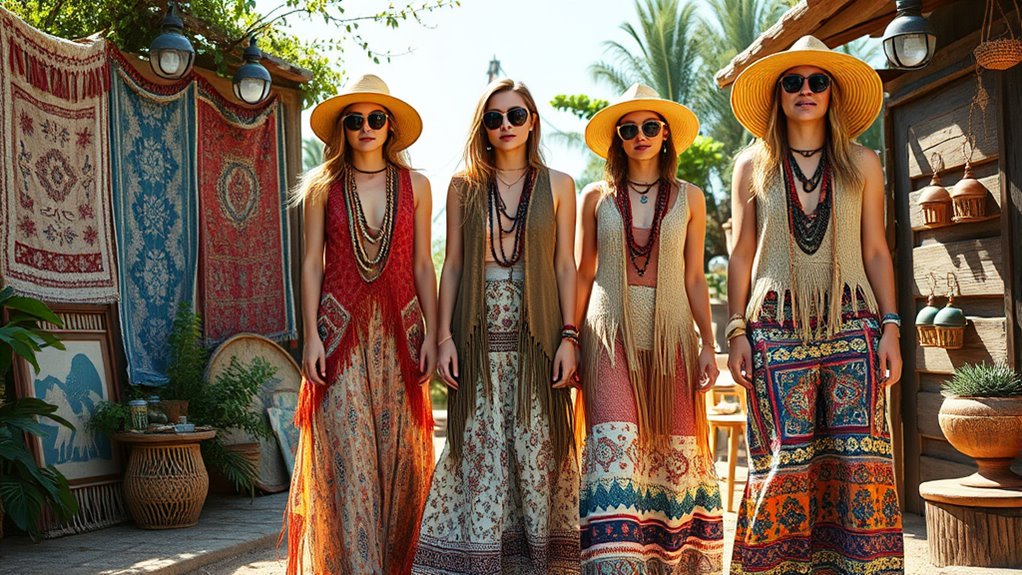
In the 2000s, celebrities like Sienna Miller and Kate Moss made boho style widely popular again, shaping mainstream trends. Fast fashion brands like Urban Outfitters and Free People made these looks accessible to everyone, fueling the trend’s growth. At the same time, the movement toward sustainable fashion and DIY aesthetics reflected a shift in values, emphasizing eco-friendly materials and individuality. Additionally, the integration of global flavors into boho-inspired designs further enriched the style’s evolution, blending cultural influences with modern fashion. The rise of remote collaboration in the fashion industry also allowed designers from different backgrounds to contribute to boho trends, fostering innovation and diversity. This era also saw a renewed interest in vintage clothing, which became a cornerstone of authentic boho expression. Moreover, the incorporation of home decor elements like textured textiles and eclectic accessories helped extend boho style beyond fashion into personal spaces. Furthermore, the growing importance of sustainable materials in production processes underscored the movement’s commitment to eco-consciousness.
Celebrity Influence and Trends
Have you ever wondered how boho style surged back into mainstream fashion in the 2000s? Celebrity influence played a key role in this revival, turning boho-chic into a must-have trend. Stars like Sienna Miller and Kate Moss showcased flowing dresses, layered accessories, and vintage-inspired pieces, making them iconic fashion staples. The Olsen twins embraced bohemian aesthetics with maxi skirts, floppy hats, and oversized jewelry, inspiring many young women’s personal styles. High-profile festivals like Coachella elevated boho fashion, with stars such as Vanessa Hudgens and Gigi Hadid sporting festival-ready looks that combined Western and gypsy influences. Designer collaborations, like Tory Burch’s boho-inspired line, helped make boho elements accessible. Media coverage and social platforms amplified these trends, cementing boho-chic’s place in 2000s fashion. Additionally, the interior design movement influenced fashion by emphasizing a relaxed, eclectic aesthetic that resonated with boho style enthusiasts. The use of natural and organic fabrics also became a defining characteristic of the bohemian aesthetic during this revival. As the trend grew, high-quality equipment for styling became essential for enthusiasts to recreate and personalize boho looks, bridging fashion and lifestyle. Furthermore, the incorporation of sustainable fashion practices reflected a growing awareness of eco-friendly materials in the boho movement. Moreover, the increasing popularity of ethnic and artisanal accessories contributed to the authentic and handcrafted vibe associated with modern boho fashion.
Sustainable Fashion Movement
The 2000s marked a notable shift in boho fashion as sustainability and eco-consciousness took center stage. You begin to notice brands embracing sustainable materials like organic cotton, recycled fabrics, and natural dyes, making eco-friendly fashion a core part of the movement. Celebrity influencers such as Sienna Miller and Kate Moss promote sustainable boho styles through festival appearances and collaborations, inspiring you to shop smarter. Vintage shopping becomes a popular way to find unique, eco-conscious pieces while reducing waste and supporting fair trade. Modern boho fashion also incorporates digital printing and sustainable production practices, reflecting a genuine commitment to ecological responsibility. Supporting environmentally conscious choices in fashion aligns with the principles behind sustainable materials, encouraging a more eco-friendly wardrobe. This movement empowers you to embrace style that’s both trendy and environmentally mindful, shaping the revival of boho’s modern era.
Iconic Fashion Elements Through the Decades
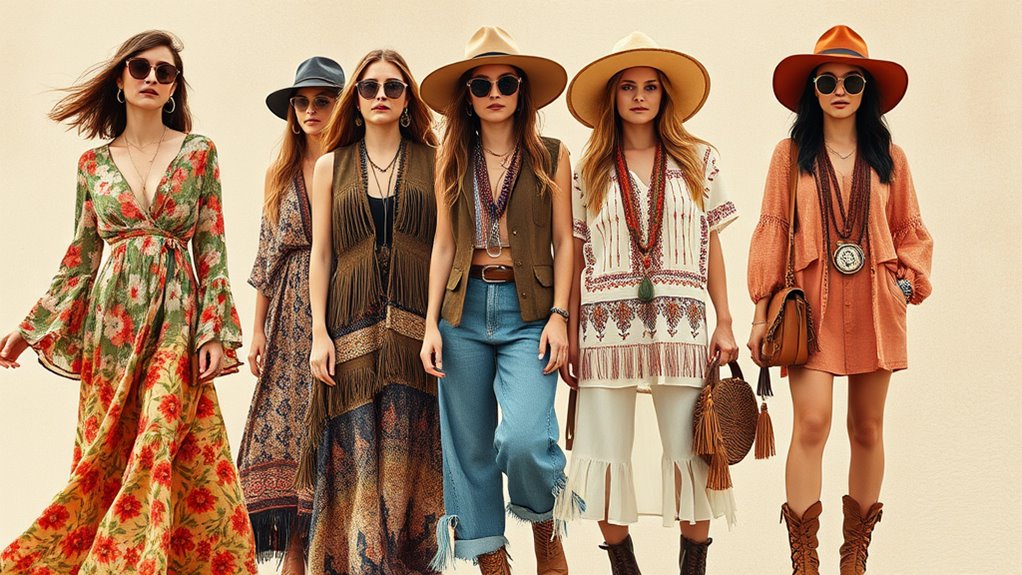
Iconic fashion elements of the boho style have evolved dynamically across the decades, reflecting shifts in cultural influences and personal expression. In the 1960s, you embraced flowing fabrics like maxi dresses, fringe accents, and ethnic-inspired embroidery, embodying the free-spirited counterculture. The 1970s brought bold prints and layered accessories such as wide-brimmed hats and jewelry, emphasizing a relaxed, eclectic vibe. In the 1980s, brighter colors and eclectic patterns added vibrancy to the vintage-inspired aesthetic, mixing modern and vintage influences. Moving into the 1990s and early 2000s, layered fabrics, patchwork, and festival-inspired accessories like flower crowns and fringed bags became signature. Today, boho fashion continues to celebrate layered textures, vintage-inspired details, and flowing fabrics for a modern, versatile look.
How Mainstream Fashion Adopted Boho Aesthetics
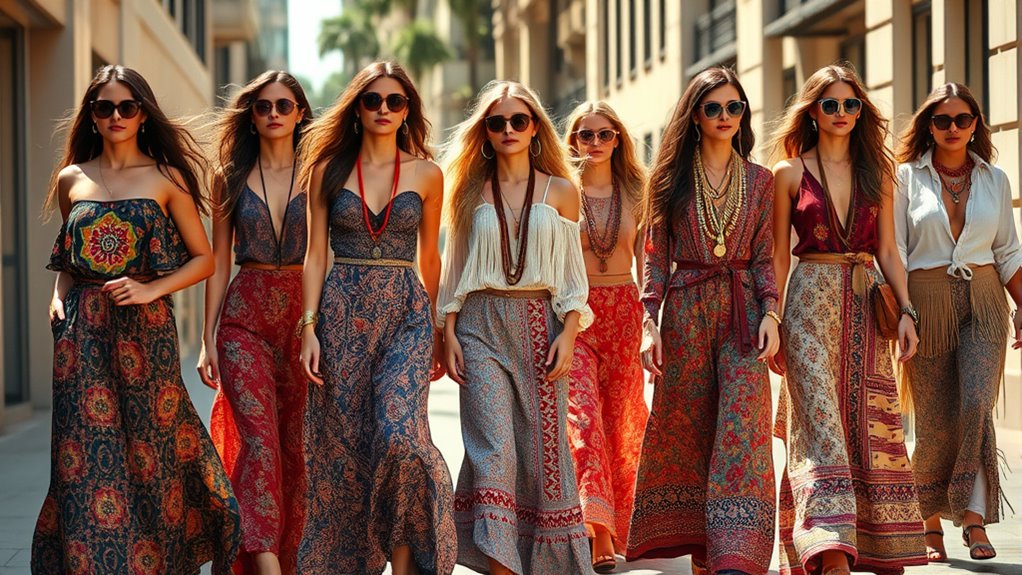
Mainstream fashion embraced boho aesthetics in the 2000s, transforming a countercultural style into a widely accessible trend. Designer collections from brands like Chloé, Gucci, and Yves Saint Laurent showcased boho-inspired elements such as flowy skirts, fringe, and ethnic prints on runways, elevating boho fashion into high-end circles. Fast fashion retailers quickly followed, offering affordable boho-inspired pieces like layered jewelry and printed maxi dresses, making the style available to everyone. Celebrity icons like Sienna Miller, Kate Moss, and Vanessa Hudgens helped popularize boho-chic looks, both on red carpets and in daily wear. The versatility of boho-inspired items—tiered skirts, statement kimonos, layered accessories—allowed the style to seamlessly blend into various fashion segments, from casual to upscale.
Sustainability and Ethical Practices in Modern Boho
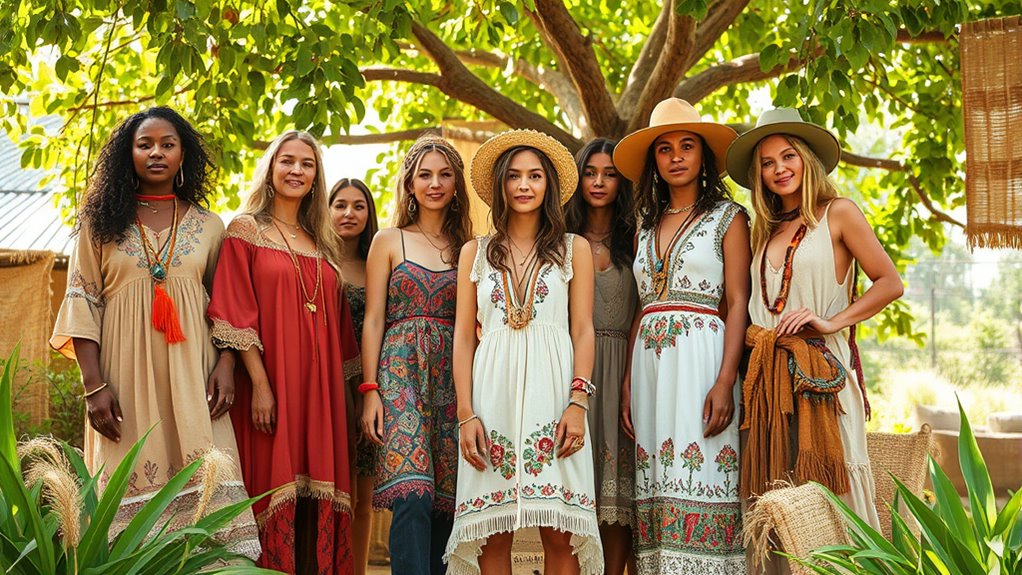
As you explore modern boho fashion, you’ll notice a strong focus on eco-friendly materials like organic cotton and recycled fabrics. Many brands work directly with fair-trade artisans and prioritize ethical manufacturing to guarantee fair wages and safe conditions. By choosing brands that emphasize sustainability and transparency, you can support responsible practices and make a positive impact.
Eco-Friendly Materials Use
Modern boho fashion champions sustainability by incorporating eco-friendly materials like organic cotton, bamboo, and recycled fabrics, helping to lower environmental impact. By choosing these materials, you support sustainable fashion and reduce reliance on harmful chemicals and non-renewable resources. Many brands prioritize ethical practices, ensuring fair labor standards and transparent supply chains. They often use digital printing techniques to create vibrant patterns on eco-conscious textiles, minimizing waste and chemical use. Supporting eco-friendly boho apparel means you contribute to environmental conservation and fair employment. Brands also collaborate with organizations dedicated to waste reduction and ethical initiatives. This approach aligns your style with values that promote sustainability, ethical practices, and a conscious fashion industry. Together, these efforts make modern boho a symbol of responsible and stylish living.
Fair Trade Artisanship
Fair trade artisanship plays a crucial role in shaping sustainable boho fashion by guaranteeing that handcrafted pieces support ethical employment and fair wages. When you choose boho items made through fair trade practices, you’re supporting artisans worldwide who work in safe environments and receive fair compensation. This commitment preserves traditional techniques while promoting social and economic development. By prioritizing ethical practices, brands reduce exploitation and foster positive change.
| Fair Trade | Artisanship & Ethics |
|---|---|
| Ensures fair wages | Preserves cultural craftsmanship |
| Supports sustainable livelihoods | Promotes safe working conditions |
| Reduces exploitation | Encourages community development |
| Builds transparency | Upholds environmental standards |
Choosing ethically-made boho fashion aligns your style with conscious, responsible practices.
Sustainable Production Methods
Building on the ethical foundation of fair trade artisanship, sustainable production methods in boho fashion focus on reducing environmental impact through innovative practices. You’ll find brands prioritizing eco-friendly materials like organic cotton, bamboo, and recycled fabrics to lessen their footprint. Ethical practices also mean supporting artisans worldwide, ensuring fair wages and safe working conditions. To promote cultural preservation and craftsmanship, brands often collaborate with independent artists for limited-edition designs. Digital printing technologies help minimize waste, water, and chemical use, making textile production more eco-friendly. Additionally, sustainability initiatives encourage upcycling, recycling, and choosing timeless, durable pieces over fast fashion. This approach guarantees boho fashion remains not only stylish but also mindful of the planet and its people.
- Use eco-friendly materials like organic cotton and recycled fabrics
- Support ethical practices with fair trade sourcing
- Employ digital printing to reduce waste and chemical use
- Promote upcycling and timeless fashion choices
The Role of Celebrities and Influencers in Popularizing Boho
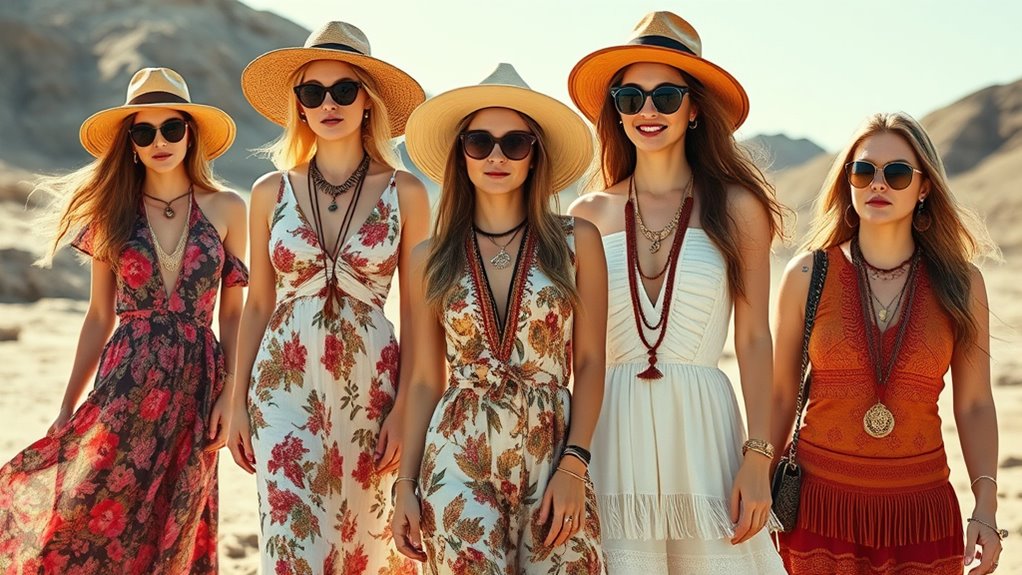
Celebrities and influencers have played a pivotal role in shaping and sustaining boho’s popularity over the decades. Celebrity influence from icons like Janis Joplin and Stevie Nicks in the 1960s and 70s helped define the free-spirited, eclectic style associated with boho fashion. In the early 2000s, fashion icons like Kate Moss and Sienna Miller revived boho by popularizing vintage-inspired, layered looks, making festival fashion mainstream. Florence Welch further cemented boho’s place in modern style with her romantic, flowing outfits that became symbolic of festival culture. Today, influencers and social media stars continue this legacy by showcasing layered, eclectic outfits at festivals and street style platforms. High-profile runway shows and red carpet appearances also keep boho trends alive, blending vintage charm with contemporary sophistication.
Variations and Substyles Within Boho Fashion Today
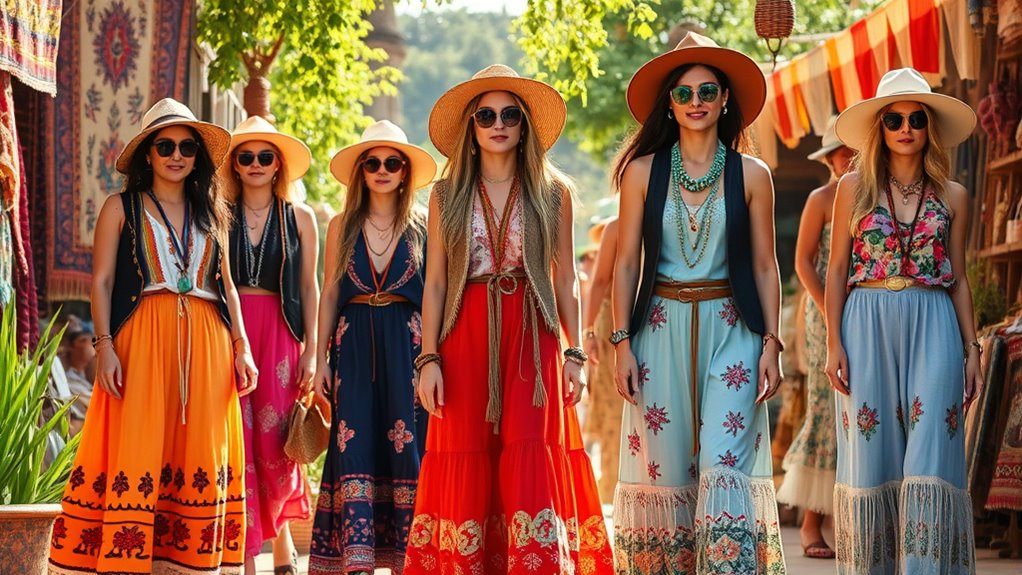
Today’s boho fashion offers a diverse range of substyles that reflect different tastes and intentions. Whether you prefer a minimalist approach or an edgier vibe, there’s a modern boho substyle for you.
- Boho-chic blends vintage with contemporary pieces, creating a relaxed yet sophisticated look.
- Minimalist boho features subdued colors and sleek silhouettes for a streamlined style.
- Edgy boho incorporates leather, studs, and darker tones, giving a rebellious twist.
- Festival boho is all about bold prints, layered accessories, and free-spirited elements perfect for outdoor events.
These substyles showcase the versatility of modern boho, combining global influences and sustainable practices to suit different preferences and lifestyles.
Tips for Incorporating Boho Vibes Into Contemporary Wardrobes
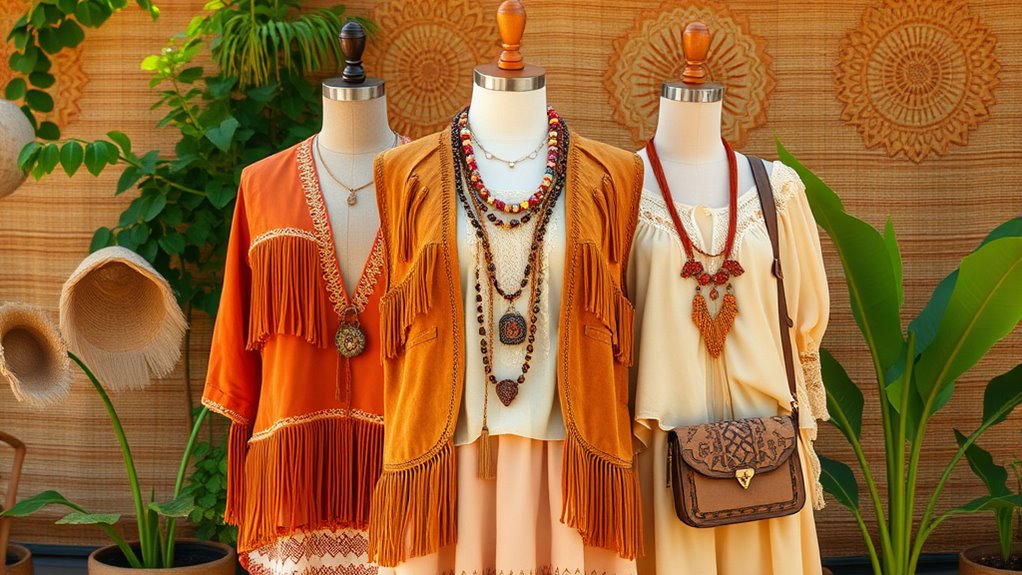
Incorporating boho vibes into your contemporary wardrobe is easier than you might think by blending key pieces with your everyday staples. Start with boho clothing like embroidered blouses or flowy skirts, then mix in modern design elements such as denim jackets or sleek boots for a balanced look. Layered necklaces, oversized earrings, and stacked rings add authentic boho charm and personality. Use earthy tones and natural fabrics like linen, cotton, and hemp to create a relaxed, eco-friendly vibe. Don’t hesitate to experiment with pattern mixing—florals, paisley, and geometric prints reflect the eclectic, free-spirited essence of boho style. *Shift* boho elements into your daily wear with versatile pieces like kimonos or fringe details that can easily be dressed up or down.
The Future of Boho Style in a Changing Fashion Landscape
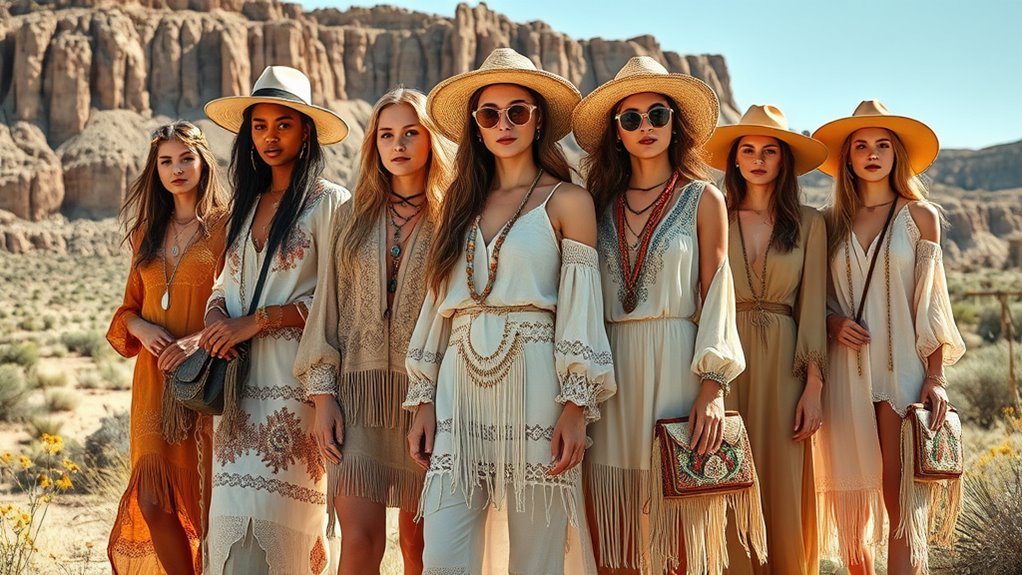
As boho style continues to evolve, its future will be shaped by innovations and shifting values within the fashion industry. Sustainability will play a key role, with eco-friendly fabrics and ethical production gaining importance to meet consumer demands. Digital innovation will transform how you experience boho-inspired designs, through virtual fashion shows and augmented reality try-ons that make exploring styles more interactive. As fashion emphasizes individuality, future boho trends may include customizable pieces and adaptive designs suited for diverse bodies and lifestyles. Collaborations between mainstream brands and independent artisans will deepen authenticity and cultural richness in collections. Plus, blending vintage aesthetics with modern minimalism will keep boho fresh and relevant for a new generation seeking tradition and innovation simultaneously.
Frequently Asked Questions
What Is the Origin of Boho Style?
You might wonder where boho style comes from. It started in 18th-century Europe with the Bohemian movement, where artists and writers embraced artistic freedom and unconventional lifestyles. The term “bohemian” has roots in 15th-century France, linked to Roma people from Bohemia. Early fashion featured loose silhouettes, layered fabrics, and earthy tones, symbolizing individuality and a rejection of social norms, which still influences boho style today.
What Is the History of Boho Clothing?
You want to understand the history of boho clothing. It started in the 18th century with the European Bohemian movement, highlighting creativity and individuality. In the 19th century, artists and intellectuals embraced loose, layered styles. The 1960s hippie movement revived boho fashion, adding ethnic prints and flowing fabrics. Over time, it incorporated vintage, folk, and modern influences, evolving into a versatile style that celebrates free-spirited, cultural diversity today.
What Is the History of the Boho Theme?
Imagine the boho theme as a free-spirited river, flowing from artists and writers in 18th-century France, carving through social norms. You see it emerge again in 19th-century Romanticism, embracing individuality, and then surge in the 1960s counterculture, symbolizing peace and rebellion. Today, you carry its essence—creativity, independence, nonconformity—adapting it to modern life, keeping the spirit alive as it winds through history’s currents.
What Is the Difference Between Modern Boho and Boho?
You’ll notice that modern boho simplifies the traditional style with clean lines and minimal details, making it more mainstream. Traditional boho is all about layered fabrics, vintage patterns, and handcrafted details, often linked to counterculture. Modern boho also emphasizes sustainability and ethical practices, using synthetic materials and digital prints for convenience. While both celebrate creativity, modern boho is more accessible, blending contemporary trends with bohemian spirit.
Conclusion
As you embrace boho today, imagine weaving threads of 60s rebellion and 2000s revival into your style. Think of it as planting a seed that blossoms through time, blending free spirit with modern flair. By wearing these elements, you keep the movement alive, like a gentle breeze carrying whispers of history. Your wardrobe becomes a living canvas, where past and present dance together in effortless harmony.