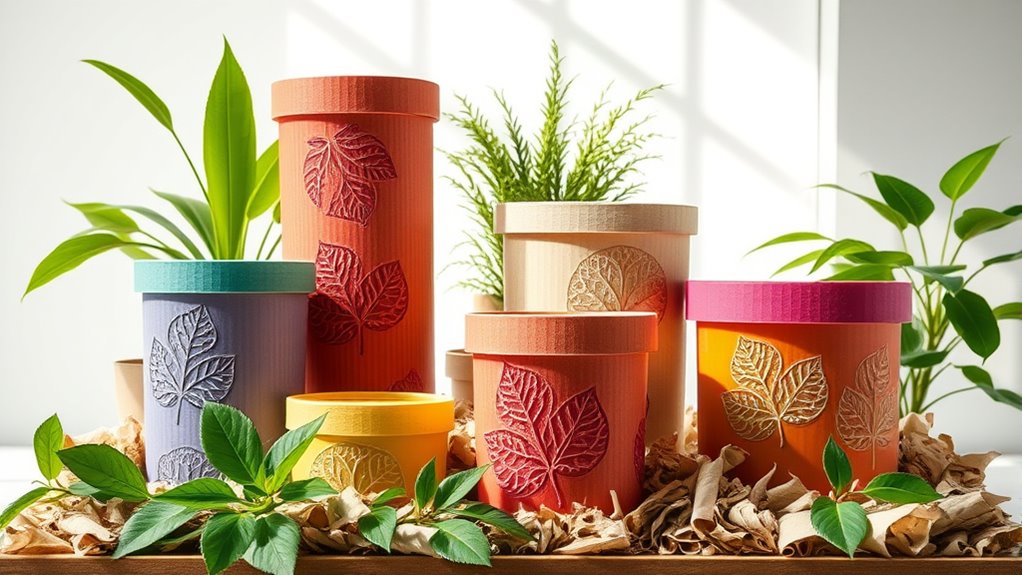

Sustainable packaging goes beyond simple brown boxes by combining biodegradable plastics, reusable materials, and innovative solutions to lower environmental impact. You can choose packaging made from renewable resources like cornstarch or algae, or opt for reusable options that encourage responsible consumption. These approaches boost your brand image, appeal to eco-conscious consumers, and help reduce waste. Continue exploring how these innovative solutions can make your packaging more eco-friendly and aligned with future sustainability trends.
Key Takeaways
- Integrate biodegradable plastics with reusable materials for layered, eco-friendly packaging solutions.
- Develop innovative, renewable resource-based materials that enhance durability and ecological benefits.
- Promote multi-use packaging designs that encourage consumer reuse and reduce single-use waste.
- Incorporate natural and authentic materials like wood, stone, or linen to elevate sustainability and brand appeal.
- Implement hybrid approaches combining biodegradable and reusable elements for comprehensive environmental impact.

Have you ever wondered how packaging can be both eco-friendly and effective? Today, sustainable packaging innovations are transforming the way businesses deliver products while minimizing environmental impact. One of the most promising developments is the use of biodegradable plastics. Unlike traditional plastics that can persist in the environment for hundreds of years, biodegradable plastics break down naturally through the action of microorganisms, turning into harmless substances like water, carbon dioxide, and biomass. This means you can enjoy the durability and versatility of plastic without worrying about long-term waste accumulation. Companies are increasingly adopting biodegradable plastics for packaging food, cosmetics, and retail goods because they offer a practical solution that reduces landfill overflow and pollution.
Biodegradable plastics offer durable, eco-friendly packaging solutions that decompose naturally, reducing waste and environmental impact.
But biodegradable plastics are just one part of the story. Reusable materials are also gaining momentum as a cornerstone of sustainable packaging. Instead of single-use containers or wraps, businesses now focus on creating packaging that customers can reuse multiple times. Imagine receiving a product in a sturdy, attractive box that you can repurpose for storage or organization around your home. Reusable materials not only cut down on waste but also foster a sense of responsibility and conscious consumption. Brands that invest in durable, stylish, and functional packaging encourage consumers to view packaging as an extension of the product experience rather than disposable trash. This shift from throwaway to reusable packaging helps close the loop in the product lifecycle, making sustainability a shared effort between companies and consumers.
Innovators are also exploring biodegradable plastics made from renewable resources such as cornstarch, sugarcane, and algae. These materials are not only sustainable but also biodegradable under the right conditions, making them an excellent alternative to petroleum-based plastics. When combined with reusable materials, they create a hybrid approach that maximizes environmental benefits. For example, a product could arrive in a reusable cloth bag lined with biodegradable plastic padding, reducing waste in multiple ways. This layered strategy addresses both the immediate need for protective packaging and the long-term goal of waste reduction. Additionally, using renewable resources can significantly lower the carbon footprint associated with packaging production. Incorporating innovative materials can further enhance the ecological advantages of sustainable packaging. Moreover, advancements in biodegradable material technology are continuously expanding the options available for eco-conscious packaging solutions.
Incorporating biodegradable plastics and reusable materials into packaging design isn’t just good for the planet—it can also boost your brand image. Consumers are increasingly seeking products that align with their values, especially sustainability. By choosing innovative, eco-friendly packaging options, you demonstrate a commitment to environmental responsibility, which can foster trust and loyalty. Additionally, emphasizing the use of natural materials like wood, stone, and linen in packaging can enhance authenticity and rustic appeal. As you consider your packaging needs, remember that these sustainable materials aren’t just trends—they’re essential tools for reducing ecological footprints while keeping your products protected and appealing.

Isner Mile Dad Gifts Fathers Day Husband: from Wife Daughter, Beard Grooming Kit for Men with Beard Oil Balm Wash Brush Comb & Straight Razor, Stocking Stuffers Birthday Gifts for Men Him Boyfriend
COMMAND ATTENTION WHEREVER YOU GO - A groomed beard will make you stand out from the crowd! The...
As an affiliate, we earn on qualifying purchases.
Frequently Asked Questions
How Cost-Effective Are Sustainable Packaging Options for Small Businesses?
When considering if sustainable packaging options are cost-effective, you should do a thorough cost analysis to compare expenses and savings. While initial costs might be higher, sustainable choices can reduce waste and streamline your supply chain, saving money long-term. For small businesses, these benefits often outweigh the upfront investment, making eco-friendly packaging a smart, cost-effective decision that aligns with your sustainability goals and improves your brand image.
What Are the Latest Biodegradable Materials Used in Packaging Innovations?
Imagine wrapping your products in leaves, blending nature with innovation. Today, biodegradable polymers like polylactic acid (PLA) and polyhydroxyalkanoates (PHA) lead the way, offering compostable materials that break down naturally. These eco-friendly options reduce waste and carbon footprints, making your packaging sustainable. As technology advances, newer biodegradable materials emerge, giving you greener choices that align with environmental goals and appeal to eco-conscious consumers.
How Do Consumers Perceive Eco-Friendly Packaging Compared to Traditional Options?
You might notice that consumers perceive eco-friendly packaging more positively than traditional options, especially as their environmental awareness grows. They often associate sustainable packaging with better recycling habits and environmental responsibility. This perception boosts brand loyalty and encourages eco-conscious choices. However, some still question the durability and cost, so clear communication about benefits and proper recycling instructions can enhance trust and acceptance of eco-friendly packaging.
What Regulations Impact the Development of Sustainable Packaging Solutions?
You’ll find that regulations like strict regulatory standards and certification processes greatly impact the development of sustainable packaging solutions. These rules ensure products meet environmental and safety criteria, guiding innovation. Compliance can be challenging but also drives improvement, encouraging you to adopt eco-friendly materials and practices. Staying informed about evolving regulations helps you innovate effectively while ensuring your packaging remains legally compliant and environmentally responsible.
Can Sustainable Packaging Maintain Product Integrity During Transit?
You can be confident that sustainable packaging can maintain product integrity during transit, despite recycling challenges and material durability concerns. Advances in eco-friendly materials now offer robust protection, ensuring your products arrive safe and intact. While recycling challenges exist, innovative designs and stronger biodegradable options help balance durability with environmental benefits. So, you don’t need to compromise on quality while supporting sustainability—modern solutions effectively safeguard your shipments.

Men Soccer Fan Top for Watch Party Nights Tshirts XL
Soccer Fan Style for Match Days: Designed for men who love the excitement of international soccer tournaments, this...
As an affiliate, we earn on qualifying purchases.
Conclusion
Think of sustainable packaging as a garden you nurture. Every eco-friendly choice you make plants seeds of change, growing into a lush landscape of innovation. As you embrace new materials and smarter designs, you’re tending this garden, shaping a future where packaging isn’t just a brown box but a vibrant, sustainable ecosystem. Your actions today become the roots that support a greener, healthier world tomorrow—so keep cultivating those innovative ideas.
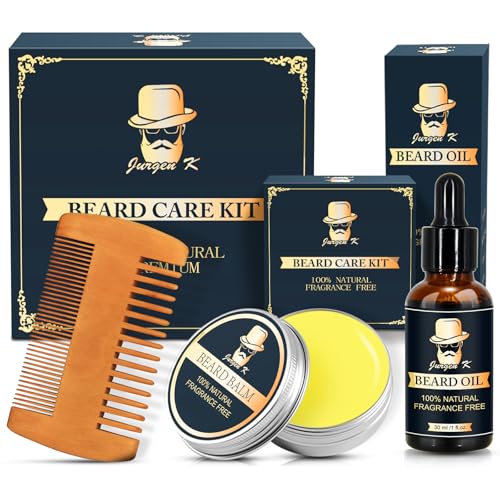
Dad Gifts Fathers Day, Beard Kit w/Beard Oil, Balm, Comb, Men's Daily Grooming & Care, Moisturize & Soften Facial Hair, Dad Day Gifts from Daughter Wife Son, Birthday Gifts for Husband Boyfriend Son
Beard Oil & Balm for Maximum Hydration: Our non-greasy beard oil absorbs instantly to moisturize skin and eliminate...
As an affiliate, we earn on qualifying purchases.

Shaving Kit for Men - The Ultimate Secret Santa Gift Set, Includes Safety Razor, Sandalwood Shaving Cream, Aftershave, Pre Shave Oil, Brush, Bowl & Apron Bib - Unique Gifts Set for Him Husband Dad
Great Value Complete Shaving Kit Contains 8 Shaving Essentials: This men`s shaving kit is your one stop station...
As an affiliate, we earn on qualifying purchases.