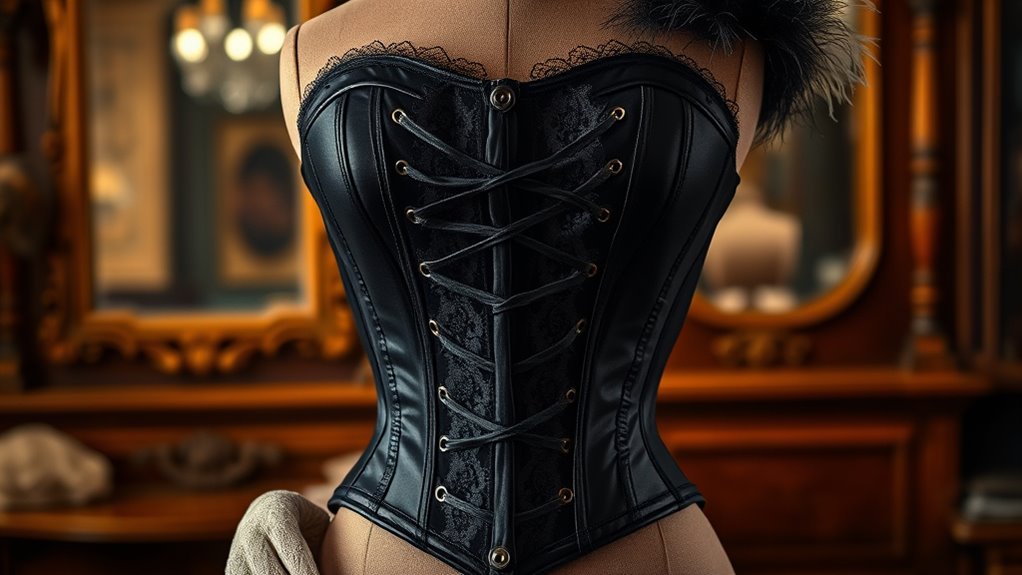

The corset’s comeback shows how fashion has transformed from a symbol of discomfort and control into one of empowerment and self-expression. Modern designs blend history with contemporary style, using softer, sustainable fabrics while emphasizing body positivity. Today’s corsets break away from restrictive shapes, inspiring confidence and versatility. If you keep exploring, you’ll discover how these historical garments now celebrate personal growth and freedom, reflecting a powerful shift in fashion and cultural attitudes.

Get your wardrobe favorites delivered free — and shop member deals
- Fast, free delivery on millions of items
- Access to Prime Big Deal Days deals on October 6–7
- Prime Video, Amazon Music and more included
Key Takeaways
- Modern reinterpretations blend historical elements with contemporary styles, emphasizing empowerment and body positivity.
- The shift from restrictive to versatile designs reflects changing social attitudes toward comfort and self-expression.
- Sustainable materials and innovative construction techniques revitalize corsets for modern wear, emphasizing versatility and confidence.
- Cultural narratives have transformed the corset from a symbol of oppression into a symbol of personal liberation.
- Designers incorporate streetwear and experimental shapes, highlighting the corset’s evolution as a fashion statement rather than a tool of control.
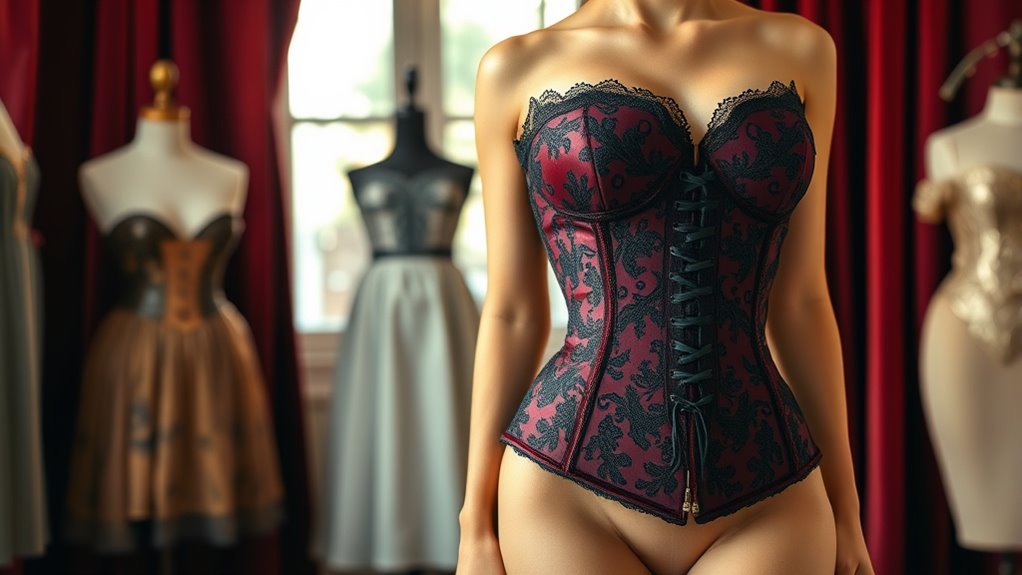
Have you noticed the resurgence of corsets in fashion lately? It’s no coincidence. What was once a symbol of restrictive beauty standards and discomfort is now making a bold comeback on runways, street style, and social media. But today’s corset isn’t the same as the ones from centuries past. Instead, designers are reimagining this garment through a lens of modern reinterpretation, blending historical influence with contemporary aesthetics. This shift invites you to explore not just the fashion statement but also the evolution of the corset’s meaning over time. When it comes to designing modern corsets, many brands are keen to respect historical accuracy. They study vintage patterns, materials, and construction techniques to preserve the essence of what made traditional corsets iconic. Yet, they adapt these elements to suit current tastes and sensibilities. For instance, intricate boning, lace-up fronts, and steel supports might be retained, but the materials often shift toward softer fabrics, sustainable textiles, or even stretchable options that offer comfort without sacrificing style. This careful balance helps you appreciate the corset’s rich history while experiencing it as a wearable piece that aligns with today’s values of comfort and versatility. Modern reinterpretation doesn’t mean simply copying old designs; it’s about transforming the corset into an empowering fashion statement. You’ll see styles that emphasize body positivity, with corsets that enhance natural curves rather than distort them. Some designers experiment with deconstructed or asymmetrical shapes, breaking away from the strict hourglass silhouette. Others incorporate contemporary influences like streetwear, metallic finishes, or unexpected accessories. This approach allows you to see the corset as a versatile piece, one that can be layered over shirts, worn as outerwear, or styled for both casual and formal occasions. It’s a reflection of how fashion evolves—respecting tradition while pushing boundaries. The resurgence also sparks conversations about the corset’s cultural significance. Historically, it was a tool of societal control, often associated with oppression and discomfort. Today, however, it’s increasingly viewed as a symbol of empowerment and self-expression. As you see more designers blending historical accuracy with modern reinterpretation, you’re witnessing a shift from restriction to liberation. This transformation highlights how fashion can serve as both a homage to the past and a statement of independence, making its comeback all the more compelling. Recognizing the self-watering plant pots analogy, this evolution reflects a shift toward more sustainable and comfortable fashion choices that nurture personal growth and confidence. Additionally, the incorporation of innovative construction techniques demonstrates how the industry continues to adapt historical elements for contemporary needs, ensuring the corset remains relevant and empowering.
Top picks for "corset comeback evolution"
As an affiliate, we earn on qualifying purchases.
Frequently Asked Questions
How Do Modern Corsets Differ From Historical Versions?
Modern corsets differ from historical versions through a blend of historical craftsmanship and modern innovations. You’ll notice they’re often made with softer, more flexible materials, providing comfort without sacrificing style. Unlike harsh, restrictive past designs, today’s corsets emphasize a balance between aesthetic appeal and wearability. You get better fit and support thanks to advanced sewing techniques and innovative fabrics, making corsets both fashionable and practical for everyday wear.
Are There Health Risks Associated With Wearing Corsets Today?
Wearing a corset today can be like walking a tightrope, balancing fashion and health. While modern designs are generally safer, there are still health implications and potential long-term effects, such as compressed organs or muscle weakness, if worn excessively or too tightly. It’s essential to use them responsibly, listen to your body, and avoid prolonged wear to prevent any adverse effects. Remember, fashion should enhance, not harm.
What Materials Are Used in Contemporary Corset Manufacturing?
Today’s corsets are made with a variety of materials, including sustainable fabrics like organic cotton, hemp, and recycled textiles, which reduce environmental impact. You’ll also find corsets using technological innovations such as lightweight plastics and breathable steel boning for comfort and durability. These modern materials guarantee that corsets are not only stylish but also safer and more eco-friendly, allowing you to enjoy the trend without sacrificing your health or the planet.
Can Corsets Be Comfortably Worn for Extended Periods?
Wearing a corset for extended periods can feel like you’re carrying a suit of armor, but with the right corset fit, you can achieve daily comfort. Modern designs prioritize breathability and flexibility, making long wear manageable. Make certain the corset fits snugly without restricting your breathing or movement. When properly fitted, many find they can wear corsets comfortably throughout the day, blending style with practicality seamlessly.
How Do Cultural Perceptions of Corsets Vary Worldwide?
You’ll find that cultural perceptions of corsets vary widely worldwide. In some regions, fashion stereotypes see corsets as outdated, restrictive, or even oppressive, while others embrace them through cultural adaptations, blending tradition with modern trends. You might notice that in Western countries, corsets are often seen as fashion statements or vintage chic, whereas in some Asian cultures, they’re incorporated into traditional attire or contemporary fashion, reflecting diverse attitudes towards this historic garment.
Conclusion
Now that you see how far the corset has come, it’s clear it’s more than just a fashion piece—it’s a symbol of transformation. From torture chamber to runway staple, this timeless garment proves you can turn history’s pain into modern power. So go ahead, embrace the corset’s comeback and make it your own. Remember, with this trend, you’re stepping into a legacy that’s bigger than just style—you’re rewriting history itself!
Fall Picks
fall essentials
As an affiliate, we earn on qualifying purchases.