

If you’re choosing between home hubs and hubless setups, consider that hubs offer centralized control and easier management but involve more complex installation and a single point of failure. Hubless systems are simpler to set up and more flexible, yet they require more effort to manage security and automation across devices. Each approach has pros and cons based on your priorities for security, convenience, and system reliability—exploring further will help you make the best decision for your smart home.
Key Takeaways
- Home hubs offer centralized control and simplified management through a single app, while hubless systems provide flexibility and easier setup.
- Hubs enhance security by centralizing updates but create a single point of failure; hubless setups reduce risks but complicate security management.
- Installing a hub involves more configuration; hubless systems are typically plug-and-play, appealing to users seeking quick setup.
- Hubs improve automation consistency and system reliability; hubless systems may face fragmented control across multiple apps.
- Overall, hubs prioritize security and unified control, whereas hubless systems favor simplicity and decentralized operation.
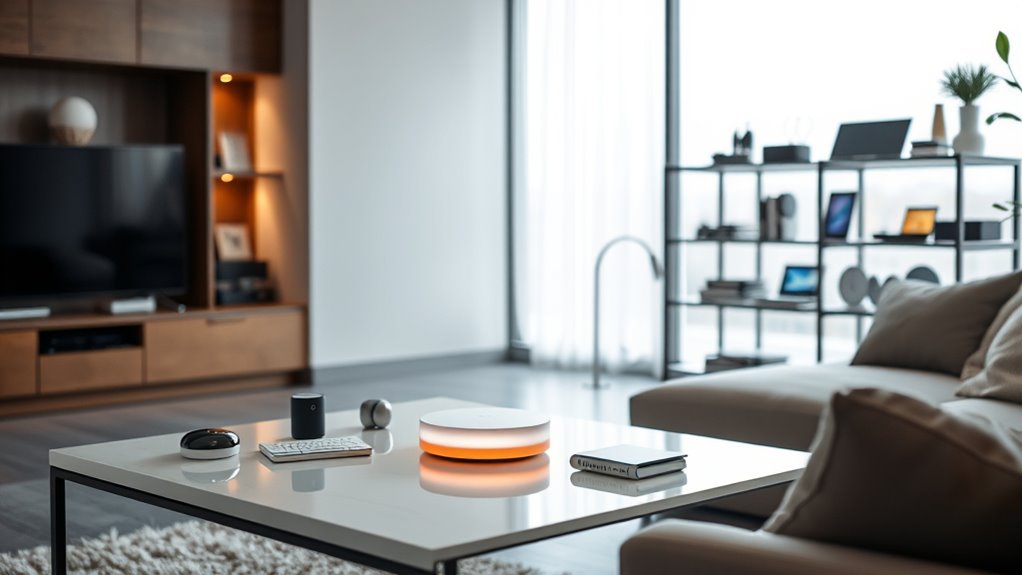
When it comes to smart home setups, choosing between a home hub and a hubless system can considerably impact your experience. If security concerns weigh on your mind, a home hub might feel more reassuring because it centralizes control, allowing you to monitor and update security protocols in one place. However, a hubless system offers a more decentralized approach, which can reduce the risk of a single point of failure. With a hubless setup, if one device is compromised, it doesn’t necessarily threaten the entire network. Still, managing security across multiple devices can be trickier, requiring you to stay vigilant about each device’s vulnerabilities. Additionally, understanding compatibility between devices can significantly influence the stability and security of your system. Setup complexity is another critical factor. A home hub typically involves a more involved installation process, especially if you’re integrating various brands or incompatible devices. You might need to configure the hub, connect it to your Wi-Fi network, and ensure all devices communicate properly. This process can be intimidating if you’re not tech-savvy, and troubleshooting issues might demand more effort. On the flip side, hubless systems usually allow for easier, plug-and-play installation—simply add devices and connect them via your existing Wi-Fi. This simplicity appeals to users who want quick setup without delving into complicated configurations. But, note that managing many individual devices can become cumbersome over time, especially as your system grows. Another aspect to contemplate is how each setup affects your overall smart home experience. With a hub, you often get a unified interface, making it easier to control and automate devices from one app. This consolidation streamlines daily management and can improve reliability because the hub acts as a dedicated controller. Conversely, hubless systems rely on multiple apps or a unified platform that integrates different device manufacturers. While this setup offers flexibility and avoids reliance on a single device, it can lead to fragmented control, where you might need to switch between apps or deal with inconsistent automation capabilities. Ultimately, your choice depends on your priorities. If you value security, centralized control, and don’t mind a more complex setup, a home hub might be best. But if you prefer simplicity, flexibility, and lower initial setup hurdles, a hubless system could suit you better. Just remember, each approach has trade-offs, and understanding these will help you craft a smart home that truly fits your needs.

Bubplay Ice Bath Cold Plunge Tub with Cover for Indoor Outdoor for Recovery, Cold Water Therapy, Athletes & Adults -105 Gallons, Black, XL
【XL Full-Body Cold Plunge for Most Adults】 Designed for an immersive ice bath / cold plunge experience with...
As an affiliate, we earn on qualifying purchases.
Frequently Asked Questions
How Do Home Hubs Impact Overall Smart Home Security?
Home hubs can enhance your overall smart home security by centralizing control, making it easier to monitor and respond to alerts. However, you should be aware of privacy concerns, as sensitive data might be stored or transmitted through the hub. Despite this, they boost user convenience by simplifying device management and automation. Weigh these factors to decide if a home hub aligns with your security priorities and comfort level.
Can Hubless Systems Support Advanced Automation Features?
Did you know that 70% of smart home users leverage voice control daily? Hubless systems can support advanced automation features, including voice commands and custom routines, but they often rely on individual device compatibility. While they offer flexibility, creating seamless, all-encompassing automation may be more challenging than with a centralized hub. If you want extensive, integrated routines, a hub might still be the better choice for your smart home.
What Is the Typical Cost Difference Between Hubs and Hubless Setups?
You’ll find that hubless setups usually cost less upfront because they don’t require a central hub, leading to lower installation expenses. In a cost comparison, hubs tend to be more expensive due to the device price and setup complexity. However, consider that hubs can offer more integrated automation, which might save you money long-term. Your choice depends on your budget and desire for advanced automation features.
Are There Compatibility Issues With Certain Smart Devices?
You might encounter device compatibility issues with certain smart devices, especially if they rely on specific protocols or brands. Hubless setups can sometimes face challenges with software integration, limiting how well devices communicate. Home hubs generally offer better compatibility, as they centralize control and support a wider range of devices. Always check device specifications and compatibility lists before choosing your setup to guarantee seamless integration.
How Do Maintenance and Troubleshooting Differ Between the Two?
Think of maintenance like tuning a car—sometimes simple, sometimes complex. With a home hub, troubleshooting often involves checking the central device, updating firmware, and re-adding devices via onboarding. Hubless setups require troubleshooting each device individually, which can be time-consuming. Firmware updates are usually straightforward for hubs, but in hubless systems, you update each device separately. Overall, hubs simplify maintenance, while hubless setups demand more effort and patience.

Wxtkkom New Upgrade XL 139-Gallon Oval Ice Bath Tub - 6 Layered Portable Bathtub, Drop-In Bathtubs Foldable with Cover Cold Plunge Tub for Athletes, Home Gym, Outdoor Recovery Use
【Upgraded 139-Gallon Capacity】:Spacious enough for full-body immersion, with dimensions of 46"L x 23"W x 23"H. This generous size...
As an affiliate, we earn on qualifying purchases.
Conclusion
So, whether you choose a home hub or go hubless, remember it’s all about your patience level and obsession with organization. If you love playing tech jenga, a hubless setup might be your dream; if you prefer the illusion of control, a home hub keeps you cozy. Either way, your smart home is bound to keep you on your toes—because nothing says relaxation like troubleshooting connectivity when everything’s supposed to work seamlessly. Cheers to your tech chaos!
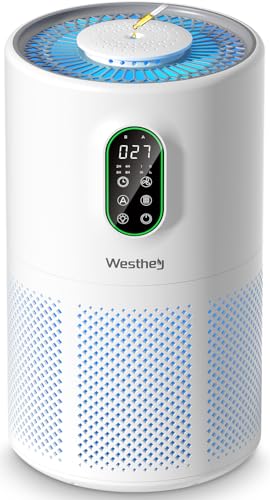
Air Purifiers for Home Large Room up to 1650 ft², WESTHEY H13 True HEPA Air Purifier for Bedroom with Night Light, Air Quality Monitor, Fragrance Sponge, Air Cleaner for Wildfire Smoke Dander Dust
WESTHEY AP02 AIR PURIFIER FOR HOME: The air purifiers feature a 360°surround air intake design with a high-efficiency...
As an affiliate, we earn on qualifying purchases.
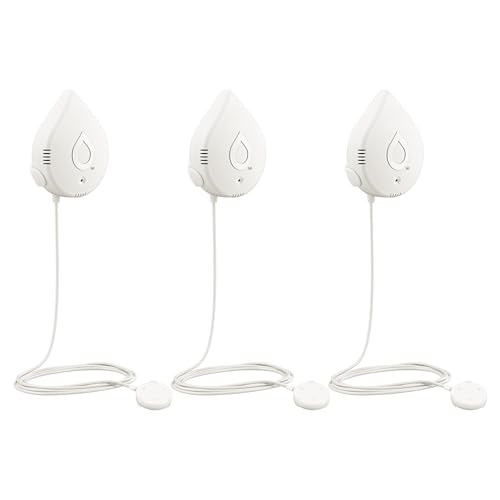
Moen White Flo Smart Water Leak Detector, Water Sensor Alarm for Home, 3-Pack, 920-005
PROTECT YOUR HOME: Place in home wherever there is a risk for potential water damage, such as a...
As an affiliate, we earn on qualifying purchases.