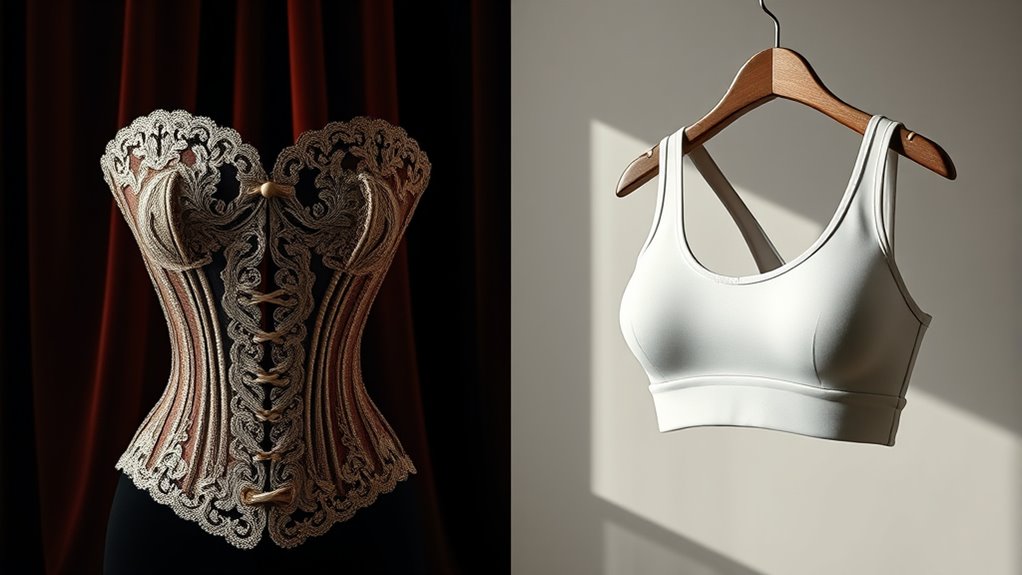

From rigid, restrictive corsets symbolizing beauty standards, clothing has evolved toward comfort and support. Over time, innovations in materials and design shifted focus from tight lacing to ergonomic, flexible garments that prioritize health and ease of movement. Modern fashion now emphasizes body positivity, balancing style and comfort. If you’re curious about how this transformation happened step-by-step, you’ll discover the fascinating journey from constriction to confidence as you explore further.
Key Takeaways
- Corsets originated as restrictive garments emphasizing an idealized hourglass figure, often causing discomfort and health issues.
- Innovations in clothing technology gradually led to more supportive, stylish, and comfortable undergarments, reducing reliance on tight lacing.
- The 20th century saw a shift from restrictive corsets to elastic waistbands, padded bras, and ergonomic support garments prioritizing comfort.
- Modern designs incorporate fabric technology and ergonomic principles to create supportive, flexible, and body-positive fashion pieces.
- Today’s clothing emphasizes natural body support, comfort, and inclusivity, marking a significant move from the restrictive corset era.

Throughout history, corsets have evolved from restrictive garments symbolizing beauty standards to more comfortable, supportive clothing suited for modern lifestyles. In the domain of historical fashion, corsets once served as essential pieces that defined a woman’s silhouette, often emphasizing a tiny waist and an hourglass figure. These garments were tightly laced, sometimes to the point of discomfort, reflecting societal ideals of beauty rather than personal comfort. During the Victorian era, corsets became a symbol of femininity, with women enduring long hours of wear to achieve an idealized shape. Their design prioritized aesthetics over ergonomics, often leading to health issues like restricted breathing and compressed organs. Yet, despite their restrictive nature, corsets remained popular, demonstrating how fashion often values appearance over comfort. Over time, innovations in clothing technology have contributed to making supportive garments that are both stylish and comfortable.
Fast forward into the 20th century, and you notice a significant shift. As fashion moved away from the rigid structures of the past, designers began experimenting with softer materials and looser fits. The rise of modern ergonomics played a vital role here, emphasizing the importance of comfort and body support. This shift marked a departure from the tight lacing of historical fashion, leading to more practical, wearable options. By the mid-century, the traditional corset was largely replaced by elastic waistbands, padded bras, and supportive undergarments that prioritized body health and ease of movement. These innovations reflected a growing understanding that clothing should adapt to the natural form and function of the body, rather than forcing the body into unnatural shapes.
In recent years, the concept of support has been reimagined through the lens of modern ergonomics. Today’s corset-like designs focus on comfort, flexibility, and proper support, blending style with functionality. Thanks to advances in fabric technology and ergonomic research, you can now find corset-inspired pieces that don’t sacrifice comfort for appearance. They provide support without constriction, aligning with contemporary attitudes toward body positivity and health. The evolution from historical fashion’s rigid standards to modern ergonomic principles illustrates how clothing has become more inclusive and adaptable. You no longer need to endure discomfort to achieve a fashionable silhouette. Instead, the focus is on supporting your natural shape, allowing you to move freely while feeling confident. This timeline underscores a broader trend—clothing that respects your body’s needs while embracing style, turning the once restrictive corset into a symbol of innovation and comfort in modern fashion.

ZESICA Cocktail Wedding Guest Dresses for Women 2026 Summer Strapless Floral Bodycon Mesh Tube Formal Party Midi Dress Blue Small
Size and Material: S=US 4-6, M=US 8-10, L=US 12-14, XL=US 16-18. Suitable for spring and summer wear. Elasticity:...
As an affiliate, we earn on qualifying purchases.
Frequently Asked Questions
How Did Societal Beauty Standards Influence Corset Designs?
You see, societal beauty standards heavily influenced corset designs, shaping how they evolved over time. During Victorian times, the ideal was an hourglass figure, leading to tightly laced, restrictive corsets. As historical beauty shifted towards comfort and natural forms, fashion evolution prompted lighter, less constrictive designs. These changes reflect how cultural ideals directly impacted corset craftsmanship, balancing aesthetic desires with practicality and comfort.
What Materials Were Used in Early Comfort-Focused Clothing?
You’ll find that early comfort-focused clothing used historical fabric choices like lightweight linens, soft cottons, and breathable wool. These materials helped promote ease and mobility. Early sewing techniques, such as simple stitches and minimal layering, also enhanced comfort by reducing tightness and bulk. Together, these fabric choices and sewing methods allowed for more relaxed and practical garments, marking a shift toward clothing that prioritized everyday comfort over strict fashion standards.
How Have Gender Roles Affected Clothing Evolution?
Gender expectations have heavily influenced clothing evolution by reinforcing fashion conformity, where men and women wear distinct styles. You notice that societal norms often dictate what’s appropriate for each gender, shaping clothing choices and trends. These roles can limit personal expression, but over time, more gender-neutral options have emerged, challenging traditional ideas. Ultimately, gender roles have evolved, gradually allowing for more diverse and comfortable clothing choices beyond rigid expectations.
Were There Regional Differences in Corset and Comfort Clothing?
You’ll notice regional styles and cultural influences shaped corset and comfort clothing differently across areas. In Europe, corsets emphasized shaping and status, while in Asia, looser garments reflected cultural values. In America, practicality often took precedence. These regional differences show how local traditions, climate, and social norms influence clothing choices, leading to diverse styles that reflect each area’s unique cultural identity.
What Role Did Technological Advances Play in Clothing Development?
Ever wonder how clothing evolved so quickly? Technological advances, like fabric innovation and sewing technology, played a pivotal role. You benefit from stronger, lighter, and more flexible materials that improve comfort and style. Sewing machines sped up production, making fashionable clothing accessible. These innovations transformed your wardrobe, blending function with fashion, and continue to push boundaries in clothing development today. Isn’t it fascinating how technology shapes what you wear?

PRETTYGARDEN Women's Summer One Shoulder Long Formal Dresses Sleeveless Ruched Bodycon Wedding Guest Slit Maxi Dress (Black,Medium)
COMFY FABRIC: The Maxi Dress Is Made Of High-Quality Polyester And Elastane Fabric, Soft And Breathable, Comfortable To...
As an affiliate, we earn on qualifying purchases.
Conclusion
Just as a river flows from rigid mountains to gentle valleys, fashion evolves from constricting corsets to comfortable attire. You’ve traveled through time, witnessing this transformation like a journey downstream—sometimes challenging, sometimes smooth. Now, you stand at the fork, ready to embrace the current of change, where comfort and freedom flow freely. Remember, style is a journey, not a destination—an ongoing river that shapes and reshapes itself with every bend.
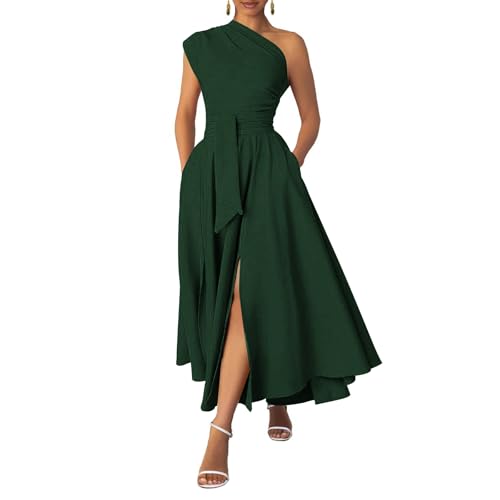
Ekaliy Women's Long Formal Dress One Shoulder Sleeveless Belted Wedding Guest Maxi Dresses Green XL
Fabric: Made From 95% Polyester and 5% Spandex, This Maxi Dress is Soft, Stretchy and Breathable. The Skin-Friendly...
As an affiliate, we earn on qualifying purchases.

ZESICA Women's Summer Sleeveless Halter Midi Dress 2026 Off Shoulder High Waist Flowy Formal Wedding Guest Long Dresses Black Large
Size: Small=US 4-6, Medium=US 8-10, Large=US 12-14, X-Large=US 16-18. Tips: Non-Stretchy,lining inside, will not be see-through, women who...
As an affiliate, we earn on qualifying purchases.