
In the 1980s, power dressing helped women make a bold statement in the workplace by showcasing confidence and authority through fashion. You’d notice exaggerated shoulder pads, tailored suits with sharp lines, and striking colors that signaled strength and professionalism. This style was all about breaking traditional gender roles and projecting leadership. If you keep exploring, you’ll discover how these fashion choices shaped cultural perceptions and empowered women to claim their space in business.

Get your wardrobe favorites delivered free — and shop member deals
- Fast, free delivery on millions of items
- Access to Prime Big Deal Days deals on October 6–7
- Prime Video, Amazon Music and more included
Key Takeaways
- Power dressing in the 1980s symbolized women’s increasing presence and authority in the corporate world.
- Shoulder pads created an imposing silhouette, emphasizing confidence and leadership.
- Power suits featured bold colors, sharp tailoring, and padded shoulders to make a commanding statement.
- The style aimed to challenge traditional gender roles and reinforce professionalism and assertiveness.
- Cultural reception varied, with some critics viewing exaggerated shoulder pads as over-the-top, others as empowering.

In the 1980s, power dressing became a bold symbol of women’s increasing presence in the corporate world. You might have noticed that women started adopting styles that projected confidence and authority, and this trend was driven by the desire to be taken seriously in male-dominated environments. Central to this fashion movement were shoulder pads and power suits, which together created an imposing silhouette that communicated strength. Shoulder pads, in particular, transformed the shape of a woman’s shoulders, broadening them to give an impression of power and assertiveness. They were often exaggerated, making the shoulders appear larger than natural, which helped women stand out in a sea of traditional, feminine styles.
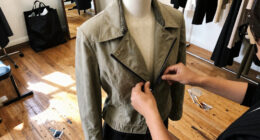
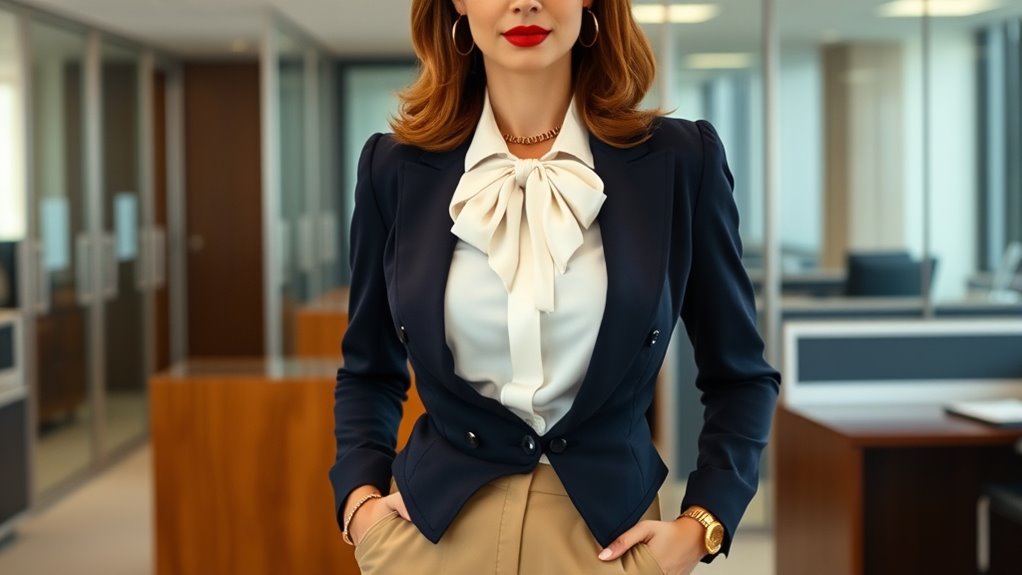
Power suits became the uniform of the modern professional woman. These suits weren’t just about fashion; they were about making a statement. Typically, they featured tailored blazers with structured shoulders, often padded with foam or padding material, to enhance the shoulder line. Paired with matching skirts or trousers, these suits allowed women to walk into a room and command attention without saying a word. The sharp lines and precise tailoring emphasized professionalism, while the bold shoulder pads added a touch of authority. Many women embraced these suits not only because they looked commanding but also because they symbolized a break from traditional gender roles. It was a visual declaration that women could be powerful, capable, and equal in the workplace.
You could have chosen a power suit in bold colors like navy, black, or even bright hues, which further reinforced the confident persona you aimed to project. Accessories like wide belts, statement jewelry, and high heels complemented the look, completing the image of a woman who was ready to take on leadership roles. The style was often inspired by male executives, but it was adapted to suit women’s needs, balancing authority with femininity. The shoulder pads, in particular, became a defining feature, often padded to extreme levels, which some critics found over-the-top, but others saw as empowering. This style was about making a visual impact, asserting presence, and breaking down stereotypes. Through shoulder pads and power suits, women in the 1980s used fashion as a tool to challenge expectations and carve out their space in the business world.
1980s power dressing shoulder pads
As an affiliate, we earn on qualifying purchases.
As an affiliate, we earn on qualifying purchases.
Frequently Asked Questions
How Did Power Dressing Influence Workplace Gender Dynamics?
Power dressing in the 1980s influenced workplace gender dynamics by challenging traditional gender roles, making women appear more authoritative and confident. You notice that tailored suits and bold accessories help women project workplace authority, breaking stereotypes. This style empowers women to assert themselves, reshaping how authority is perceived regardless of gender. Ultimately, power dressing fosters a more equal environment, encouraging both men and women to embrace leadership roles confidently.
What Were the Key Fabrics Used in 1980S Power Suits?
You might find it interesting that the key fabrics for 1980s power suits often coincidentally included wool, polyester, and gabardine, chosen for their sharp appearance and durability. These suiting fabrics were frequently paired with bold accessory materials like leather and metallic accents, emphasizing authority. The fabric choices reflected a blend of practicality and assertiveness, helping you project confidence and professionalism in any corporate setting.
Did Power Dressing Vary Across Different Industries?
Yes, power dressing varied across industries because industry-specific attire and regional fashion influences shaped outfits. For example, finance professionals often wore sharp suits with bold accessories, while creative fields favored more relaxed, colorful styles. Regional fashion influences also played a role, with some areas embracing more conservative or flamboyant looks. You’d notice these differences when observing how individuals tailored their power outfits to suit their work environment.
How Did Power Dressing Evolve From the 1970S to the 1980S?
Like a scene from a classic film, the evolution of corporate attire from the 1970s to the 1980s saw bold shifts in 1980s fashion trends. You notice sharper silhouettes, broader shoulders, and structured styles that exude confidence and authority. This period emphasizes power dressing as a symbol of ambition, transforming the corporate wardrobe into a statement of strength, professionalism, and status, marking a definitive step in the evolution of corporate attire.
Were There Any Notable Celebrities Known for Power Dressing?
You’ll notice that celebrities like Oprah Winfrey and Michelle Obama became famous for their power dressing, influencing fashion icons everywhere. Their celebrity endorsements helped popularize bold suits, shoulder pads, and tailored looks, making them symbols of confidence and authority. When you see their styles, you can see how their influence shaped the era’s fashion, inspiring women to embrace strong, professional looks that conveyed power and success.
Conclusion
As you imagine stepping into a sharply tailored shoulder pad blazer, you realize power dressing was like donning armor for success. It’s no surprise that in the 1980s, women’s fashion evolved to boost confidence and authority, with sales of power suits soaring. Just like a knight’s armor, your wardrobe became your shield, helping you conquer boardrooms and break barriers. Embrace this bold style—because when you dress the part, you’re ready to take on the world.
Fall Picks
fall essentials
As an affiliate, we earn on qualifying purchases.