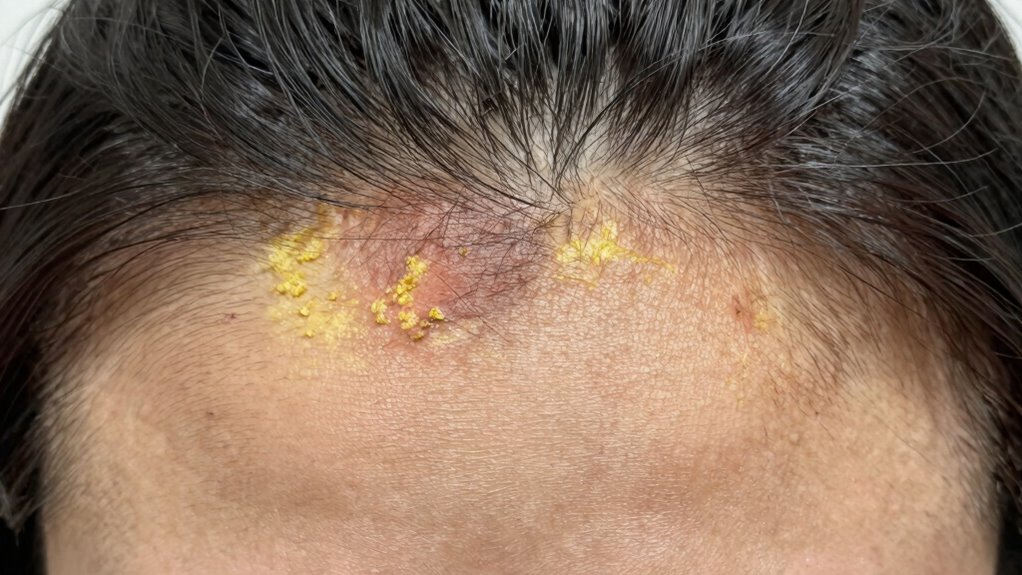

If you notice persistent itching, flakiness, and your hair feels greasy or heavy, scalp buildup might be the cause. You could see your hair becoming dull, harder to manage, and less vibrant over time. Changes in texture and increased dullness are signs too. If your scalp seems clogged or inflamed, it’s likely buildup related. Keep going to discover more about the symptoms and how to identify them clearly.
Open a free Amazon Business account
Business pricing, bulk buying and tax-exempt orders.
As an affiliate, we earn on qualifying purchases.
Key Takeaways
- Persistent itching and flakiness often indicate scalp buildup, especially if accompanied by greasy or heavy hair.
- Dull, unmanageable hair and increased dullness suggest residue accumulation on the scalp.
- Changes in hair texture, such as dullness or heaviness, can signal buildup rather than other scalp issues.
- If hair feels heavier and looks less vibrant despite regular washing, buildup may be the cause.
- Excessive use of styling products and insufficient rinsing often lead to visible residue and scalp discomfort.
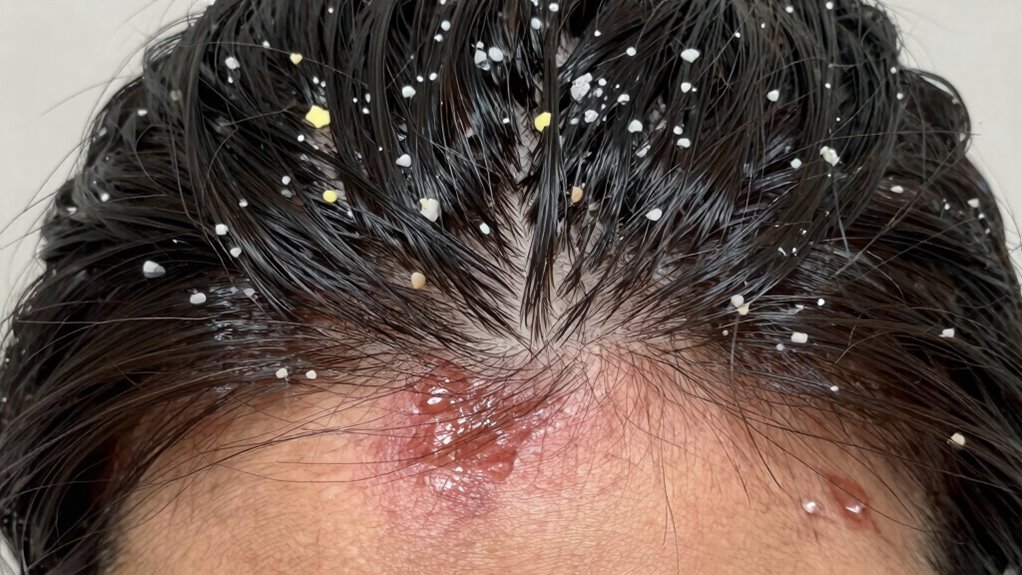
If you notice persistent itching, flakiness, or a greasy feeling on your scalp, you might be experiencing scalp buildup. This condition occurs when natural oils, dead skin cells, hair products, or dirt accumulate faster than they can be washed away. Understanding the scalp buildup causes can help you identify the problem early. When these substances build up, they can clog hair follicles, leading to irritation and compromised hair follicle health. This buildup creates a barrier that prevents your scalp from breathing properly, which may result in dandruff, scalp redness, and even hair thinning over time.
Persistent scalp itching and flakiness may indicate buildup blocking hair follicles and causing irritation.
You might also notice that your hair feels heavy, looks dull, or is harder to manage. These symptoms are often signs of excess residue and oil buildup that can interfere with your scalp’s natural balance. The more you use styling products, the more likely you are to experience buildup, especially if you don’t wash your hair regularly or thoroughly. Overuse of shampoos containing harsh chemicals can strip your scalp of natural oils, prompting your skin to produce even more oil to compensate, which can worsen the buildup. Additionally, scalp hygiene plays a vital role in preventing these issues. Maintaining proper scalp health through good hygiene practices can help prevent excessive buildup and irritation.
Knowing what causes scalp buildup is crucial because it directly impacts your scalp’s health. For example, excessive use of styling gels, sprays, or waxes can leave residues that accumulate over time. Similarly, not rinsing your hair thoroughly after shampooing or using too many hair care products can also contribute. Environmental pollutants, such as dirt and pollution, can stick to the oils on your scalp, further aggravating the problem. If you’re prone to scalp buildup, it’s important to be mindful of your hair care routine and avoid overloading your scalp with products that are difficult to wash out. Proper scalp cleansing practices are essential for reducing the risk of buildup and maintaining a healthy scalp. Maintaining proper scalp exfoliation can significantly reduce the risk of buildup and irritation. Regular exfoliation helps remove dead skin cells and prevents them from clogging follicles, which is essential for overall scalp health.
Persistent buildup can also lead to scalp inflammation, which further damages hair follicles and can cause discomfort. When buildup persists, it can interfere with the health of your hair follicles. Clogged follicles can lead to inflammation, irritation, and even hair loss if left untreated. The key is to maintain scalp hygiene with gentle, clarifying shampoos that remove excess oils and debris without stripping away natural moisture. Regular scalp exfoliation can also help remove dead skin cells that might otherwise clog follicles and cause irritation. Using natural remedies like tea tree oil or salicylic acid-based treatments can aid in reducing inflammation and removing buildup. Additionally, being aware of environmental factors can help you minimize exposure to pollutants that contribute to buildup and irritation.
In the end, keeping an eye on symptoms and understanding scalp buildup causes can save you from more serious scalp issues down the line. If your scalp remains itchy, flaky, or greasy despite good hygiene, it’s important to consider professional advice. Proper care and timely intervention will help restore your scalp’s health and keep your hair looking its best.
As an affiliate, we earn on qualifying purchases.
Frequently Asked Questions
Can Scalp Buildup Cause Hair Loss?
Yes, scalp buildup can cause hair loss. When you neglect scalp hygiene, oils, dead skin, and product residue accumulate, clogging hair follicles. This can weaken hair strands and impede healthy growth, leading to shedding and thinning. To protect hair health, keep your scalp clean with gentle washing and avoid overuse of heavy products. Maintaining proper scalp hygiene guarantees your hair stays strong, healthy, and less prone to loss.
How Long Does Scalp Buildup Typically Last?
Scalp buildup can linger like an unwelcome guest, often lasting from a few days to several weeks if neglected. Maintaining good scalp hygiene is key, as it helps clear away excess oil, dead skin, and product residue, promoting healthier hair. If buildup persists beyond a couple of weeks despite proper care, it might signal underlying issues affecting your hair health, and you should consider consulting a specialist for tailored treatment.
Is Scalp Buildup Contagious?
No, scalp buildup isn’t contagious. It results from poor scalp hygiene, excess oil, and dead skin cells, which can be worsened by certain haircare routines. To prevent buildup, you should regularly wash your hair with the right shampoo, avoid overusing heavy styling products, and maintain a healthy haircare routine. Good scalp hygiene helps keep buildup under control and reduces the risk of other scalp issues, but it doesn’t spread from person to person.
What Natural Remedies Help Remove Scalp Buildup?
If you’re looking to banish scalp buildup, consider natural remedies like herbal extracts and oil treatments. You might try tea tree oil or apple cider vinegar rinses to break down residues, or apply coconut or argan oil to loosen and nourish your scalp. Think of it as your personal “time machine”—restoring balance and freshness without harsh chemicals. Regular use helps keep your scalp clean, healthy, and free of stubborn buildup.
Can Scalp Buildup Be a Sign of a Skin Infection?
Yes, scalp buildup can indicate a skin infection, especially if it’s accompanied by redness, itching, or pain. Poor scalp hygiene can allow fungal infections or bacteria to develop, leading to excessive sebum, dead skin, and debris accumulation. If you notice persistent buildup along with other symptoms, it’s best to see a dermatologist. They can diagnose whether it’s a fungal infection or another issue and recommend proper treatment.
Conclusion
Ultimately, understanding scalp buildup symptoms helps you identify if it’s a real issue or just minor irritation. While some believe buildup is solely caused by product use, others argue it may signal underlying scalp conditions like dermatitis or fungal infections. Investigate thoroughly, and don’t dismiss persistent symptoms. Consulting a dermatologist can provide clarity, ensuring you address the root cause rather than just surface concerns. Taking action now can prevent further discomfort or hair issues later on.
Flea & tick season Picks
flea and tick prevention
As an affiliate, we earn on qualifying purchases.