For safe exfoliation with sensitive skin, use gentle methods like fine, non-abrasive physical scrubs or low-concentration chemical exfoliants like AHAs or BHAs once a week. Always perform a patch test first and avoid exfoliating when your skin is irritated or after sun exposure. Follow up with a soothing moisturizer and monitor your skin’s response. Staying cautious and consistent helps protect your barrier. If you continue exploring, you’ll discover more expert-approved tips to keep your skin healthy.
Key Takeaways
- Use gentle chemical exfoliants like low-concentration AHAs or BHAs once a week, avoiding harsh formulations.
- Perform patch tests before trying new exfoliation products to prevent irritation.
- Opt for fine, non-abrasive physical scrubs with light pressure and infrequent use.
- Follow exfoliation with hydrating, barrier-repair moisturizers containing soothing ingredients like ceramides or aloe vera.
- Avoid exfoliating on irritated skin days and monitor skin response to adjust frequency accordingly.

Exfoliating sensitive skin requires careful attention to avoid irritation and damage. When you decide to incorporate exfoliation into your skincare routine, it’s essential to understand the options available and how they can impact your skin. Two common methods are chemical exfoliation and physical scrubs, but each carries different considerations for sensitive skin. Chemical exfoliation involves using acids or enzymes to dissolve dead skin cells, offering a gentler alternative to abrasive scrubs. Products with ingredients like alpha-hydroxy acids (AHAs) or beta-hydroxy acids (BHAs) can be effective, but you should choose formulations specifically designed for sensitive skin. Start with a low concentration and use them sparingly, perhaps once a week, to assess your skin’s response. Always patch-test new products before applying them to your entire face, and pay close attention to how your skin reacts, avoiding any that cause redness, burning, or irritation. It’s also important to understand skin barrier health and how over-exfoliation can compromise it, leading to increased sensitivity. A balanced approach to exfoliation can help maintain your skin’s resilience and overall health. Recognizing the importance of gentle exfoliation techniques can significantly improve your results and reduce the risk of irritation. Incorporating appropriate exfoliation methods can further support your skin’s delicate balance and prevent damage.
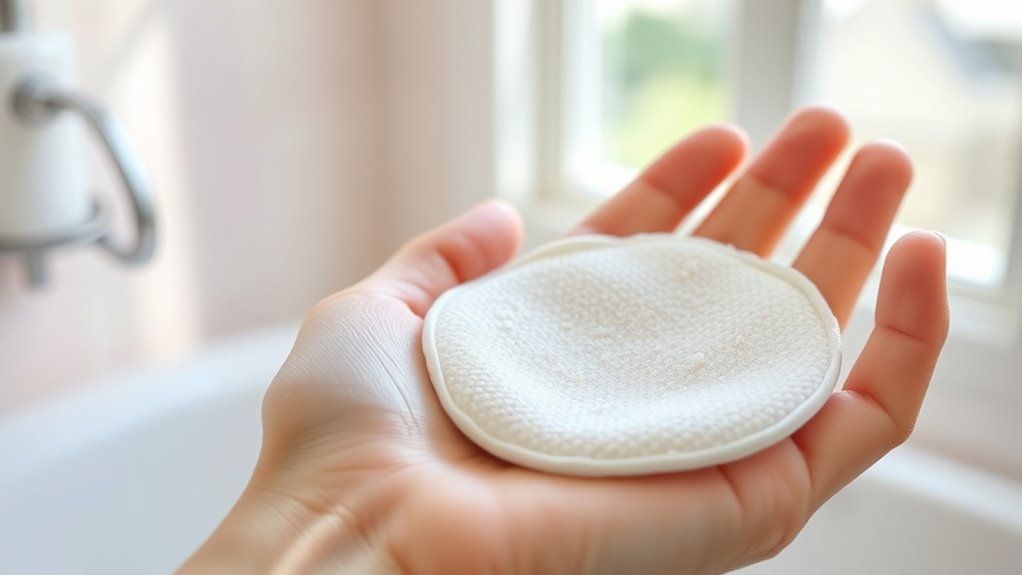
Physical scrubs, on the other hand, rely on tiny grains or particles to manually buff away dead skin. While they might seem like a quick fix, many physical scrubs are too abrasive for sensitive skin, potentially causing micro-tears and inflammation. If you prefer this method, look for gentle, finely milled particles, or better yet, opt for those formulated explicitly for sensitive skin. Use light pressure when applying physical scrubs, and limit their use to once every couple of weeks. Over-exfoliating with harsh scrubs can worsen sensitivity and lead to redness or breakouts, so moderation and gentle techniques are key.
Incorporating exfoliation into your routine isn’t just about choosing the right method but also about timing and frequency. Sensitive skin benefits from a cautious approach—less is often more. Avoid exfoliating on days when your skin feels particularly irritated or inflamed, and never exfoliate immediately after exposure to sun or harsh environmental conditions. Always follow up with a soothing, hydrating moisturizer to restore your skin’s barrier, and consider adding calming ingredients like ceramides or aloe vera to reduce potential irritation.
It’s also *vital* to listen to your skin’s signals. If you notice increased redness, dryness, or discomfort, cut back on exfoliation and consult with a dermatologist. Remember, the goal is to gently remove dead skin cells without compromising your skin’s natural barrier. By choosing suitable products and applying them with care, you can enjoy the benefits of exfoliation while keeping your sensitive skin healthy and protected. Regularly monitor skin reactions to adjust your routine as needed, ensuring gentle and effective care.
Frequently Asked Questions
Can I Exfoliate Every Day if I Have Sensitive Skin?
You might wonder if daily exfoliation is okay with sensitive skin, but it’s generally not recommended. Sensitive skin requires a gentle approach, and frequent exfoliation can cause irritation or redness. Stick to a low frequency—about 1-3 times a week—to avoid overdoing it. Pay attention to how your skin reacts and adjust your sensitive skin frequency accordingly. Always choose gentle, dermatologist-approved exfoliants to keep your skin healthy and calm.
Are Natural Exfoliants Safer Than Chemical Ones?
When it comes to natural vs. chemical exfoliants, the grass isn’t always greener. Natural exfoliants can be gentler, offering benefits of gentle exfoliation without harsh chemicals, but they aren’t necessarily safer for sensitive skin. Chemical exfoliants can be effective if used properly. Ultimately, it’s about finding what works for your skin type—sometimes the simplest approach is the best, and always listen to your skin’s signals.
How Do I Know if My Skin Reacts Badly to Exfoliation?
If you’re unsure whether your skin reacts badly to exfoliation, start with a patch test. Apply a small amount of your exfoliant on a discreet skin area and wait 24-48 hours. If you notice redness, irritation, or discomfort, your skin sensitivity might be triggered, and you should avoid that product. Always pay attention to how your skin feels afterward, and consult a dermatologist if reactions persist or worsen.
What Ingredients Should I Avoid in Exfoliating Products?
You should avoid exfoliating products with abrasive ingredients like rough scrubs or harsh beads, as they can irritate sensitive skin. Also, steer clear of fragrance additives, which often cause redness or allergic reactions. Instead, look for gentle exfoliants with soothing ingredients like aloe or oatmeal. Always read labels carefully to make certain you’re choosing products that won’t compromise your skin’s delicate balance and cause unwanted irritation.
Can Exfoliation Help With Sensitive Skin Redness or Irritation?
In an era when skincare was simpler, exfoliation was often overlooked. However, gentle scrubs can indeed help reduce redness and irritation if you choose soothing ingredients like oatmeal or aloe vera. These gentle methods remove dead skin without stripping moisture, calming your skin instead of aggravating it. Just be sure to avoid harsh abrasives, and always follow up with moisturizer to maintain your skin’s natural barrier and comfort.
Conclusion
Remember, gentle exfoliation can transform your sensitive skin without irritation. For example, imagine Sarah, who struggled with redness and breakouts—after switching to a dermatologist-approved, mild exfoliant and following safe tips, her skin became smoother and calmer. You can achieve similar results by listening to your skin’s needs and sticking to gentle routines. With patience and the right approach, glowing, healthy skin is within your reach—so start exfoliating safely today!