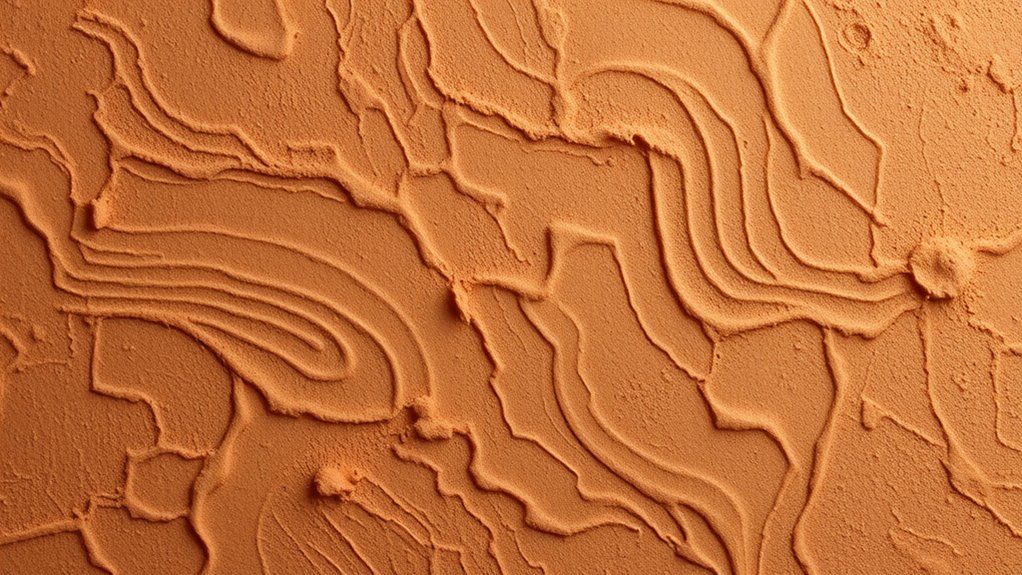

Roman clay and plaster finishes blend ancient craftsmanship with modern techniques to add timeless elegance and natural beauty to your space. These finishes use traditional materials like clay and lime, enhanced with contemporary tools and color options for a unique textured or smooth look. They promote breathability, sustainability, and durability while creating a sense of warmth and authenticity. To discover how these finishes can transform your project, explore further for detailed insights.
Key Takeaways
- Roman clay and plaster finishes have ancient origins, using natural materials like clay, lime, and sand for durable, textured surfaces.
- Modern techniques enhance traditional applications with tools like trowels and spray equipment, allowing customized textures and colors.
- These finishes create timeless, natural aesthetics, adding warmth, character, and a sense of craftsmanship to interior and exterior walls.
- They promote sustainability through breathability and eco-friendly materials, aligning with modern environmental and design standards.
- Over time, Roman finishes develop a unique patina, reflecting historical authenticity and enhancing the visual appeal of spaces.
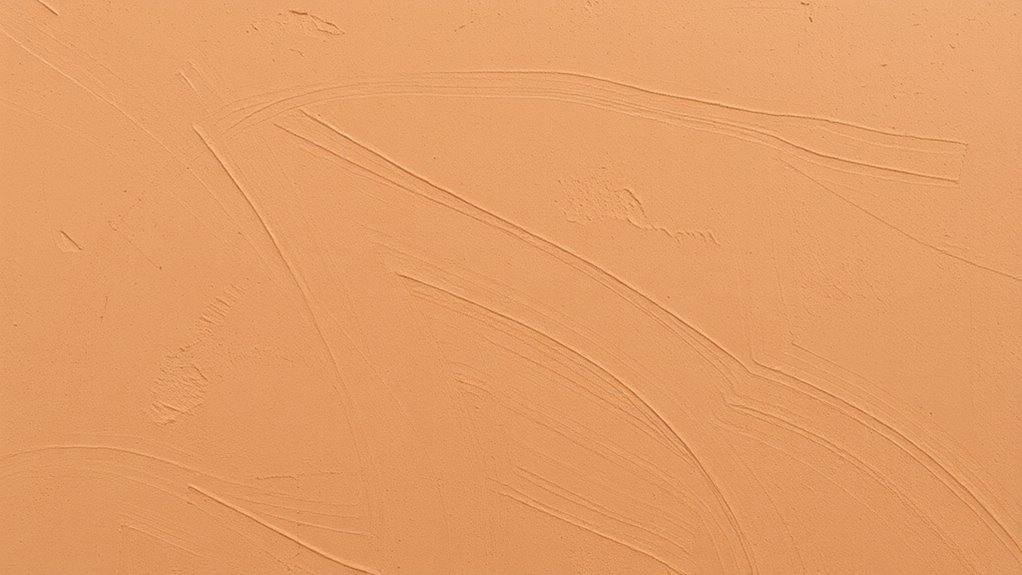
Roman clay and plaster finishes offer a timeless, natural look that can transform any space. These finishes have a rich history rooted in ancient construction, where artisans used natural materials like clay, lime, and sand to create durable, beautiful surfaces. Throughout history, they’ve been employed in grand Roman villas, Byzantine churches, and traditional Mediterranean homes, showcasing their versatility and enduring appeal. When you choose Roman clay or plaster finishes, you’re connecting your space to centuries of architectural tradition, appreciating the craftsmanship that has persisted through ages. Today, modern techniques have evolved to enhance these historical applications, making them more accessible and adaptable to contemporary interiors. You can now achieve the same authentic, textured appearance with improved consistency and ease, thanks to advances in mixing, application, and finishing methods. Modern tools and products allow you to fine-tune the consistency of your plaster, control the thickness, and even incorporate color pigments directly into the material, giving you a broader palette for customization. The techniques used today emphasize the natural qualities of the materials, promoting breathability and sustainability, which are key in modern eco-conscious design. You can apply Roman clay or plaster with trowels, spatulas, or even spray equipment, depending on your desired finish and the space’s requirements. These versatile methods enable you to create smooth, textured, or layered effects, providing depth and character to your walls. As you work with these finishes, you’ll notice that they develop a unique patina over time, adding to their charm and authenticity. This aging process not only enhances the aesthetic appeal but also reflects the natural evolution of the material, making each space one-of-a-kind. Whether you’re restoring a historic building or designing a modern interior, these finishes lend a sense of craftsmanship and authenticity that few other materials can match. They are especially valued in spaces where you want to evoke warmth, texture, and a connection to history. Using modern techniques, you can also guarantee that the application is more efficient, with less waste and better control over the final look. Additionally, regional availability of resources can influence the choice of materials and techniques, ensuring you select the best options for your location. This fusion of ancient tradition and contemporary innovation means you get the best of both worlds: the durability and beauty of historical applications combined with the precision and ease of modern methods. Ultimately, Roman clay and plaster finishes allow you to create spaces that are not only visually stunning but also rooted in a rich cultural legacy, making your project stand out with timeless elegance.
Frequently Asked Questions
How Long Does Roman Clay Finish Typically Last?
Roman clay finish typically lasts 10 to 15 years, but its durability depends on factors like application techniques and maintenance. Properly applied, it resists moisture and wear, extending its lifespan. Regular cleaning and avoiding harsh chemicals help preserve its appearance. If you choose high-quality materials and skilled application, you can enjoy the beauty and durability of Roman clay for many years, making it a worthwhile investment for your space.
Can Roman Clay Be Applied Over Existing Wall Finishes?
Yes, you can apply Roman Clay over existing wall finishes if you use proper application techniques and surface preparation. First, clean and lightly sand the surface to confirm good adhesion. If necessary, apply a bonding agent to improve grip. Then, follow the recommended application techniques for Roman Clay, applying thin, even layers. Proper surface prep guarantees a durable, beautiful finish that adheres well over your existing wall surface.
Is Roman Clay Suitable for Outdoor Use?
Yes, Roman Clay is suitable for outdoor use because it offers both historical authenticity and aesthetic versatility. You’ll appreciate its natural, earthy look that enhances exterior walls, creating a timeless appearance. Its durable, breathable surface withstands weather conditions, making it ideal for outdoor applications. By choosing Roman Clay for your exterior, you guarantee your space maintains an authentic, elegant charm while benefiting from a versatile finish that ages beautifully over time.
How Do I Maintain and Clean Roman Clay Surfaces?
To maintain and clean Roman clay surfaces, you should use gentle cleaning techniques like dusting regularly with a soft cloth. For more thorough cleaning, lightly dampen a cloth with water and avoid harsh chemicals. Applying a protective sealant periodically helps preserve the finish and makes cleaning easier. Always test any cleaning method on a small area first to prevent damage, and avoid abrasive scrubbers to keep your surface looking its best.
Are There Eco-Friendly Roman Clay Options Available?
Think of eco-friendly Roman Clay options as a burst of fresh air for your space. Yes, they exist! You can choose products made with natural pigments and sustainable sourcing, ensuring minimal environmental impact. These options not only enhance your decor with rich, earthy tones but also support eco-conscious practices. By selecting eco-friendly Roman Clay, you’re making a statement that beauty and sustainability can go hand in hand, creating a healthier home for you and the planet.
Conclusion
By choosing Roman clay or plaster finishes, you create a timeless, textured look that transforms any space. Imagine walking into a cozy living room where the walls evoke the warmth of ancient Rome, each stroke adding character and depth. Whether you’re renovating a historic home or adding a rustic touch to your modern decor, these finishes bring authenticity and elegance. Embrace the beauty of craftsmanship and let your walls tell a story that lasts for generations.