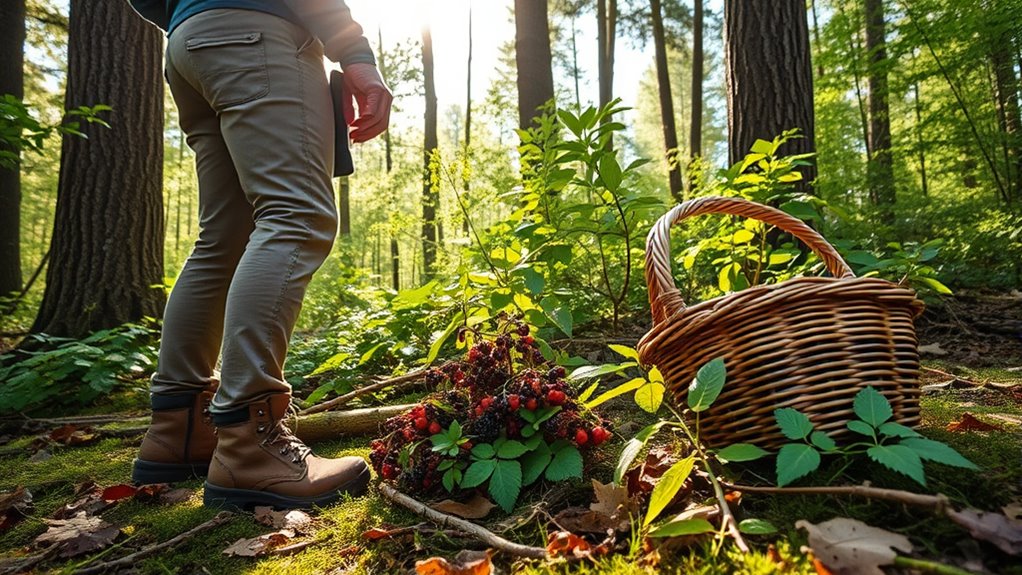

When foraging during nature walks, it’s crucial to follow proper etiquette to protect ecosystems. Respect plants by avoiding uprooting or damaging them, and use guides or apps to identify safe varieties. Keep a respectful distance from wildlife and don’t disturb nests or habitats. Stay on designated trails, pack out all trash, and avoid collecting more than needed. Practicing these mindful steps helps preserve natural beauty; exploring further, you’ll find simple ways to enjoy and protect nature responsibly.

Get your wardrobe favorites delivered free with Prime
- Fast, free delivery on millions of items
- Prime Video, Amazon Music and more included
- Member-only deals all year
Key Takeaways
- Identify and harvest only abundant, legal, and non-protected plants to respect ecosystems and ensure sustainability.
- Avoid damaging plants or habitats; use gentle collection methods and leave enough for wildlife and future foragers.
- Gather only what you need, refraining from overharvesting or taking rare or fragile species.
- Follow local regulations and guidelines regarding foraging to prevent legal issues and environmental harm.
- Practice ethical foraging by respecting other visitors, wildlife, and the natural environment during your walk.
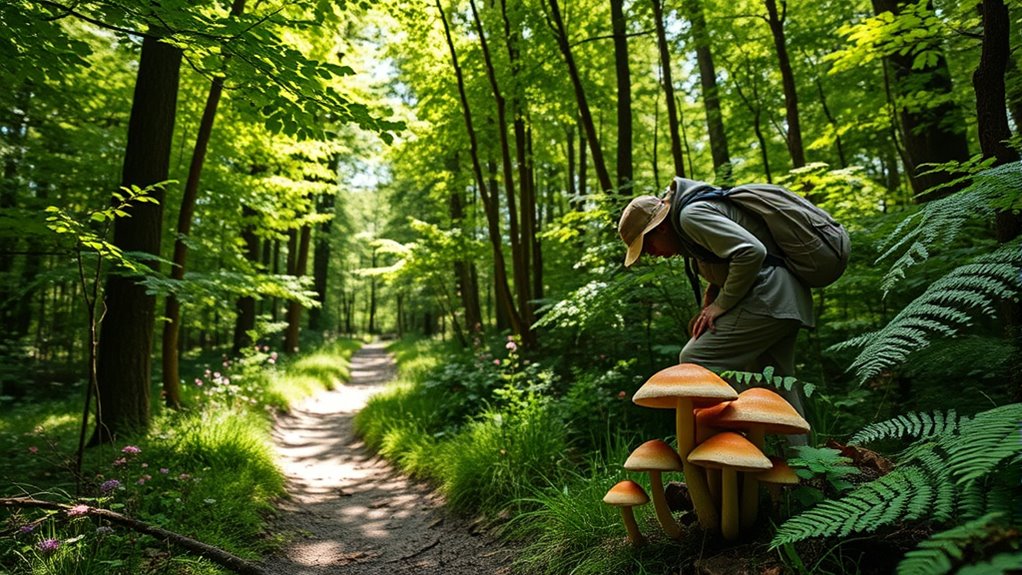
Have you ever wondered how a simple walk in nature can refresh your mind and boost your well-being? When you step onto a trail, you’re not just strolling through scenery—you’re engaging with a living, breathing ecosystem. To truly connect, it helps to practice good foraging etiquette, especially when it comes to plant identification and wildlife observation. Respectful behavior ensures you enjoy your walk while preserving the environment for others and the creatures that call it home.
A mindful walk in nature deepens your connection and preserves the environment for all.
As you move along, take time to observe plants carefully. Accurate plant identification isn’t just about curiosity; it’s about respecting the plants and their habitats. Avoid breaking branches or pulling plants out of the ground, as this can damage delicate ecosystems. Stick to using your eyes and perhaps a field guide or app to identify species without disturbing them. Remember, many plants play essential roles—providing food for wildlife, stabilizing soil, and supporting biodiversity. By recognizing what’s safe to observe and photograph, you help maintain the health of the environment.
Wildlife observation is another key aspect of ethical nature walks. When you spot animals, keep a respectful distance so you don’t cause stress or displacement. Use binoculars if needed, and avoid loud noises or sudden movements that could startle creatures. Remember, you’re an observer, not a disruptor. Respecting their space allows animals to go about their routines naturally, which in turn offers you a more genuine experience. If you see nests, burrows, or feeding sites, steer clear to avoid trampling or damaging their habitat.
Practicing foraging etiquette also involves being mindful of your footprint. Stay on designated trails to prevent trampling vegetation and eroding soil. Leave no trace by packing out all trash, including food wrappers or other waste. If you’re tempted to pick a flower or collect a leaf, ask yourself whether it’s really necessary and whether it might harm the local population. Generally, it’s best to enjoy nature visually and leave everything as you found it, so others can experience the same beauty. Additionally, understanding the importance of local flora helps you make responsible choices during your walk.
In essence, your goal is to enjoy nature’s gifts without causing harm. By practicing responsible plant identification and wildlife observation, you help preserve these vibrant ecosystems. Your mindful approach not only enriches your experience but also ensures that others can enjoy the serenity and wonder of nature walks for generations to come. Respectful, ethical behavior is the cornerstone of meaningful outdoor adventures—making every step you take a positive contribution to the natural world.
As an affiliate, we earn on qualifying purchases.
Frequently Asked Questions
Is It Legal to Forage on Private Property Without Permission?
You shouldn’t forage on private property without permission. Foraging permissions are essential to respect landowners’ rights and avoid legal trouble. Always seek private land access beforehand; if you don’t have permission, it’s illegal and could lead to fines or eviction. Respect property boundaries and ask for consent. By doing so, you guarantee you’re foraging ethically and legally while maintaining good relationships with landowners.
How Do I Identify Edible Versus Toxic Plants Safely?
To identify edible versus toxic plants safely, you need to focus on accurate plant identification by examining key features like leaves, stems, flowers, and fruits. Always cross-reference with reliable field guides or apps. Follow safety precautions by never eating a plant unless you’re 100% sure of its identity, and consider consulting an expert. Remember, misidentification can be dangerous, so take your time and proceed cautiously.
What Should I Do if I Find Protected or Endangered Species?
If you find protected or endangered species, you’re holding a fragile piece of the wilderness’s soul. Respect wildlife conservation by not touching or disturbing these plants. Instead, gently note their location and leave them untouched, practicing ethical harvesting. Report your sighting to local conservation authorities to help protect these essential species. Your mindful actions safeguard biodiversity and ensure future generations can enjoy nature’s delicate balance.
Are There Seasonal Restrictions for Foraging Certain Plants?
Yes, there are seasonal restrictions for plant harvesting to support sustainable foraging. You should avoid harvesting certain plants during their blooming or seed-setting periods, as this helps preserve their populations. Always check local guidelines, as timing varies by region and species. By respecting these seasonal rules, you guarantee that you’re practicing sustainable foraging and helping maintain healthy ecosystems for future generations.
How Can I Minimize My Environmental Impact While Foraging?
To minimize your environmental impact while foraging, focus on sustainable harvesting practices. Always take only what you need and avoid overharvesting to guarantee plant populations thrive. Follow Leave No Trace principles by leaving the area as you found it, packing out all waste and minimizing disturbance. Respect local regulations and seasonal restrictions, and be mindful of fragile ecosystems to preserve them for future foragers and wildlife alike.
Conclusion
So, next time you’re out for a stroll, remember that good foraging etiquette isn’t just about respecting nature—it’s about respecting yourself. After all, the irony is that by carefully following these rules, you might just preserve the very wilderness that keeps your adventures interesting. Ignore them, and you risk turning a peaceful walk into a lesson in humility. But hey, who knew that a little politeness could be the key to truly wild, unspoiled nature?
Fall Picks
fall essentials
As an affiliate, we earn on qualifying purchases.