

When retailers advertise “free returns,” don’t assume there’s no cost involved. Hidden fees like restocking charges, strict policies, or specific conditions can reduce your refund or add unexpected expenses. Sometimes, “free” also means prices are higher to cover shipping and handling. Missing deadlines or using different carriers can trigger charges. To truly understand the impact on your wallet, you’ll want to explore how these factors can turn a free return into a costly mistake.

Get your wardrobe favorites delivered free — and shop member deals
- Fast, free delivery on millions of items
- Access to Prime Big Deal Days deals on October 6–7
- Prime Video, Amazon Music and more included
Key Takeaways
- “Free” returns may be financed through higher product prices, indirectly increasing overall costs.
- Restocking fees or shipping charges can apply even when a retailer markets returns as free.
- Return policies often have conditions like deadlines or packaging requirements that can lead to additional charges.
- Hidden costs, such as carrier fees or missed deadlines, can negate the perceived savings of free returns.
- Understanding fine print and policy nuances ensures accurate calculation of the true costs of returns.
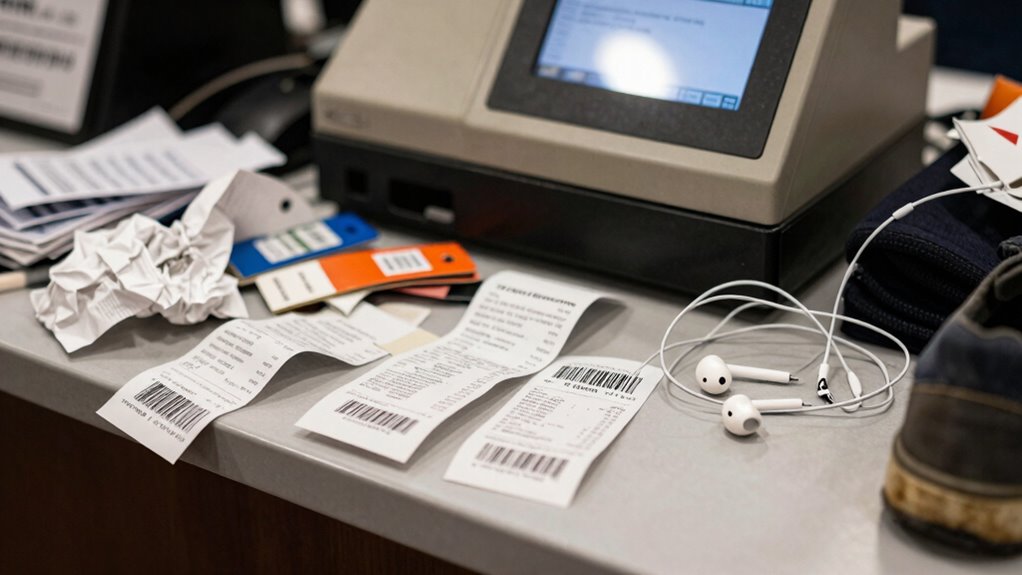
Have you ever wondered how to accurately calculate the profit or loss from an investment? When it comes to shopping online or in stores, understanding the true cost of returns is just as crucial. Even if an item is labeled as “free returns,” that doesn’t mean you’re escaping all fees or complications. Several factors, like restocking fees and return policy nuances, can impact your overall expenses and influence how much you actually lose or save.
Restocking fees can catch you off guard. Some retailers charge a percentage or flat fee when you return an item, especially for electronics, jewelry, or special-order products. These fees aren’t always obvious upfront; they often come with the fine print or are buried in the return policy details. When you factor in restocking fees, what seemed like a free return might turn into a deduction from your refund, reducing your overall savings. If you’re not careful, you might end up paying more in fees than you initially anticipated, which skews your calculation of profit or loss.
Return policy nuances also matter. Not all returns are treated equally, and the conditions can vary significantly between sellers. Some companies require the item to be returned in its original packaging, while others may impose strict time limits or demand proof of purchase. These nuances affect your ability to get a full refund and can lead to partial refunds or store credits instead. If you’re considering whether to return an item, it’s essential to understand these specifics, as they directly impact your final financial outcome. Additionally, understanding return policies can help you avoid unexpected costs and make more informed decisions. Being aware of return restrictions can also influence your decision to purchase or return an item in the first place.
Even when a retailer advertises “free returns,” it’s vital to dig deeper. Sometimes, the cost is absorbed into the product’s price, meaning you’re indirectly paying for easy return options. Other times, the “free” aspect only applies under certain conditions that you might not meet. For example, returns might be free if you use a specific shipping method or return window, but if you miss the deadline or choose a different carrier, fees could apply. These subtle differences can significantly affect your total cost, especially if you’re making multiple returns or dealing with high-value items.
Additionally, understanding the biodiversity implications of return policies can help consumers make more sustainable choices, as frequent returns contribute to unnecessary shipping and packaging waste. In essence, calculating your returns isn’t just about subtracting the refund from the original price. You need to consider restocking fees, return policy nuances, and any potential hidden costs. Doing so allows you to determine your true profit or loss, helping you make smarter shopping decisions in the future. When “free returns” sounds too good to be true, remember that understanding the fine print can save you money and prevent surprises down the line.
return shipping labels with tracking
As an affiliate, we earn on qualifying purchases.
As an affiliate, we earn on qualifying purchases.
Frequently Asked Questions
How Do Return Policies Vary Between Online and In-Store Purchases?
You’ll find that return policies differ between online and in-store purchases. Online returns often have a longer return window, but they might include a restocking fee or shipping costs. In-store, you usually get immediate refunds with fewer restrictions, but the return window may be shorter. Always check the store’s policy first, so you’re aware of any fees or time limits before returning your item.
Are There Specific Products With Higher Return Costs?
Certain products, like electronics or luxury items, often have higher return cost variations due to specialized return policies. You might think a “free return” covers everything, but those return policy nuances can include restocking fees, shipping costs, or product condition charges. The true expense isn’t always obvious upfront, so you should carefully check the return terms before purchasing. Don’t assume all items are equal—some costs could catch you off guard.
How Do Return Shipping Fees Impact Overall Purchase Costs?
Return shipping fees can considerably increase your overall purchase costs, especially if you don’t have return insurance or if shipping discounts don’t apply. Without return insurance, you might pay full price for returns, while limited shipping discounts can make returns more expensive. Always check if your retailer offers shipping discounts or includes return insurance, as these can help minimize extra costs and make returns more affordable.
What Factors Influence the Time Frame for Free Returns?
Did you know that 65% of online shoppers consider the return window vital? The time frame for free returns varies based on the retailer’s policies, typically influenced by the return window and whether a restocking fee applies. Longer return windows usually mean more flexibility, but if a restocking fee is involved, it might shorten your options. Always check these factors before making a purchase to avoid surprises.
Do Loyalty Programs Affect Return Fee Policies?
Loyalty programs can influence return policy nuances, often offering perks like free or expedited returns to reward members. These impacts encourage customer loyalty but may also involve specific conditions or exclusions. When you participate in a loyalty program, expect return fee policies to be more favorable, though they might not be entirely free in all cases. Always read the fine print to understand how your membership could affect potential return fees.
Conclusion
Think of free returns as a hidden toll booth on your shopping journey. While the sign says “free,” each return chips away at your treasure, quietly adding up. Just like a traveler paying tolls without realizing, you might be covering costs in ways you didn’t expect. So, next time you buy, remember: what seems free on the surface could be a toll in disguise, turning your shopping adventure into a costly detour.
Fall Picks
fall essentials
As an affiliate, we earn on qualifying purchases.