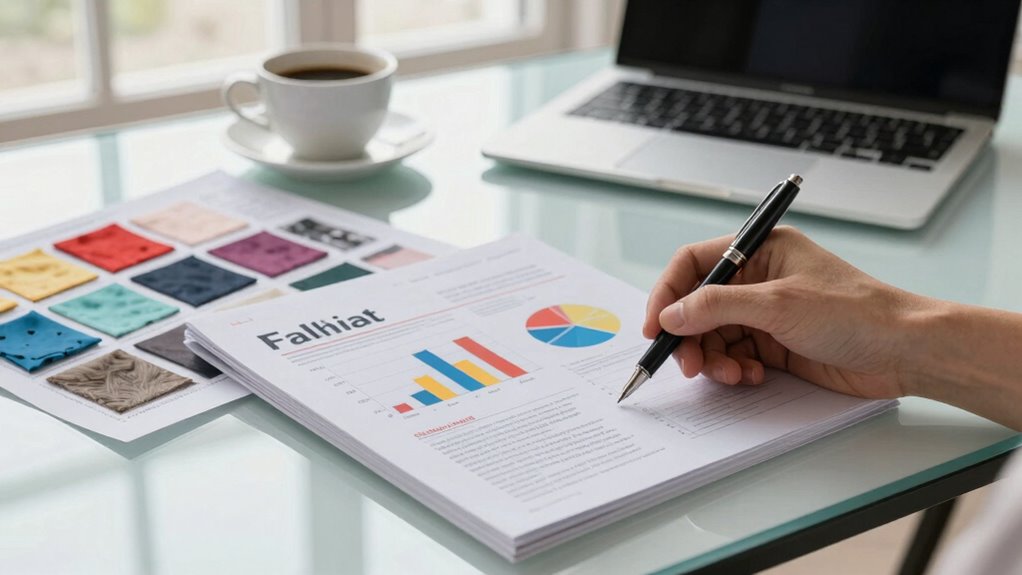

To interpret fashion market reports without getting caught up in buzzwords, focus on measurable data like sales figures, market share, and demographic shifts. Pay close attention to concrete metrics that show real growth, such as revenue from sustainable lines or geographic expansion. Be skeptical of vague terms like “disruptive” or “game-changing” unless backed by solid evidence. If you keep analyzing the data, you’ll uncover genuine industry trends and opportunities that aren’t just hype.

Get your wardrobe favorites delivered free — and shop member deals
- Fast, free delivery on millions of items
- Access to Prime Big Deal Days deals on October 6–7
- Prime Video, Amazon Music and more included
Key Takeaways
- Focus on measurable data like sales figures, market share, and demographic shifts rather than vague industry terms.
- Prioritize insights on sustainability that include concrete metrics such as eco-friendly material usage and waste reduction progress.
- Analyze consumer behavior through quantifiable trends like purchasing frequency, brand loyalty, and demand for recycled fabrics.
- Use industry benchmarks and geographic expansion data to evaluate actual market growth and success.
- Be skeptical of hype by verifying claims with hard data and avoiding reliance on overused buzzwords or unsupported assertions.
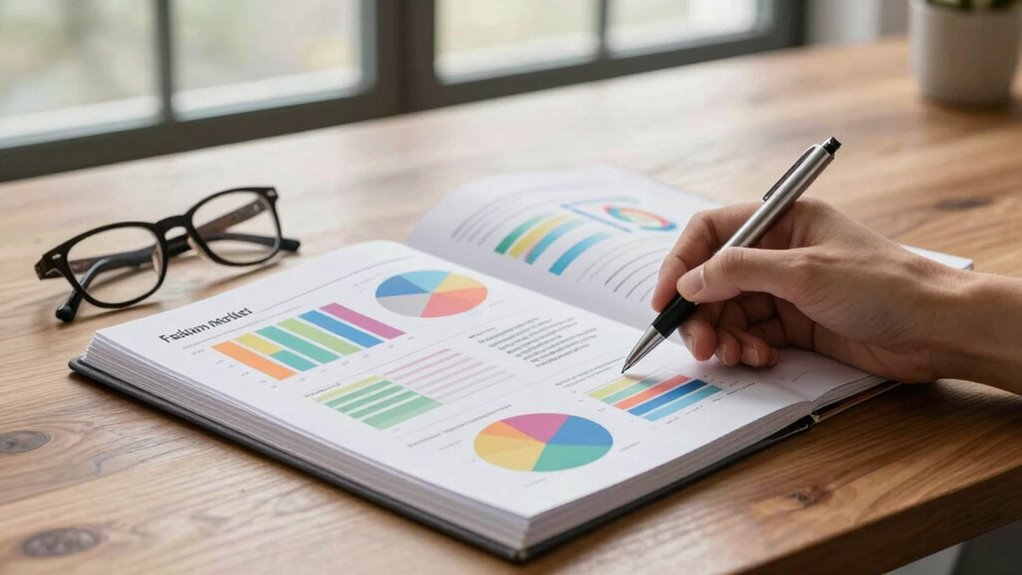
Understanding how to read fashion market reports is essential if you want to stay ahead in the industry. These reports are packed with valuable insights, but they can also be filled with buzzwords that distract rather than clarify. To truly benefit from them, you need to cut through the hype and focus on the core data. When examining these reports, pay close attention to sections discussing sustainable practices. Brands are increasingly emphasizing eco-friendly materials, ethical manufacturing, and waste reduction, which signals shifts in industry standards. Recognizing these trends helps you understand where the market is heading and how consumer demand for sustainability influences purchasing decisions.
Consumer behavior is another critical aspect to analyze. Market reports often highlight how consumers’ preferences evolve, especially concerning transparency, quality, and brand values. Instead of getting caught up in vague terms like “disruption” or “revolution,” look for specific data points such as sales growth in sustainable product lines or changes in buying frequency. These figures reveal what consumers actually prioritize, allowing you to gauge the momentum behind certain trends. For instance, if a report shows a surge in demand for recycled fabrics, it indicates a genuine shift toward more sustainable practices and a consumer base increasingly conscious of environmental impact. Additionally, examining industry standards can help you understand the benchmarks that define success in the evolving market. Incorporating measurable metrics into your analysis enables a more accurate assessment of industry shifts and performance. Keeping an eye on market share data can also provide insights into which brands or segments are gaining influence quickly.
Furthermore, understanding how to interpret consumer data trends can help you identify emerging opportunities and avoid misconceptions based on superficial buzzwords. As you read, be wary of overused buzzwords like “disruptive innovation” or “game-changing” that often serve more to hype than inform. Instead, focus on quantifiable metrics—market share increases, demographic shifts, and geographic expansions—that give you a clearer picture of the industry landscape. When reports mention sustainability, ask yourself: Are these initiatives backed by numbers? Is there evidence of growth in eco-conscious segments? To do this effectively, you should also consider industry benchmarks that set the standards for success and innovation within the sector. Similarly, when consumer behavior is discussed, look for hard data rather than vague descriptions. Are sales of eco-friendly products rising? Are consumers willing to pay a premium for sustainable brands? These details help you avoid being misled by superficial claims and base your strategies on solid evidence.
sustainable fashion market report analysis tools
As an affiliate, we earn on qualifying purchases.
As an affiliate, we earn on qualifying purchases.
Frequently Asked Questions
How Often Should I Review Fashion Market Reports?
You should review fashion market reports quarterly or when new data becomes available. Regular Market analysis helps you stay updated on industry trends and consumer preferences. Use Data visualization tools within these reports to quickly grasp key insights. Steady review enables you to identify shifts early, adapt your strategies, and stay ahead of competitors. Don’t wait too long; timely analysis ensures your decisions are based on current, accurate market intelligence.
What Are the Best Sources for Reliable Reports?
Think of reliable reports as your guiding lighthouse in a foggy sea. You should turn to sources like WGSN, McKinsey, and FashionUnited, which combine clear data visualization with expert opinions to illuminate trends. These platforms guarantee you’re not swayed by buzzwords but understand the real story behind the numbers. Regularly consulting these trusted sources helps you navigate the fashion landscape with confidence and clarity.
How Can I Verify the Data Accuracy?
You can verify data accuracy by conducting data validation, ensuring the figures are consistent across multiple sources. Always check the credibility of your sources; reputable industry reports, government publications, and established market research firms tend to provide reliable information. Cross-reference data points to identify discrepancies, and consider the methodology behind the report to confirm it’s transparent and sound. This approach helps you avoid falling for misleading or biased data.
Should I Focus on Global or Local Market Reports?
You should focus on both global insights and local nuances to get a thorough view. Global reports reveal overarching trends and market shifts, helping you understand big-picture opportunities. Meanwhile, local market reports highlight regional preferences, cultural influences, and specific consumer behaviors. Balancing these perspectives allows you to adapt strategies effectively, ensuring your fashion initiatives resonate locally while aligning with global trends for broader success.
How to Interpret Trends Versus Short-Term Fads?
You should consider that around 70% of trends last over five years, indicating trend sustainability. When interpreting trends versus short-term fads, focus on their longevity and relevance to your target audience. Trends tend to evolve and integrate into mainstream fashion, while fads fade quickly. Look for consistent patterns and data supporting long-term growth to avoid falling for fleeting fads, ensuring your strategies align with sustainable market movements.
Conclusion
As you navigate fashion market reports, see them as a mirror reflecting the true fabric of industry trends, not just a tapestry of buzzwords. Let your understanding be a guiding compass, steering you through the dense forest of jargon toward clear insights. Remember, behind every colorful headline, there’s a hidden thread waiting to be unraveled. With sharp eyes and a keen mind, you’ll weave your own story—one rooted in clarity, not illusion.
Fall Picks
fall essentials
As an affiliate, we earn on qualifying purchases.