

To start as a styling assistant, focus on mastering wardrobe organization, managing clothing racks, and understanding fashion labels. Volunteer at local fashion events and network with stylists to build connections. Create a targeted resume that highlights your organizational skills and passion for fashion, then confidently attend interviews. Begin with small tasks like sorting garments and running errands to gain experience. Keep improving your skills, and you’ll find more tips to help you thrive in this role.

Get your wardrobe favorites delivered free with Prime
- Fast, free delivery on millions of items
- Prime Video, Amazon Music and more included
- Member-only deals all year
Key Takeaways
- Gain experience by volunteering at fashion events and assisting with wardrobe organization.
- Develop industry knowledge through trend research, networking, and attending fashion shows.
- Build a targeted resume highlighting organizational skills, fashion enthusiasm, and relevant abilities.
- Reach out to stylists and wardrobe professionals for mentorship, internships, or entry-level opportunities.
- Demonstrate responsibility, initiative, and eagerness to learn during initial tasks like sorting and errands.
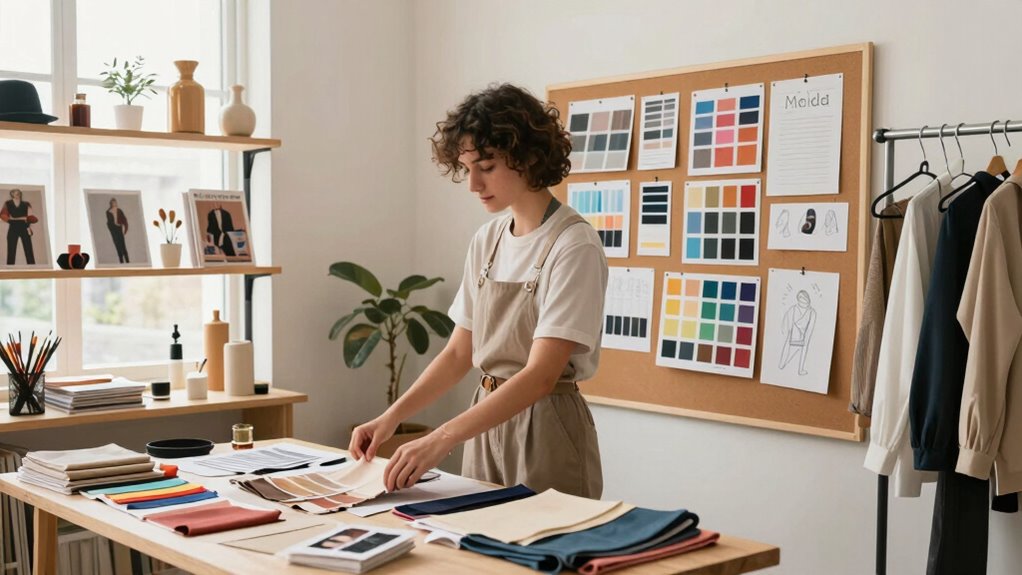
Ever wondered how to break into the fashion industry as a styling assistant? It’s an exciting role that puts you right at the heart of fashion, working closely with stylists, photographers, and designers. To get started, you need to understand that the industry values organization, attention to detail, and a strong work ethic. One of your first steps is to build a solid foundation in wardrobe organization. Stylists rely heavily on their assistants to keep clothing racks, accessories, and looks in order, so demonstrating your ability to manage wardrobe logistics is essential. You might start by volunteering or offering to assist friends or local fashion events with wardrobe setups. This hands-on experience helps you learn the ins and outs of organizing clothing and accessories, understanding labels, and maintaining cleanliness and order. Developing a good understanding of sustainable fashion practices can also be beneficial as many in the industry are increasingly conscious of biodiversity and eco-friendly materials. Gaining knowledge about industry standards can also help you adapt quickly to stylist expectations and workflows. Additionally, familiarizing yourself with industry terminology can make communication more efficient and demonstrate your professionalism.
Next, immerse yourself in the fashion industry to understand its trends, terminology, and key players. Follow fashion magazines, blogs, and social media accounts of influential stylists and brands. Attend local fashion shows, pop-up shops, or industry networking events whenever possible. This helps you stay current and shows your genuine interest in fashion, which can be an advantage when applying for assistant roles. Building a network is fundamental because many opportunities come through connections. Reach out to stylists or wardrobe stylists and express your enthusiasm to learn. Sometimes, a simple introduction can lead to an internship or entry-level position.
When applying for a styling assistant position, craft a targeted resume that highlights your experience with wardrobe organization, attention to detail, and any related skills like sewing, fabric knowledge, or inventory management. Even if your experience is limited, emphasize your enthusiasm to learn and your passion for fashion. Prepare for interviews by practicing questions about how you handle wardrobe organization, your ability to multitask, and your understanding of current fashion trends. During the interview, demonstrate your proactive attitude and your genuine interest in supporting a stylist’s work.
Once you land the role, be prepared to start at the bottom, assisting with everything from sorting garments to running errands. Your role will be essential in helping stylists prepare for shoots or client appointments, so show responsibility and initiative. Keep honing your wardrobe organization skills and stay open to learning new aspects of styling, from outfit coordination to understanding designer collections. Over time, this hands-on experience will help you develop the skills necessary to advance in the fashion industry and possibly move into more specialized styling roles.
wardrobe organization storage bins
As an affiliate, we earn on qualifying purchases.
As an affiliate, we earn on qualifying purchases.
Frequently Asked Questions
What Skills Are Most Important for a Styling Assistant?
You need strong knowledge of fashion terminology and wardrobe organization skills. Understanding fashion terminology helps you communicate effectively with stylists and clients, ensuring you’re on the same page. Being adept at wardrobe organization keeps styling sessions smooth and efficient, allowing you to manage clothing, accessories, and outfits seamlessly. These skills demonstrate your professionalism, attention to detail, and ability to support the team, making you an invaluable styling assistant.
How Do I Network With Industry Professionals?
Think of networking as planting seeds at a vibrant garden. Attend fashion events regularly to meet industry professionals, and don’t be shy about introducing yourself. Seek industry mentorship, which acts like a guiding sunbeam, helping your connections grow stronger. Engage genuinely, ask questions, and stay active on social media platforms. Over time, these relationships will flourish, opening doors to new opportunities and collaborations in the fashion world.
What Should I Include in My Styling Portfolio?
You should include diverse looks that showcase your understanding of fashion trends and your ability to style different body types. Highlight your wardrobe organization skills by displaying well-curated collections or mood boards. Incorporate before-and-after photos, editorial shoots, and personal projects that demonstrate your creativity and attention to detail. Keep it polished, and show your versatility, ensuring your portfolio reflects your unique style and ability to stay current with trends.
How Can I Find Styling Assistant Job Opportunities?
Seeking styling assistant opportunities? Start scouting social media, industry events, and local boutiques for job openings. Network naturally by connecting with fashion insiders who share your passion for fashion trends and wardrobe organization. Leverage online platforms like LinkedIn and fashion job boards to find freelance gigs or entry-level roles. Be proactive, polished, and prepared to showcase your skills, so you stand out in the sea of aspiring stylists.
What Are Common Challenges Faced by Styling Assistants?
As a styling assistant, you often face challenges like keeping up with fast-changing fashion trends and managing client communication effectively. Staying current requires constant research, which can be overwhelming. Additionally, balancing client expectations with stylist directions can be tricky. You need strong organizational skills and confidence to adapt quickly, ensuring you meet deadlines and satisfy clients while staying aligned with the latest fashion trends.
Conclusion
Starting as a styling assistant might seem intimidating at first, but with passion and persistence, you’ll soon find yourself immersed in the world of high fashion. Remember, every small task is a stepping stone to mastering the craft, and your dedication can turn you into a style connoisseur admired by many. Keep learning, stay curious, and don’t be afraid to make bold choices—after all, you’re shaping the future of fashion, one stylish step at a time.
Columbus Day / Indigenous Peoples' Day Picks
long weekend sales
As an affiliate, we earn on qualifying purchases.