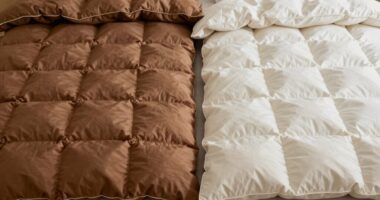

GSM in textiles stands for grams per square meter, and it helps you understand a fabric’s thickness and weight. The higher the GSM, the denser and heavier the material feels, making it suitable for upholstery or winter wear. Lower GSM fabrics are lighter and more breathable, perfect for summer garments. Knowing this number lets you predict how a fabric will perform and feel. If you want to discover how GSM impacts different textiles, keep exploring.
Key Takeaways
- GSM (grams per square meter) measures fabric weight, indicating its thickness and density.
- Higher GSM signifies thicker, heavier fabrics suitable for winter or upholstery.
- Lower GSM reflects lighter, more breathable textiles ideal for summer clothing.
- GSM helps predict fabric durability, warmth, and overall feel based on weight.
- Variations in fiber type and weave can affect fabric weight even at the same GSM.
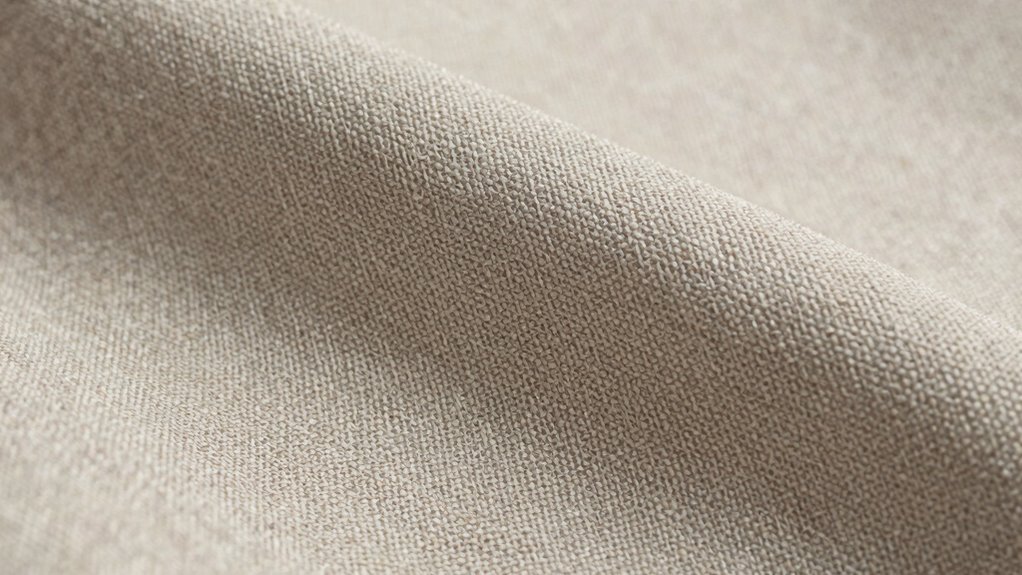
Have you ever wondered how fabric quality is measured? One of the key indicators is GSM, or grams per square meter. It’s a simple number, but it reveals a lot about the fabric’s thickness and weight. When you hear GSM, think about it as a way to predict how heavy or dense a textile feels. The higher the GSM, the thicker and more substantial the fabric tends to be. Conversely, fabrics with a lower GSM are lighter and more breathable. Knowing this helps you decide whether a fabric is suitable for your project, whether it’s clothing, upholstery, or even industrial uses.
GSM indicates fabric thickness and weight, helping you choose the right material for your project.
Understanding GSM also involves considering fiber density and production standards. Fiber density refers to how tightly the fibers are packed within the fabric. When fibers are densely woven or knitted, the fabric usually has a higher GSM because more material is present in each square meter. This density impacts not only the weight but also the durability and feel of the fabric. Fabrics with higher fiber density tend to be more robust, resistant to wear, and often warmer, making them ideal for colder climates or heavy-duty applications. On the other hand, fabrics with lower fiber density are lighter, more flexible, and often more breathable, perfect for summer clothing or lightweight applications. Additionally, fiber density directly influences the insulation properties of the fabric, which is crucial for thermal comfort. A better understanding of how fiber density interacts with GSM can help you select fabrics that provide optimal comfort and performance. Recognizing fabric composition standards can also assist in evaluating the overall quality and environmental impact of textiles.
Production standards play an essential role in determining GSM. Manufacturers adhere to specific guidelines to guarantee consistency in fabric weight and quality. These standards guarantee that each batch of fabric meets the expected GSM, reducing surprises when you purchase or use the textile. It’s important to note that not all fabrics with the same GSM are identical; variations in fiber type, weave, and finishing processes can influence the final feel and performance. For example, a 200 GSM cotton fabric may feel different depending on whether it’s a tightly woven denim or a loosely woven muslin. That’s why, beyond just looking at the GSM number, you should consider the production standards and fiber composition that contribute to the fabric’s overall quality. Recognizing fabric production standards can help you better assess the durability and suitability of different textiles.
In essence, GSM acts as a dependable predictor of fabric thickness and weight, but it’s also interconnected with fiber density and production standards. These elements work together to determine how a fabric performs and feels in real-world use. Additionally, fiber density directly impacts the fabric’s durability and insulation properties. By understanding what GSM measures, you gain insight into the fabric’s suitability for your needs, helping you make more informed choices in textiles. Whether you’re shopping for high-quality apparel or durable upholstery, knowing the significance of GSM can guide you toward fabrics that match your expectations and requirements.
As an affiliate, we earn on qualifying purchases.
Frequently Asked Questions
How Does GSM Affect Fabric Durability?
Higher GSM typically means a heavier fabric, which often results in increased durability. When you choose a fabric with a greater weight, it usually withstands wear and tear better, making it more suitable for heavy-duty uses. Keep in mind, durability factors like fiber type and weave also matter, but overall, a higher GSM contributes positively to fabric longevity, giving you a more resilient, long-lasting material.
Can GSM Be Customized for Specific Textile Applications?
Yes, you can customize GSM for specific textile applications. By adjusting the fabric weight, you influence the GSM, tailoring it to your needs. For example, lighter GSM suits summer garments, while heavier GSM works better for upholstery. You have various customization options to meet your desired fabric characteristics, ensuring your textiles perform perfectly for their intended use. This flexibility helps you create fabrics that match your quality and durability requirements precisely.
Is GSM Consistent Across Different Fabric Types?
GSM isn’t always consistent across different fabric types because fabric consistency varies, and measurement standards can differ. When you compare GSM values, remember that different textiles like cotton, polyester, or blends may have unique densities and textures, affecting the GSM reading. To confirm accuracy, always consider the measurement standards used and recognize that GSM provides a general idea of fabric weight, but variations are common across different fabric types.
How Is GSM Measured in a Textile Laboratory?
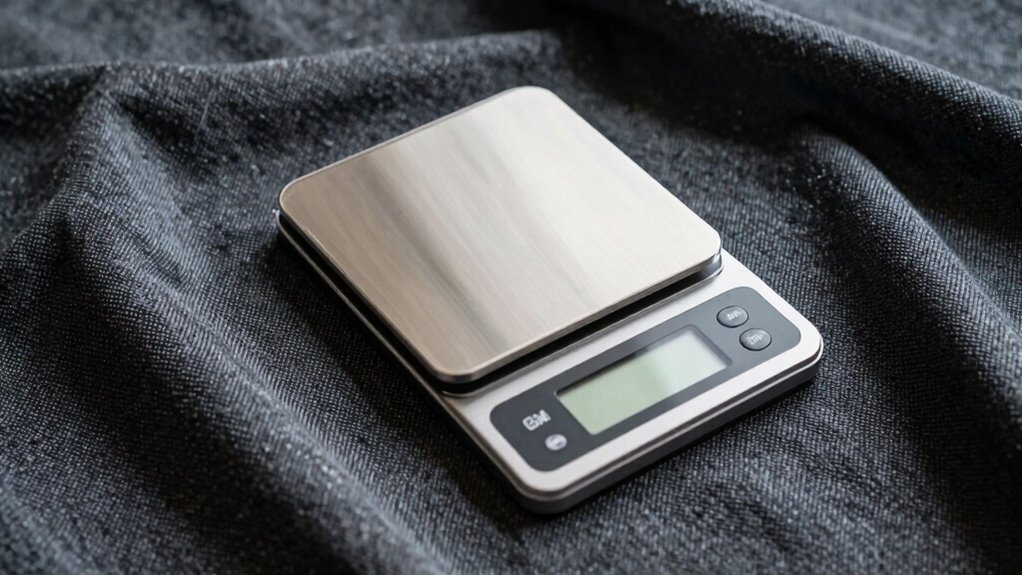
Measuring GSM in a textile lab is like weighing a delicate treasure. You strip a fabric sample, then use a precision scale to find its weight in grams. Next, you measure the sample’s area in square meters, often with a ruler or template. Divide the weight by the area to get fabric density in GSM. This measurement technique guarantees accuracy, helping you compare fabric thickness and quality consistently.
Does Higher GSM Always Mean Better Fabric Quality?
Higher GSM doesn’t always mean better fabric quality, as fabric weight alone isn’t the sole indicator. You should consider textile standards, fiber type, and weave or knit quality. A fabric with a higher GSM may be heavier and more durable, but it might also be less breathable or comfortable. Always evaluate the fabric’s intended use and quality factors beyond just GSM to guarantee it meets your needs.
Conclusion
Understanding GSM helps you choose textiles that match your needs perfectly. Did you know that fabrics with a GSM of 150-200 are perfect for T-shirts, offering both comfort and durability? This statistic shows how GSM directly influences fabric thickness and quality. Next time you shop for textiles, keep GSM in mind—you’ll make smarter, more informed choices that suit your style and purpose. Remember, a higher GSM often means a more substantial, long-lasting fabric.