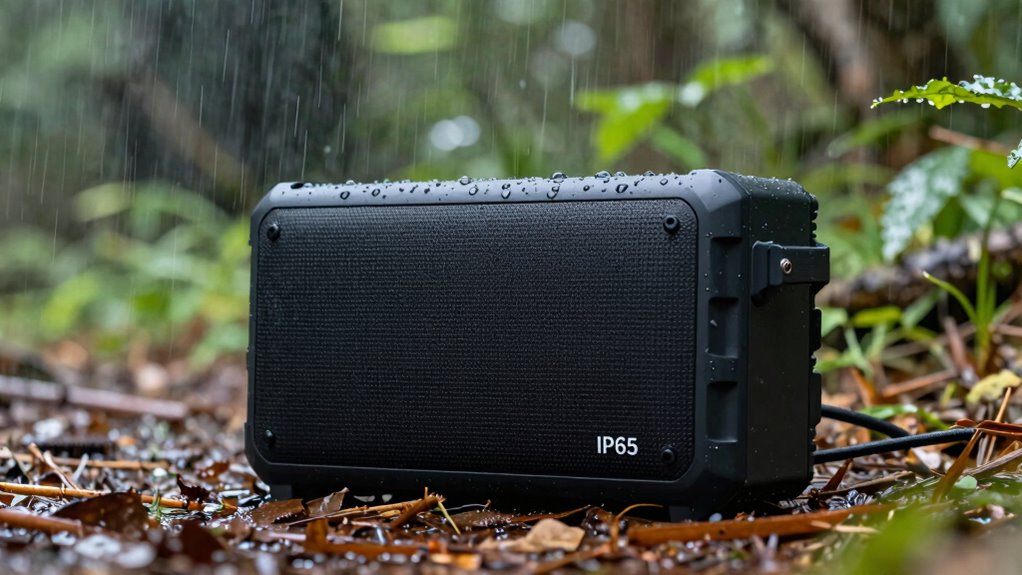

IP65 ratings mean your outdoor tech is fully protected against dust and able to withstand water jets from any direction. This makes your device suitable for dusty areas like construction sites or desert conditions, and it can handle splashes, rain, or water sprays without damage. However, it’s not designed for submersion or immersion. Understanding what IP65 actually safeguards helps you pick the right device for outdoor use—keep exploring to learn more about what these ratings can do.

Get your wardrobe favorites delivered free with Prime
- Fast, free delivery on millions of items
- Prime Video, Amazon Music and more included
- Member-only deals all year
Key Takeaways
- IP65 protects devices from dust ingress and water jets from any direction.
- Complete dust protection (6) prevents dirt and debris interference or damage.
- Waterproof against water spray, splashes, and rain, but not suitable for immersion.
- Suitable for outdoor environments with dust, rain, or water exposure.
- Higher IP ratings are needed for underwater use or extreme dust conditions.
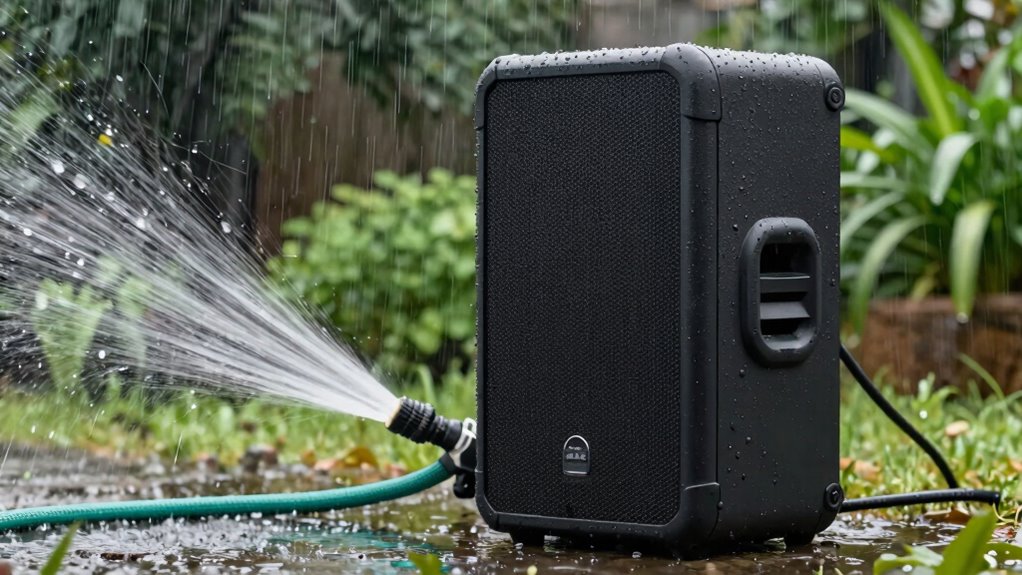
When choosing outdoor tech products, understanding their IP ratings is essential for guaranteeing they can withstand the elements. IP ratings, or Ingress Protection ratings, specify how well a device resists dust and water intrusion. If you’re considering a device with an IP65 rating, it’s important to know exactly what that means for its durability in real-world conditions.
An IP65 rating indicates a high level of dust protection and water resistance. The “6” in IP65 means the device is completely protected against dust ingress. This doesn’t mean it’s dustproof, but it’s highly resistant to dust particles entering the device, ensuring that dust won’t interfere with its operation or cause damage. This level of dust protection is especially useful if you plan to use your outdoor tech in dusty environments, such as construction sites, deserts, or during outdoor activities where dirt and debris are prevalent. Dust resistance is a critical factor in selecting outdoor electronics that will perform reliably over time. Additionally, dust protection standards are continually evolving to meet the demands of increasingly harsh outdoor environments. To stay ahead of these standards, manufacturers often design devices with enhanced seals and materials that improve their durability against outdoor conditions. Understanding IP standards can help consumers better evaluate the level of protection offered by their devices.
The “5” in IP65 relates to water resistance. It signifies that the device can handle water jets projected from a nozzle from any direction without sustaining damage. This doesn’t mean the device is waterproof enough to be submerged, but it does provide confidence that rain, splashes, or water spray won’t harm it. When you’re caught in a sudden downpour or using your device near a pool or water source, this level of water resistance ensures it remains functional and safe from water damage.
You should also consider the practical implications of these ratings. For example, IP65 devices are suitable for outdoor use where they might encounter splashes, rain, or dusty conditions. However, if you need a device to withstand immersion in water, look for higher ratings like IP67 or IP68. For dust-heavy environments, an IP65 device offers sufficient dust protection, but if you work in extremely dusty surroundings, you might want to opt for an IP66 or higher for added assurance.
Ultimately, understanding what an IP65 rating protects you against helps you make informed decisions. It guarantees that your device can handle dust and water spray, making it reliable in many outdoor scenarios. Just keep in mind that no rating is entirely foolproof; delicate electronics still need proper care and maintenance. But with an IP65 device, you get a solid level of protection against the elements, giving you peace of mind when venturing outdoors. Recognizing the specific IP ratings can help you choose the right device for your environment and ensure your electronics stay protected.
As an affiliate, we earn on qualifying purchases.
Frequently Asked Questions
How Often Should I Reapply Protective Coatings on IP65 Devices?
You should reapply protective coatings on IP65 devices every 1 to 2 years, depending on usage and environmental exposure. Coating durability varies with conditions like dust, water, and physical wear, so monitor your device regularly for signs of wear or damage. Frequent use in harsh environments may require more frequent reapplications, while lighter use in sheltered areas might extend the coating’s effectiveness. Keep an eye on the coating’s condition to determine the best application frequency.
Can IP65 Devices Withstand Saltwater Exposure Over Time?
Saltwater corrosion is relentless, like a tide slowly eroding a sandy shore, but with proper protective coatings, your IP65 device can endure. These coatings act as a shield, preventing saltwater from seeping in and causing damage over time. While IP65 offers solid protection against water jets, continuous saltwater exposure may require you to reapply protective coatings periodically to maintain that barrier and guarantee your device stays resilient against the corrosive ocean environment.
Are IP65 Ratings Consistent Across Different Manufacturers?
IP65 ratings aren’t always consistent across different manufacturers because manufacturing standards and testing procedures can vary. You might find some devices that meet the IP65 standard but offer slightly different levels of protection due to differences in quality control or testing methods. To guarantee you’re getting true protection, check if the manufacturer follows recognized standards and provides detailed testing reports. This helps you compare products reliably and choose devices that genuinely meet IP65 criteria.
What Maintenance Is Required to Keep IP65 Protection Effective?
You need to perform simple maintenance to keep your IP65 protection effective. Regularly inspect for signs of water intrusion or corrosion, especially after heavy rain or exposure to harsh elements. Clean the device with a damp cloth, avoiding abrasive cleaners, and verify seals are intact. By doing so, you prevent water intrusion and corrosion, preserving the device’s protective integrity. Remember, consistent upkeep keeps your tech safe and functioning perfectly outdoors.
Does IP65 Protection Affect the Device’s Performance in Cold Weather?
IP65 protection generally doesn’t negatively impact your device’s performance in cold weather, as it’s designed for cold weather durability. However, extreme cold can sometimes affect internal components or battery life, regardless of the IP rating. You should keep the device in a protected, insulated case if possible, and avoid exposing it to prolonged freezing temperatures. Proper care helps maintain peak performance without compromising the device’s IP65 protection.
Conclusion
Understanding IP ratings helps you choose the right outdoor tech to withstand the elements. With an IP65 rating, your device offers solid protection against dust and water jets, making it reliable in many conditions. Remember, “A chain is only as strong as its weakest link”—so don’t overlook the importance of proper ratings. Invest wisely, and your tech will keep performing, no matter the weather. Stay protected and enjoy your adventures worry-free!
Fall Picks
fall essentials
As an affiliate, we earn on qualifying purchases.