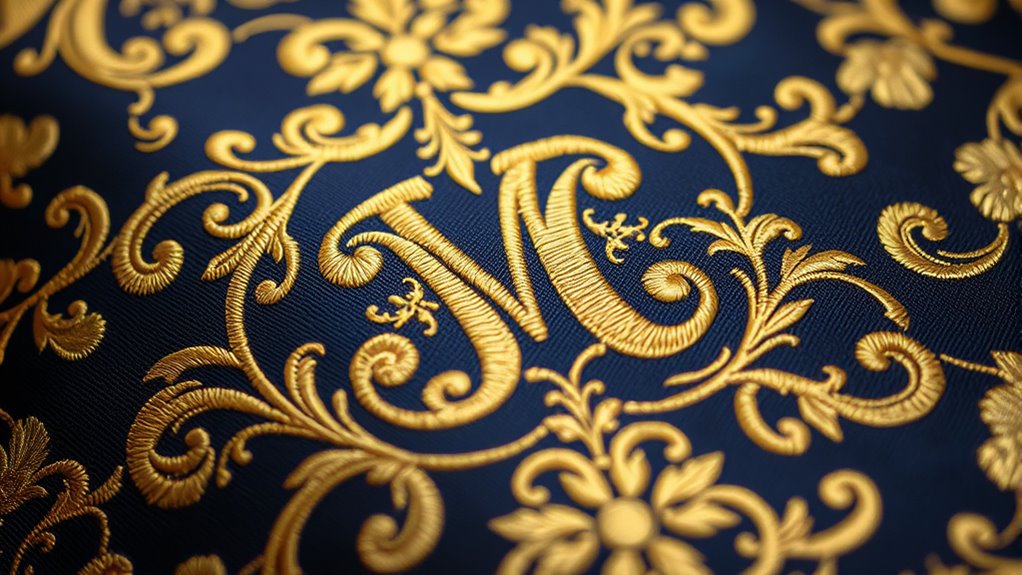

Monograms and motifs are visual symbols that reveal personal, cultural, and historical stories. By examining their shapes, patterns, and arrangements, you can uncover meanings rooted in tradition, status, or identity. These symbols often carry deep significance, connecting you to heritage or artistic expression. Recognizing their origins helps you appreciate their deeper stories. If you keep exploring, you’ll discover how these symbols transmit powerful messages across time and cultures.

Get your wardrobe favorites delivered free — and shop member deals
- Fast, free delivery on millions of items
- Access to Prime Big Deal Days deals on October 6–7
- Prime Video, Amazon Music and more included
Key Takeaways
- Monograms and motifs serve as visual identifiers that reveal personal, familial, or cultural affiliations and histories.
- Understanding the symbolic meanings behind designs enhances appreciation of their cultural and historical significance.
- Monograms often incorporate initials or letters, while motifs include patterns and imagery with specific symbolic connotations.
- Recognizing stylistic elements and historical context helps interpret the intended message or identity conveyed by symbols.
- The evolution of symbols from functional to decorative reflects their enduring role in storytelling and cultural expression.
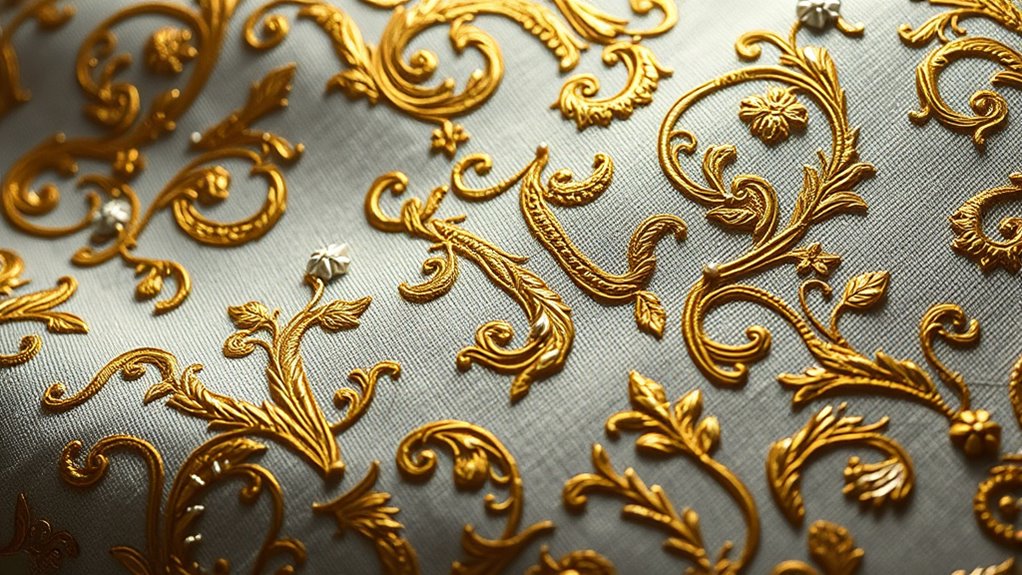
Have you ever noticed how monograms and motifs add a personal touch to everyday items and designs? These symbols have a rich history that stretches back centuries, making them more than just decorative elements. Their origins can be traced to a time when symbols served as marks of identity, status, or allegiance. Historically, monograms were used by royalty, aristocrats, and prominent figures to signify their authority and ownership. For example, in medieval Europe, monarchs often incorporated their initials into seals and banners, establishing a sense of power and prestige. Similarly, motifs—repeating patterns or symbolic images—have roots in ancient cultures, from Egyptian hieroglyphs to Islamic art, where they conveyed spiritual or cultural meanings. Over time, these symbols progressed from purely functional or ceremonial uses to become elements of personal branding and artistic expression.
Today, the interpretation of monograms and motifs continues to evolve, blending tradition with contemporary design. Modern interpretations tend to simplify or stylize these symbols, making them more adaptable for branding, fashion, and digital aesthetics. You’ll see monograms on everything from luxury handbags to wedding invitations, often designed with sleek lines or minimalistic details that reflect current trends. Motifs, meanwhile, are incorporated into patterns that evoke nostalgia or cultural significance, like floral prints, geometric shapes, or abstract symbols. The beauty of these symbols lies in their versatility—they can carry deep personal meaning or simply serve as an attractive decorative element. Many designers draw on historical motifs but reinterpret them with modern techniques, creating a dialogue between the past and the present. Additionally, understanding the symbolic meanings behind motifs can deepen your appreciation for their cultural significance.
Understanding the roots of monograms and motifs helps you appreciate their significance beyond decoration. They’re often imbued with stories, representing family heritage, personal values, or cultural identity. When you see a monogram on a piece of jewelry or a motif in a piece of artwork, recognize that it’s more than just a design—it’s a visual narrative, a symbol that connects you to a broader historical or cultural context. Whether used in traditional ways or reimagined for today’s aesthetics, these symbols serve as a bridge between eras. Embracing their history and modern adaptations allows you to see their depth and significance, transforming everyday objects into meaningful expressions of identity and artistry.
As an affiliate, we earn on qualifying purchases.
Frequently Asked Questions
How Do Monograms Influence Personal Branding?
Monograms influence your personal branding by serving as a unique visual identity that instantly communicates your style and professionalism. They become a key part of your branding strategies, making your brand recognizable and memorable. By incorporating a well-designed monogram, you create a cohesive visual identity that reflects your personality and values, helping you stand out in a crowded market. This personal touch enhances trust and credibility with your audience.
What Are the Historical Origins of Common Motifs?
You’ll find that many common motifs originate from medieval heraldry and ancient religious symbols. Heraldry used specific designs and emblems to identify families and clans, while religious symbols like crosses and lotus flowers conveyed spiritual meanings. These motifs spread through history, influencing art, architecture, and design. Understanding their origins helps you appreciate their enduring significance and how they continue to symbolize identity, faith, and heritage today.
How Can Motifs Reveal Cultural Identities?
Think of motifs as a map of cultural stories, revealing identities through symbolism in textiles. For example, a pattern in a traditional blanket might symbolize a community’s history or spiritual beliefs. You can see their ritual significance, like protective symbols woven into clothing. By analyzing these motifs, you uncover a visual language that communicates values, beliefs, and heritage, making them powerful expressions of cultural identity.
Are There Universal Symbols Across Different Cultures?
Yes, there are universal symbols across different cultures. You’ll find symbolism in textiles and mythological motifs that often share common themes, like circles representing eternity or the sun symbolizing life. These motifs transcend cultural boundaries because they tap into fundamental human experiences. By recognizing these symbols, you can see how different societies express similar ideas, highlighting shared values and beliefs through their unique yet connected visual language.
How Do Designers Choose Motifs for Modern Applications?
You choose motifs for modern applications by considering current typography trends and your target audience. You explore popular styles, ensuring your design aligns with contemporary aesthetics while staying relevant. Color palette choices also influence your selection, helping convey the right mood and message. By blending these elements, you create motifs that are visually appealing, meaningful, and resonate with viewers, making your design both modern and memorable.
Conclusion
By understanding monograms and motifs, you open a world of hidden meanings, transforming everyday symbols into powerful stories. These tiny designs carry more weight than you realize, capable of revealing secrets and shaping identities. Once you start noticing them everywhere, you’ll see that they’re not just decorations—they’re the universe’s most intricate language. Dive deeper, and you’ll discover that these symbols are the key to unlocking mysteries more profound than you ever imagined!
Fall Picks
fall essentials
As an affiliate, we earn on qualifying purchases.