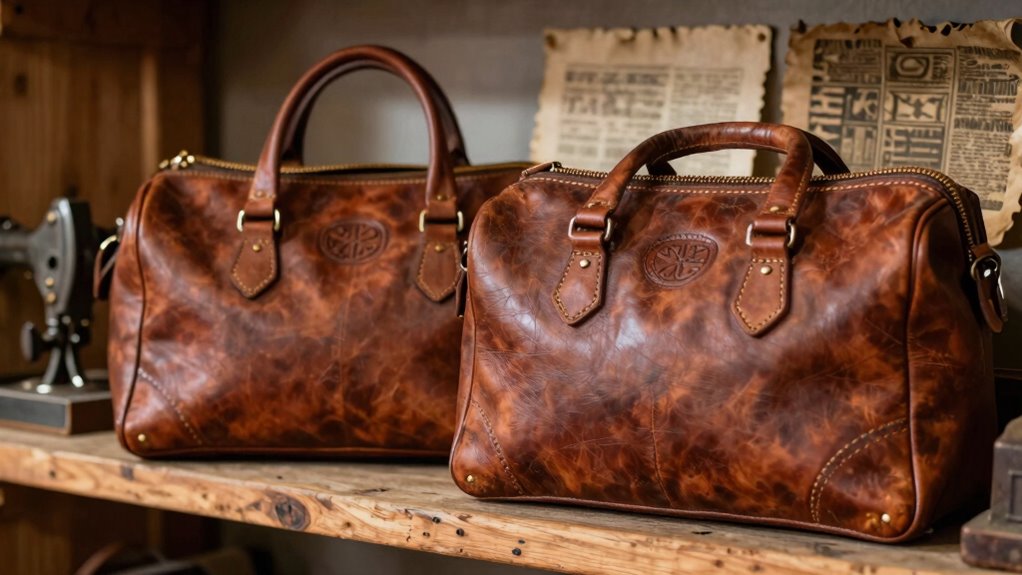

A heritage brand in fashion is a label that embodies a rich history, craftsmanship, and tradition passed down over generations. It’s built on qualities like durability, authenticity, and timeless style, often combining old-world techniques with modern trends. These brands prioritize quality and have a recognizable identity that fosters loyalty and trust. By honoring their roots while adapting to change, they remain relevant across ages. Keep exploring to discover how these brands continue to shape fashion’s legacy.
Key Takeaways
- A heritage brand in fashion embodies a rich history, tradition, and long-standing reputation of quality and craftsmanship.
- It balances preserving traditional techniques with modern innovation to stay relevant across generations.
- Iconic logos and signature motifs reinforce brand recognition and symbolize exclusivity and trust.
- Heritage brands use storytelling to connect emotionally, emphasizing their evolution and enduring values.
- They represent timeless style, craftsmanship, and cultural legacy, maintaining relevance through adaptation and authenticity.
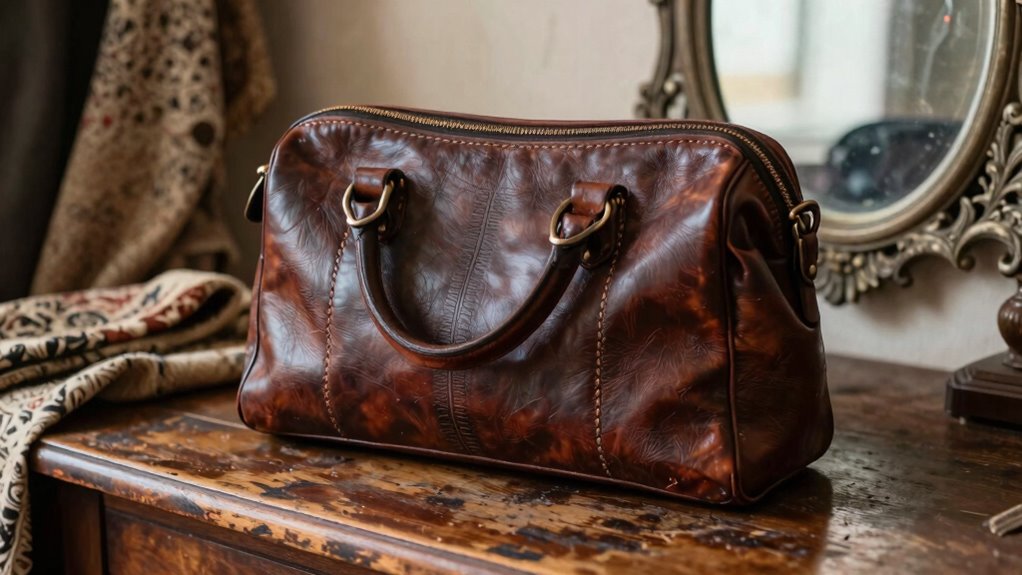
Have you ever wondered why some fashion brands seem timeless, maintaining their relevance across generations? It’s no coincidence. These brands are often considered heritage brands because they embody a deep-rooted history, a commitment to quality, and a sense of authenticity that resonates with both old and new audiences. At the core of their enduring appeal is a dedication to luxury craftsmanship—meticulously tailored products created with skill, patience, and attention to detail. When you hold a piece from a heritage brand, you’re not just buying clothing or accessories; you’re investing in a tradition of excellence that has been passed down through decades.
Luxury craftsmanship is what sets these brands apart. It involves more than just high-quality materials; it’s about the artistry and expertise infused into every stitch, cut, and finish. This meticulous approach ensures that each item isn’t just stylish but built to last, fostering a sense of timelessness. When you wear a heritage piece, you’re connecting with a legacy of artisans who have honed their craft over generations. This craftsmanship creates products that age gracefully, gaining character and charm rather than losing appeal with time. It’s this focus on durability and quality that helps these brands stay relevant, even as fashion trends come and go. Moreover, the heritage status often signifies a dedication to preserving traditional techniques while innovating to meet modern standards. This balance between tradition and innovation is a key factor in their continued success.
Furthermore, the long-standing reputation of a heritage brand often guarantees a certain level of trust and prestige among consumers. Iconic branding is another crucial element that cements a heritage brand’s position in fashion history. Think of the instantly recognizable logos, signature motifs, and consistent visual identity that have become synonymous with the brand’s name. When you see these symbols, you immediately associate them with quality, tradition, and exclusivity. This strong branding fosters loyalty and trust, making consumers feel part of a storied legacy. It’s not just about the logo; it’s about what that logo represents—a rich history, a commitment to excellence, and a promise of authenticity.
In addition, the brand storytelling of heritage brands further strengthens their emotional connection with consumers, creating a sense of belonging and shared values. Many of these brands also leverage their heritage narratives to highlight their evolution and adaptability over time, which sustains their relevance in a rapidly changing industry. In fact, embracing a heritage identity can serve as a powerful marketing tool that differentiates these brands from newer competitors. Ultimately, a heritage brand’s strength lies in its ability to balance tradition with relevance. They honor their past through luxury craftsmanship and iconic branding while adapting to the modern world. When you choose a heritage brand, you’re not just buying a product—you’re embracing a piece of history, a symbol of craftsmanship, and a statement of timeless style. It’s this blend of tradition and innovation that keeps heritage brands alive and thriving across generations, making them more than just names—they become part of your personal story.

Black American Heritage Map Flag Brooch Stainless Steel Brooches Jewelry for Women Men, Black American Heritage Map Flag Pin Brooch Badge Lapel Pin (Gold 2)
- Cultural Symbolism: Black American Heritage Map and Flag
- Unisex Design: Suitable for women and men
- Versatile Accessory: Fits jackets, bags, hats, lapels
As an affiliate, we earn on qualifying purchases.
As an affiliate, we earn on qualifying purchases.
Frequently Asked Questions
How Do Heritage Brands Maintain Relevance With Modern Audiences?
You maintain relevance by blending cultural storytelling with craftsmanship authenticity. Embrace modern storytelling techniques that highlight your brand’s history and cultural roots, making them resonate with today’s audiences. Focus on showcasing your craftsmanship authenticity through transparent, high-quality production processes. By connecting past traditions with contemporary trends, you create a narrative that feels both timeless and current, engaging modern consumers who value heritage and genuine craftsmanship.
What Distinguishes a Heritage Brand From a Luxury Brand?
Imagine walking through a timeless atelier, where craftsmanship tradition is woven into every stitch. That’s what sets a heritage brand apart from a luxury brand. Heritage brands focus on preserving a deep brand legacy, emphasizing history and craftsmanship, while luxury brands often highlight exclusivity and status. You feel connected to the story, the craftsmanship, and the tradition that define a heritage brand’s true essence.
Are Heritage Brands More Sustainable Than Newer Brands?
Heritage brands often tend to be more sustainable than newer brands because they focus on supply chain transparency and maintaining high-quality standards over time. Their brand longevity shows a commitment to craftsmanship and durability, reducing waste. You’ll notice they prioritize responsible sourcing and long-term production practices, which contribute to sustainability. While not all heritage brands are perfect, their emphasis on tradition and quality often results in a more environmentally conscious approach.
How Do Heritage Brands Evolve Their Design Aesthetics?
You notice heritage brands evolve their design aesthetics by blending timeless craftsmanship with contemporary trends. They update signature motifs subtly, respecting tradition while appealing to modern tastes. This juxtaposition creates a fresh yet familiar look, ensuring their legacy endures. By balancing innovation with classic elements, these brands stay relevant, inviting both loyal customers and new audiences to appreciate their rich history while embracing current fashion movements.
Can a New Brand Be Considered a Heritage Brand?
Yes, a new brand can be considered a heritage brand if it demonstrates brand longevity and gains generational influence over time. By consistently delivering quality, fostering loyal customer relationships, and preserving core values, you can build a legacy that resonates across generations. As your brand matures, its history and cultural significance will establish it as a heritage brand, even in its early stages, provided it steadily sustains its relevance.
Conclusion
You see it in the timeless craftsmanship, in the stories woven into every stitch, and in the legacy passed down through generations. Heritage brands aren’t just about history—they’re about authenticity, tradition, and identity. They honor the past, define the present, and inspire the future. Embrace the essence of heritage brands, and you embrace a legacy that endures, a story that continues, and a style that remains true. Because true heritage isn’t just worn—it’s lived.