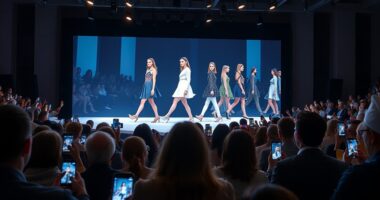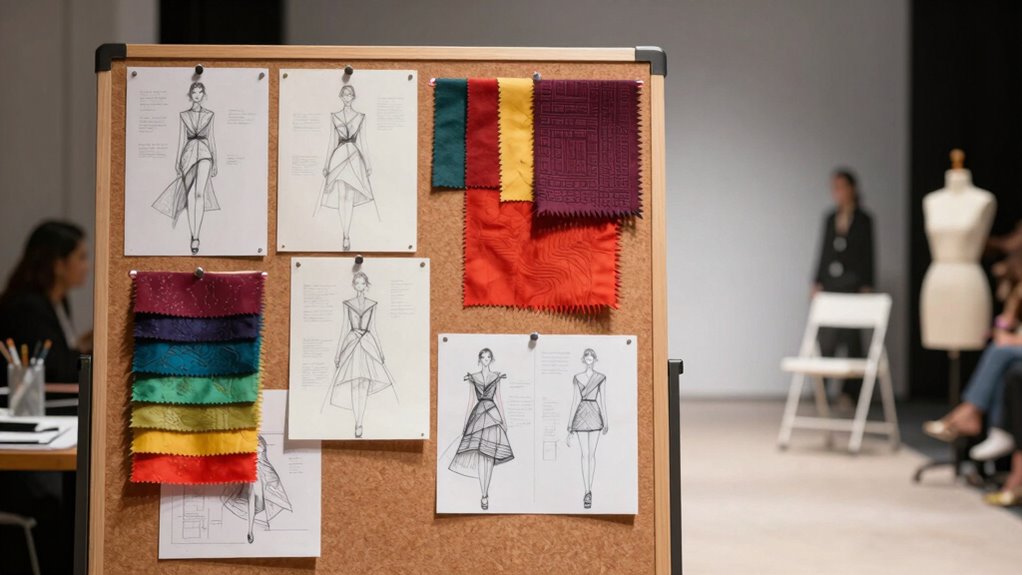

From the initial concept development, you choose a theme, gather inspiration, and create mood boards that guide your design choices. You move into sketching, refining silhouettes, selecting fabrics, and sourcing materials. After pattern-making and fitting adjustments, you produce samples and oversee quality control. Finally, you style and prepare the collection for its runway debut, telling a cohesive story through each piece. If you keep going, you’ll discover how each step connects in creating an enthralling fashion show.

Get your wardrobe favorites delivered free — and shop member deals
- Fast, free delivery on millions of items
- Access to Prime Big Deal Days deals on October 6–7
- Prime Video, Amazon Music and more included
Key Takeaways
- The process begins with concept development, including theme selection, fabric exploration, and mood board creation.
- Design visualization involves sketching, refining silhouettes, and developing cohesive color palettes.
- Pattern-making and sourcing translate designs into templates and acquire necessary materials and trims.
- Production includes sample creation, manufacturing coordination, and quality control to ensure garment excellence.
- The final runway presentation combines styling, accessories, and storytelling to showcase the collection’s narrative.
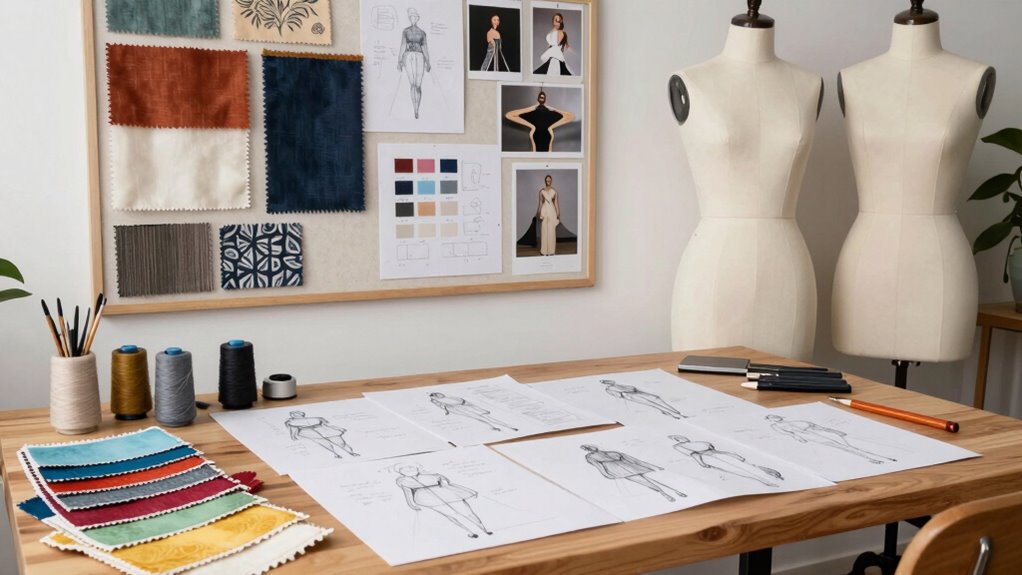
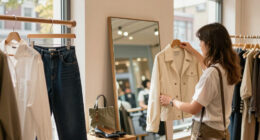
Every collection has a story, unfolding through a series of deliberate choices and spontaneous discoveries. It begins the moment you decide on a theme or concept, setting the tone for everything that follows. Your first step is often fabric selection, where you explore textures, colors, and materials that align with your vision. This process requires keen attention to detail, as each fabric’s feel, drape, and durability influence the overall aesthetic and functionality of your designs. You might sift through swatches, visit suppliers, or source unique textiles that bring a fresh perspective to your collection. As you gather your fabrics, you simultaneously create a mood board—a visual collage that encapsulates the essence of your collection. This mood board becomes your guiding light, helping you stay focused on your original concept while inspiring creative choices along the way. Considering biodiversity in textile sourcing can also enrich your collection with sustainable, eco-friendly materials. Incorporating ethical sourcing practices ensures your collection aligns with environmental values and promotes responsible fashion. Being mindful of these principles can also influence the storytelling aspect of your collection, resonating with an eco-conscious audience who values sustainable fashion. Additionally, understanding the significance of textile sustainability can help you make informed decisions that support both environmental health and innovative design practices. Engaging with sustainable practices can lead to discovering new techniques and textiles that further enhance your collection’s eco-friendly credentials. Once your fabrics are chosen and your mood board is in place, you move into the design phase. Sketching out your ideas, you translate inspiration into tangible forms, refining silhouettes and details that complement your selected textiles. At this stage, you’re balancing artistry with practicality, considering how each piece will look and feel in real life. You may also develop color palettes that resonate with your mood board, ensuring a cohesive narrative runs through every garment. This step is essential because it anchors your creative vision and provides a roadmap for pattern making and sample development.
Every collection begins with deliberate choices and spontaneous discoveries, shaping a unique story from concept to creation.
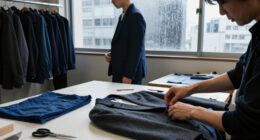
As designs take shape, you begin the pattern-making process, translating sketches into paper templates or digital files. Here, you decide on construction techniques, seam placements, and finishing details that enhance the garment’s quality and fit. You also start sourcing notions, trims, and accessories that will elevate your pieces. Throughout this process, fittings and adjustments are vital, allowing you to refine each look to perfection.
Finally, after producing your samples, you move into the production phase, where your collection starts to come alive. You coordinate with manufacturers, oversee quality control, and prepare for presentation. Leading up to the runway show, you curate styling, accessories, and hair/makeup concepts that complement your collection’s story. When the show finally arrives, your collection tells its story through every stitch, fabric, and detail, engrossing your audience and completing the journey from concept to runway.
As an affiliate, we earn on qualifying purchases.
Frequently Asked Questions
How Do Designers Choose Their Color Palettes?
You choose color palettes by considering color psychology to evoke specific emotions and reactions, ensuring your designs resonate with your audience. You also explore cultural symbolism, as certain colors hold unique meanings across different cultures, influencing their perception of your collection. By blending these insights, you create cohesive, impactful color schemes that communicate your intended message and connect deeply with diverse viewers.
What Influences a Designer’s Collection Theme?
You’re influenced by avant-garde inspirations and cultural influences when choosing your collection theme. These elements spark your creativity, pushing boundaries and exploring new ideas. You might draw from art movements, historical events, or diverse cultures to craft a unique story. By blending these inspirations, you create a cohesive theme that resonates deeply, allowing your designs to stand out on the runway and connect with your audience.
How Are Sustainable Materials Incorporated Into Collections?
You might think sustainable materials are just a trend, but they’re actually becoming staples in collections. You incorporate recycled fibers and biodegradable fabrics to reduce environmental impact while maintaining style. Ironically, what’s eco-friendly often feels revolutionary in fashion. By choosing these materials, you help create innovative designs that are both beautiful and responsible, proving that sustainability isn’t a passing fad but a core part of modern fashion.
What Role Do Fashion Trends Play in Design Choices?
Fashion trends guide your design choices by informing your understanding of what consumers want and what’s emerging in the industry. Through trend forecasting and fashion forecasting, you stay ahead of the curve, incorporating current styles and anticipating future ones. This process helps you select fabrics, colors, and silhouettes that resonate with the market, ensuring your collection remains relevant and appealing while aligning with the latest trends.
How Do Designers Manage Tight Deadlines During Production?
You manage tight deadlines by staying organized and adaptable. While fabric sourcing might slow down production, you stay ahead by planning early and prioritizing tasks. You break big goals into smaller steps, ensuring deadlines are met without sacrificing quality. Flexibility becomes your ally—adjusting designs or sourcing options if needed—so you keep the process flowing smoothly, meeting runway dates with confidence and style, even under pressure.
Conclusion
As you watch your collection come to life, it’s like planting a seed that blooms on the runway. Every sketch, stitch, and fitting is a drop of water nurturing your vision. Remember, even the most ambitious designs started as a tiny idea—much like a seed growing into a vibrant flower. Trust the process, stay inspired, and watch your creation flourish into something truly breathtaking. Your journey from concept to runway is a beautiful story in the making.
Fall Picks
fall essentials
As an affiliate, we earn on qualifying purchases.