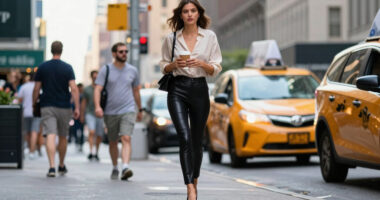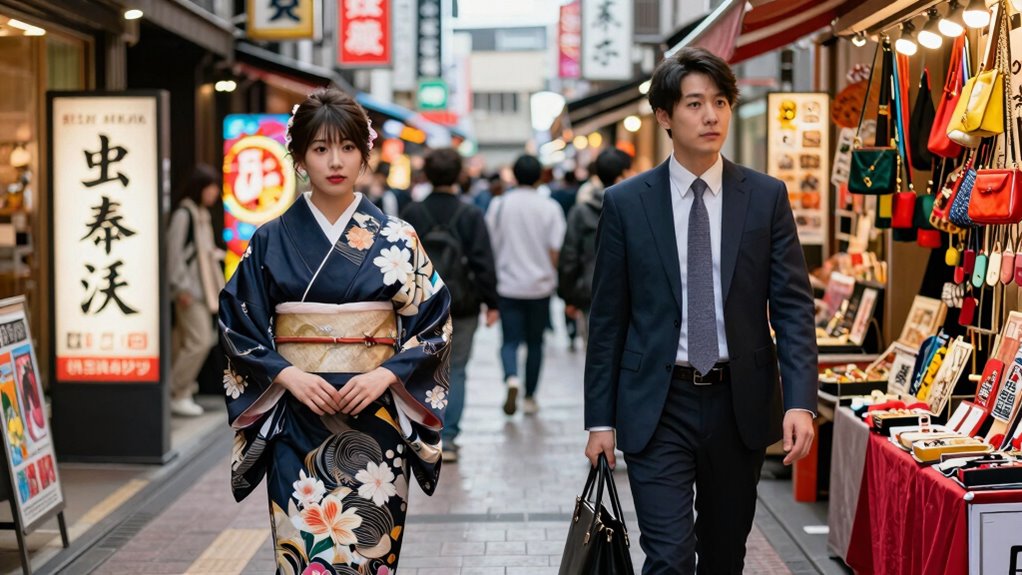

Globalization has changed what you wear by blending styles from around the world, making diverse cultural influences easily accessible. You can now incorporate trends inspired by African textiles, Japanese streetwear, or Latin American designs, all thanks to online platforms and global supply chains. Fashion has become more dynamic and inclusive, reflecting a mix of traditions and ideas. If you keep exploring, you’ll discover even more about how interconnected your wardrobe truly is.

Get your wardrobe favorites delivered free with Prime
- Fast, free delivery on millions of items
- Prime Video, Amazon Music and more included
- Member-only deals all year
Key Takeaways
- Globalization enables cultural exchange, blending diverse styles into unique, hybrid fashion designs.
- Rapid supply chains facilitate quick adoption of international trends and diverse, affordable clothing options.
- Online platforms make global fashion influences accessible to consumers worldwide, increasing style diversity.
- Cultural influences like African textiles or Japanese streetwear are now integrated into mainstream fashion.
- Environmental and ethical challenges arise from fast fashion and complex international manufacturing processes.
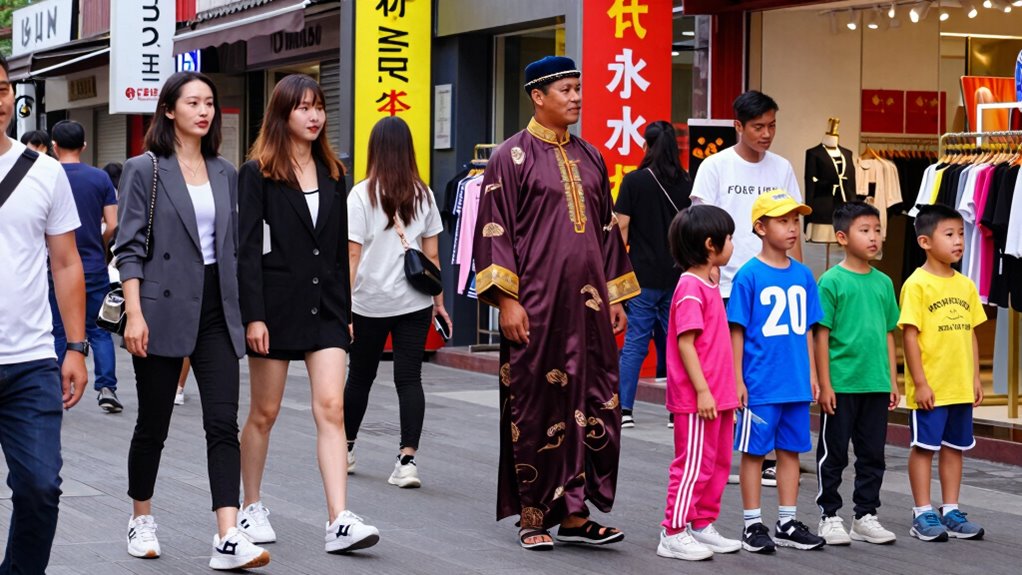
Have you ever wondered how fashion from one corner of the world quickly becomes a global phenomenon? It’s all thanks to the power of globalization, which connects cultures and industries in ways that were unimaginable a few decades ago. When a designer in Paris draws inspiration from African textiles or Japanese streetwear becomes trendy in New York, it’s a clear sign of cultural exchange. This exchange isn’t just about ideas; it’s about styles, patterns, and even entire aesthetics crossing borders effortlessly. Through these cultural interactions, what you wear today may blend influences from diverse traditions, creating something fresh and unique.
At the heart of this transformation is the complex global supply chain. Fashion brands now source fabrics from India, manufacture garments in Bangladesh, and sell to consumers worldwide through online platforms. This intricate web makes it possible for you to access a wide range of styles at various price points, regardless of where you live. As supply chains become more efficient and interconnected, fashion companies can quickly respond to trends, producing new designs and getting them into stores faster than ever before. This speed and flexibility mean that you’re constantly exposed to fresh looks influenced by different cultures and regions.
Global supply chains enable fast, diverse fashion styles accessible worldwide, blending cultures with speed and efficiency.
Globalization also democratizes fashion. No longer do you need to travel to experience different styles; instead, you can find them readily available online or in local stores. This access broadens your perspective, allowing you to incorporate global influences into your personal style. Whether it’s a pair of sneakers inspired by Korean pop culture or a bohemian dress influenced by Latin American traditions, the exchange of ideas and goods has made fashion more diverse and inclusive. It’s no longer about fitting into a single cultural mold but about exploring and mixing elements from around the world.
However, this interconnectedness isn’t without its challenges. The demand for fast fashion, driven by rapid supply chains, often leads to issues like environmental damage and unfair labor practices. As a consumer, you might find yourself caught between appreciating the creativity that globalization fosters and questioning the ethical implications behind the clothes you wear. Additionally, the rise of global supply chains has allowed fashion to become more accessible but has also contributed to environmental concerns and labor issues. This reliance on international manufacturing can sometimes obscure the conditions under which your clothing is produced. Still, the overall impact is clear: globalization has made fashion more dynamic, accessible, and reflective of a melting pot of cultural influences. Your wardrobe now tells a story of interconnected worlds, where styles evolve through cultural exchange and supply chains that span continents.
As an affiliate, we earn on qualifying purchases.
Frequently Asked Questions
How Has Globalization Affected Local Fashion Industries?
Globalization has profoundly impacted local fashion industries by introducing international trends, which can both challenge and complement local craftsmanship. You might notice a decline in traditional techniques as mass-produced items dominate markets, risking cultural preservation. However, it also opens opportunities for local artisans to showcase their unique styles globally, helping to sustain cultural heritage while adapting to modern fashion demands. This dynamic influences how you experience and value local fashion today.
What Role Do Social Media Platforms Play in Global Fashion Trends?
Social media platforms play a big role in shaping global fashion trends by fostering cultural exchange and trend democratization. You can instantly see styles from around the world, inspiring you to try new looks. These platforms make it easy for trends to spread rapidly, allowing you to participate in global fashion movements. As a result, you’re more connected to diverse influences and can express your personal style with a broader, more inclusive perspective.
Are Traditional Clothing Styles Disappearing Due to Globalization?
Traditional clothing styles are fading like shadows in the sunset, but you can still see their vibrant essence. Globalization accelerates fashion diversification, yet it risks eroding cultural preservation. You might notice global brands blending styles, but it’s crucial to cherish and protect authentic traditional attire. While some styles disappear, others evolve, creating a dynamic tapestry. Your awareness and appreciation help guarantee cultural traditions aren’t lost in the rush of modern trends.
How Do Fast Fashion Brands Influence Global Consumer Behavior?
Fast fashion brands influence your global consumer behavior by promoting cultural homogenization, making styles more uniform worldwide. Their brand influence encourages you to follow trends quickly and frequently, often prioritizing low prices over quality or sustainability. This cycle shapes your choices, leading you to adopt similar clothing styles regardless of your location. As a result, fast fashion fuels a globalized wardrobe, reducing cultural diversity and emphasizing brand-driven preferences.
What Environmental Impacts Are Linked to Globalized Fashion?
The environmental impacts linked to globalized fashion are staggering, almost like an ecological hurricane. You might not realize it, but fast fashion’s demand for cheap, quick production considerably increases waste and pollution. By adopting sustainable practices, brands can reduce their ecological footprint, helping to preserve our planet’s resources. As a consumer, your choices influence this shift, encouraging companies to prioritize eco-friendly materials and ethical manufacturing processes.
Conclusion
As you browse through your wardrobe, it’s no coincidence that your favorite shirt might be made halfway across the world. Globalization has woven diverse styles into your everyday life, connecting you to cultures you’ve never visited. Every stitch tells a story of distant lands, reminding you that fashion isn’t just about looks—it’s a shared human experience. So, next time you dress, remember: your style is part of a global tapestry, beautifully intertwined in unexpected ways.
Columbus Day / Indigenous Peoples' Day Picks
long weekend sales
As an affiliate, we earn on qualifying purchases.