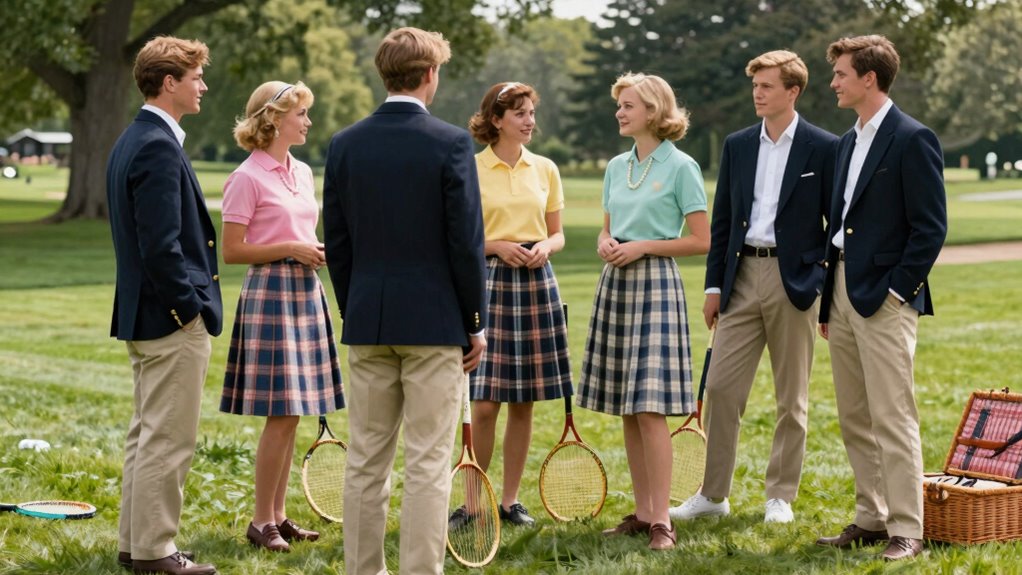

Preppy style traces its roots to Ivy League campuses in the northeastern U.S., where students embraced a polished, traditional look symbolizing belonging among the elite. It reflects values like discipline and respectability, drawing inspiration from leisure activities such as sailing and golf. Over time, preppy fashion evolved from exclusive academic attire to a global style influenced by Hollywood and modern trends. If you keep exploring, you’ll discover even more about its rich history and ongoing influence.

Get your wardrobe favorites delivered free — and shop member deals
- Fast, free delivery on millions of items
- Access to Prime Big Deal Days deals on October 6–7
- Prime Video, Amazon Music and more included
Key Takeaways
- Preppy style originated in Ivy League campuses of northeastern U.S., reflecting tradition, discipline, and upper-class values.
- It was initially a collegiate dress code symbolizing belonging among elite students and privileged communities.
- Fashion evolved from academic attire to mainstream culture, influenced by Hollywood, musicians, and American leisure activities.
- Patterns like stripes and plaids became iconic, inspired by sailing, golf, and polo, reinforcing exclusivity and tradition.
- Today, preppy style continues to blend its historic roots with modern trends, embodying timeless elegance and understated luxury.
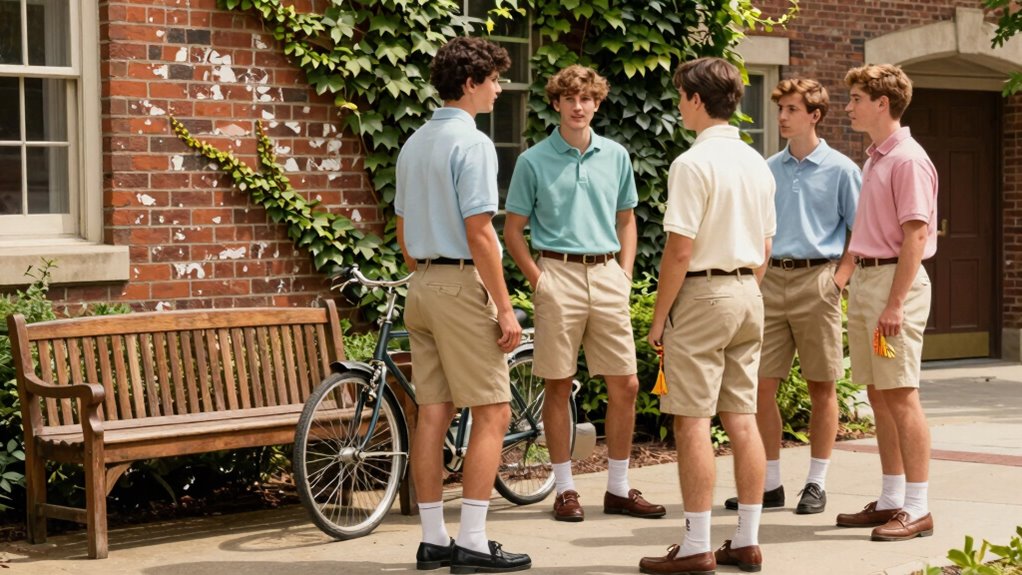
Preppy style has its roots in the Ivy League campuses of the northeastern United States, where students adopted a polished, collegiate look that emphasized tradition and understated elegance. This fashion was more than just clothing; it reflected a set of sociocultural influences shaping the identity of a privileged, academic community. As you trace its origins, you’ll see how the style evolved alongside societal changes, blending old-world sophistication with modern sensibilities. The preppy look initially signified a sense of belonging among elite students, embodying values like discipline, respectability, and a connection to longstanding traditions. Over time, these influences helped solidify a distinctive aesthetic that combined classic tailoring, nautical motifs, and casual yet refined fabrics.
The sociocultural influences on preppy style are deeply rooted in the history of American education and upper-class culture. It emerged as a visual marker of social status, distinguishing those who belonged to the privileged circles of academia and society. As you observe the fashion evolution, you’ll notice that preppy clothing became a symbol of aspiration, often linked to institutions like Harvard, Yale, and Princeton. These schools set the tone for what was considered appropriate and stylish, with clothing choices reflecting a desire for timelessness and understated luxury. The style’s growth was further influenced by the rise of leisure activities like sailing, golf, and polo, which introduced specific patterns—like stripes and plaids—that became staples of the preppy wardrobe. Additionally, the influence of American upper-class culture helped shape the aspirational and exclusive nature of preppy fashion. The adoption of classic patterns and specific fabrics also contributed to establishing a recognizable and enduring look within this style. The influence of social class played a significant role in maintaining the exclusivity of preppy fashion for many decades.
Throughout the decades, the fashion evolution of preppy style has been marked by a blend of tradition and adaptability. You’ve seen how it shifted from strictly academic attire to mainstream fashion, influenced by cultural shifts and the democratization of style. The 1950s and 1960s saw preppy clothing become more accessible, moving beyond university campuses into popular culture, thanks to icons like movie stars and musicians adopting elements of the look. This period also marked a softening of the formal dress code, allowing for more casual interpretations of the classic preppy aesthetic. The global spread of American culture contributed to the international popularity of preppy style, broadening its influence beyond the United States. Recognizing how these cultural exchanges helped popularize the look illustrates the cultural diffusion that shaped modern perceptions of preppy fashion. Today, preppy style continues to evolve, integrating contemporary trends while honoring its roots in sociocultural influences. It remains a symbol of timeless elegance that adapts to modern tastes, yet still echoes its origins in the traditions of Ivy League life.
As an affiliate, we earn on qualifying purchases.
Frequently Asked Questions
How Did Preppy Fashion Influence Mainstream Streetwear?
Preppy fashion influences mainstream streetwear by blending classic styles with modern, casual elements. You see preppy stereotypes like polo shirts and chinos reimagined in oversized fits and bold designs. The vintage revival plays a big role, as streetwear enthusiasts incorporate preppy pieces with a contemporary twist. This fusion creates a unique aesthetic, making preppy influences more accessible and trendy in urban fashion scenes today.
Are There Regional Differences in Preppy Style?
Yes, regional differences shape preppy style considerably. In the Northeast, it leans towards classic Ivy League influences with blazers and loafers, reflecting academic traditions. In the South, you see more relaxed, Southern-preppy elements like pastel colors and boat shoes, influenced by coastal lifestyles. Cultural influences, such as local traditions and climate, also play a role, making preppy style adaptable and diverse across regions.
What Role Did Colleges Play in Preppy Fashion Development?
Colleges, especially Ivy League schools, played a central role in shaping preppy fashion. You’d find that the preppy subculture emerged from these institutions, reflecting their traditions and values. Students adopted styles like polo shirts, blazers, and loafers to showcase their connection to Ivy League ideals. This attire became a symbol of status, discipline, and exclusivity, influencing broader fashion trends and cementing the link between college life and preppy style.
How Has Preppy Style Evolved Over the Decades?
You see preppy style evolve through decades, blending tradition with modern flair. From the polished looks of Ivy League campuses to the relaxed, vintage revival of today’s preppy subcultures, it’s a constant reinvention. You notice classic polo shirts, tailored skirts, and boat shoes adapting to contemporary trends, reflecting a mix of nostalgia and innovation. Preppy fashion now celebrates versatility, embracing both timeless elegance and casual, vintage-inspired pieces.
What Are Some Iconic Preppy Brands Beyond Ralph Lauren?
You’ll find iconic preppy brands beyond Ralph Lauren, like J.Crew and Lacoste, offering classic styles. Preppy accessories such as boat shoes, striped ties, and canvas totes complete the look. You’ll notice iconic preppy logos on polo shirts and sweaters, emphasizing timeless elegance. These brands keep the preppy aesthetic fresh while honoring its roots, making it easy for you to embody the polished, collegiate vibe whenever you wear their pieces.
Conclusion
So, next time you choose your preppy look, remember its roots—heritage, tradition, and timelessness. Embrace the history behind the style, honor the classics, and define your own modern twist. Wear it with confidence, with purpose, with pride. Because preppy isn’t just about fashion; it’s about a way of life, a statement, a reflection of history. Own it, adapt it, and let your style tell your story.
Fall Picks
fall essentials
As an affiliate, we earn on qualifying purchases.