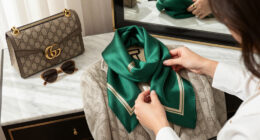
To master draping techniques only couturiers use, you need to learn how to sculpt fabric directly on dress forms through pinning, twisting, and folding to create complex, sculptural shapes. You’ll develop an intuitive sense of fabric behavior, understanding how different textiles drape and hold tension. This hands-on approach lets you craft seamless, high-fashion pieces with precision and artistry. Keep exploring these techniques to discover your full potential in couture draping.

Get your wardrobe favorites delivered free — and shop member deals
- Fast, free delivery on millions of items
- Access to Prime Big Deal Days deals on October 6–7
- Prime Video, Amazon Music and more included
Key Takeaways
- Mastery involves direct manipulation of fabric on dress forms, including pinning, tucking, and sculpting to achieve complex shapes.
- Couturiers utilize advanced draping techniques like intricate pleats, tucks, and gathers to create volume and fluidity.
- Precise fabric selection and understanding fabric behavior are essential for achieving desired drape and structural effects.
- Developing an intuitive sense of fabric interaction enables bespoke adjustments and innovative silhouette creation.
- Historical couture methods emphasize meticulous craftsmanship, patience, and attention to detail, setting apart couture draping from standard techniques.

Have you ever wondered what sets a truly skilled fashion designer apart? It’s often their mastery of draping, a craft that transforms fabric into art. When you’re working with fabric manipulation, every fold, tuck, and twist communicates a designer’s vision. You don’t just sew pieces together—you sculpt fabric on a dress form, creating fluid lines that contour and enhance the human body. This tactile process requires patience, precision, and an eye for detail, but it’s also where your artistic instincts come alive. Mastering fabric manipulation allows you to experiment freely, pushing boundaries and developing unique silhouettes that can’t be achieved through flat patterning alone. It’s about understanding how different fabrics behave—how they stretch, drape, and hold shape—and using that knowledge to craft designs that feel natural yet striking.
To truly excel in draping, you need to explore into historical draping techniques. These methods are the foundation of couture craftsmanship, passed down through generations of master couturiers. By studying these techniques, you learn how designers from the past manipulated fabric to create iconic garments. For example, the classic French couture techniques involve pinning and shaping fabric directly on the dress form, allowing you to see how a design will fall and move in real life. You’ll discover how to create complex pleats, tucks, and gathers that add volume or subtle elegance. These techniques also teach you how to work with luxurious fabrics like silk taffeta, satin, or chiffon, which demand a delicate touch. When you incorporate historical draping methods into your practice, you gain an intuitive sense of how fabric interacts with the human form, enabling you to develop your own signature style rooted in timeless craftsmanship. Additionally, fabric behavior plays a crucial role in mastering these techniques, helping you adapt your approach to different textiles. Understanding these techniques isn’t just about replicating old styles; it’s about expanding your creative vocabulary, especially as you learn to manipulate fabric in innovative ways. You learn to see fabric as a malleable medium, capable of expressing intricate design ideas. This knowledge also sharpens your problem-solving skills—knowing how to manipulate fabric on a dress form allows you to troubleshoot design challenges before sewing even begins. As you become more comfortable with fabric manipulation and historical draping techniques, you develop a kinetic sense of how garments are constructed, making your designs more refined and sophisticated. Ultimately, these skills elevate your work from simple clothing to wearable art, setting you apart as a true couturier. They’re the secret tools behind the seamless, sculptural garments that define high fashion—and now, they’re yours to master.
Top picks for "drap mastery techniqu"
As an affiliate, we earn on qualifying purchases.
Frequently Asked Questions
What Fabrics Are Best Suited for Draping Techniques?
When choosing fabrics for draping, you want to focus on textures that hold shape well, like silk, chiffon, or crepe. These fabrics allow you to create intricate draping patterns without slipping or losing form. Soft yet structured fabrics give you control and flexibility, helping you achieve elegant, flowing designs. Avoid overly stiff materials, which can hinder draping, and opt for those that respond beautifully to your shaping techniques.
How Do I Correct Draping Mistakes Quickly?
When mistakes happen, don’t throw in the towel. You can quickly correct draping errors by maintaining draping safety and carefully adjusting fabric placement. Always guarantee your fabric is well-prepared—press and stabilize it beforehand. Use pins or clips to hold fabric in place, then make small, deliberate adjustments to fix issues. Staying calm and methodical helps you save time and keeps your draping clean and professional, turning errors into learning moments.
Can Draping Be Effectively Done Without a Dress Form?
You can drape effectively without a dress form by using your body as a mannequin, which helps you understand fabric manipulation and fit. Keep a mood board nearby to visualize your design ideas and inspiration. Pin and pin until you achieve the desired shape, adjusting as needed. This hands-on approach allows for greater flexibility and spontaneity, making your draping process more intuitive and tailored to your unique style.
What Tools Are Essential for Professional Draping?
Like a painter with their brushes, you need essential tools for professional draping. A high-quality dress form is your canvas, helping you visualize fabric manipulation and understand draping history. Sharp pins, fabric scissors, and a ruler are your brushes, enabling precise shaping and adjustments. These tools allow you to craft structured designs and explore fabric behaviors, elevating your skills beyond basic techniques and embracing the artistry of couture draping.
How Does Draping Differ Across Various Fashion Styles?
You observe that draping varies across fashion styles, reflecting fashion history and cultural influences. For example, haute couture often showcases intricate, structured draping, while casual styles favor relaxed, effortless looks. You see how cultural traditions shape draping techniques, like kimono-inspired folds or African textiles. By understanding these differences, you can adapt your draping approach to suit each style’s unique aesthetic and cultural significance, enriching your design process.
Conclusion
Mastering draping opens doors to endless creativity, allowing you to subtly hint at elegance and sophistication. With patience and practice, you’ll find yourself weaving magic into every fabric, creating pieces that whisper of craftsmanship. Remember, even the most seasoned couturiers began with gentle steps. Embrace the journey, and over time, your skills will bloom into a refined language of style that speaks softly but leaves a lasting impression.
Fall Picks
fall essentials
As an affiliate, we earn on qualifying purchases.