
Couture tailoring focuses on precision, craftsmanship, and durability, offering personalized, long-lasting garments crafted from high-quality fabrics. In contrast, flou emphasizes soft, flowing silhouettes that prioritize artistic expression and ease of movement, often using lighter, delicate fabrics. If you value custom fit, resilience, and structured designs, couture is your choice. For relaxed, artistic styles that move effortlessly, flou suits you better. Continue exploring to see how these approaches can match your style preferences perfectly.
Key Takeaways
- Couture tailoring emphasizes precision, craftsmanship, and high-quality, durable fabrics for bespoke, long-lasting garments.
- Flou designs focus on soft, flowing silhouettes using lighter, delicate fabrics that prioritize movement and artistic expression.
- Couture offers extensive customization options tailored to individual preferences, while flou features minimal personalization.
- Couture garments are structured and detailed, suitable for formal and timeless wear; flou emphasizes relaxed, artistic, and effortless style.
- Couture is ideal for durability and personalized fit; flou is better for ease of movement and casual, statement pieces.

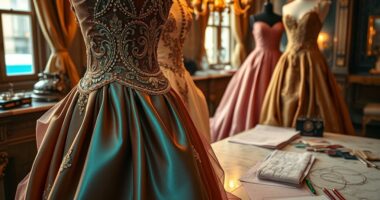
When choosing between couture tailoring and flou designs, understanding their fundamental differences can help you make a more informed decision. Couture tailoring emphasizes precision, craftsmanship, and high-quality materials, making it ideal if you’re seeking a garment that combines elegance with longevity. Fabric durability plays a significant role here; couture pieces are often crafted from premium fabrics like silk, brocade, or heavy-weighted textiles that stand the test of time. These fabrics are carefully selected for their resilience, ensuring your custom-made piece remains beautiful and intact through years of wear. Additionally, couture tailoring offers extensive customization options. Since each piece is crafted specifically for you, you can choose every detail — from the fabric type to the fit, embellishments, and finishing touches. This degree of personalization means your garment will perfectly match your style preferences and body shape, providing a truly unique wardrobe addition.
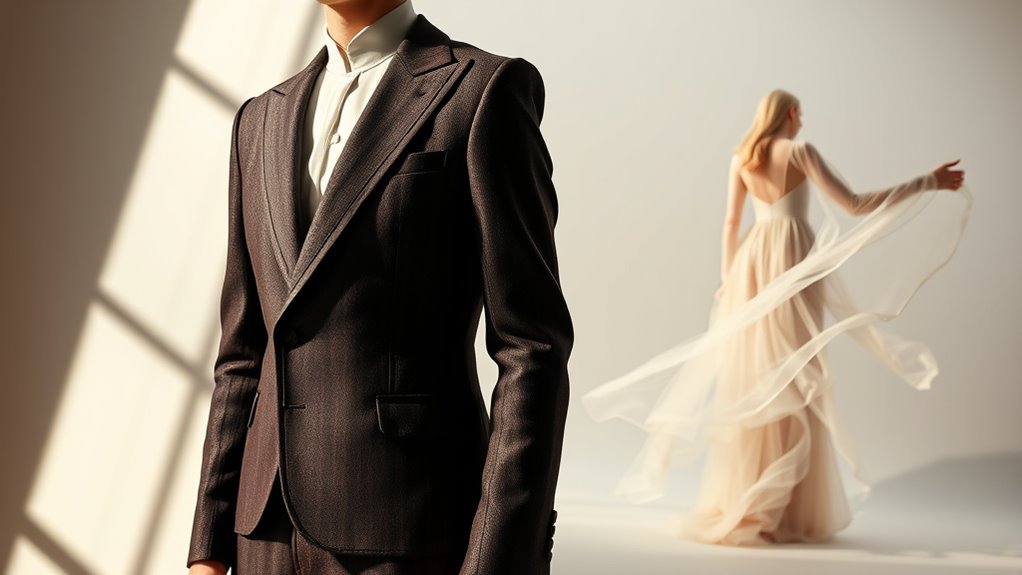
In contrast, flou designs lean toward a more fluid, artistic approach. They tend to focus on soft, flowing silhouettes that create a sense of movement and ease. While they may not emphasize fabric durability as much as couture pieces, flou garments often use lighter, more delicate fabrics like chiffon, georgette, or silk crepe. These fabrics lend themselves to the airy, effortless aesthetic that defines flou styles but may not withstand frequent wear and washing as well as more robust couture textiles. Because of their design philosophy, flou pieces sometimes have fewer customization options; they prioritize artistic expression and ease of wear over strict tailoring details. However, this doesn’t mean you’re limited — many designers incorporate subtle personal touches, such as color choices or minimal embellishments, to make each piece feel special. It is also important to consider seed allergies when selecting fabrics, especially if you have sensitivities, as some textiles can contain or be contaminated with allergenic seeds or particles.
Choosing between the two depends on your priorities. If durability and a high level of customization are essential, couture tailoring provides a bespoke, long-lasting garment tailored precisely to your specifications. You get the benefit of tailored fit, exquisite craftsmanship, and materials selected for longevity. On the other hand, if you prefer a more relaxed, artistic, and airy look, flou designs might appeal more. They offer a sense of freedom and movement, perfect for casual or statement pieces that emphasize form and flow over strict durability. Ultimately, your choice comes down to what you value most in your wardrobe — whether it’s timeless resilience and personalized fit or artistic expression and ease of movement.
Top picks for "couture tailor flou"
As an affiliate, we earn on qualifying purchases.
Frequently Asked Questions
How Do Couture Tailors Customize Fittings for Individual Clients?
You’ll experience personalized fittings where the tailor carefully assesses your body shape, posture, and preferences. During client consultations, they discuss your style, fabric choices, and details to guarantee the final piece reflects your vision. The tailor then makes precise adjustments, pinning and measuring as needed. This hands-on approach guarantees a perfect fit, tailored exclusively for you, making every garment unique and comfortable.
What Are the Environmental Impacts of Couture Tailoring Compared to Flow?
You’ll find that couture tailoring often has a bigger environmental impact than Flou, mainly due to its focus on sustainable practices and reducing material waste. Couture emphasizes custom, high-quality materials, but this can lead to more waste if not carefully managed. Flou, on the other hand, tends to prioritize efficiency and sustainable production, potentially resulting in a lower environmental footprint. By choosing brands that prioritize sustainability, you help minimize material waste.
Can Flow Techniques Be Incorporated Into Couture Designs?
Yes, you can incorporate flow techniques into couture designs by using fabric manipulation and seam blending. These methods help create fluid, dynamic shapes that enhance movement and elegance. By blending seams seamlessly and manipulating fabrics to add softness or volume, you bring a sense of flow to intricate couture pieces. This fusion of techniques allows for innovative, expressive designs that maintain the craftsmanship and detail expected in couture fashion.
How Do Cost Differences Affect Accessibility Between Couture and Flow?
Think of the price disparity between couture and flow as a mountain and a molehill; it heavily influences accessibility. Couture’s intricate craftsmanship and small production scale make it pricey, limiting who can afford it. Flow, with its scalable production, offers more affordable options, making stylish designs accessible to a broader audience. Your ability to access these styles depends on the cost differences rooted in production scale and craftsmanship.
What Skills Are Essential for Mastering Couture Tailoring Versus Flow?
You need precise fabric manipulation and advanced pattern drafting skills to master couture tailoring, focusing on intricate details and custom fittings. For flow, you should emphasize understanding fabric drape and ease of movement, applying pattern drafting techniques that prioritize fluidity. Both require technical expertise, but couture demands meticulous craftsmanship, while flow emphasizes an intuitive feel for fabric behavior. Developing these skills ultimately enhances your ability to create garments aligned with each style’s unique aesthetic.
Conclusion
In the end, choosing between couture tailoring and flou is like selecting a brushstroke for your personal masterpiece. Couture offers precision and craftsmanship, shaping your vision into reality, while flou flows like a gentle breeze, embracing freedom and movement. Think of it as the difference between a sculpted statue and a flowing river. Whichever you pick, remember it’s your unique style that truly makes the fashion come alive—like a melody that only you can sing.