To repair snags in knitwear like a pro, start by gently loosening the snagged fiber. Use a small needle with matching yarn to weave over and under the loose fibers, mimicking your knit pattern for seamless results. Handle the yarn carefully and keep your stitches even to avoid visible repairs. Using proper tools and techniques ensures durable, discreet fixes, so if you’re keen to learn more expert tips, keep exploring the best methods for flawless repairs.
Key Takeaways
- Use a small-eye needle and matching yarn to carefully weave over the snag, mimicking the original knit pattern.
- Loosen the snagged fibers gently before stitching to prevent further damage.
- Follow the knit pattern precisely during stitching to ensure a seamless, durable repair.
- Practice on scrap fabric first to perfect your technique and achieve the best results.
- Handle the repair with even tension and gentle pressure to maintain the garment’s appearance and longevity.

Knitwear snags can be frustrating, but with the right techniques, you can often fix them yourself and restore your garment’s appearance. When dealing with snags, the key is to understand darning techniques that are simple yet effective. Darning involves weaving or sewing over the snag to secure loose fibers and prevent the hole from enlarging. You’ll need a needle with a small eye and matching yarn or thread. Begin by gently pulling the snagged fiber to loosen it, then thread your needle and carefully stitch across the snag, following the original knit pattern as closely as possible. This helps reinforce the fabric and hide the damage. For a seamless repair, weave the thread over and under the existing stitches, mimicking the knit structure. Take your time and keep the tension even to avoid puckering. Once you’ve secured the snag, gently press the area with your fingers to smooth out any uneven stitches. This method not only repairs the snag but also helps you understand how to mend similar issues in the future. Additionally, using high-quality yarns can make repairs less noticeable and more durable. Developing a good understanding of knit patterns can also assist in making more precise repairs that blend seamlessly with the original fabric. Moreover, practicing on scrap pieces before attempting repairs on your actual garment can build your confidence and improve your technique. Understanding fiber types can also guide you in selecting the appropriate materials for repairs, ensuring better results.
Preventing future snags is equally important. You should always handle your knitwear with care, avoiding rough surfaces and sharp objects that can catch on the fibers. When storing your garments, fold them carefully instead of hanging, which reduces stress on the fabric. Using a gentle wash cycle and cold water also minimizes fiber stress and prevents additional snags. Turn your knitwear inside out before washing to protect the surface from friction. Additionally, consider using a lingerie bag or wash pouch, especially for delicate knits, as it creates a barrier against potential damage during laundry. Proper garment care extends the life of your knitwear and reduces the likelihood of snags occurring. You can also take simple steps to reinforce your sweaters and reduce the risk of snags. For example, applying a fabric protector spray can help repel lint and snagging objects. Regularly inspecting your wardrobe for loose threads or frayed areas allows you to mend small issues before they turn into bigger snags. If you notice a loose fiber or a small tear, fixing it immediately with darning techniques prevents further damage. By adopting these preventative measures and mastering basic darning skills, you’ll keep your knitwear looking new longer, saving you money and frustration in the long run.

ZESICA Cocktail Wedding Guest Dresses for Women 2026 Summer Strapless Floral Bodycon Mesh Tube Formal Party Midi Dress Blue Small
Size and Material: S=US 4-6, M=US 8-10, L=US 12-14, XL=US 16-18. Suitable for spring and summer wear. Elasticity:...
As an affiliate, we earn on qualifying purchases.
Frequently Asked Questions
Can I Prevent Snags in Knitwear Before They Happen?
To prevent snags in knitwear, you should focus on proper fabric care and snag prevention strategies. Handle your knitwear gently, avoid rough surfaces, and keep jewelry or sharp objects away from delicate fibers. Always store knit items properly and wash them carefully, following care labels. Using gentle detergents and avoiding excessive agitation helps maintain fabric integrity. These steps minimize the risk of snags and keep your knitwear looking new longer.
What Tools Are Best for Snag Repairs?
When choosing tools for snag repairs, focus on tool selection that makes repair techniques easier and more precise. A small crochet hook or fine needle works best for pulling or securing loosened threads. You might also use tweezers for delicate adjustments. These tools help you carefully fix snags without damaging the fabric. With the right tools, you’ll find repairing snags straightforward and less stressful, ensuring your knitwear stays looking great.
How Long Does It Take to Repair a Snag Professionally?
When repairing a snag professionally, it typically takes around 15 to 30 minutes, depending on the snag’s size and location. You can extend your knitwear’s longevity by mastering DIY repair techniques, which are often quicker and cost-effective. While professionals ensure seamless results, practicing these skills allows you to handle minor snags promptly, maintaining your knitwear’s appearance and durability without long delays.
Are There Specific Fabrics More Prone to Snags?
Imagine reaching for your favorite sweater, only to find a snag threatening its look. Certain fabrics, like delicate wool or fine silk, are more prone to snags due to their lower fabric durability. These materials often face common snag causes like rough jewelry or sharp objects. Stay vigilant with delicate fabrics, knowing they require extra care, and you’ll keep your wardrobe looking pristine, snag-free, longer.
Can I Fix Multiple Snags on the Same Garment?
Yes, you can fix multiple snags on the same garment. Use gentle repair techniques like threading a fine needle with matching yarn and carefully pulling the snag back into place. For multiple snags, work systematically, repairing each one carefully to prevent further damage. Take your time, and avoid pulling too hard, which could cause additional snags. With patience, you’ll restore your knitwear and keep it looking great.

PRETTYGARDEN Women's Summer One Shoulder Long Formal Dresses Sleeveless Ruched Bodycon Wedding Guest Slit Maxi Dress (Black,Medium)
COMFY FABRIC: The Maxi Dress Is Made Of High-Quality Polyester And Elastane Fabric, Soft And Breathable, Comfortable To...
As an affiliate, we earn on qualifying purchases.
Conclusion
By mastering these snag repair techniques, you not only extend your knitwear’s lifespan but also develop a keen eye for detail. Interestingly, some experts believe that repairing small snags promptly can actually strengthen the fabric over time, as it encourages the fibers to settle more evenly. So, next time you spot a snag, remember — a quick fix not only preserves your garment but might also make it sturdier in the long run.
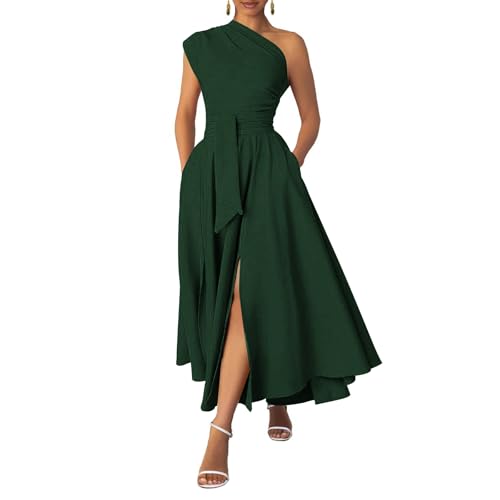
Ekaliy Women's Long Formal Dress One Shoulder Sleeveless Belted Wedding Guest Maxi Dresses Green XL
Fabric: Made From 95% Polyester and 5% Spandex, This Maxi Dress is Soft, Stretchy and Breathable. The Skin-Friendly...
As an affiliate, we earn on qualifying purchases.

ZESICA Women's Summer Sleeveless Halter Midi Dress 2026 Off Shoulder High Waist Flowy Formal Wedding Guest Long Dresses Black Large
Size: Small=US 4-6, Medium=US 8-10, Large=US 12-14, X-Large=US 16-18. Tips: Non-Stretchy,lining inside, will not be see-through, women who...
As an affiliate, we earn on qualifying purchases.