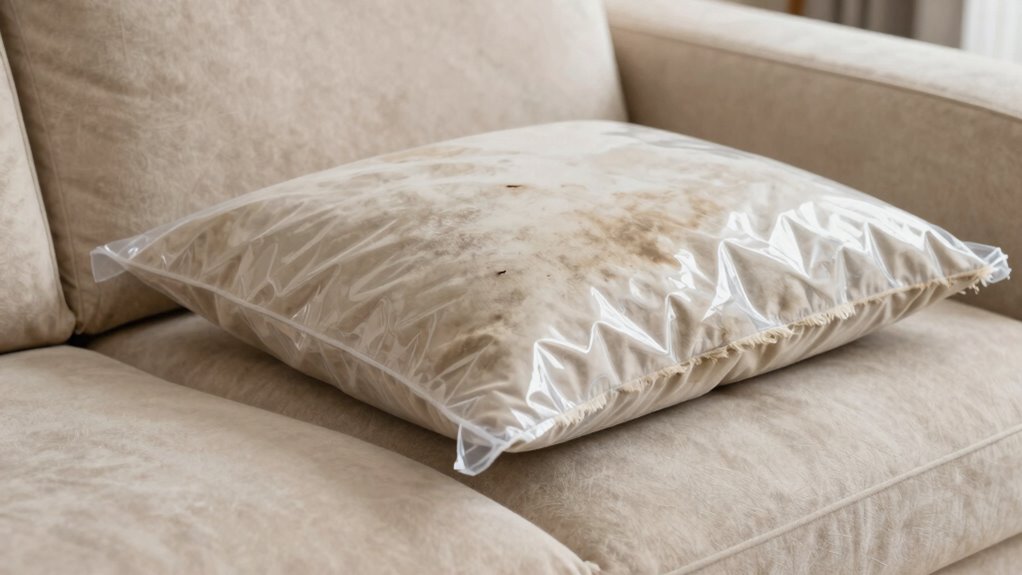
To protect your upholstery, choose treatments that create a durable barrier against liquids and wear, like professional-grade options. Pretreated fabrics with stain resistance help, but they don’t last forever, so reapplication is key. Protect synthetic fabrics like polyester and microfiber, but natural fibers such as cotton need extra care. Store-bought sprays give temporary relief, while professional treatments last longer. If you want to discover more about effective strategies, keep exploring the options that truly work.

Get your wardrobe favorites delivered free — and shop member deals
- Fast, free delivery on millions of items
- Access to Prime Big Deal Days deals on October 6–7
- Prime Video, Amazon Music and more included
Key Takeaways
- Professional fabric treatments generally offer longer-lasting protection than store-bought sprays.
- Built-in stain-resistant fabrics provide effective, ongoing defense against spills and dirt.
- Regular reapplication of protective sprays is necessary to maintain their effectiveness.
- Natural fabrics like cotton and linen require additional treatments for adequate protection.
- Proper maintenance and understanding fabric types ensure maximum durability and protection.
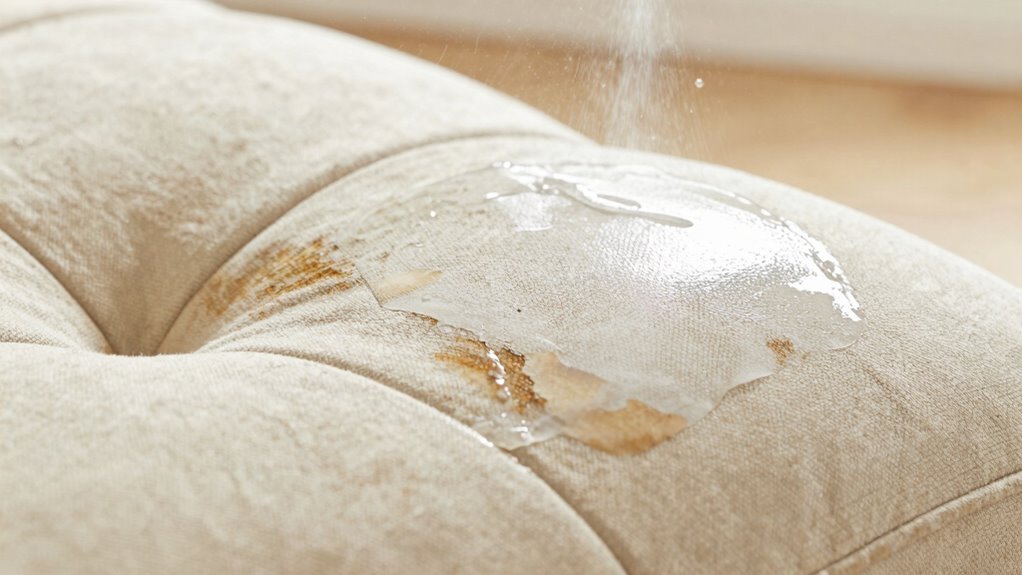
Upholstery protection is vital for maintaining the appearance and longevity of your furniture. When you invest in quality pieces, you want them to stay looking their best for years to come. That’s where choosing the right protection methods matters. One of the most effective ways to do this is by enhancing fabric durability. High-quality fabric treatments can make your furniture more resistant to everyday wear and tear, preventing fraying and fading over time. These treatments help fibers stay strong, so your upholstery can withstand regular use without quickly showing signs of damage.
Protecting your upholstery extends furniture life and keeps it looking new longer.
Along with durability, stain resistance plays an essential role in protecting your furniture. Accidents happen—spills, pet messes, and even casual crumbs—and without proper protection, they can leave lasting marks. Fortunately, some treatments and fabrics come with built-in stain resistance, creating a barrier against liquids and other substances. This barrier makes it easier to clean up spills before they seep deep into the fabric, preserving the original look of your furniture. Keep in mind, though, that not all stain resistance is equal. Some sprays and treatments last longer than others, and certain fabrics respond better to protective coatings. Moreover, understanding the fabric types and their resistance qualities can help you choose the best protection methods for your specific furniture.
While many products claim to make your furniture stain-proof or highly durable, it’s important to be selective. For example, store-bought sprays might provide temporary protection but may wear off after a few cleanings or washes. On the other hand, professional treatments often offer more lasting results, but they come at a higher cost. Regardless of the method, proper application and regular maintenance are key. You should follow instructions carefully and reapply treatments as recommended to keep your upholstery in top shape.
It’s also worth noting that some fabrics naturally offer better durability and stain resistance than others. Synthetic fibers like polyester or microfiber tend to perform well, especially when treated. Natural fabrics such as cotton or linen might need extra protection to keep spills at bay. When shopping for new furniture, consider these factors to choose fabrics that align with your lifestyle and cleaning habits. Additionally, understanding how fabric treatments work can help you make more informed decisions about protecting your furniture effectively. Knowing the differences in fabric types and their resistance qualities can significantly influence your protection strategy. In addition, researching fabric care guidelines can help prolong the life and appearance of your upholstery.
In the end, the best approach combines selecting durable fabrics with applying effective protective treatments. This dual strategy ensures your furniture remains attractive and functional for years. Remember, investing in protection today can save you time, effort, and money on repairs or replacements later. Prioritize proper maintenance, and your furniture will continue to look inviting and fresh, no matter what life throws at it.
Frequently Asked Questions
Are DIY Upholstery Protectants as Effective as Professional Treatments?
DIY upholstery protectants can be somewhat effective, but they often fall short compared to professional treatments. You might worry about chemical residues and their safety, especially with homemade options. Additionally, longevity concerns arise because DIY protectants typically don’t last as long or provide as thorough coverage as professional products. For better and longer-lasting protection, investing in a professional treatment is usually the smarter choice, despite the higher cost.
How Often Should I Reapply Upholstery Protection Products?
You should reapply upholstery protection products every 6 to 12 months, depending on your cleaning frequency and usage. If you clean often or have pets and kids, reapply more frequently to maintain stain resistance. Regular reapplication helps keep your furniture protected and enhances its ability to resist stains and spills. Always follow the manufacturer’s instructions for best results, and consider reapplying after deep cleaning or professional treatments.
Can Upholstery Protectants Be Used on All Fabric Types?
Like a trusted shield in a hero’s arsenal, upholstery protectants can be used on most fabric types, but you must consider fabric durability and stain resistance. Always check the product label to guarantee compatibility, especially for delicate or sensitive fabrics. While protectants work well on synthetic and tightly woven materials, they might not suit all natural fibers, so testing a small hidden area is wise to avoid damage.
Do Protective Sprays Affect the Feel and Look of Furniture?
Protective sprays can slightly alter the fabric texture and visual appearance of your furniture. You might notice a faint change in the feel, making it a bit smoother or more rigid, depending on the product. However, quality sprays are designed to minimize these effects. To keep your furniture looking its best, choose sprays suited for your fabric type and test a small area first, ensuring the visual appearance and feel remain appealing to you.
Are There Eco-Friendly Options for Upholstery Protection?
Yes, there are eco-friendly options for upholstery protection. You can choose products made from eco-friendly materials, sustainable options that are biodegradable, and non-toxic formulas that are safe for your family and the environment. Look for certifications like Green Seal or OEKO-TEX, and opt for natural oils or plant-based sprays. These sustainable options protect your furniture effectively while reducing your ecological footprint, ensuring both safety and environmental responsibility.
Conclusion
Think of upholstery protection as your trusty shield in the battle against spills and stains. While no method is foolproof, choosing the right products and habits can help keep your furniture looking fresh and vibrant, like a well-tended garden. Remember, even the strongest armor has its limits, so treat your upholstery with care and patience. With a little effort, your furniture can stay a shining star in your home’s constellation of comfort and style.
Fall Picks
fall essentials
As an affiliate, we earn on qualifying purchases.