

Understanding model numbers helps you identify variations within a brand’s lineup, such as size, processor, or regional versions, so you can avoid buying the wrong device. They reveal specific features and configurations, making it easier to compare options and verify authenticity. By recognizing subtle differences and decoding codes, you guarantee compatibility and prevent costly mistakes. If you want to learn how to interpret these codes and choose the right device every time, keep exploring this guide.

Get your wardrobe favorites delivered free — and shop member deals
- Fast, free delivery on millions of items
- Access to Prime Big Deal Days deals on October 6–7
- Prime Video, Amazon Music and more included
Key Takeaways
- Always verify model numbers with official manufacturer sources before purchasing.
- Compare specifications and features indicated by the model number to ensure they meet your needs.
- Be aware of regional and version differences to avoid incompatible or outdated devices.
- Use manufacturing codes to confirm product authenticity and production date.
- Cross-check seller listings with official details to prevent buying incorrect or counterfeit models.
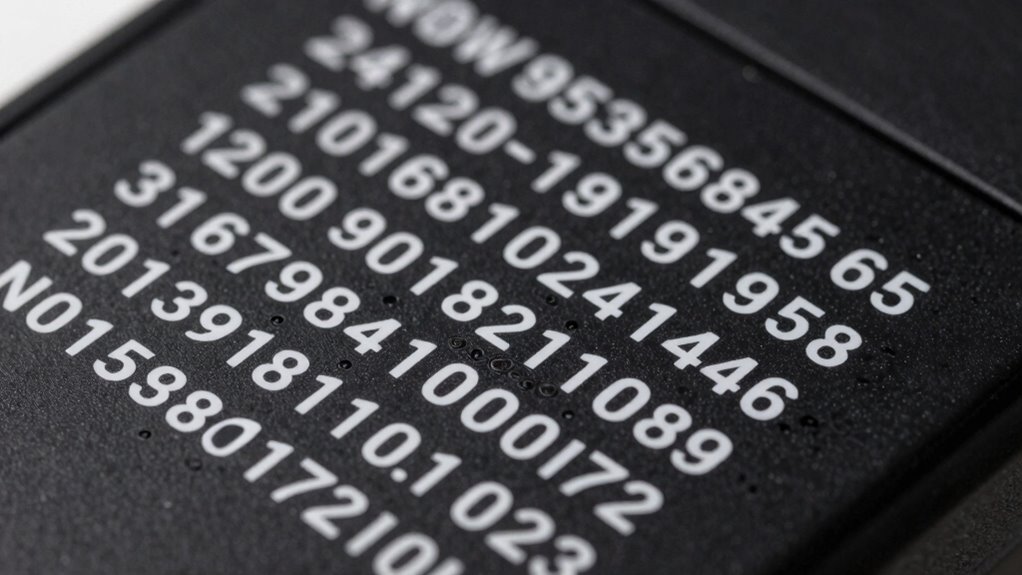
Have you ever wondered what those string of numbers and letters on your electronic devices really mean? It’s a common question, especially when you’re trying to guarantee you’re buying the right version or model. These alphanumeric sequences aren’t just random; they contain crucial information about the product, from its manufacturing details to its specific configuration. Understanding what these codes represent can save you from costly mistakes and help you make informed decisions.
Model numbers are often more than just identifiers; they can reveal variations within a brand’s lineup. You might notice different model numbers for similar devices—say, a laptop with a slightly different number than another. That’s where brand variations come into play. Manufacturers assign different numbers to distinguish features like screen size, processor type, or regional versions. Recognizing these subtle differences is key to avoiding confusion, especially if you’re shopping online. Don’t assume that a model number alone guarantees you’re getting the exact specifications you want. Always cross-reference the details provided by the seller with the official specifications from the manufacturer.
Model numbers can show variations in features like size, processor, or region—always verify details before purchasing.
Manufacturing codes are another essential part of what’s embedded in the model numbers. These codes can tell you where and when your device was made. For example, some manufacturers include a production date or factory location within the code. This information can be useful if you’re concerned about product authenticity, warranty eligibility, or quality. If a model number indicates it was produced in a different region than where you’re buying it, that might affect compatibility or regional features. Sometimes, these manufacturing codes also help identify whether a device has undergone specific revisions or updates, which can influence performance or durability. Understanding manufacturing codes can help you determine the authenticity and overall quality of a product before purchase. Additionally, decoding these manufacturing details can assist in verifying whether a device has been recalled or updated recently, further aiding your purchasing decision. Knowing how to interpret these codes is especially important for regional compatibility and ensuring that your device functions properly in your area.
To avoid purchasing the wrong version, it’s critical to decode these numbers thoroughly. Always check the manufacturer’s official resources or contact customer support if you’re uncertain about what a particular model number or manufacturing code signifies. Pay attention to the details, and don’t settle for just the model number without considering its associated features and specifications. Comparing the model number to the product description can reveal discrepancies or confirm that you’re getting exactly what you want. Being aware of the regional differences in model numbers and manufacturing details can also help prevent issues with compatibility or regional restrictions.
In the end, understanding the significance of model numbers, brand variations, and manufacturing codes empowers you to make smarter, more confident purchases. It prevents you from ending up with a device that doesn’t meet your needs or expectations. So next time you see those numbers and letters, take a moment to decode them—they hold the key to buying the right version of your electronic device.
As an affiliate, we earn on qualifying purchases.
Frequently Asked Questions
How Often Do Manufacturers Update Model Numbers?
Manufacturers typically update model numbers annually or every few years, aligning with manufacturing timelines and product improvements. They also use branding strategies to differentiate new versions from older ones. You should stay aware of these updates because they often indicate upgrades or changes, helping you avoid buying outdated or incompatible models. Regularly checking manufacturer announcements or product listings guarantees you get the latest version, matching your needs effectively.
Are Model Numbers Standardized Across Brands?
Model numbers aren’t standardized across brands, so brand naming varies widely. You’ll find that each manufacturer develops its own system for model number consistency, which can be confusing. To avoid mistakes, always check the specific brand’s model naming conventions and verify details before purchasing. This way, you can guarantee you’re comparing the right products and avoid buying the wrong version due to inconsistent model number formats.
Can Two Different Products Have the Same Model Number?
Yes, two different products can have the same model number, especially if they have component variations or different manufacturing codes. Manufacturers might reuse model numbers for different versions or updates, which can cause confusion. To avoid buying the wrong product, always check the detailed specifications, component variations, and manufacturing codes. This way, you verify you’re getting the exact version you need, even if the model number looks familiar.
How Do Regional Model Numbers Differ?
Regional variations in model numbers help distinguish products based on localization identifiers, making it easier for you to identify the version suited for your region. These differences may include language, power compatibility, or regional standards. Always check regional model numbers to confirm you’re getting the right product for your location. This way, you avoid compatibility issues and make sure the device meets your local requirements.
Do Model Numbers Indicate Product Quality or Features?
Model numbers don’t directly indicate product quality or features, but they do influence product branding and consumer perception. When you see a specific model number, it signals a version within a product line, often associated with certain features or updates. However, don’t rely solely on the number; check detailed specifications and reviews. This way, you guarantee the product meets your needs, and your perception aligns with its actual quality and features.
Conclusion
By understanding how model numbers work, you’ll never fall for the trap of buying the wrong version again. Think of them as your personal GPS, guiding you through the maze of options with laser precision. Armed with this knowledge, you can confidently navigate the tech jungle, avoiding costly mistakes and ensuring you get exactly what you need. Say goodbye to confusion—your perfect product is now within arm’s reach, waiting to transform your experience into something truly legendary.
Fall Picks
fall essentials
As an affiliate, we earn on qualifying purchases.