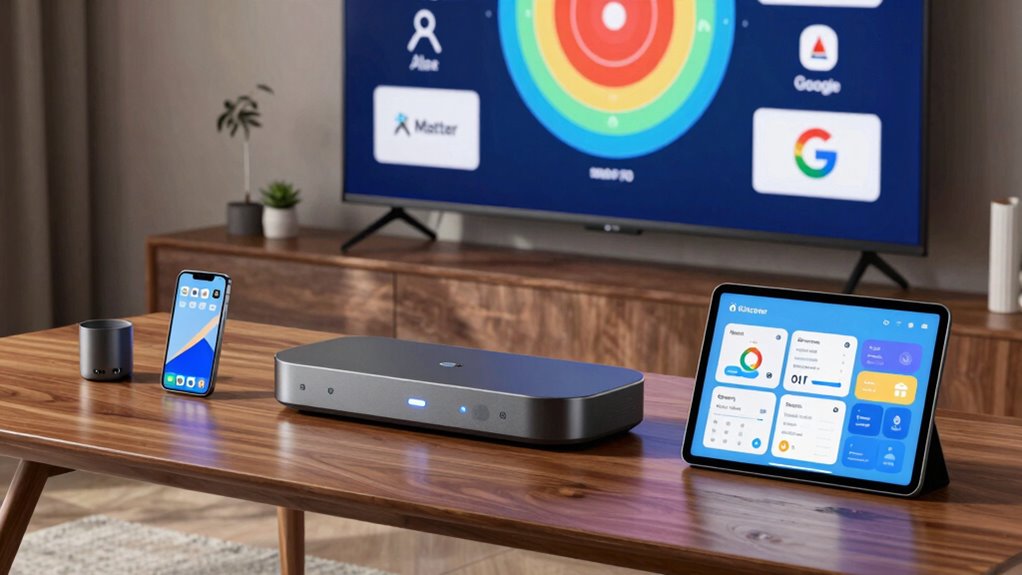

Smart device compatibility varies between Matter, Alexa, and Google. Matter aims to create a unified, secure ecosystem that simplifies device interoperability regardless of manufacturer, making future integrations easier. Alexa and Google have extensive device support due to their longer market presence, but their ecosystems can become complex with many connected gadgets. If you want a clearer understanding of how these platforms compare and what’s best for your smart home, keep exploring the details.

Get your wardrobe favorites delivered free with Prime
- Fast, free delivery on millions of items
- Prime Video, Amazon Music and more included
- Member-only deals all year
Key Takeaways
- Matter aims to unify device compatibility across brands, reducing fragmentation, while Alexa and Google support extensive ecosystems due to long market presence.
- Alexa and Google offer broad device support, but Matter’s standardization seeks to improve cross-brand interoperability.
- Compatibility in Matter depends on manufacturer implementation, whereas Alexa and Google’s ecosystems are supported by their established market reach.
- Matter simplifies future device integration and security, whereas Alexa and Google focus on seamless voice control within their existing ecosystems.
- Long-term adoption of Matter depends on industry collaboration, while Alexa and Google benefit from established user bases and ongoing updates.
Have you ever struggled to connect your smart device with other gadgets or platforms? If so, you’re not alone. The world of smart home technology can feel overwhelming, especially when trying to guarantee compatibility among different systems. When choosing between standards like Matter, Alexa, or Google, it’s important to contemplate not just device functionality but also security concerns and user privacy. Each platform has its strengths and weaknesses, and understanding these can help you make an informed decision that aligns with your needs.
Matter, the newest standard, aims to create a unified ecosystem that simplifies device compatibility across brands and platforms. Its main goal is to reduce fragmentation, so you don’t have to worry about whether a device will work with your existing setup. However, with any new standard, security concerns are always front and center. Developers must guarantee that user privacy is protected, especially since connected devices often handle sensitive data. Matter is designed with security in mind, using robust encryption and secure onboarding processes, but it’s essential to stay vigilant about updates and manufacturer credentials to prevent vulnerabilities. Moreover, interoperability between devices can sometimes be limited by manufacturer implementation, which is why standardization efforts are so vital. Additionally, ongoing industry collaboration is key to ensuring these standards evolve to meet user needs effectively. As the technology matures, it’s also important to consider the long-term device support and updates to ensure your smart home remains secure and functional. Furthermore, the success of these standards depends heavily on market adoption by manufacturers, which influences how quickly and widely new devices become compatible.
Matter enhances device compatibility with secure encryption, but staying vigilant with updates and manufacturer credentials remains essential.
On the other hand, platforms like Amazon Alexa and Google Assistant have been around longer and boast vast device ecosystems. These platforms offer seamless voice control and broad device support, making it easy to integrate new gadgets into your home. Yet, the more devices connected to your voice assistant, the greater the risk of security issues. Alexa and Google have invested heavily in security measures, but user privacy remains a concern for many. Voice data, for example, can be stored and potentially accessed by third parties, raising questions about how much control you really have over your personal information. Both companies provide privacy settings, but it’s up to you to manage and understand them thoroughly.
In terms of compatibility, Alexa and Google often have broader device support due to their longer market presence. However, standardization efforts like Matter promise to bridge these gaps by offering a common language for devices, which could make future integrations more straightforward and secure. Your choice might depend on how much you prioritize device variety versus ecosystem simplicity. Whichever platform you lean toward, it’s fundamental to stay informed about security updates and privacy policies. Smart device compatibility isn’t just about whether a device works; it’s also about how safely and privately it operates within your home. By understanding the nuances of each standard, you can better protect your data and enjoy a seamless smart home experience.
Matter compatible smart home devices
As an affiliate, we earn on qualifying purchases.
As an affiliate, we earn on qualifying purchases.
Frequently Asked Questions
Can I Use All Three Platforms Simultaneously on One Device?
Yes, you can use all three platforms simultaneously on one device, but it depends on the device’s capabilities and support for multi-platform integration. While some devices offer cross-platform compatibility, others might face challenges due to differing protocols or ecosystems. You’ll need to guarantee your device supports multiple platforms and be prepared for potential cross platform challenges, like lag or limited features. Proper setup and compatible hardware are key to seamless multi-platform use.
How Secure Is Device Communication With Matter Compared to Alexa and Google?
Think of device communication security like a fortress guarding your home. Matter offers stronger security by using end-to-end encryption and rigorous cloud authentication, making it harder for intruders to intercept or access your data. Alexa and Google also use robust security measures, but Matter’s open standard emphasizes privacy and security at every layer. So, with Matter, you’re getting a smarter, safer lock on your smart devices.
Are There Any Cost Differences Between Compatible Devices for Each Platform?
You’ll find that device pricing varies across platforms, with compatible devices often priced similarly regardless of whether they work with Matter, Alexa, or Google. However, some platforms may have higher subscription costs for extra features or services. When shopping, compare the upfront device costs and any ongoing subscription fees, as these can impact your overall expenses. Generally, compatibility doesn’t substantially affect device pricing but check for platform-specific subscriptions.
Which Platform Offers the Most Extensive Device Compatibility?
You’ll find that Alexa offers the most extensive device compatibility, thanks to its broad device interoperability and platform integration. Many brands prioritize Alexa compatibility, making it easier for you to connect various smart devices seamlessly. Matter aims to unify device interoperability across platforms, but Alexa still leads in the sheer number of supported devices. If you want maximum compatibility, Alexa’s ecosystem provides the widest range of options.
How Do Firmware Updates Affect Device Compatibility Across Platforms?
Firmware updates play a vital role in device compatibility across platforms. When you install these updates, they often include compatibility improvements that enable your smart device to work seamlessly with different ecosystems. By keeping your devices’ firmware current, you guarantee they stay compatible with new standards and features, reducing glitches and expanding integration options. Regular updates help maintain smooth functioning and maximize your smart home’s versatility and interoperability.
Conclusion
In conclusion, mastering the maze of smart device compatibility means making mindful choices. Matter offers a modern, universal approach, while Alexa and Google bring their own bustling ecosystems. By understanding their differences, you can confidently connect, control, and customize your smart home with ease. So, whether you’re seeking simplicity or specific features, selecting the suitable system will surely streamline your smart space, turning tech troubles into triumphant touches of tomorrow.
Fall Picks
fall essentials
As an affiliate, we earn on qualifying purchases.