

Watts measure how much power a station produces or uses at any instant, like a snapshot of energy flow. Watt-hours show the total energy delivered over a period, like how much work gets done over time. Think of watts as your real-time speed, while watt-hours are like your total distance traveled. Understanding both helps you see how power stations support the grid now and over the long term. If you want to learn more, keep exploring the differences in detail.

Get your wardrobe favorites delivered free with Prime
- Fast, free delivery on millions of items
- Prime Video, Amazon Music and more included
- Member-only deals all year
Key Takeaways
- Watts measure the current power output or consumption at a specific moment, like a snapshot of energy flow.
- Watt-hours show the total energy produced or used over a period, combining power over time.
- Watts are used for real-time grid management, while watt-hours help assess overall energy production.
- Understanding both helps ensure stable power supply and efficient energy planning.
- Watts indicate capacity; watt-hours reflect the actual energy delivered over time.
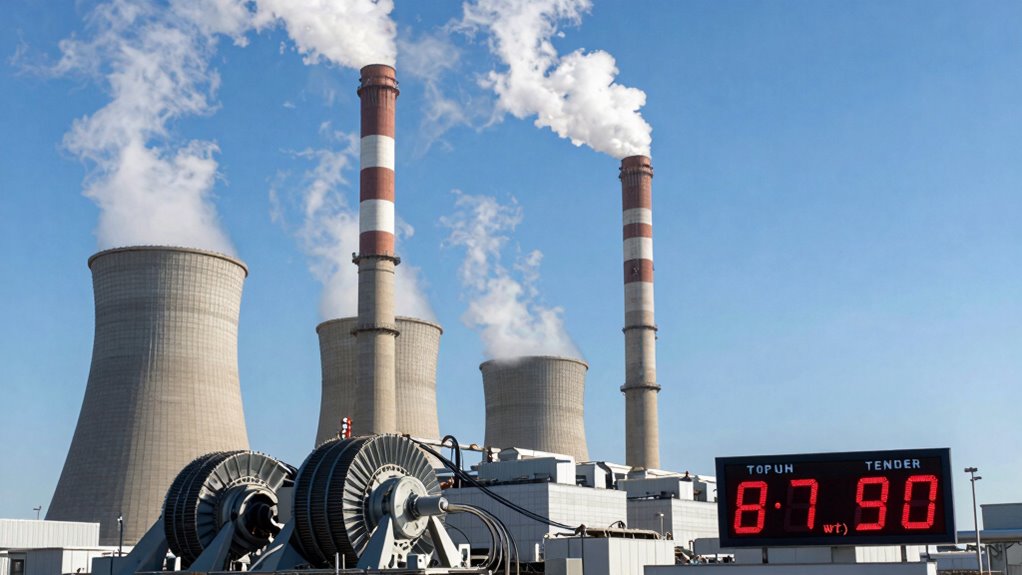
Have you ever wondered what the difference is between watts and watt-hours when it comes to power stations? It’s a common question, especially as more people get interested in renewable energy and how power stations contribute to power grid stability. Watts and watt-hours are related but serve different purposes in understanding energy and power. When you hear someone talking about a power station’s capacity or output, they might mention watts or watt-hours, and knowing the distinction helps you grasp how these stations operate and support the grid.
Watts measure the rate at which power is used or generated at a specific moment. Think of this as the power being delivered right now, like how quickly a car accelerates. For example, if a solar panel has a capacity of 300 watts, it means it can produce 300 joules of energy every second under ideal conditions. It’s a snapshot of how much power the station can supply at any instant. This measurement is essential for understanding the power station’s potential to support the grid during peak demand or when integrating renewable energy sources. Since renewable energy sources like solar and wind are variable, knowing their instantaneous output in watts helps grid operators balance supply and demand, maintaining power grid stability. Recognizing how the instantaneous power fluctuates helps in making quick adjustments to avoid blackouts or overloads. Additionally, understanding how these fluctuations impact the overall energy supply is crucial for planning long-term energy needs. Analyzing the power output patterns over time can help optimize energy storage and distribution strategies.
Watts indicate the current power being produced or used at any given moment.
On the other hand, watt-hours measure the total amount of energy produced or consumed over time. If your solar panel generates 300 watts for five hours, it produces 1,500 watt-hours, or 1.5 kilowatt-hours (kWh). This is like tracking how much fuel you’ve used over a trip — it sums up energy over a period rather than showing a quick snapshot. When evaluating a power station’s capacity, watt-hours tell you how much energy it can deliver over time, which is essential for planning and ensuring a steady supply of power, especially when relying on renewable energy sources. The more watt-hours a station can produce, the more energy it supplies overall, helping to meet the demands of homes, businesses, and industries. Understanding both measures allows for better planning of energy needs and resource allocation. Knowing the total energy output over time also helps in estimating operational costs and efficiency of renewable energy systems. This comprehensive understanding is key for integrating renewable sources into the grid effectively and sustainably.
Understanding these differences helps you see how power stations contribute to the broader energy system. Watt measurements are fundamental for real-time operations, while watt-hours reflect a station’s ability to provide consistent energy over longer periods. Both are paramount for managing renewable energy sources, which fluctuate based on weather and time of day. Knowing these concepts is crucial for understanding how power stations support the stability and sustainability of our energy grid, especially as renewable energy becomes more prevalent. Ensuring power grid stability depends on knowing both the immediate power output and accumulated energy, so your community can rely on a steady, sustainable supply of electricity.
portable power station with watt-hour capacity
As an affiliate, we earn on qualifying purchases.
As an affiliate, we earn on qualifying purchases.
Frequently Asked Questions
How Do Power Stations Generate Electricity on a Large Scale?
You see, power stations generate electricity on a large scale by burning fossil fuels like coal, natural gas, or oil, which heats water to produce steam. This steam turns turbines connected to generators, creating electricity. Renewable sources like wind, solar, and hydro also generate power by harnessing natural energy. Both methods produce electricity that’s then transmitted through the grid to homes and businesses.
What Are the Environmental Impacts of Different Power Station Types?
Think of power stations as different gardens; some flourish without harming the environment, while others might leave scars. Renewable energy plants, like wind and solar, have a tiny environmental footprint, producing clean power without pollution. Fossil fuel stations, however, release greenhouse gases and pollutants, impacting air quality and climate. Your choice influences the environment, making renewable energy a greener, more sustainable option for the future.
How Do Energy Storage Systems Relate to Watts and Watt-Hours?
Energy storage systems relate to watts and watt-hours by showing how much power they can handle and how long they can supply it. Your system’s energy capacity, measured in watt-hours, indicates how much energy it can store. Storage efficiency affects how much of that energy you actually get out when needed. So, a higher efficiency means less energy loss, giving you more reliable power over time.
What Is the Typical Lifespan of a Power Station?
A typical power station lasts between 30 to 50 years, depending on maintenance and technology upgrades. Regular power station maintenance helps extend its lifespan, ensuring safety and efficiency. Over time, fuel efficiency may decline, making upgrades or replacements necessary. Proper upkeep is crucial for maximizing lifespan, reducing environmental impact, and maintaining reliable electricity supply. You should plan for eventual upgrades to keep your power station operating effectively.
How Do Power Stations Influence Electricity Prices?
You see, power stations influence electricity prices by affecting grid stability and fuel efficiency. When a station runs smoothly and efficiently, it supplies electricity reliably, keeping prices stable. However, if a station struggles with fuel efficiency or threatens grid stability, costs rise, and those higher costs are passed on to you. So, well-maintained, efficient power stations help keep your electricity bills affordable while ensuring a steady supply.
Conclusion
Now you see how watts measure power at a moment, while watt-hours reveal energy over time. Watts show the speed of energy flow, and watt-hours show how long that energy lasts. Think of watts as a flash of lightning, quick and bright, and watt-hours as a steady glow, lasting through the night. Understanding both helps you grasp how power stations generate, store, and deliver energy—clarifying the flow, the duration, and the strength of electricity in your life.
Halloween Picks
halloween
As an affiliate, we earn on qualifying purchases.