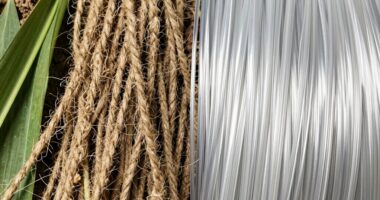

Bamboo fabric’s sustainability really depends on how it’s made, not just on the plant itself. While bamboo grows quickly with minimal resources, many fabrics are processed with toxic chemicals like carbon disulfide, harming the environment. Eco-friendly options use closed-loop systems that recycle water and chemicals, reducing pollution. To make responsible choices, look for reputable certifications like OEKO-TEX or GOTS. If you want to understand the full story behind bamboo’s eco impact, there’s more to discover.

Get your wardrobe favorites delivered free — and shop member deals
- Fast, free delivery on millions of items
- Access to Prime Big Deal Days deals on October 6–7
- Prime Video, Amazon Music and more included
Key Takeaways
- Not all bamboo fabrics are eco-friendly; processing methods and certifications determine sustainability.
- Traditional bamboo fabric production often involves toxic chemicals like carbon disulfide, harming the environment.
- Eco-friendly bamboo textiles use closed-loop processes that recycle chemicals and water, reducing pollution.
- Certifications such as GOTS or OEKO-TEX verify responsible manufacturing and environmental standards.
- Consumers should research brands and prioritize transparent, certified practices for truly sustainable bamboo fabrics.
Is bamboo fabric truly a sustainable choice? That’s a question many consumers ask as they seek eco-friendly options for their wardrobe. The truth is, bamboo has gained a reputation as a green alternative because it’s a fast-growing plant that requires minimal water and pesticides. But the sustainability of bamboo fabric depends largely on how it’s processed and certified. When you look for bamboo fabric certification, you’re checking to see if the product meets specific environmental standards, such as being free from toxic chemicals and produced with responsible practices. Certifications like OEKO-TEX or GOTS can give you assurance that the fabric has gone through eco-friendly processing, minimizing their environmental impact.
However, the journey from raw bamboo to finished fabric isn’t always as green as it seems. Traditional methods of turning bamboo into fabric often involve chemical-intensive processes, especially when producing viscose or rayon bamboo. These processes can be harmful to the environment because they use toxic substances like carbon disulfide, which can pollute soil and water if not managed properly. That’s why eco-friendly processing is essential in making bamboo fabric truly sustainable. Some manufacturers now adopt closed-loop systems that recycle chemicals and water, drastically reducing harmful emissions and waste. When you choose bamboo fabric made through such methods, you’re supporting a more sustainable approach that aligns with eco-conscious values.
Eco-friendly bamboo fabric relies on closed-loop processes that recycle chemicals and water, reducing environmental impact.
It’s also worth noting that not all bamboo fabrics are created equal. Some products are labeled as bamboo but are actually blends or processed with conventional, non-eco-friendly techniques. To ensure you’re making a responsible choice, look for clear certifications and transparent information from brands about their manufacturing practices. This way, you can confidently select bamboo fabric that genuinely prioritizes sustainability and minimizes environmental harm. Responsible manufacturing practices are crucial for ensuring the true eco-friendliness of bamboo fabric. Additionally, educating yourself about sustainable textile production can further enhance your ability to make environmentally conscious decisions.
Ultimately, bamboo fabric can be a sustainable option if it’s produced responsibly, with an emphasis on eco-friendly processing and proper certification. It’s up to you to do your research and choose brands committed to sustainable practices. Additionally, understanding the environmental impact of production methods can help you make more informed decisions. By doing so, you’re supporting a more eco-conscious industry and reducing your own environmental footprint. The key is staying informed and demanding transparency, so that your choices contribute to a greener future rather than unintended environmental damage.
Frequently Asked Questions
How Does Bamboo Fabric Compare to Organic Cotton in Sustainability?
You might wonder how bamboo fabric compares to organic cotton in sustainability. Bamboo cultivation impacts are generally lower because it grows quickly with minimal water and no pesticides. Organic cotton benefits include being grown without harmful chemicals and conserving soil health. While bamboo offers rapid growth and eco-friendly processing, organic cotton emphasizes chemical-free farming. Both are sustainable options, but your choice depends on whether you prioritize fast-growing crops or chemical-free cultivation practices.
Are There Eco-Friendly Dyes Used in Bamboo Fabric Production?
You’ll be glad to know that eco-friendly dyes are increasingly used in bamboo fabric production. These dyes avoid harmful chemicals and are often derived from natural sources, making the dyeing process safer for the environment. Manufacturers are adopting sustainable dyeing methods to reduce water and energy consumption. By choosing bamboo fabric treated with eco-friendly dyes, you support a more sustainable fashion industry and help minimize environmental impact.
What Is the Water Footprint of Bamboo Fabric Manufacturing?
You might wonder about the water footprint of bamboo fabric manufacturing. In reality, bamboo requires relatively low water consumption compared to other crops, making it more sustainable. Its manufacturing impact is generally moderate, with water use mainly during processing. By choosing bamboo fabric, you’re helping reduce water consumption and supporting eco-friendly practices, which can lessen the environmental impact associated with textile production.
Does Bamboo Fabric Release Microplastics During Washing?
When you wash bamboo fabric, microplastic release can occur, especially if the fabric contains synthetic fibers. These tiny particles shed during washing impacts, entering waterways and contributing to pollution. While bamboo viscose is mostly natural, some blends may release microplastics. To minimize this, use microfiber filters, wash at lower temperatures, and choose high-quality, eco-friendly bamboo fabrics. This helps reduce environmental harm caused by microplastic release during your laundry routine.
How Recyclable or Biodegradable Is Bamboo Fabric?
Imagine you’re stepping into the future, where bamboo fabric’s recyclability feels like discovering a hidden treasure. You’d find that its biodegradability assessment shows it naturally breaks down over time, making it eco-friendly. Its recycling potential varies depending on processing methods, but generally, bamboo can be repurposed or composted, reducing waste. You should always check local facilities, but overall, bamboo fabric supports sustainable living with proper care.
Conclusion
So, next time you pick up that bamboo T-shirt, remember it’s not as eco-friendly as it seems. You might be amazed to find out that what’s marketed as sustainable could actually be harming the environment more than you think. Ironically, your eco-conscious choice might be contributing to pollution and deforestation. So, before you buy, do a little digging—sometimes the greenest option isn’t what it appears to be. Stay informed, and don’t be fooled by the bamboo hype.
Fall Picks
fall essentials
As an affiliate, we earn on qualifying purchases.