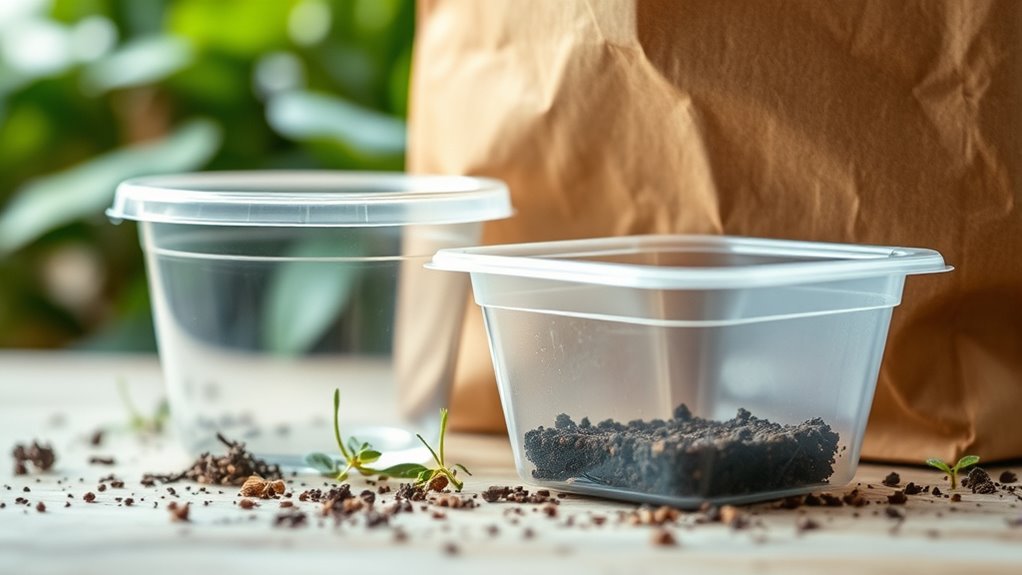

To be truly compostable, packaging must break down into natural elements within a specific timeframe without leaving toxic residues. It relies on microorganisms like bacteria and fungi to digest the material, requiring proper conditions such as moisture and oxygen. Made from renewable resources like cornstarch or cellulose, it’s designed to decompose naturally and support environmental sustainability. If you want to understand how these materials work together for eco-friendly waste, keep exploring further.

Get your wardrobe favorites delivered free — and shop member deals
- Fast, free delivery on millions of items
- Access to Prime Big Deal Days deals on October 6–7
- Prime Video, Amazon Music and more included
Key Takeaways
- It decomposes into natural elements within a specific timeframe without leaving toxic residues.
- It is made from renewable, environmentally friendly materials like cornstarch or cellulose.
- Microorganisms such as bacteria and fungi efficiently digest it under proper conditions like moisture and oxygen.
- It biodegrades at a similar rate to organic waste, ensuring timely breakdown in compost environments.
- It supports environmental sustainability by reducing plastic waste and contributing to nutrient-rich compost.
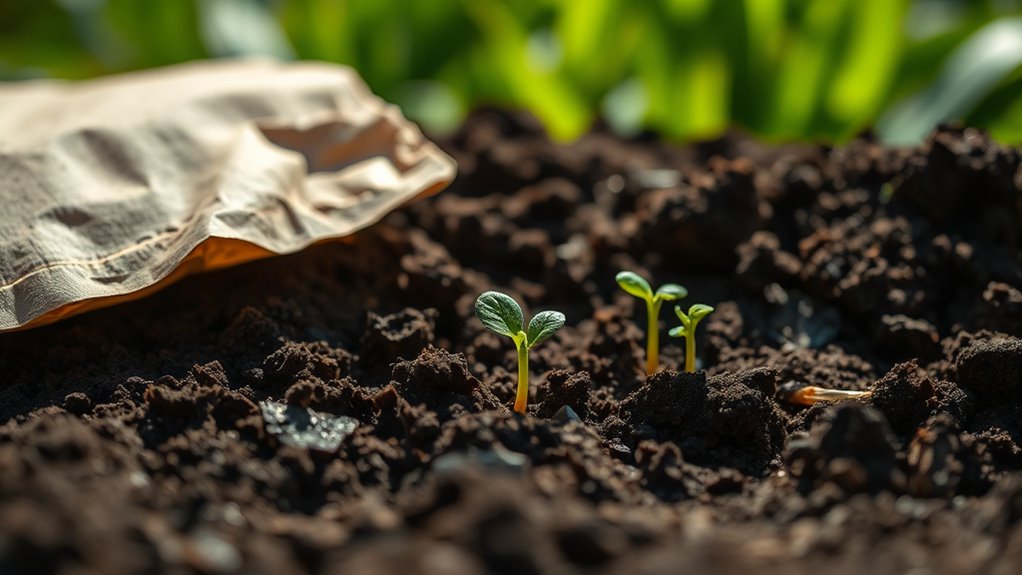
Have you ever wondered what happens to packaging after you throw it away? Many packaging items end up in landfills, where they can take years to break down, or worse, they contribute to environmental pollution. That’s where compostable packaging aims to make a difference. But what exactly makes it truly compostable? The answer lies in understanding the biodegradation process and the use of sustainable materials. When packaging is labeled as compostable, it means it can break down into natural elements within a specific timeframe, leaving no toxic residue. This process, known as biodegradation, involves microorganisms like bacteria and fungi digesting the material, transforming it into compost—rich, nutrient-dense soil that benefits plant growth. For packaging to be genuinely compostable, it must biodegrade at a rate similar to other natural organic materials, such as fruit peelings or grass clippings.
Compostable packaging breaks down naturally, leaving no toxins and enriching the soil.
The key to this swift and clean breakdown is the use of sustainable materials. Unlike traditional plastics derived from fossil fuels, compostable packaging is crafted from renewable resources, such as cornstarch, sugarcane, or cellulose. These materials are designed to naturally decompose without leaving harmful microplastics or toxins behind. When you dispose of compostable packaging in a compost bin, it begins the biodegradation process, which is facilitated by the right combination of moisture, oxygen, and microorganisms. The faster these elements come together, the quicker the packaging turns into valuable compost. Additionally, using biodegradable materials supports environmental sustainability by reducing reliance on non-renewable resources.
Furthermore, sustainable materials used in compostable packaging are selected not only for their biodegradability but also for their eco-friendly production methods. They typically require less energy to produce and generate fewer greenhouse gases compared to conventional plastics. This means that choosing packaging made from these materials supports a circular economy, where resources are reused and waste is minimized. When you opt for truly compostable packaging, you’re actively participating in reducing landfill waste and lowering your carbon footprint.
Additionally, advancements in technology are improving the biodegradation rates of compostable materials, making them even more effective in environmental sustainability efforts. The true value of compostable packaging hinges on its ability to undergo a complete biodegradation process driven by sustainable materials. It’s designed to return to the earth cleanly and quickly, nourishing the soil rather than polluting it. A better understanding of the biodegradation process can help consumers and producers ensure that compostable packaging performs as intended and minimizes environmental impact. By understanding these elements, you can make more informed choices, ensuring that the packaging you use aligns with environmental goals and promotes a healthier planet.
Top picks for "compostable packag truly"
As an affiliate, we earn on qualifying purchases.
Frequently Asked Questions
How Long Does Compostable Packaging Take to Decompose Naturally?
When wondering about the decomposition timeline of compostable packaging, you should know it typically takes around 90 to 180 days for natural breakdown, depending on conditions. Your environment plays a big role—warm, moist compost accelerates this process. Unlike traditional plastics, compostable packaging is designed to break down faster, returning to the earth without leaving harmful residues, making it a sustainable choice for eco-conscious practices.
Can Compostable Packaging Be Recycled Alongside Traditional Plastics?
You can’t recycle compostable packaging with traditional plastics because of recycling compatibility and material differentiation. Compostable materials are designed to disintegrate in composting environments, not in recycling facilities that process plastics. Mixing these materials can contaminate recycling streams and hinder proper processing. To guarantee proper disposal, always check packaging labels and dispose of compostables in designated compost bins, keeping them separate from conventional plastics for effective recycling and composting.
What Certifications Ensure Packaging Is Truly Compostable?
When choosing compostable packaging, you want to look for certification standards that guarantee its compostability. These standards, like ASTM D6400 or EN 13432, ensure the packaging meets specific testing requirements for biodegradation and disintegration within a certain timeframe. By verifying these certifications, you can confidently recognize that the packaging you’re using is truly compostable and will break down effectively in composting environments.
Does Compostable Packaging Require Industrial Composting Facilities?
Imagine your packaging breaking down gently in your backyard or an industrial facility. Compostable packaging doesn’t always require industrial processing; many are designed for home composting, where natural conditions speed up decomposition. However, some materials need the controlled environment of industrial composting to fully break down. So, whether at home or in industrial facilities, check the packaging’s specifications to guarantee it composts properly in your preferred setting.
Are There Any Health Risks Associated With Compostable Packaging?
You might wonder if compostable packaging poses health risks. Generally, it’s designed to be safe for food contact, but some types could cause concerns like chemical leaching if they contain additives or unfamiliar materials. To guarantee food safety, always check certifications and avoid packaging with questionable ingredients. When properly composted, these materials break down safely, minimizing health risks and supporting a healthier environment.
Conclusion
So, next time you toss that “compostable” container in the bin, remember: true compostability isn’t just about breaking down fast—it’s about breaking down responsibly. Don’t be fooled by shiny labels claiming eco-friendliness; some packaging might just be pretending to be green while sticking around longer than your patience at a traffic light. Choose genuinely compostable options, or you might as well toss it in the trash and call it a day—after all, who’s really watching?
Fall Picks
fall essentials
As an affiliate, we earn on qualifying purchases.