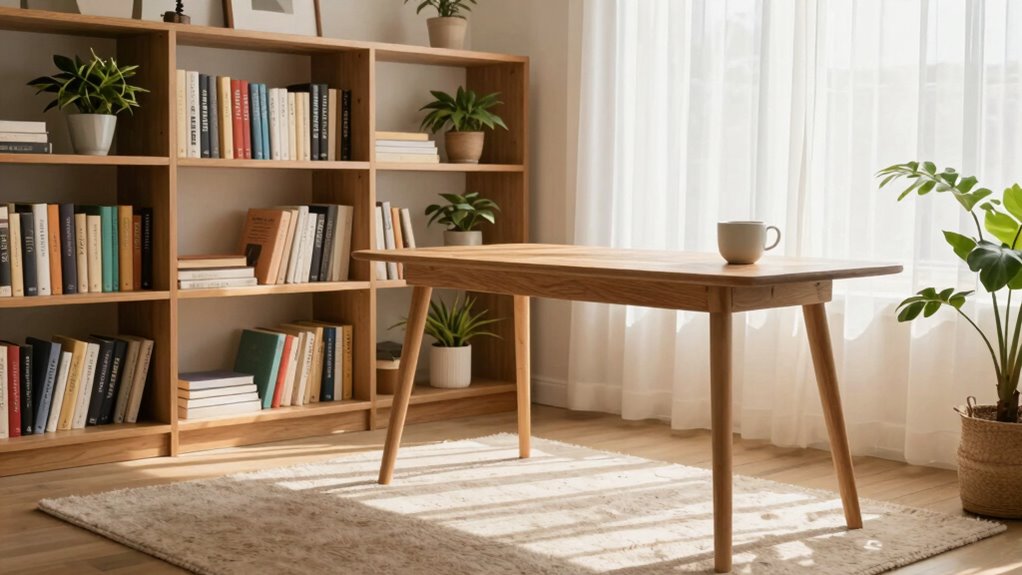

Mindful decluttering helps you keep the items that truly bring joy and hold meaningful value, while gently releasing the things that drain your energy. By staying aware of your emotional attachments and making thoughtful decisions, you can create a peaceful, inspiring space that supports your mental wellbeing. Focus on small, intentional steps, and celebrate progress along the way. If you’re ready to transform chaos into calm, there’s more to discover about keeping the magic while losing the mess.
Key Takeaways
- Practice mindful sorting by assessing emotional responses and asking if items spark joy or hold true value.
- Set small, achievable decluttering goals to prevent overwhelm and maintain focus.
- Recognize emotional attachments, such as nostalgia, to foster compassionate decision-making.
- Incorporate reflection techniques like journaling to clarify reasons for holding onto items.
- Create a clutter-free space to support mental clarity, emotional stability, and overall wellbeing.
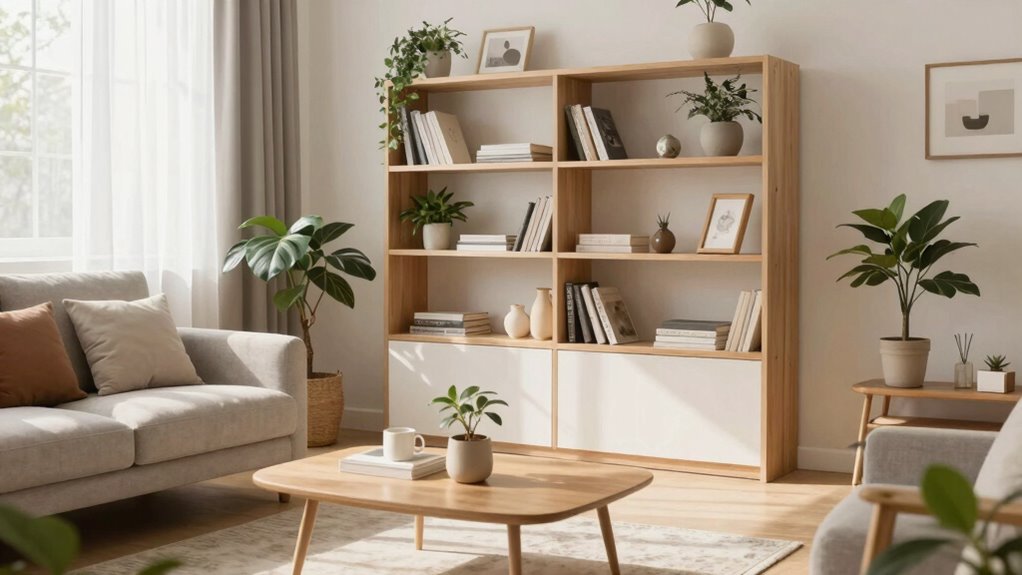
Have you ever considered how clutter affects your mental clarity? It’s easy to overlook how the things around you influence your mood, focus, and overall sense of peace. When your space is overwhelmed with possessions, even small tasks can feel exhausting. That’s where mindful decluttering comes in—approaching the process with awareness and intentionality. One of the biggest hurdles in decluttering is emotional attachment. You might find yourself holding onto items because they remind you of a special moment, a person, or a period in your life. While these keepsakes carry sentimental value, they can also contribute to chaos and mental clutter. Recognizing this emotional attachment is essential; it’s the first step toward making mindful choices about what to keep and what to let go.
Emotional attachments can hinder decluttering, but recognizing them is the first step toward creating a peaceful, clutter-free space.
Using decluttering techniques that honor your feelings helps make the process less overwhelming. For example, you can start by sorting items into categories—keep, donate, recycle, or discard. When you handle each item, ask yourself how it makes you feel. Does it spark joy, or does it simply carry a memory that no longer serves you? By tuning into your emotional response, you create a space where your decisions come from awareness rather than obligation or guilt. Incorporating psychological insights into your approach can further enhance your ability to make mindful decisions and foster emotional resilience. This approach fosters a sense of control and respect for your feelings, making the process more manageable and meaningful. In addition, understanding narcissistic behavior and its impact on emotional attachments can help you recognize patterns that influence your decision-making during decluttering.
It’s important to remember that decluttering isn’t about perfection. Instead, it’s about creating an environment that supports your wellbeing. As you go through your possessions, take time to reflect on why you’re holding onto certain items. Sometimes, you might realize that an emotional attachment is rooted in nostalgia or fear of letting go. Recognizing these reasons allows you to approach the task with compassion for yourself. You might find that journaling about your feelings or talking with a friend helps shed light on what truly matters. Over time, you’ll develop your own decluttering techniques—like setting small goals or scheduling regular sessions—that keep you connected to your intentions. Incorporating emotional awareness into your decluttering process can help you navigate difficult decisions with greater ease. Developing this skill can also deepen your understanding of how mental clutter impacts your overall wellbeing, ultimately leading to more mindful living. Being aware of the connection between home environment and mental health can make these efforts even more impactful.
Ultimately, mindful decluttering is a journey of self-awareness. It encourages you to examine your emotional attachments and choose to keep only what genuinely adds value to your life. As you clear away the unnecessary, you create a space where clarity and calm can flourish. The magic of your surroundings becomes more accessible when clutter no longer distracts or drains you. By approaching decluttering with mindfulness, you transform a formidable task into an empowering act—one that nurtures your mental health and helps you cherish the things that truly matter.
mindful decluttering storage bins
As an affiliate, we earn on qualifying purchases.
As an affiliate, we earn on qualifying purchases.
Frequently Asked Questions
How Long Does a Typical Mindful Decluttering Session Take?
A typical mindful decluttering session lasts about 30 minutes to an hour, depending on your space and goals. You’ll want to incorporate good time management, setting clear boundaries to stay focused. These decluttering rituals help you stay present and intentional, making the process more effective and calming. Remember, it’s better to do shorter, consistent sessions than long, exhausting ones—this keeps the magic alive without feeling overwhelming.
Can Mindful Decluttering Improve Mental Health?
Clearing your space can gently boost your mental health by reducing stress and easing emotional attachment to clutter. When you approach decluttering mindfully, you create a calm environment that encourages relaxation and clarity. This process helps you let go of unnecessary items, fostering emotional release. As a result, you’ll notice improved mood, less anxiety, and a stronger sense of control, making your daily life more peaceful and balanced.
What Tools or Supplies Are Essential for Mindful Decluttering?
To start mindful decluttering, you need organizational systems that suit your space and storage solutions like bins, baskets, or shelves. These tools help you categorize and easily access items, reducing stress. A journal or checklist can keep you focused and intentional. Keep a trash bag nearby to discard what no longer serves you. With these essentials, you create a calm, clutter-free environment that supports your mental clarity and well-being.
How Do I Handle Sentimental Items During Decluttering?
Handle sentimental items with heartfelt honesty, helping you halt decision fatigue. Start by setting a specific, serene space for sentimental sorting, allowing emotional attachment to surface without overwhelm. Ask yourself if each item sparks joy or holds meaningful memory. If it does, cherish it, but if not, let it go with grace. This mindful method transforms emotional attachment into meaningful memories, making decluttering a delicate dance of discovery and release.
Is Mindful Decluttering Suitable for Large Homes or Small Apartments?
Mindful decluttering works well for both large homes and small apartments. In larger spaces, you can focus on creating designated storage solutions to minimize clutter and enhance flow. In smaller apartments, it helps tackle decluttering challenges by prioritizing essential items and maximizing vertical storage. By being intentional with your choices, you’ll keep your space organized and peaceful, regardless of size, making your environment more functional and enjoyable.
Conclusion
By embracing mindful decluttering, you turn your space into a sanctuary rather than a storage unit. As you let go of the excess, you make room for what truly matters, like sunlight breaking through cloudy skies. Remember, decluttering isn’t about perfection; it’s about creating harmony. Keep the magic alive by cherishing what brings you joy and releasing what no longer serves you. Your clutter-free space reflects a clearer, calmer mind—so go ahead, make room for your best self to shine.