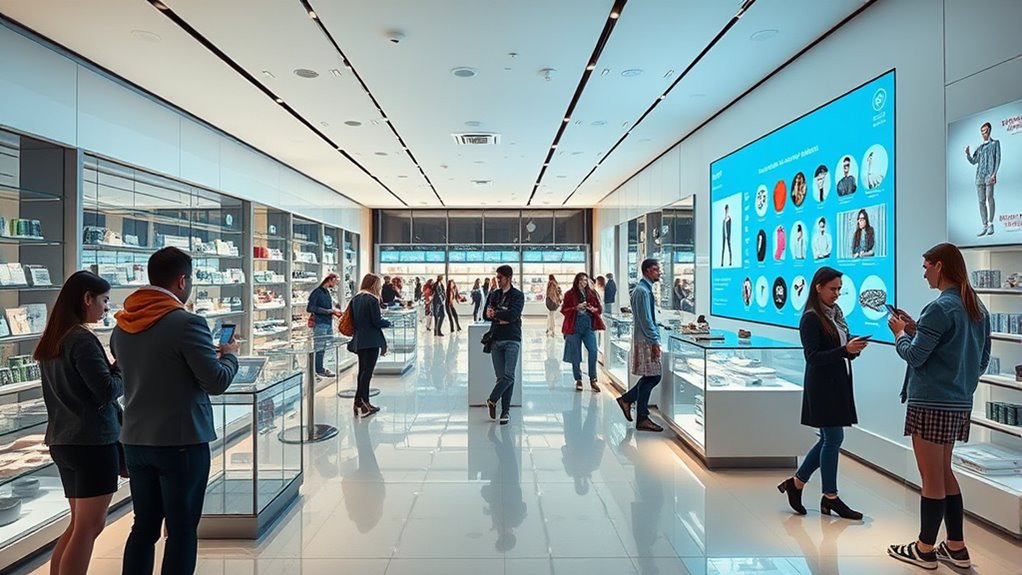

Omnichannel retail connects your online and physical stores into a seamless shopping experience. It uses real-time supply chain data and personalized insights to show accurate inventory, offer fast delivery, and let customers switch effortlessly between channels. By integrating these systems, you’ll meet your customers’ expectations for convenience and personalization. If you keep exploring, you’ll discover how technology and data power this unified approach to better serve your customers and boost your business.
Key Takeaways
- Integrating supply chain systems enables real-time inventory management across online and physical stores.
- Personalization enhances customer experience by tailoring recommendations and offers across all channels.
- Technology-driven data analytics help anticipate demand and optimize stock levels for seamless shopping.
- Unified processes allow flexible options like in-store pickup, home delivery, and effortless returns.
- Minimalist, synchronized systems ensure consistent, efficient, and personalized interactions across digital and brick-and-mortar platforms.
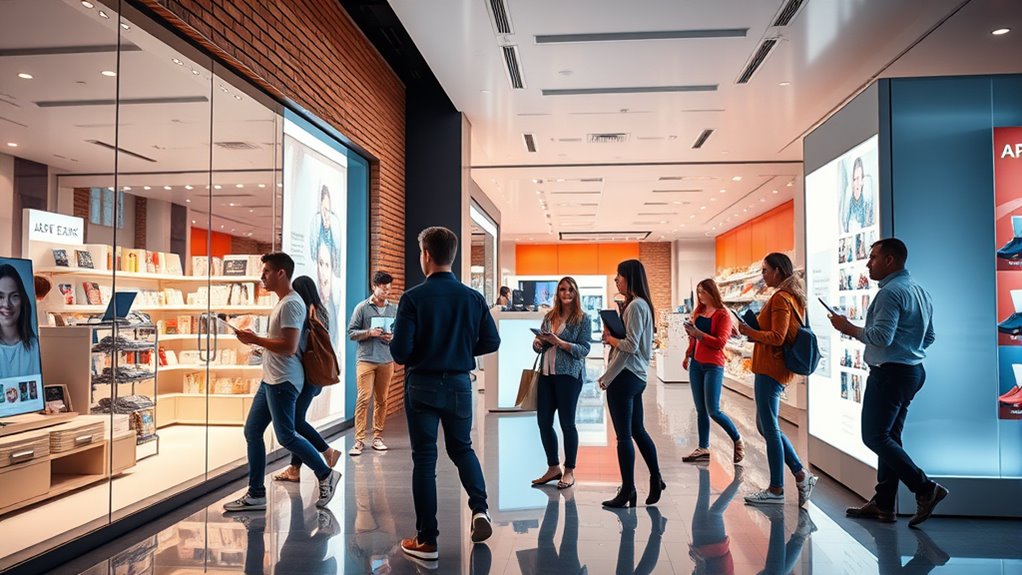
Have you ever wondered how modern retailers seamlessly connect with you across multiple channels? It’s no accident; it’s the result of sophisticated strategies that prioritize customer experience. At the core of this approach lies customer personalization—tailoring your shopping journey based on your preferences, behaviors, and purchase history. Retailers analyze your browsing habits, previous orders, and even social media activity to deliver relevant product recommendations, targeted promotions, and personalized content. This level of customization makes you feel understood and valued, encouraging loyalty and repeat business. But delivering this personalized experience isn’t just about data; it requires a robust supply chain integration that synchronizes inventory, logistics, and sales channels in real-time.
Modern retail connects seamlessly across channels through personalization and real-time supply chain integration.
Supply chain integration acts as the backbone of omnichannel retail, ensuring that whether you shop online, in-store, or through a mobile app, the information and products are consistently updated and available. When you place an order online for an item available in a nearby store, the system instantly checks inventory levels across all locations. If the product is in stock, you might have the option to pick it up in-store or have it shipped directly to your home. This seamless coordination relies on interconnected systems that share data instantly, eliminating delays and reducing stockouts. It also enables retailers to manage returns efficiently across channels, providing you with a hassle-free experience. Additionally, supply chain visibility plays a crucial role in proactively addressing potential disruptions and ensuring a smooth shopping experience. Incorporating real-time analytics can further enhance decision-making and responsiveness within these interconnected systems. Moreover, data-driven insights help retailers anticipate demand fluctuations and adapt their strategies accordingly.
By integrating their supply chain, retailers can optimize inventory management, reduce excess stock, and respond quickly to changing demand patterns. For you, this means more accurate product availability information, faster delivery times, and the ability to switch between shopping channels effortlessly. When you visit a physical store and see a product you like, the retailer can instantly check if it’s available online or at other locations, often offering to deliver it to your doorstep or reserve it for pickup. This interconnectedness makes your shopping experience smoother and more flexible, blending the convenience of digital with the tangible feel of in-person shopping.
Ultimately, the success of omnichannel retail hinges on how well companies integrate their supply chain and personalize your shopping journey. The more synchronized their systems are, the better they can anticipate your needs and deliver a consistent, tailored experience across every touchpoint. It’s about creating a unified environment where your preferences guide every interaction, and your shopping journey feels seamless, whether you’re browsing on your device or visiting a brick-and-mortar store. This integration isn’t just technological; it’s about understanding you as a customer and making every step of your retail experience effortless and enjoyable. Additionally, minimalist principles can be applied to streamline processes and reduce unnecessary complexity within the supply chain, leading to more efficient operations and a better customer experience.
Frequently Asked Questions
How Does Omnichannel Retail Affect Small Businesses?
Omnichannel retail impacts your small business by helping you gather local customer insights, so you better understand what your community wants. It also requires you to focus on inventory synchronization, ensuring your online and physical store stock levels match. This approach can boost sales and customer loyalty, but it also demands more technology and coordination. Embracing omnichannel strategies can give you a competitive edge and grow your business effectively.
What Are the Key Technologies Enabling Omnichannel Strategies?
You might think technology is complex, but key tools like augmented reality and RFID technology simplify your omnichannel efforts. Augmented reality lets customers visualize products in real life, bridging online and in-store experiences. RFID tracks inventory seamlessly, ensuring your stock levels are accurate across channels. These technologies work together, making it easier for you to connect with customers wherever they are, creating a smooth, integrated shopping experience that boosts your business.
How Can Retailers Measure Omnichannel Success Effectively?
To measure omnichannel success, you should focus on customer engagement metrics like repeat purchases and cross-channel interactions, which reveal how well your strategies resonate. Additionally, track inventory optimization to guarantee stock levels meet demand across channels efficiently. By analyzing these metrics, you get clear insights into your omnichannel performance, helping you refine your approach and deliver a seamless shopping experience that boosts loyalty and sales.
What Challenges Do Retailers Face When Integrating Online and Offline Data?
Think of integrating online and offline data as fitting puzzle pieces together; it’s tricky but rewarding. You face challenges like ensuring inventory synchronization, so stock info stays accurate across channels. Data privacy also looms large, requiring strict safeguards to protect customer info while sharing insights. Balancing these issues can feel like walking a tightrope, but with careful planning, you can create a seamless, unified retail experience that delights your customers.
How Does Omnichannel Retail Impact Customer Loyalty and Retention?
You see, omnichannel retail boosts customer loyalty and retention by enhancing customer engagement across all touchpoints. When you provide a seamless experience, customers feel valued and connected to your brand, encouraging repeat business. Consistent brand messaging builds trust and familiarity, making them more likely to stay loyal. Ultimately, integrating online and offline channels creates a unified shopping journey that keeps customers coming back.
Conclusion
By embracing an omnichannel approach, you can create a seamless shopping experience that keeps customers engaged across all platforms. Did you know that 87% of shoppers want a consistent experience whether they shop online or in-store? This highlights the importance of integrating your channels effectively. When you bridge online and brick-and-mortar, you’ll boost customer satisfaction, loyalty, and sales—all vital for staying competitive in today’s retail landscape.