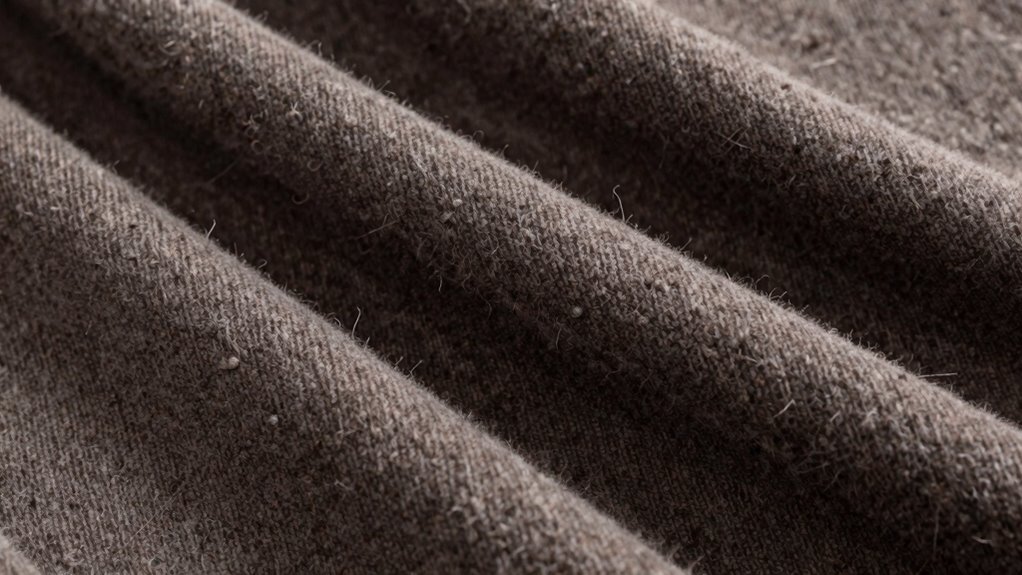

When evaluating cashmere quality, consider ply, fiber length, and pilling. Single-ply cashmere feels lighter, while multi-ply is stronger and more durable. Longer fibers, ideally over 30mm, produce smoother, softer, and longer-lasting fabrics that resist pilling better. Pilling can happen even with high-quality cashmere but tends to be less with well-processed, ethically sourced fibers. To make an informed choice, understanding these factors can help you select garments that are soft, resilient, and ethically produced—discover more insights ahead.

Get your wardrobe favorites delivered free — and shop member deals
- Fast, free delivery on millions of items
- Access to Prime Big Deal Days deals on October 6–7
- Prime Video, Amazon Music and more included
Key Takeaways
- Longer fibers (>30mm) produce smoother, more durable, and less pill-prone cashmere fabrics.
- Single-ply cashmere is lightweight and soft but less durable; multi-ply offers increased strength and resilience.
- Proper processing and spinning reduce pilling, regardless of fiber quality, enhancing longevity.
- Ethical sourcing from regions like Mongolia ensures higher fiber quality and sustainable production practices.
- High-quality cashmere resists pilling longer and maintains softness when fibers are well-spun and carefully processed.
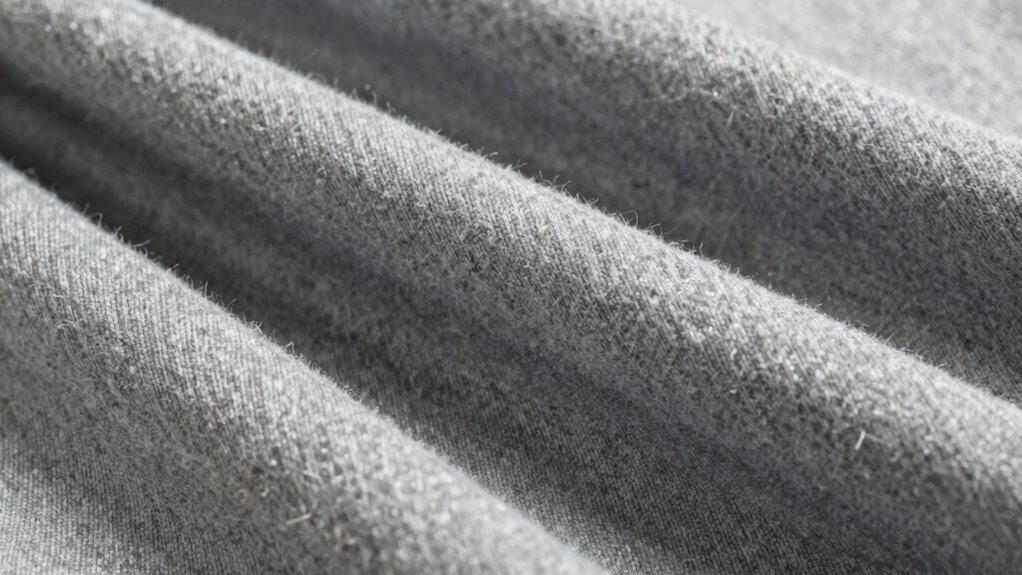
Have you ever wondered what makes certain cashmere feel softer and more luxurious than others? The secret lies in the quality of the fibers, which is influenced by factors like ply, fiber length, and how well the material resists pilling. When shopping for cashmere, understanding these elements can help you make smarter choices and guarantee you get a product that’s truly worth the investment. One of the most significant aspects is cashmere sourcing. High-quality cashmere comes from goats that are ethically raised in specific regions, such as Mongolia and Inner Mongolia, where the climate produces finer fibers. Ethical production isn’t just about animal welfare; it also impacts fiber quality. When the sourcing process respects the animals and the environment, it results in fibers that are cleaner, softer, and more consistent. Brands committed to ethical production often work directly with local herders, ensuring sustainable practices and fair wages, which in turn fosters better quality fibers. Additionally, the fiber length of the cashmere plays a crucial role in its overall durability and appearance. Ply, or the number of threads twisted together, also plays an essential role in cashmere quality. Single-ply cashmere is lightweight and soft but can be more delicate, while multi-ply options are thicker and more durable. The right ply depends on your preferences—if you want something lightweight and luxurious, a single-ply might be ideal. However, for everyday wear and longevity, two-ply or even three-ply cashmere offers more strength without sacrificing much softness. Fiber length is another critical factor. Longer fibers tend to produce a smoother, more lustrous fabric that resists pilling better than shorter fibers. Short fibers are more prone to breaking and pilling, which can make a cashmere piece look worn out quickly. When you’re selecting cashmere, look for garments made from fibers that are at least 30mm long, as they tend to produce a finer, more durable fabric. Proper processing and spinning techniques can also influence the fiber quality, affecting how well the cashmere resists pilling and maintains its softness over time. A well-processed fiber ensures the integrity of the material, leading to longer-lasting wear. Pilling is often seen as a sign of lower quality, but it’s not always the case. Properly processed and spun fibers can still pill, especially if the cashmere is subjected to friction. However, high-quality cashmere, with longer fibers and proper ply, tends to pill less and maintain its softness longer. Choosing fibers with longer fiber length can significantly improve the durability and appearance of your cashmere garments. Understanding the sustainable sourcing of cashmere can also help you make more environmentally conscious choices. Ultimately, investing in ethically sourced, well-constructed cashmere guarantees you’re getting a product that’s luxurious, durable, and responsibly made. When you choose wisely, you’ll enjoy the warmth and softness of your cashmere pieces for years to come, knowing you’ve supported sustainable practices along the way.
As an affiliate, we earn on qualifying purchases.
Frequently Asked Questions
How Can I Tell Genuine Cashmere From Synthetic Blends?
To tell genuine cashmere from synthetic blends, check the price—authentic cashmere usually costs more due to its luxury status. Feel the fabric; real cashmere is soft, lightweight, and warm, while blends often feel coarser. Look at the brand reputation; reputable brands are more likely to sell genuine cashmere. You can also perform a simple burn test or check for loose fibers, but trust your instincts and choose quality over cheap alternatives.
Does Higher Ply Always Mean Better Quality?
Is higher ply always better? Think of it like a luxury brand’s logo—more isn’t always more meaningful. Higher ply can suggest thicker fabric, but it doesn’t guarantee superior quality. When comparing prices, remember that a higher ply might inflate the cost without improving softness or durability. Focus on fiber length and craftsmanship instead, as these factors truly influence cashmere’s luxurious feel and longevity.
What Is the Best Way to Care for Cashmere Garments?
To care for your cashmere garments, handle them gently by hand washing or using a delicate cycle in cold water. Use a mild detergent designed for luxury branding, and avoid wringing. Lay your cashmere flat to dry, away from direct heat. Regularly brush with a cashmere comb to prevent pilling. Choose brands committed to sustainable sourcing, ensuring your luxury pieces stay soft, beautiful, and eco-friendly for years to come.
How Does Fiber Length Affect Cashmere Durability?
Longer fiber length enhances cashmere’s durability because it increases fiber density, making the fabric stronger and less prone to pilling. With greater fiber length, your cashmere garment resists wear and tear better over time. Additionally, longer fibers improve moisture resistance, helping your clothing stay fresh and maintain its softness. So, selecting cashmere with longer fibers guarantees your pieces last longer and stay comfortable, even after repeated wears and washes.
Can Pilling Be Completely Prevented in Cashmere?
Pilling in cashmere is like trying to stop a waterfall—nearly impossible to prevent entirely. While you can’t eliminate pilling completely, proper cashmere sourcing with high-quality fibers and pilling prevention techniques can substantially reduce it. Regular gentle hand washing, avoiding friction, and using fabric shavers help maintain your cashmere’s smoothness. Though no method guarantees zero pills, these steps keep your sweater looking fresh and luxurious longer.
Conclusion
When choosing cashmere, focus on ply, fiber length, and pilling to guarantee quality. Understand that higher ply doesn’t always mean better, longer fiber means softer and more durable, and minimal pilling indicates superior craftsmanship. By comparing these factors, you can make smarter choices, wear your cashmere longer, and enjoy its luxurious feel. Remember, quality cashmere isn’t just about price — it’s about the details that make it timeless, comfortable, and truly worth the investment.
Halloween Picks
halloween
As an affiliate, we earn on qualifying purchases.