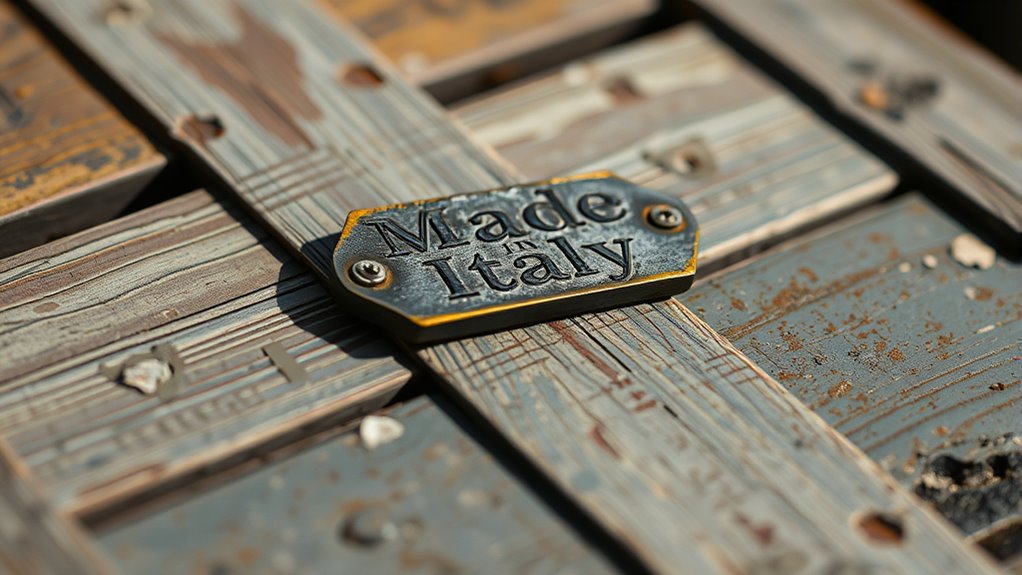

A “Made In” label reveals more than just where a product comes from; it shows the manufacturing standards, craftsmanship, and cultural heritage behind it. It can indicate quality, authenticity, and the level of craftsmanship involved. However, it doesn’t guarantee perfection, as many brands source parts from different regions. Understanding what “Made In” truly signifies helps you make smarter choices and appreciate the story behind what you buy—if you look closer, plenty more awaits.
Key Takeaways
- “Made In” indicates the country where a product was assembled or significantly crafted, reflecting its origin.
- It hints at the manufacturing standards, craftsmanship, and cultural heritage associated with that region.
- The label can symbolize authenticity and quality, especially in regions known for artisanal or luxury goods.
- It helps consumers assess product safety, durability, and alignment with personal or ethical values.
- However, “Made In” doesn’t guarantee quality; components may come from multiple countries, making thorough research important.

Have you ever wondered what a product’s country of origin really reveals about its quality or craftsmanship? “Made In: What It Tells You” explores how labels indicating where a product is manufactured can provide insights into its ingredients, standards, and even the values behind it. When you see a product labeled as made in a specific country, it’s natural to question what that actually means for you as a consumer. One key aspect is quality assurance. Many countries have rigorous manufacturing standards, ensuring that products meet certain safety and durability benchmarks. For example, if a luxury watch is made in Switzerland, you can typically expect high precision and meticulous craftsmanship backed by strict quality controls. Conversely, a product labeled as made in a country with less regulatory oversight might raise questions about consistency and safety. Recognizing these differences helps you make more informed choices and set realistic expectations.
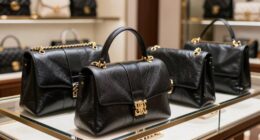
Beyond quality, the country of origin also carries cultural significance that can influence your perception of a product. Certain regions have developed reputations for particular skills or artistic traditions over generations. When you see a handmade Italian leather bag or Japanese ceramics, you’re not just identifying where it was made—you’re acknowledging a heritage of craftsmanship and cultural pride. These labels often serve as a symbol of authenticity, connecting you to centuries of tradition. Understanding this cultural significance allows you to appreciate the story behind each item, rather than simply viewing it as a commodity. It can turn a purchase into a meaningful experience, fostering a deeper respect for the artisans and communities that produce these goods. Additionally, awareness of manufacturing standards can help you better assess the reliability and safety of products from different regions.
However, it’s important to remember that a “Made In” label isn’t a guarantee of quality or authenticity on its own. Some countries have made efforts to improve their manufacturing standards, and many brands source components from multiple regions. Still, the label can be a useful starting point for research. Knowing the country of origin can guide you toward products that align with your values, whether that’s supporting local craftsmanship, ensuring high standards, or appreciating cultural heritage. Ultimately, being aware of what “Made In” conveys empowers you to look beyond superficial impressions and make choices rooted in quality assurance and cultural understanding. It’s not just about where something comes from—it’s about what that origin says about the story, standards, and craftsmanship behind each product you consider.
Frequently Asked Questions
Does “Made In” Indicate Product Quality or Safety Standards?
“Made in” doesn’t necessarily guarantee quality or safety standards, but it does reflect a product’s brand reputation and cultural significance. You should consider where it’s made because some countries uphold strict quality controls, while others may not. That said, don’t rely solely on the label—research the brand and manufacturing practices to ensure the product meets your safety expectations. Ultimately, “Made in” offers insight, but it’s up to you to explore further.
Can “Made In” Labels Be Misleading or False?
You should know that about 10% of products worldwide have misleading “Made In” labels, which can distort branding authenticity and cultural implications. Labels can be false or misleading, intentionally or not, impacting consumer trust. This deception affects how you perceive product quality and origins, emphasizing the importance of verifying the origin through trusted sources. Recognizing misleading labels helps you make informed choices and supports genuine branding efforts.
How Does the Country of Origin Impact Product Pricing?
The country of origin affects product pricing because shipping costs and trade tariffs vary by location. If your product comes from a country with high tariffs or lengthy shipping routes, the price increases to cover these expenses. Conversely, products from closer or tariff-free regions tend to be cheaper. You’ll notice these factors influence the final cost, making some items more expensive depending on their origin.
Are There International Regulations Governing “Made In” Labels?
Yes, there are international regulations governing “Made In” labels. Trade agreements and customs standards set rules to guarantee labeling accuracy, preventing false claims about a product’s origin. Countries like the U.S. and those in the European Union enforce strict standards to protect consumers and maintain fair trade. You’re advised to check these regulations, as labeling inaccuracies can lead to legal issues and affect your trust in the product’s authenticity.
What Are the Consumer Rights Related to “Made In” Information?
You have the right to clear and accurate “Made In” information, which boosts your consumer awareness and helps you make informed choices. Regulations aim to guarantee labeling accuracy, so you can trust that the product’s origin matches what’s on the label. If you suspect false labeling, you can report it. Always check labels carefully, and remember, truthful “Made In” details are your right as a consumer.
Conclusion
Just like the Greek myth of Pandora’s box, “Made In” reveals both the wonders and the warnings behind a product’s origin. It’s your key to understanding quality, ethics, and history—all wrapped in a simple label. Don’t just see “Made In” as a mark; see it as a story waiting to be uncovered. So next time you pick up something, remember, you hold the power to choose what’s behind the label’s mystery.