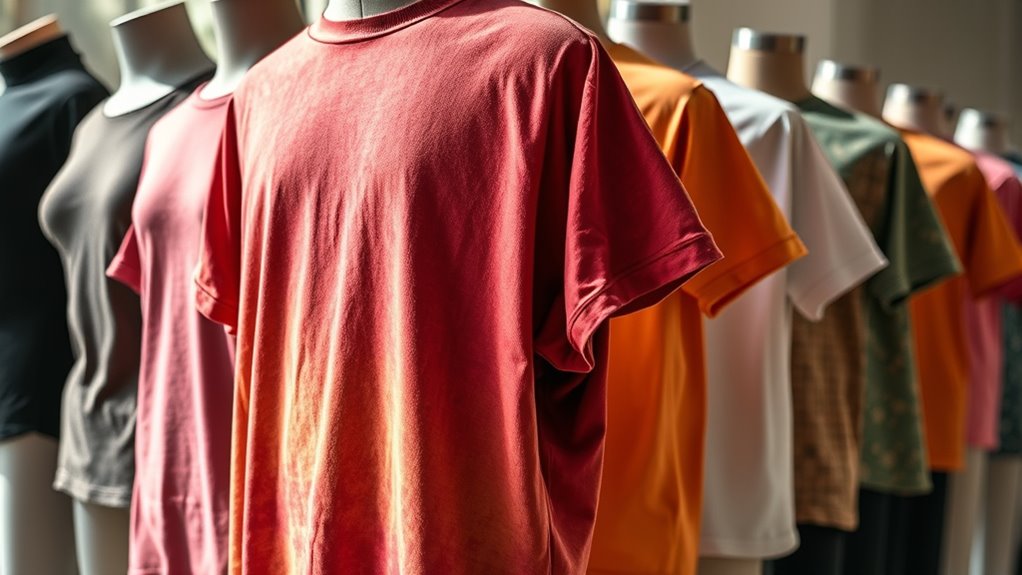

“One-size-fits-all” products promise simplicity, but they often lead to discomfort and frustration because they assume everyone has the same body shape and size. In reality, human bodies are diverse, and generic sizing rarely fits well or stays comfortable. Poor fit can cause wear, restrict movement, or reduce effectiveness. If you want to understand why these claims fall short and what better options exist, keep exploring the full story.
Key Takeaways
- “One-size” products often promise a universal fit but rarely accommodate diverse body shapes and sizes effectively.
- Standard sizing assumptions overlook individual differences, leading to discomfort and poor fit for many users.
- Manufacturing limitations and generic sizing charts result in inconsistent fits and reduced product performance.
- Poor fit from “one-size” items can cause increased wear, decreased durability, and diminished functionality.
- Tailored, adjustable, or inclusive options better address unique physical traits and improve overall comfort.
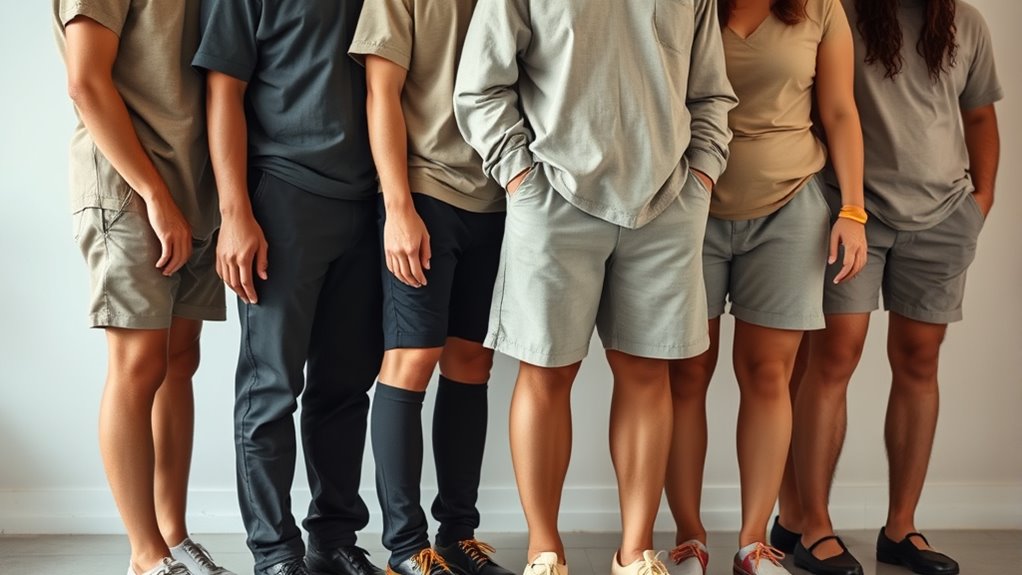
Many products marketed as “one‑size‑fits‑all” give the false impression that they’ll work perfectly for everyone. In reality, this labeling often oversimplifies the complex reality of human bodies and preferences. When you choose a “one-size” item, you might expect it to fit comfortably and function well, but you’re likely to encounter the truth: significant customization challenges and sizing inconsistencies. These issues stem from the fact that no two people are exactly alike, and clothing, accessories, or gear designed under a “one-size” label can’t account for all those differences.
One-size products often fail to fit the diverse needs and sizes of all users.
One of the main problems is that “one-size” items often assume a standard body shape or size, which doesn’t reflect the diversity among consumers. For example, a hat labeled “one-size” might fit snugly on your head but be too tight for someone with a larger skull, or too loose for someone with a smaller head. Similarly, a pair of “one-size-fits-all” gloves might be uncomfortable for those with larger or smaller hands. This leads to sizing inconsistencies that can frustrate you, as you struggle to find a comfortable fit or question whether the product is truly suitable for you.
The challenge of customization becomes evident because manufacturers often rely on generic sizing charts or limited data, which can’t accurately represent the full spectrum of body types. As a result, they attempt to create a single size that covers the “average,” but in doing so, they leave many individuals out of the ideal fit. This mismatch can cause discomfort, restrict movement, or diminish the product’s effectiveness. For instance, a one-size backpack might not accommodate your specific torso length or shoulder width, making it uncomfortable to wear for extended periods. Additionally, the lack of personalization options can make it difficult for consumers to find truly suitable products. A lack of adjustability features further compounds these issues, making it more challenging to achieve a comfortable fit.
Furthermore, sizing inconsistencies don’t just impact comfort—they also affect durability and functionality. When a product doesn’t fit properly, it’s more prone to wear and tear because of uneven pressure or strain. A poorly fitting “one-size” item may not serve its purpose well, whether it’s a piece of clothing, safety gear, or a household product. You might find yourself constantly adjusting or replacing items that don’t meet your needs, which defeats the convenience promised by “one-size-fits-all” marketing.
In addition, the lack of customization options can be especially problematic for individuals with unique body features, such as distinctive physical traits, which many standard products fail to accommodate effectively. Recognizing the customization challenges and sizing inconsistencies helps you understand why these products often fall short and why opting for tailored or adjustable options can lead to better comfort, performance, and satisfaction. Embracing adjustable or personalized solutions can help bridge the gap between standard sizing and individual needs. This awareness encourages consumers to seek more adaptable and inclusive options that truly cater to their specific requirements.
Frequently Asked Questions
How Do “One-Size-Fits-All” Products Accommodate Different Body Shapes?
You might wonder how “one-size-fits-all” products handle body diversity. They typically rely on flexible materials or adjustable features to offer sizing flexibility, aiming to fit various shapes and sizes. However, because bodies are unique, these products often don’t perfectly accommodate everyone. While they try to address body diversity, the fit may be less precise, so it’s important to check sizing details and try before buying when possible.
Are “One-Size-Fits-All” Items Suitable for All Age Groups?
Think of “one-size-fits-all” items like a chameleon blending into its surroundings—they might not suit every age. While they offer style versatility, they often overlook age diversity, making them less ideal for all age groups. Younger individuals might find them trendy, but older adults could feel restricted. So, these products aren’t truly suitable for everyone, especially when age and comfort matter most.
What Materials Are Commonly Used in “One-Size-Fits-All” Designs?
You’ll find that “one-size‑fits‑all” designs often use stretchable fabrics like spandex or elastane, which mold comfortably to different body shapes. Adjustable features, such as drawstrings or straps, are common to enhance fit and flexibility. These materials and features help guarantee the item adapts to a range of sizes, making them versatile. However, keep in mind that comfort and fit can vary depending on individual body types and preferences.
How Can I Tell if a “One-Size-Fits-All” Product Will Fit Me?
Imagine a world where fit feels just right. To see if a “one‑size‑fits‑all” product suits you, check its size flexibility and if it offers fit customization options. Look for adjustable features like straps or elastic. Read reviews for real-world comfort insights. Remember, everyone’s shape is unique, so trusting your instincts and trying it on is the best way to guarantee a comfortable, personalized fit.
Do “One-Size-Fits-All” Products Offer Enough Comfort for Prolonged Wear?
You might find that “one-size-fits-all” products offer decent comfort for short periods, but prolonged wear can be tricky. Fabric flexibility plays a big role—if the material stretches and moves with you, it can stay comfy longer. However, sizing accuracy isn’t always reliable, so you could experience tightness or looseness over time. Ultimately, for extended use, personalized sizing often provides better comfort and support.
Conclusion
So, next time you see “one-size-fits-all,” remember it’s a myth woven with hope but lacking truth. Don’t let the illusion of universal fit fool you—your body deserves better. Embrace the idea that true comfort comes from finding what genuinely works for you, not what pretends to fit everyone. Because in the end, the perfect fit isn’t a size—it’s your unique story, your genuine comfort, your real confidence.